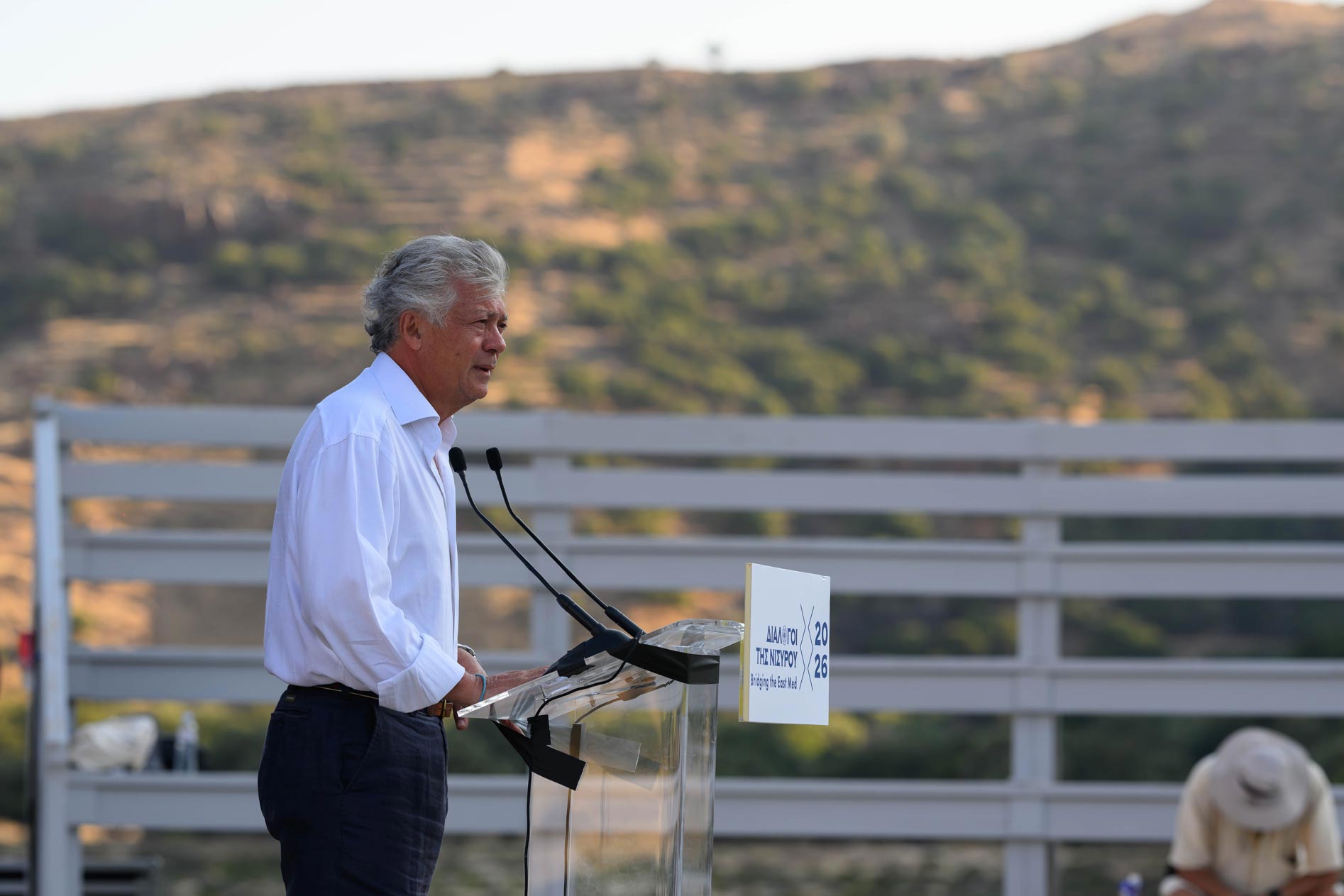
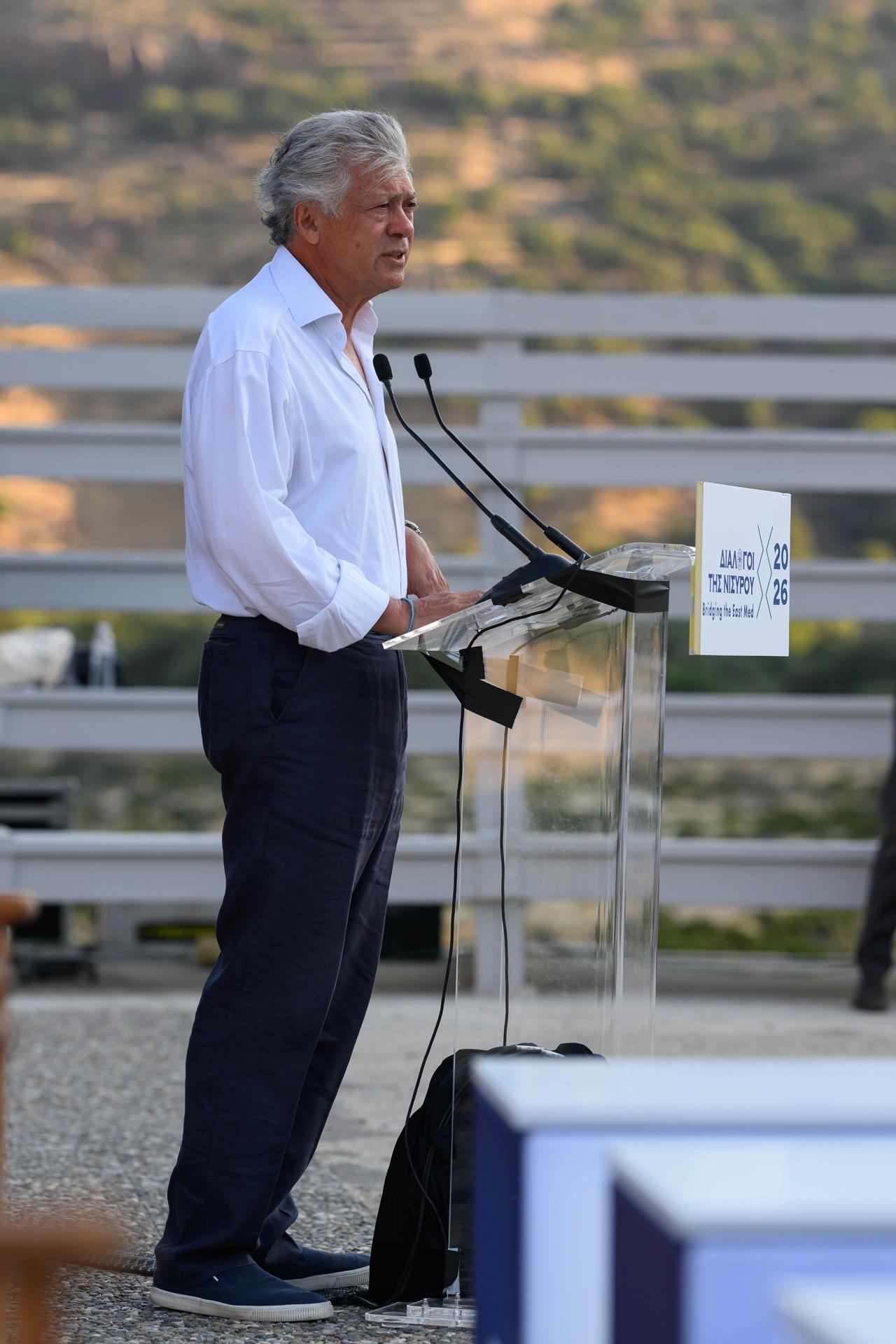
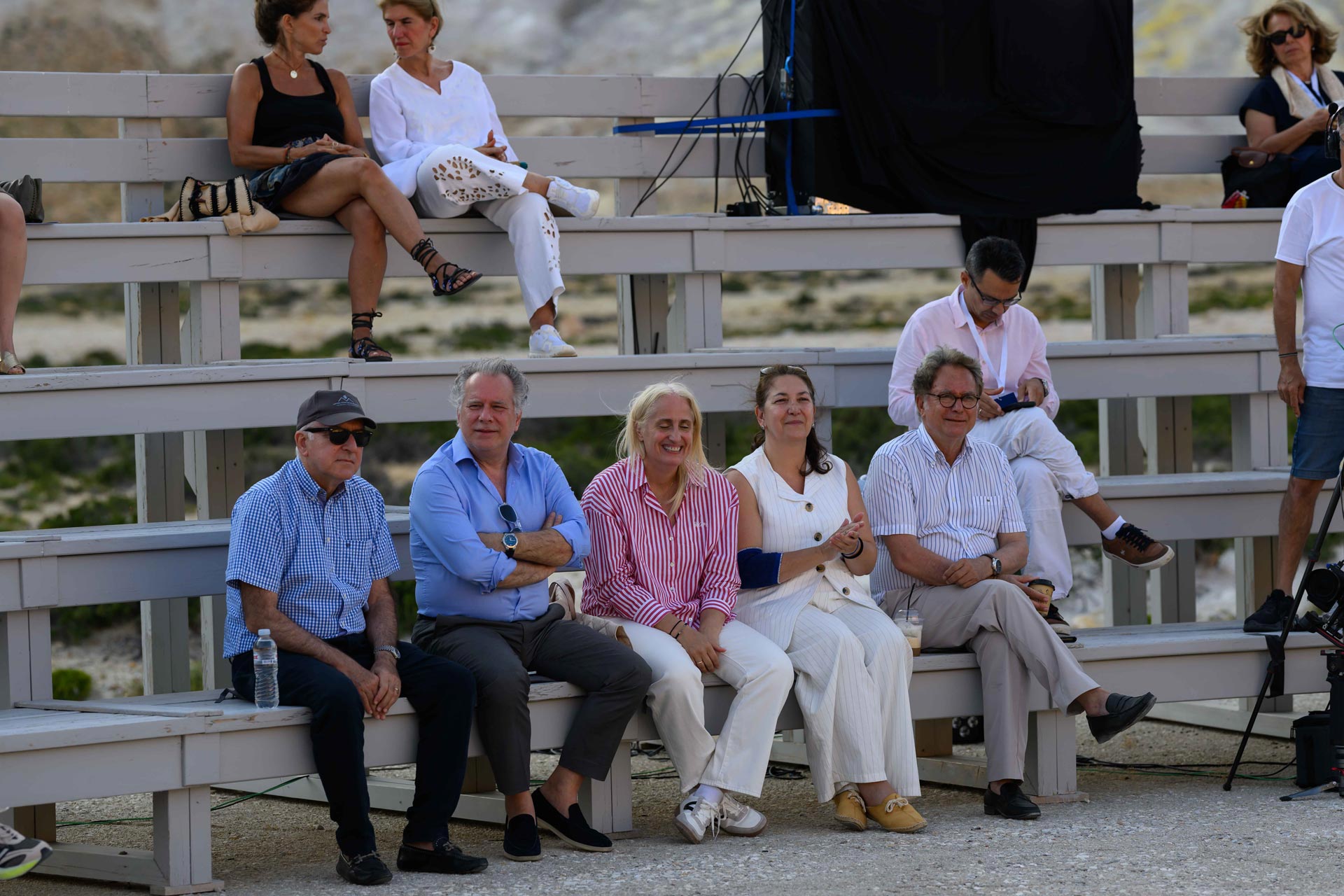
-
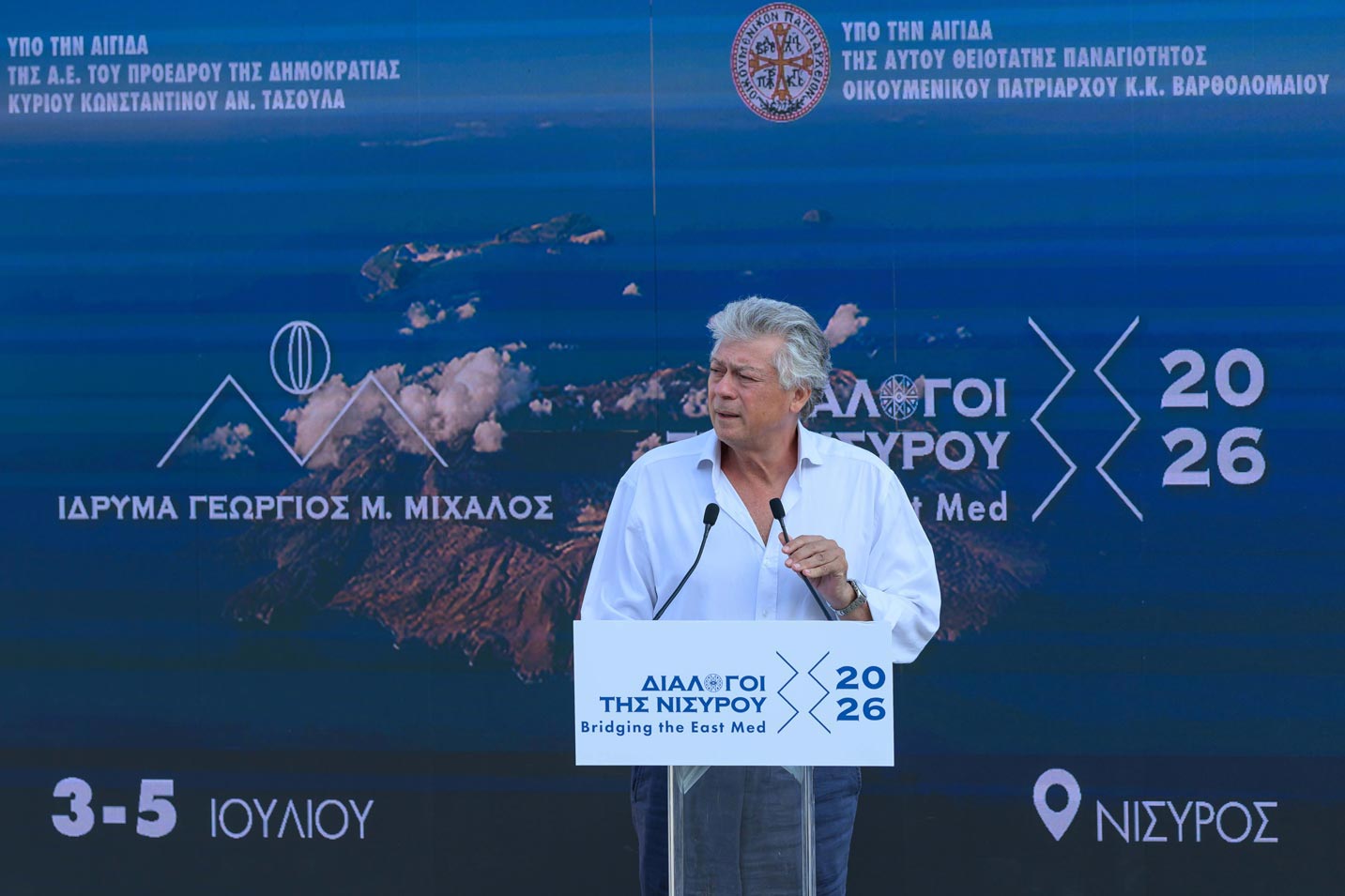
UNDER THE AUSPICES OF H.E. THE PRESIDENT OF THE HELLENIC REPUBLIC MR. CONSTANTINE AN. TASSOULAS
-

UNDER THE AUSPICES OF HIS ALL HOLINESS ECUMENICAL PATRIARCH BARTHOLOMEW

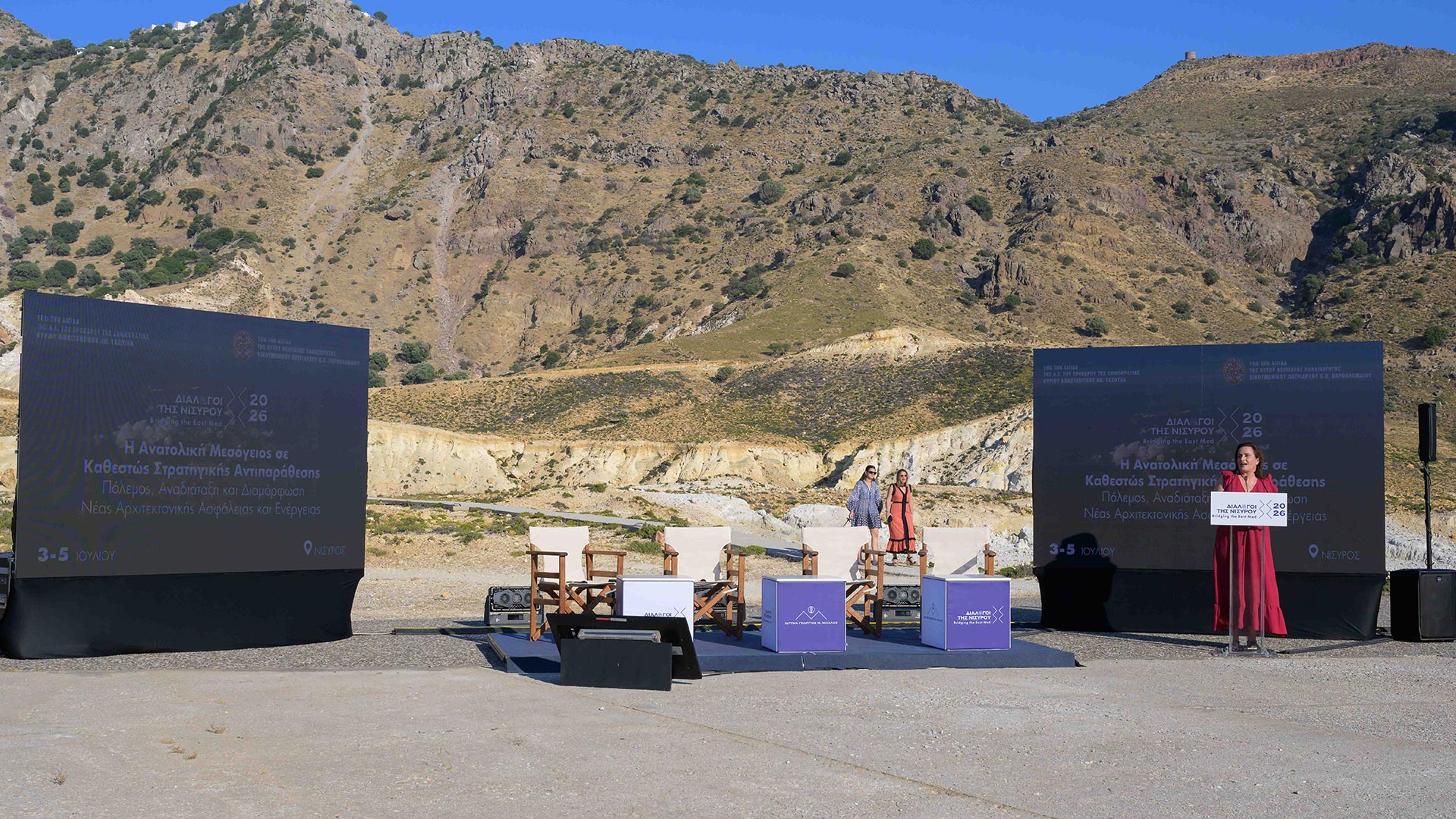
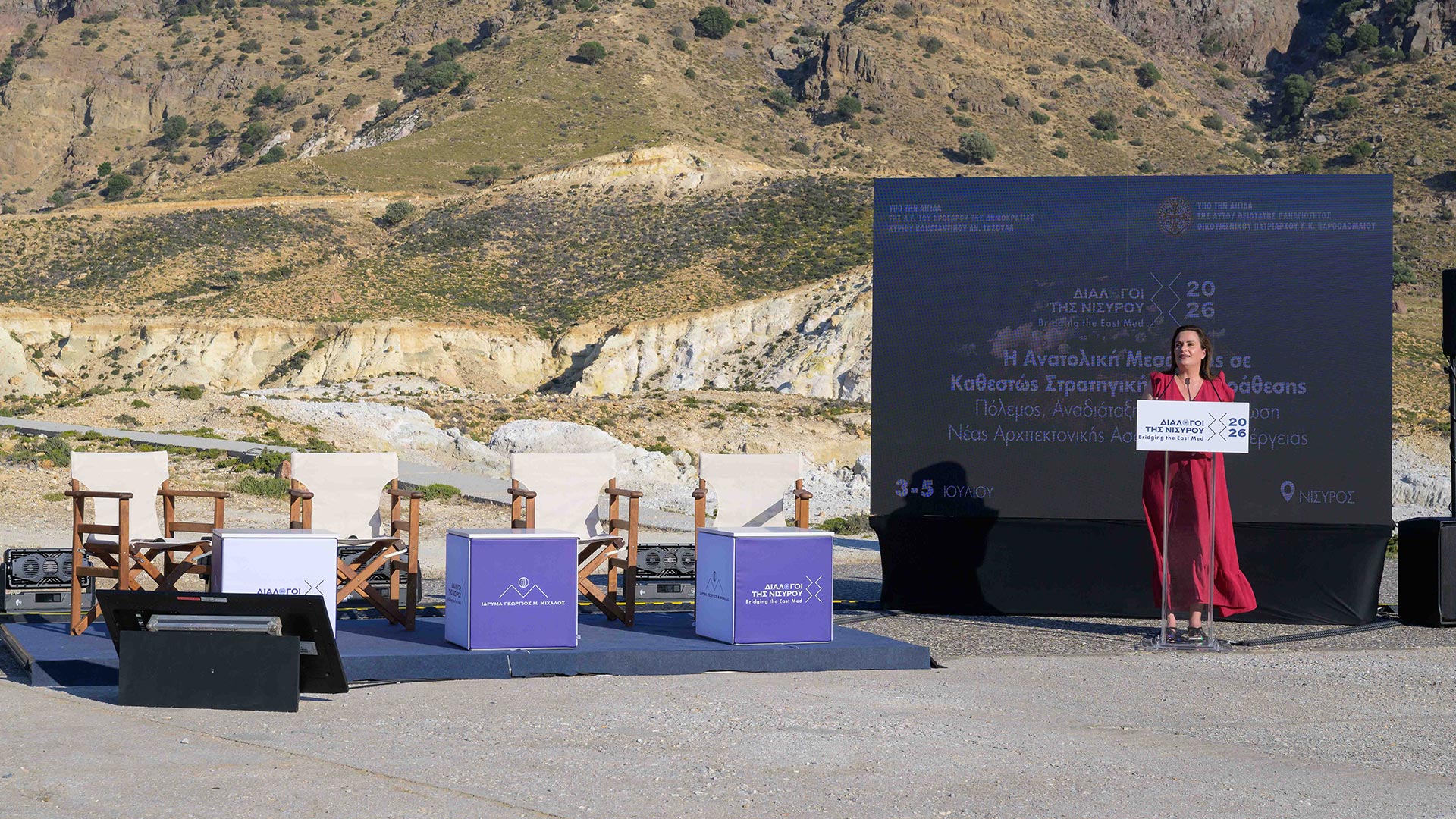
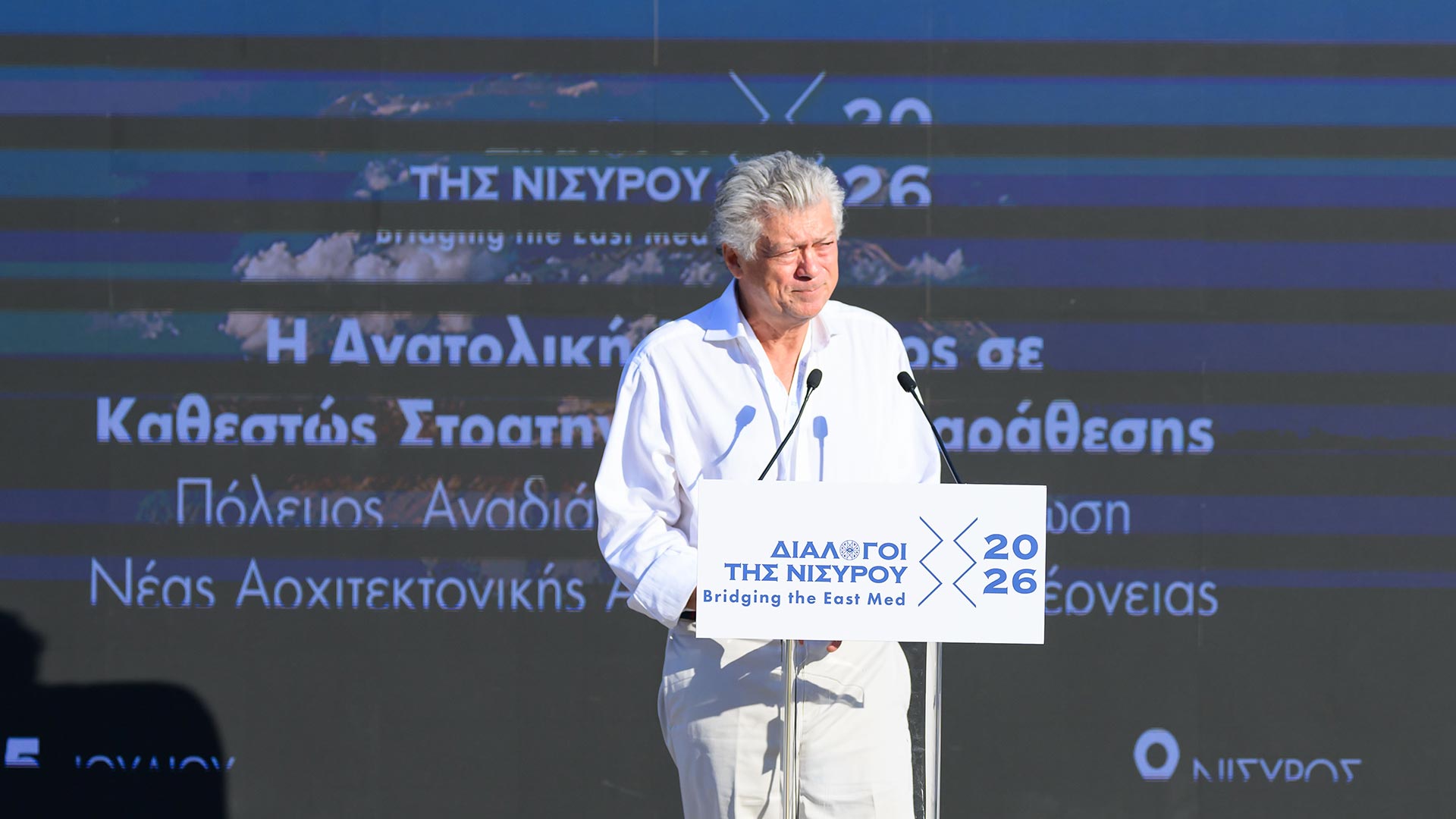
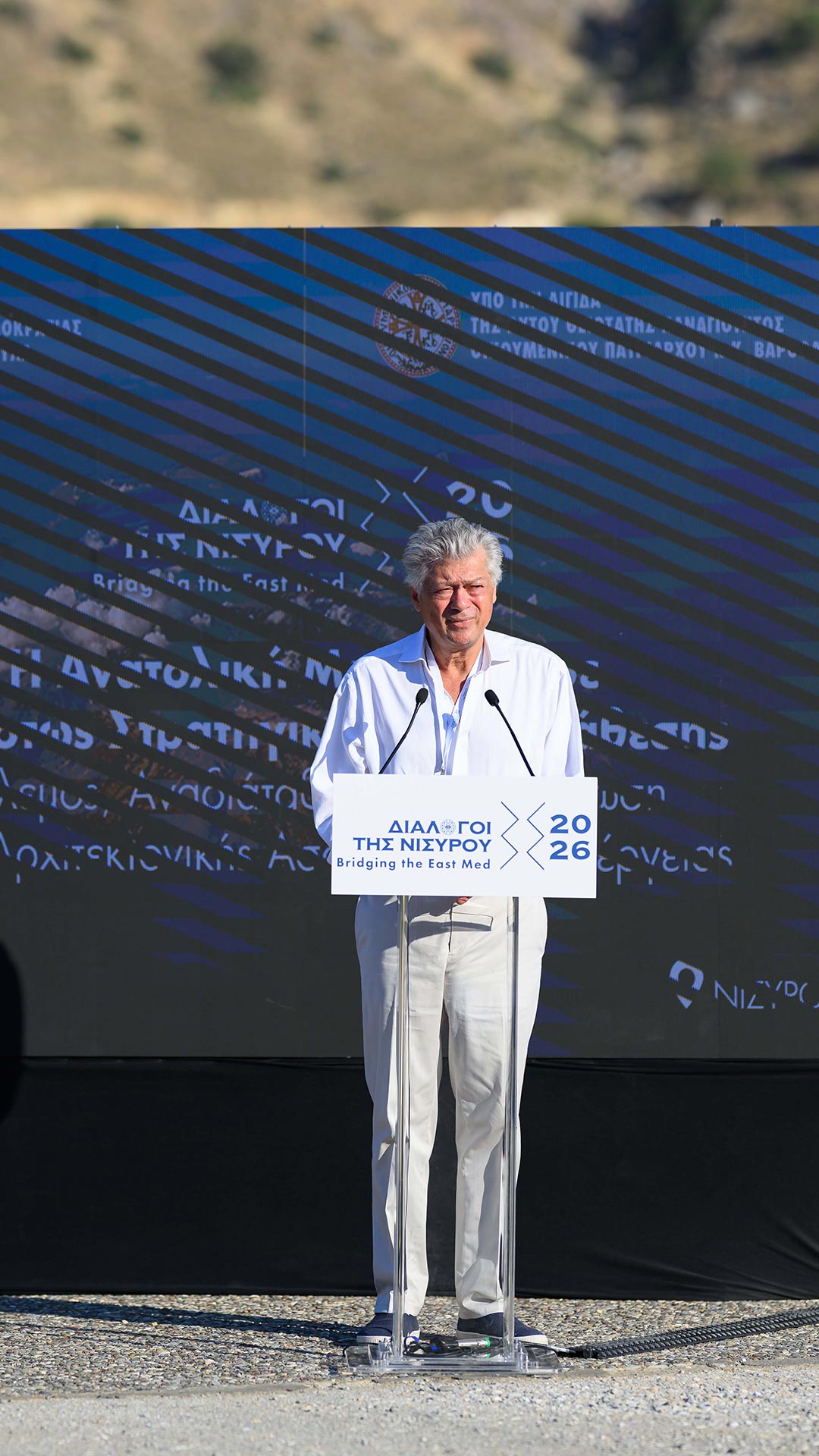
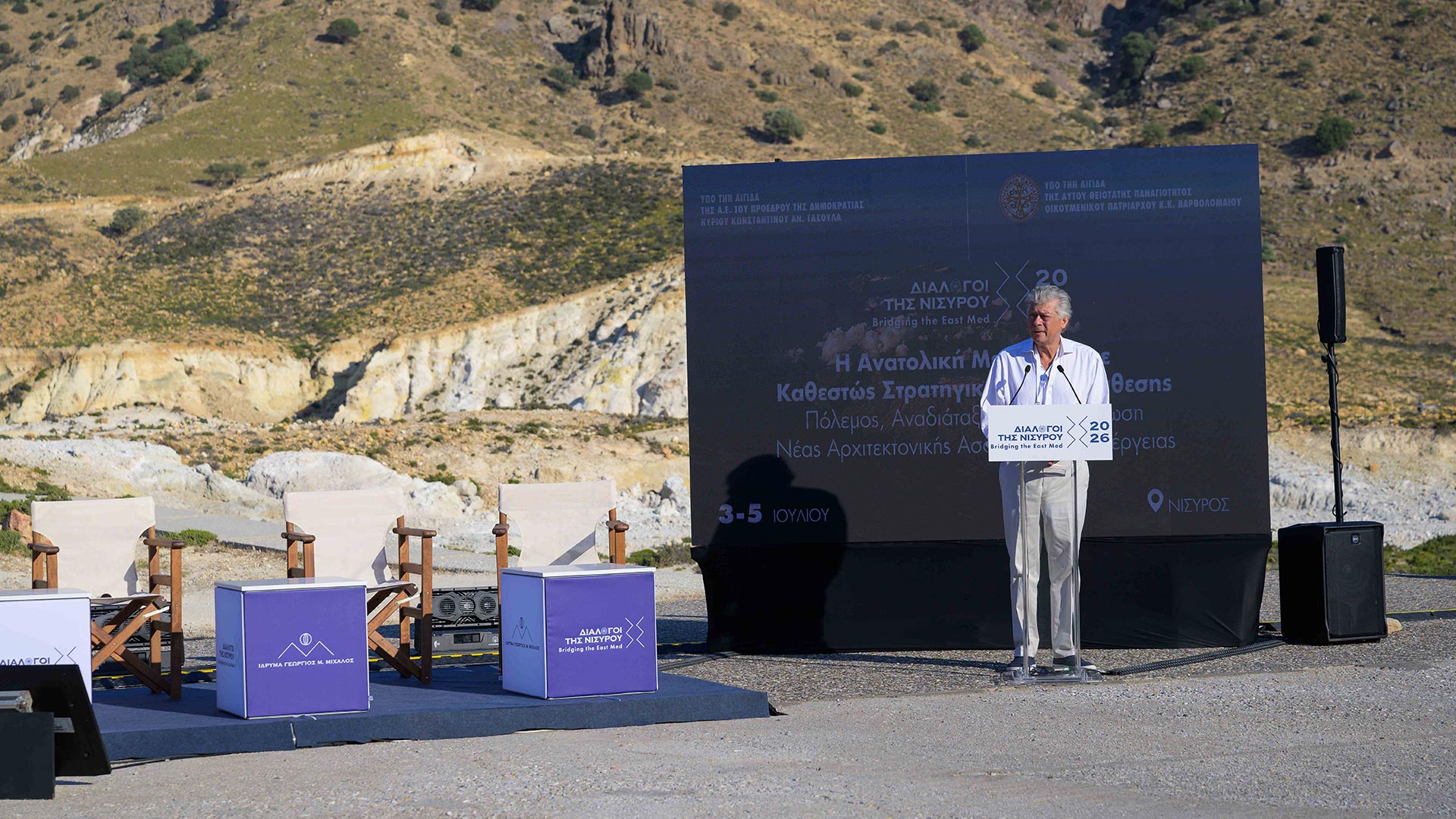
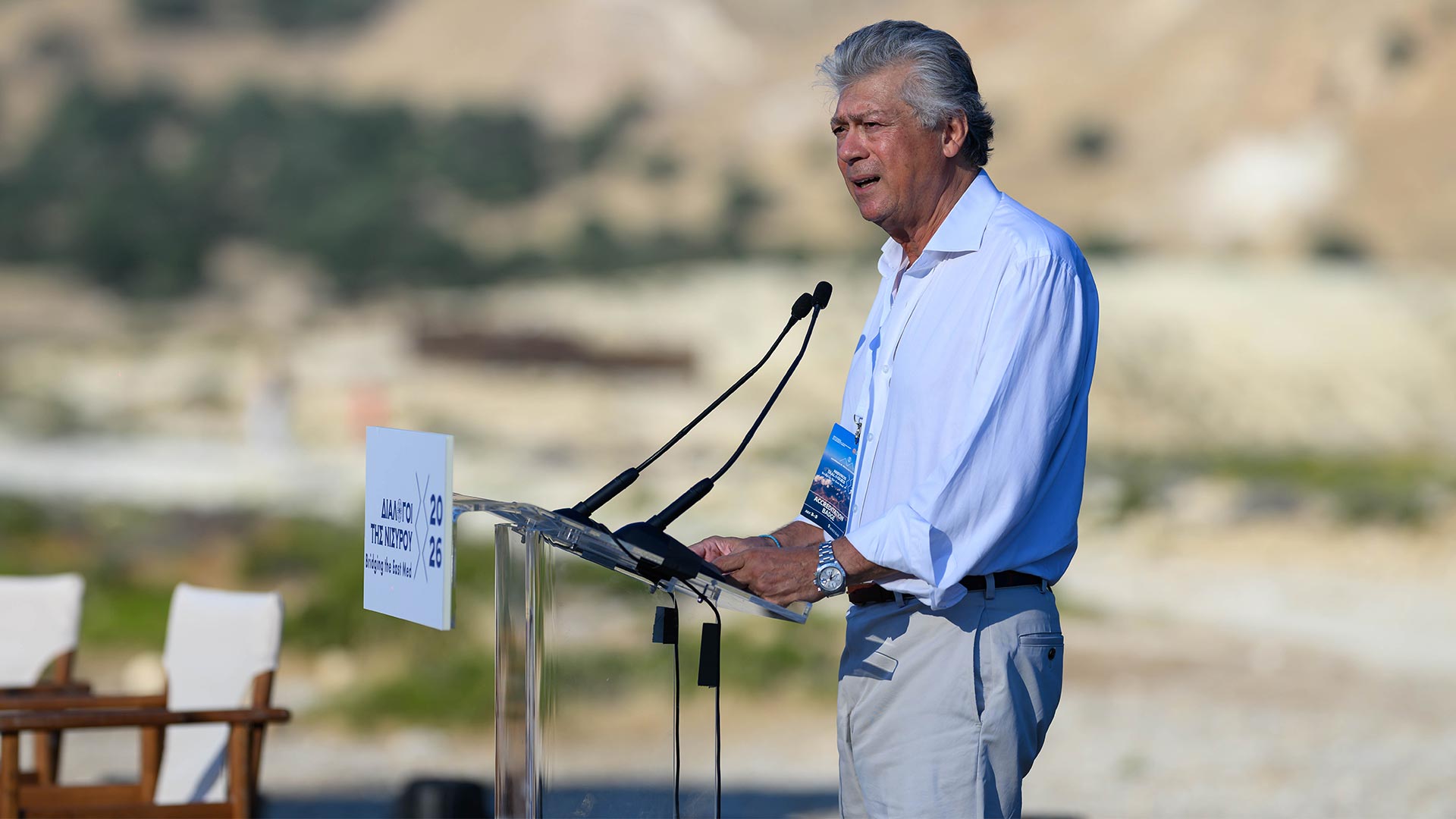
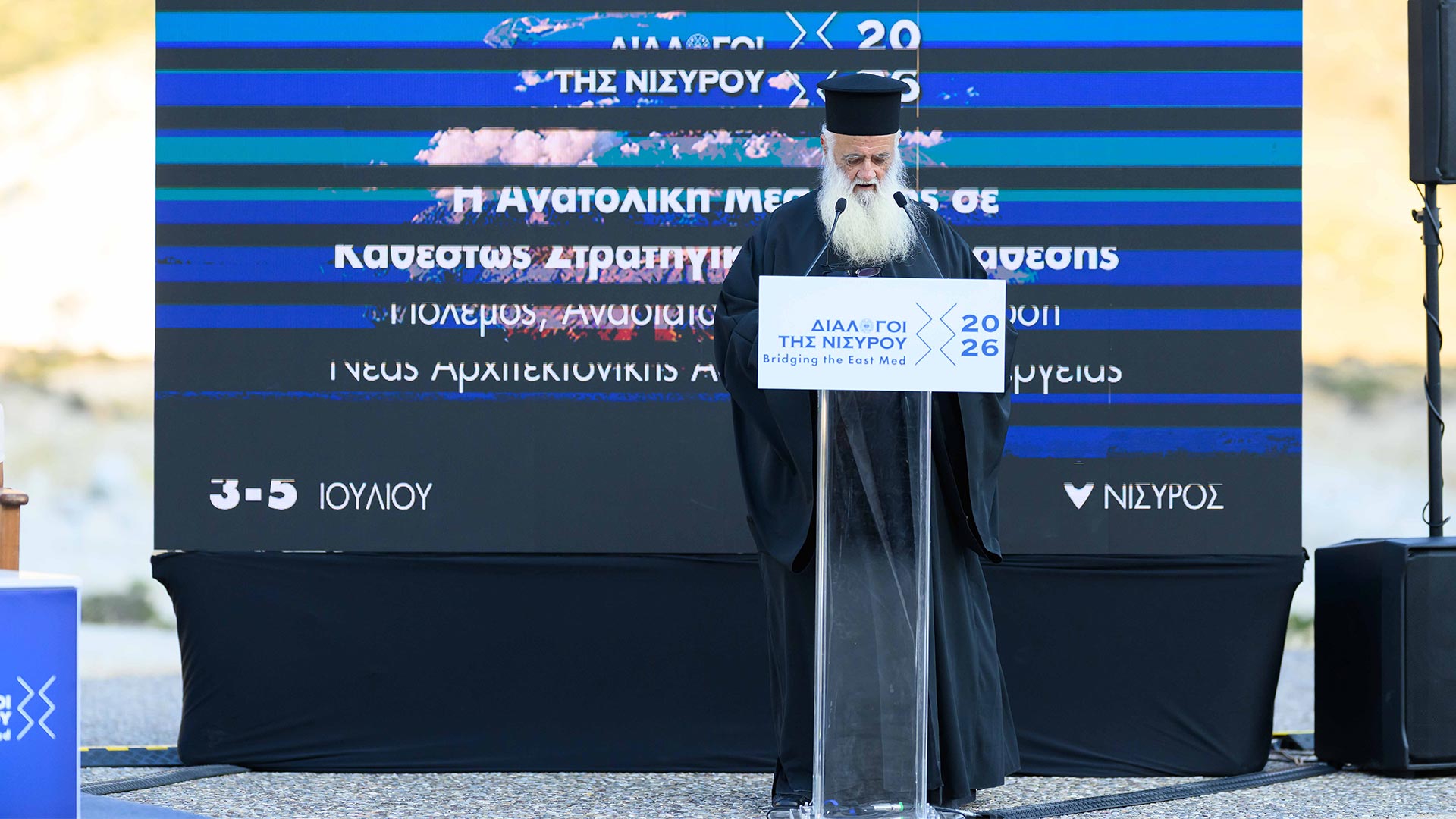
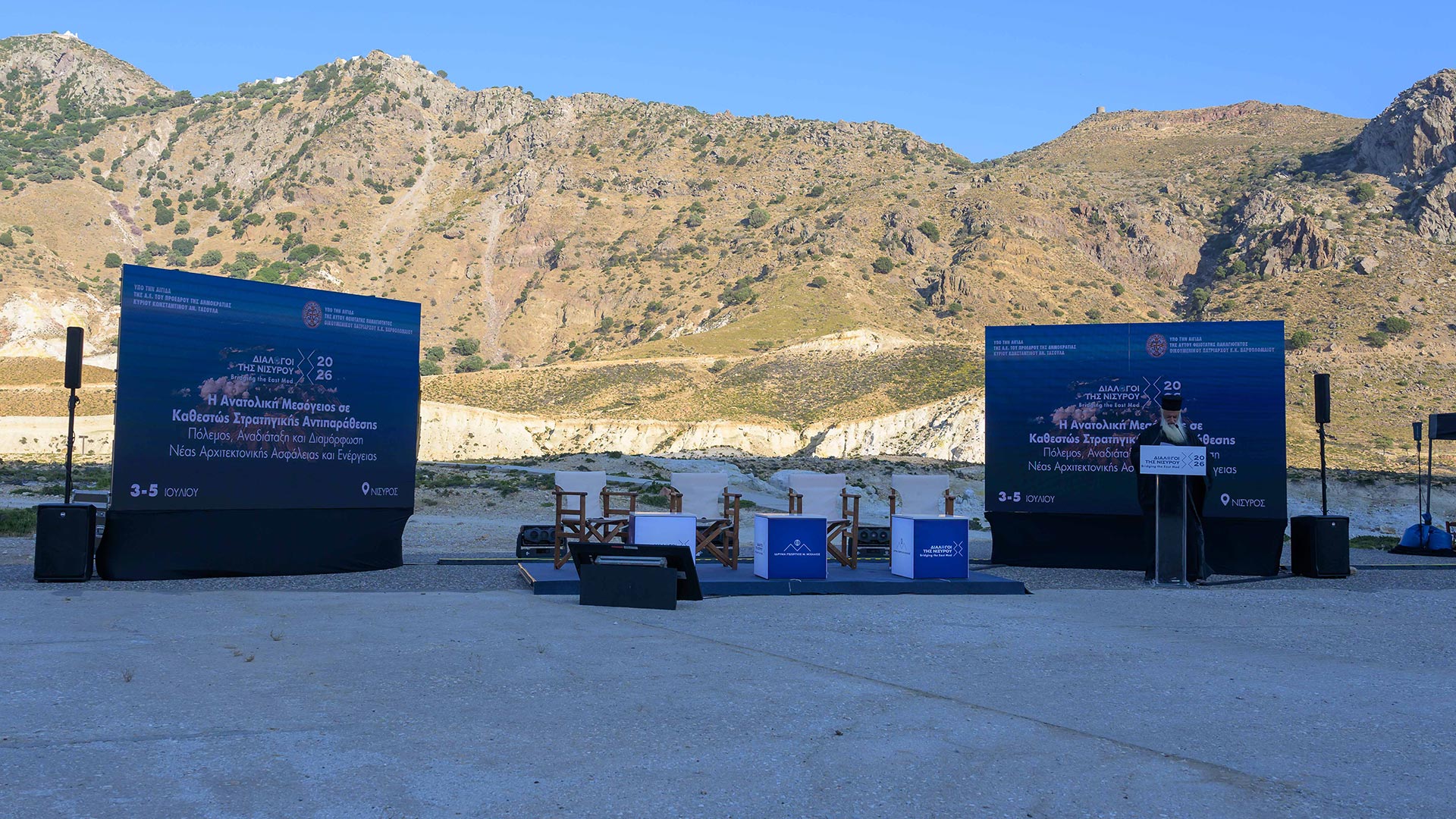
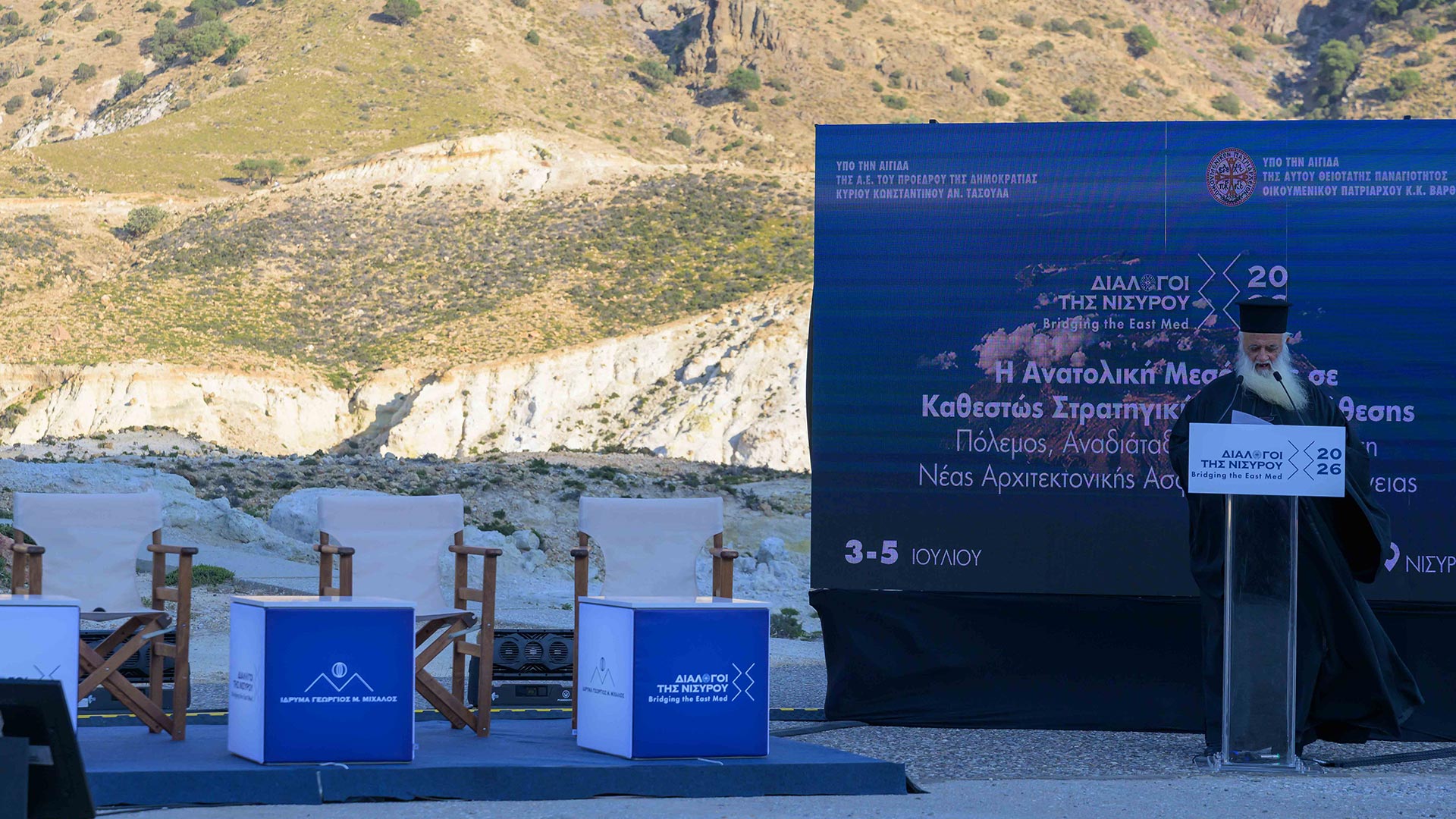
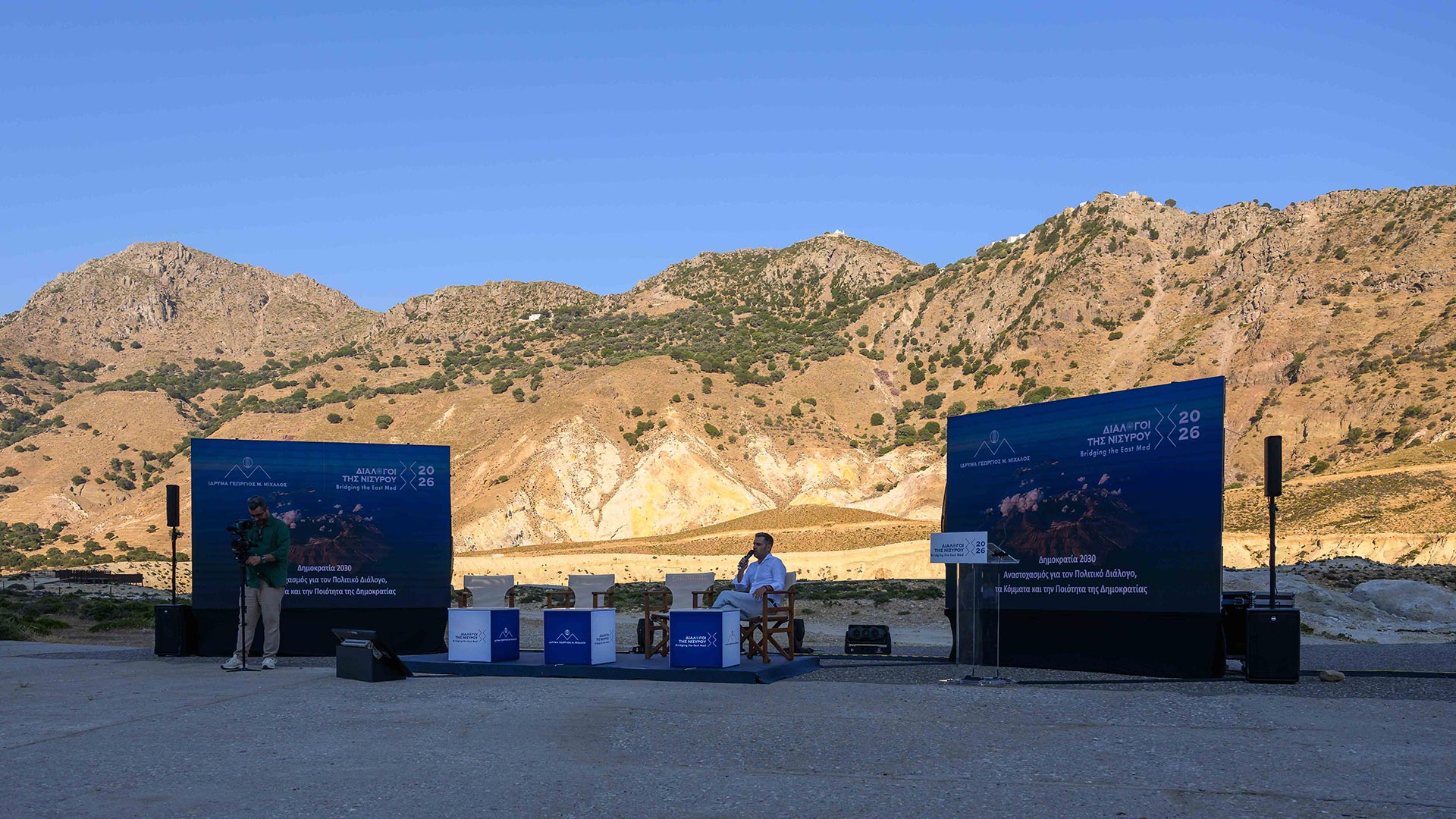
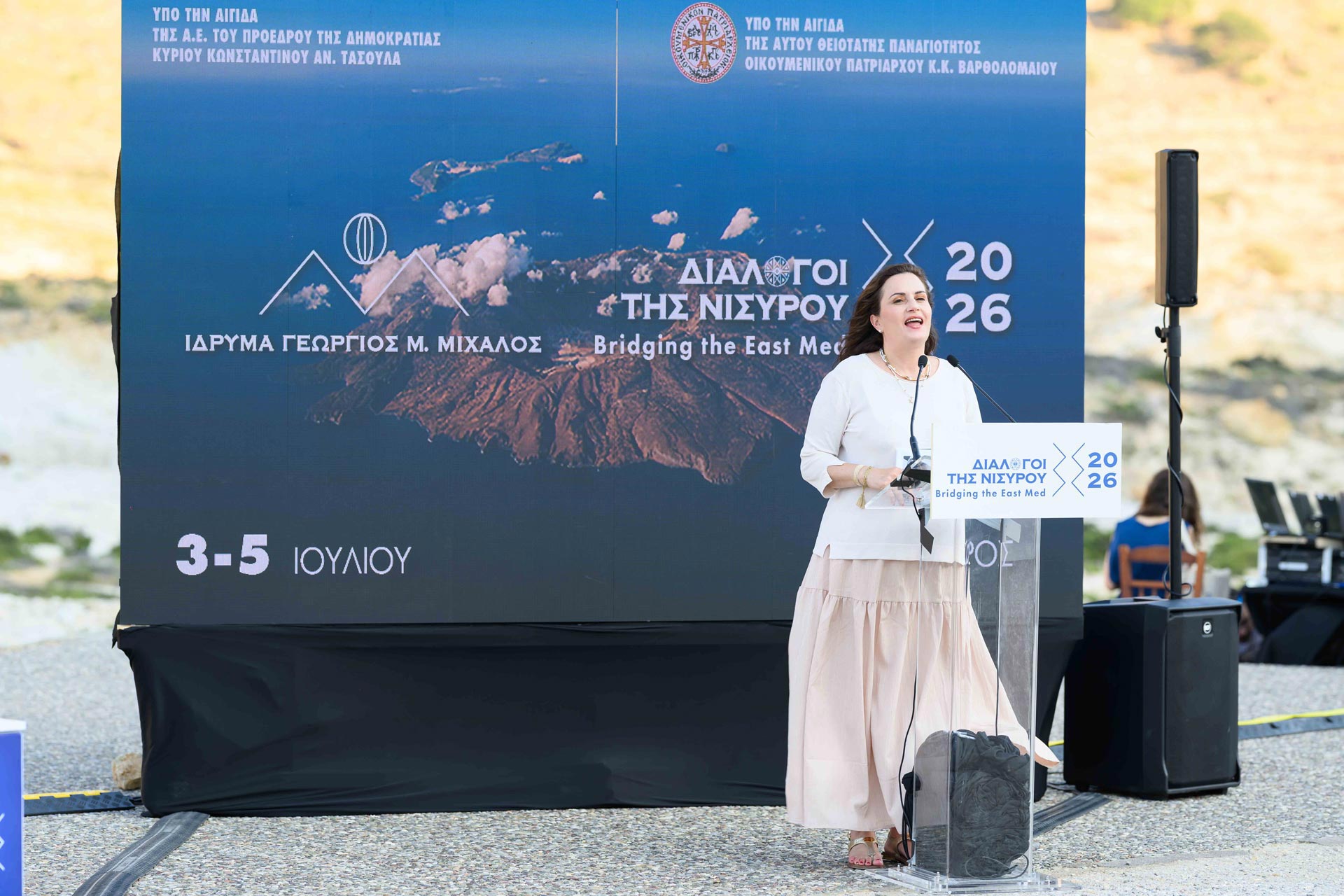
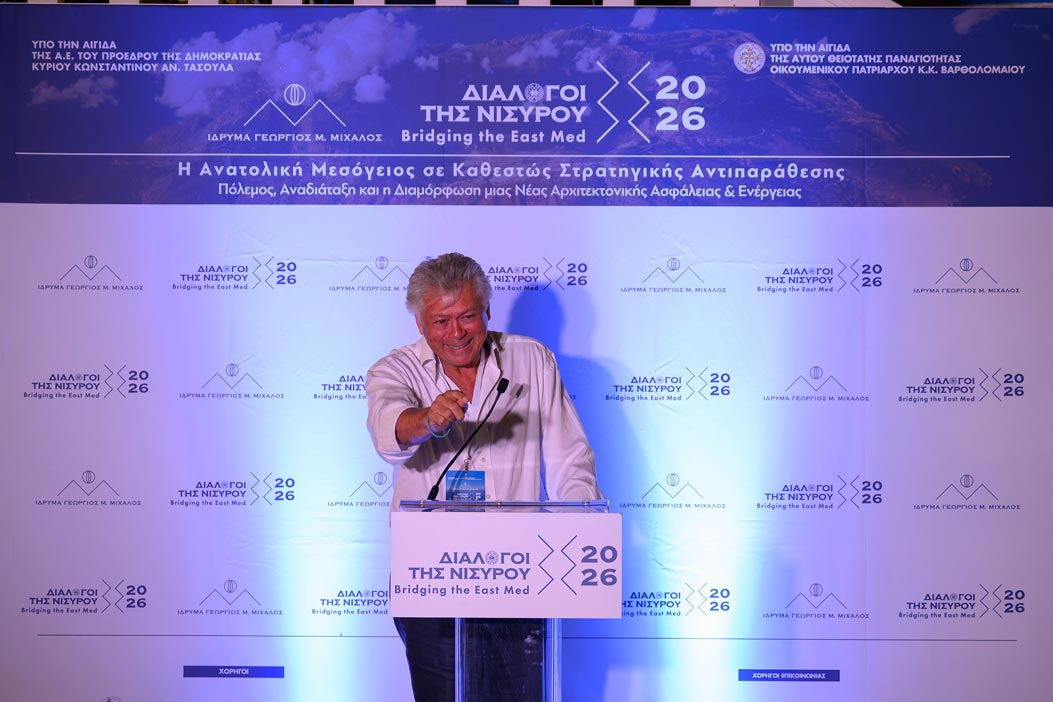
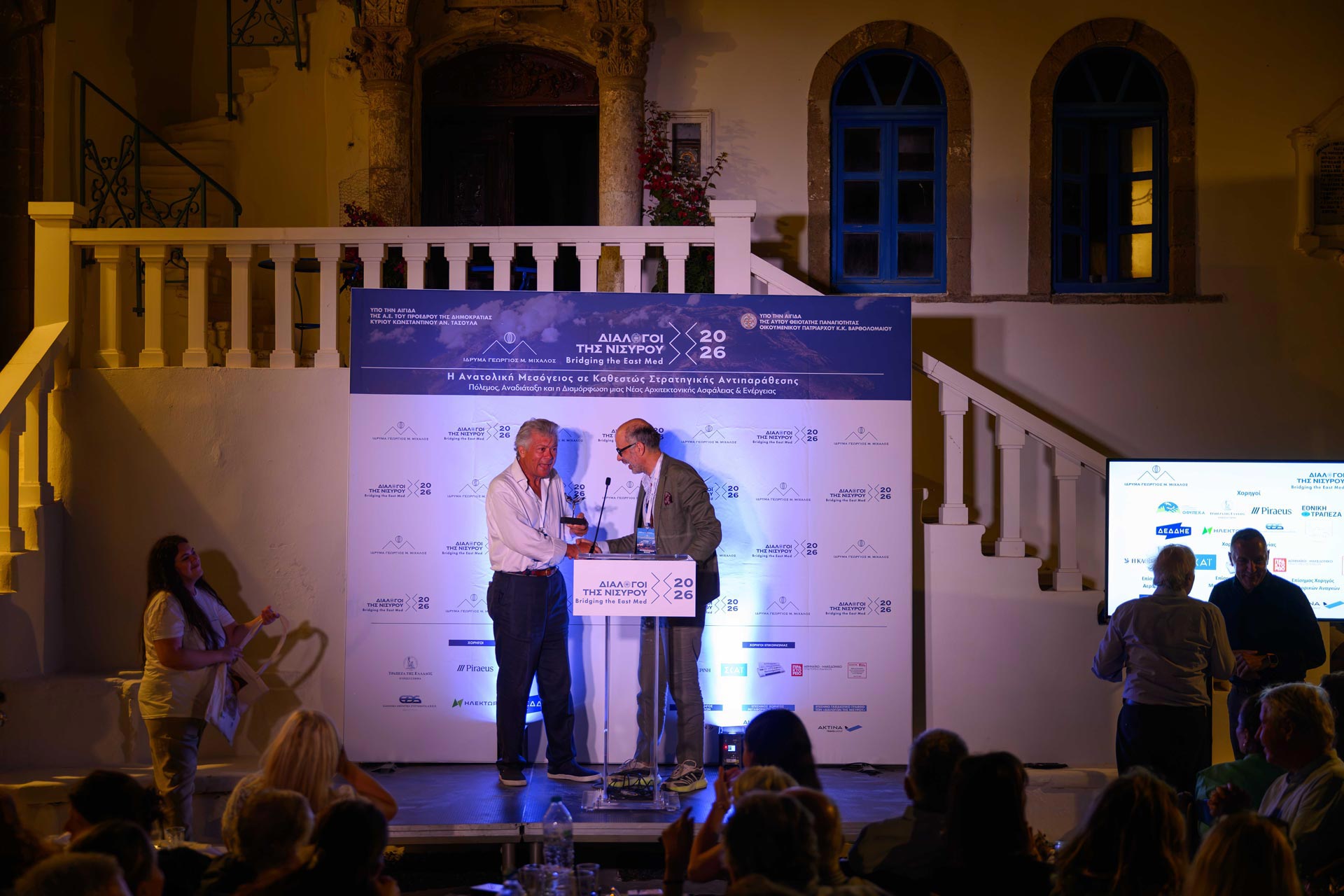
«NISYROS DIALOGUES»® 2026
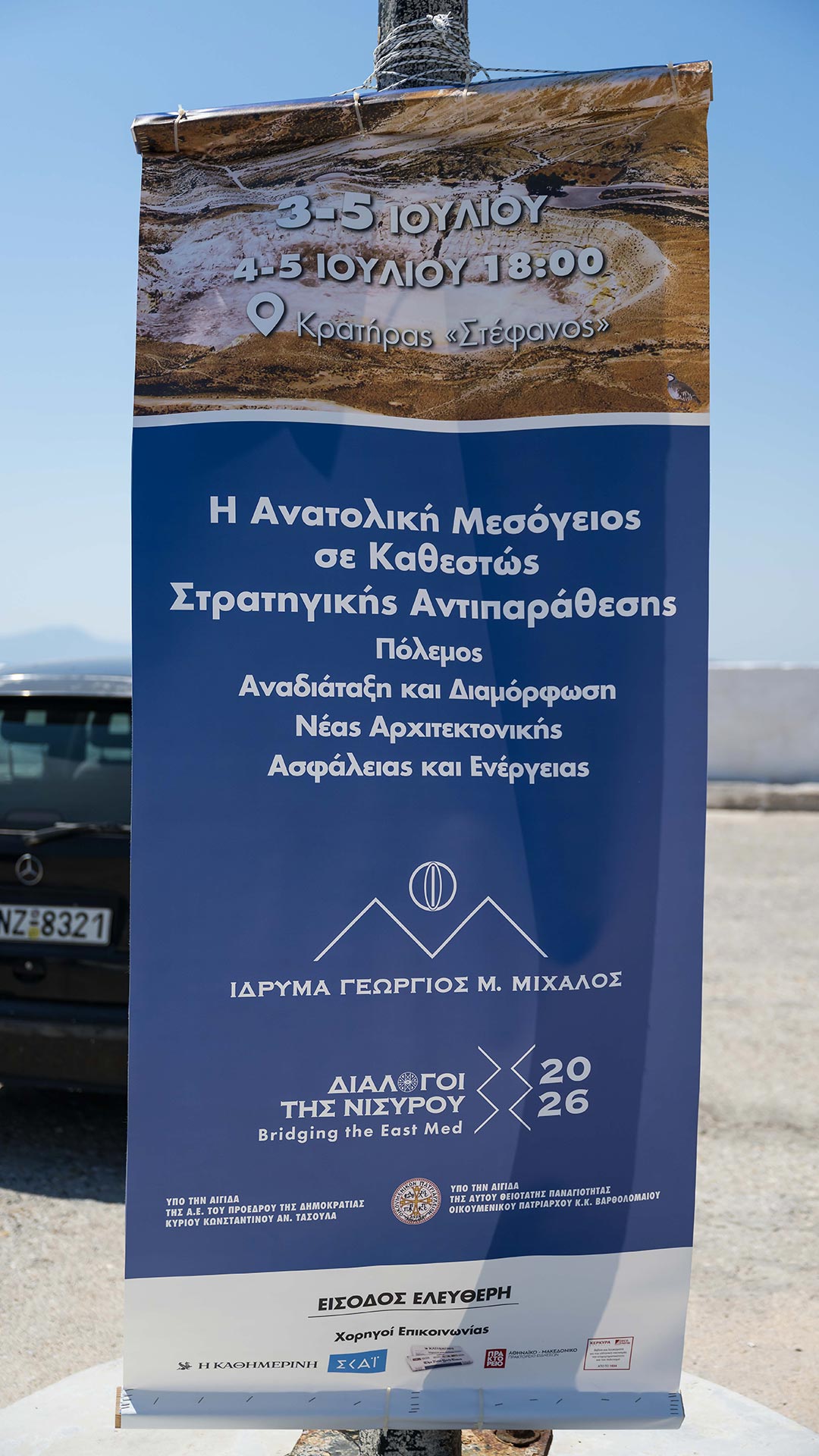
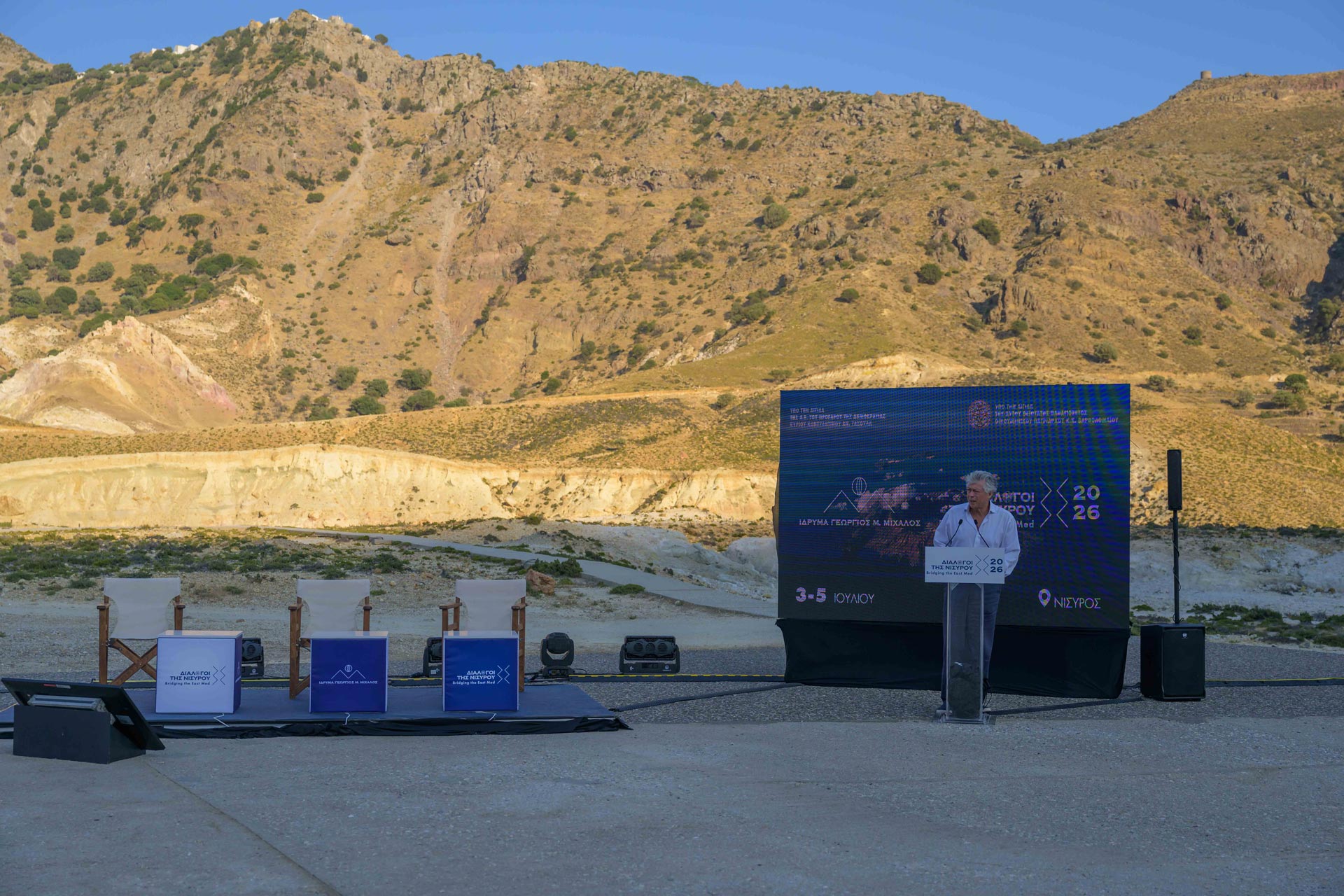
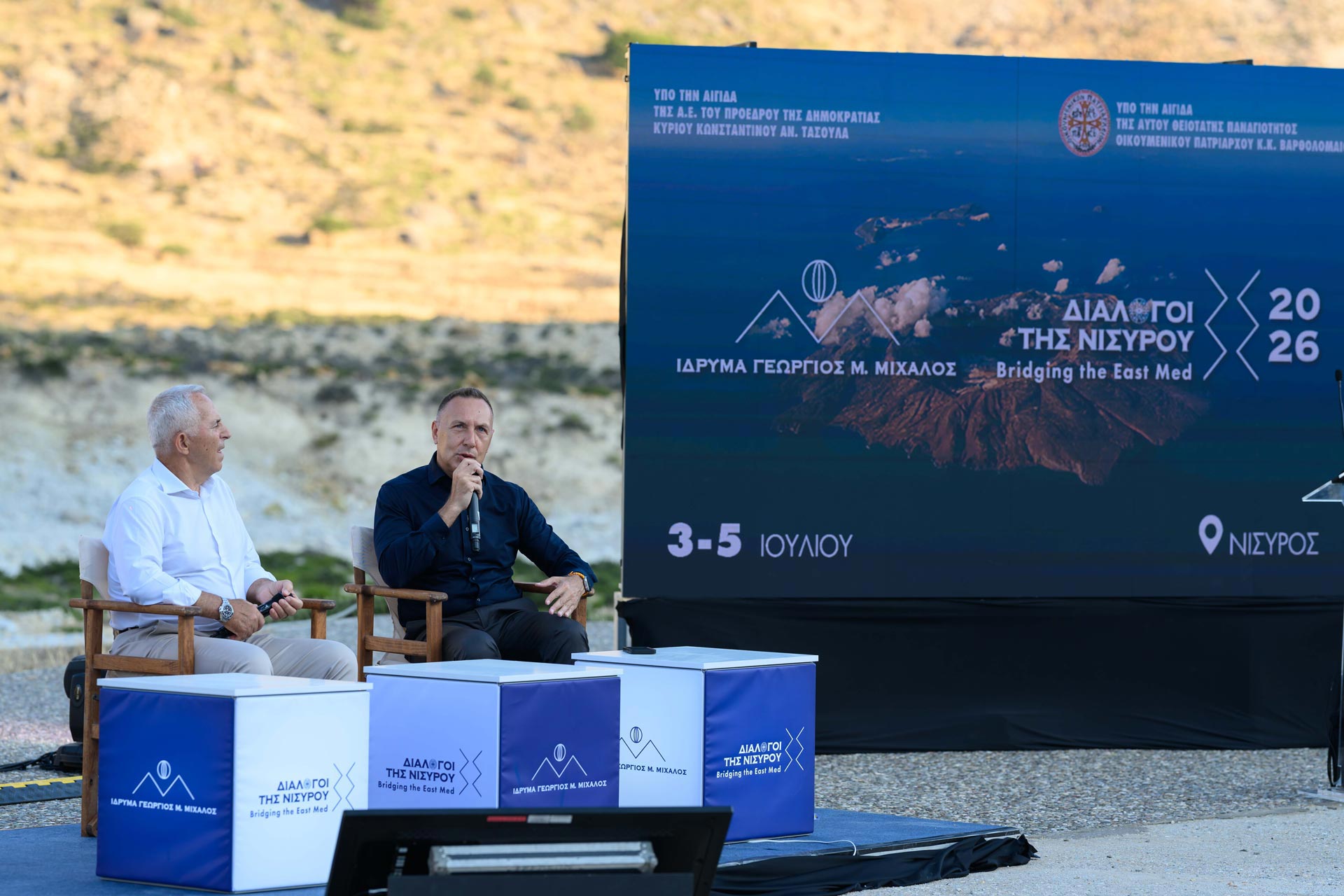
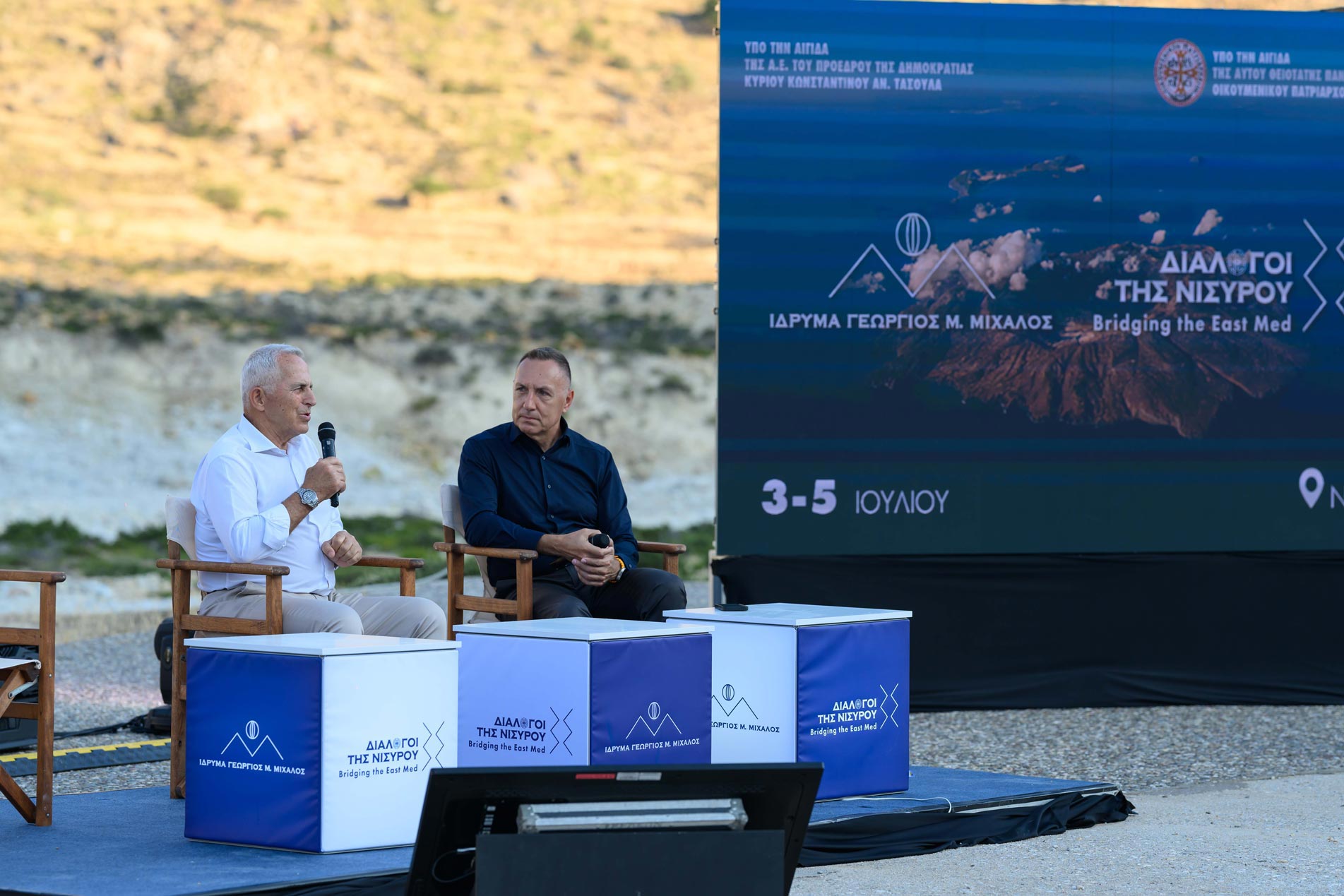
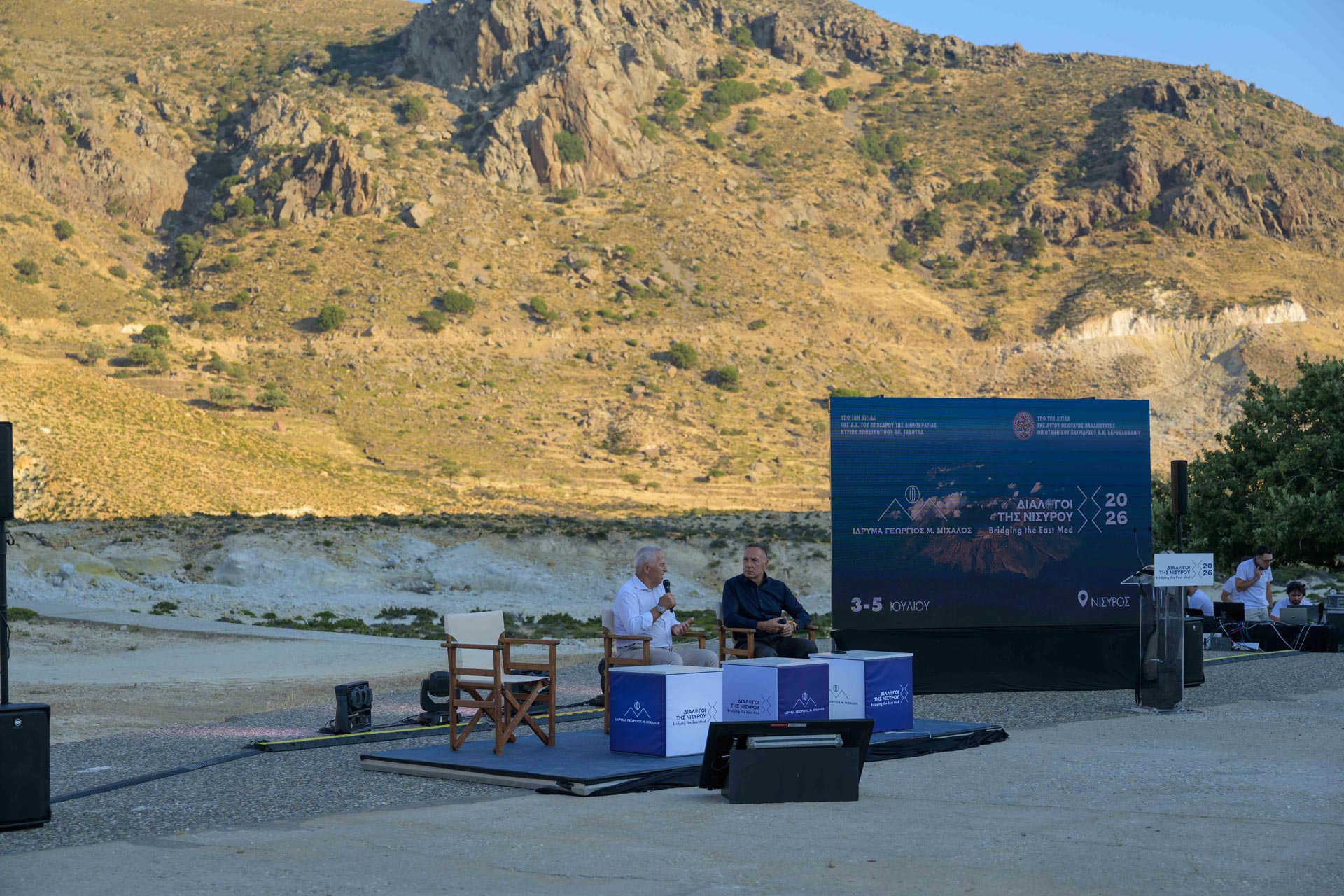
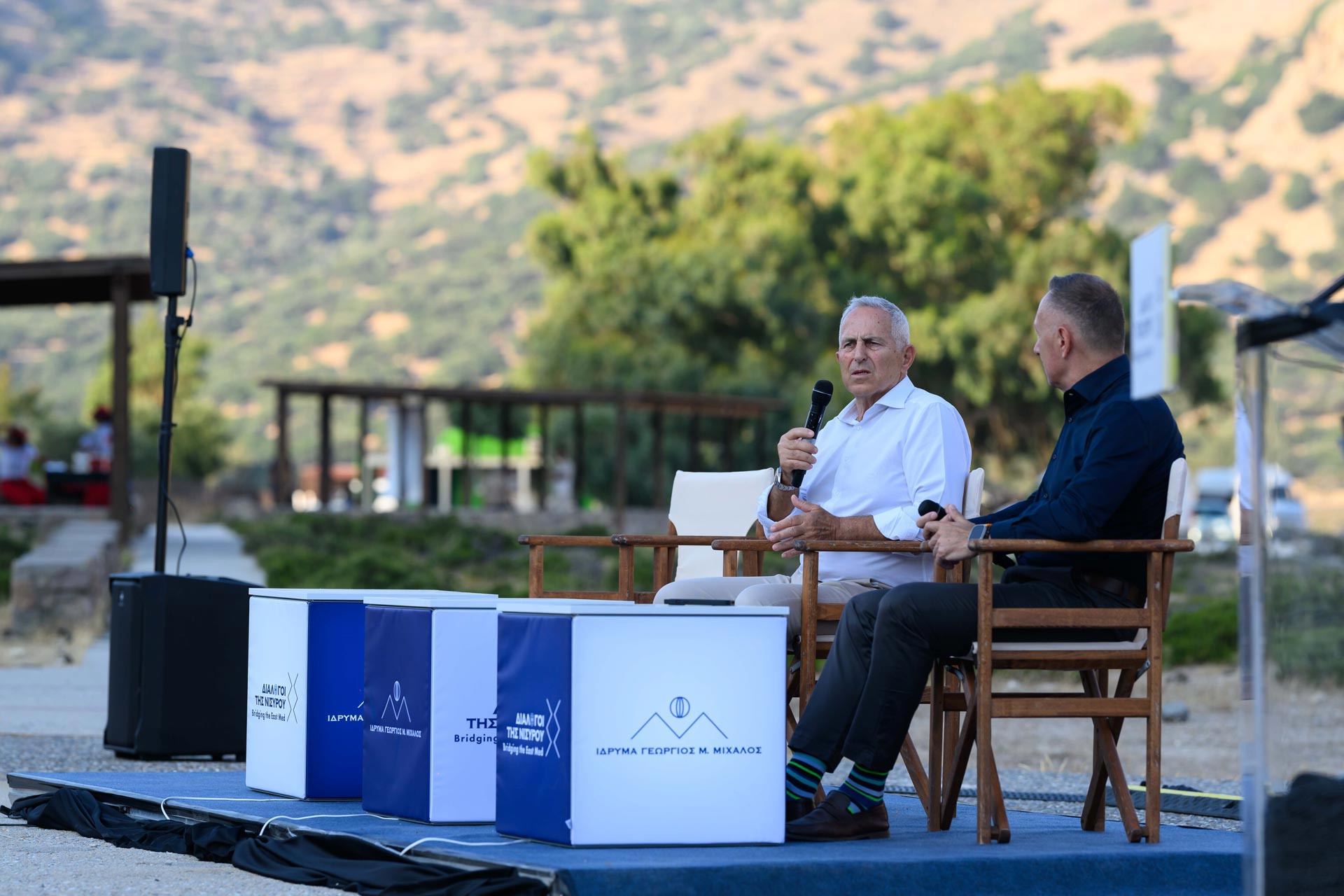
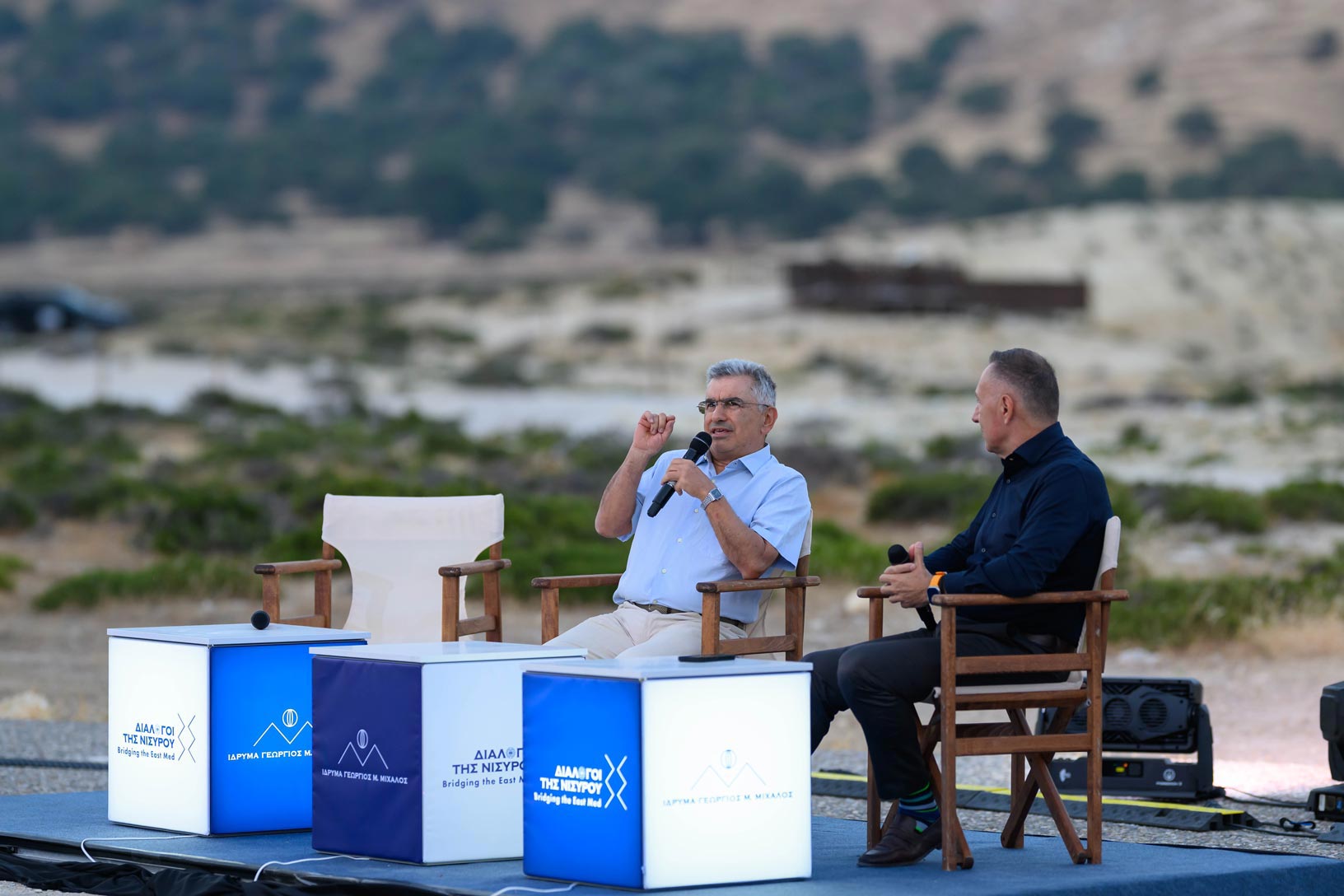
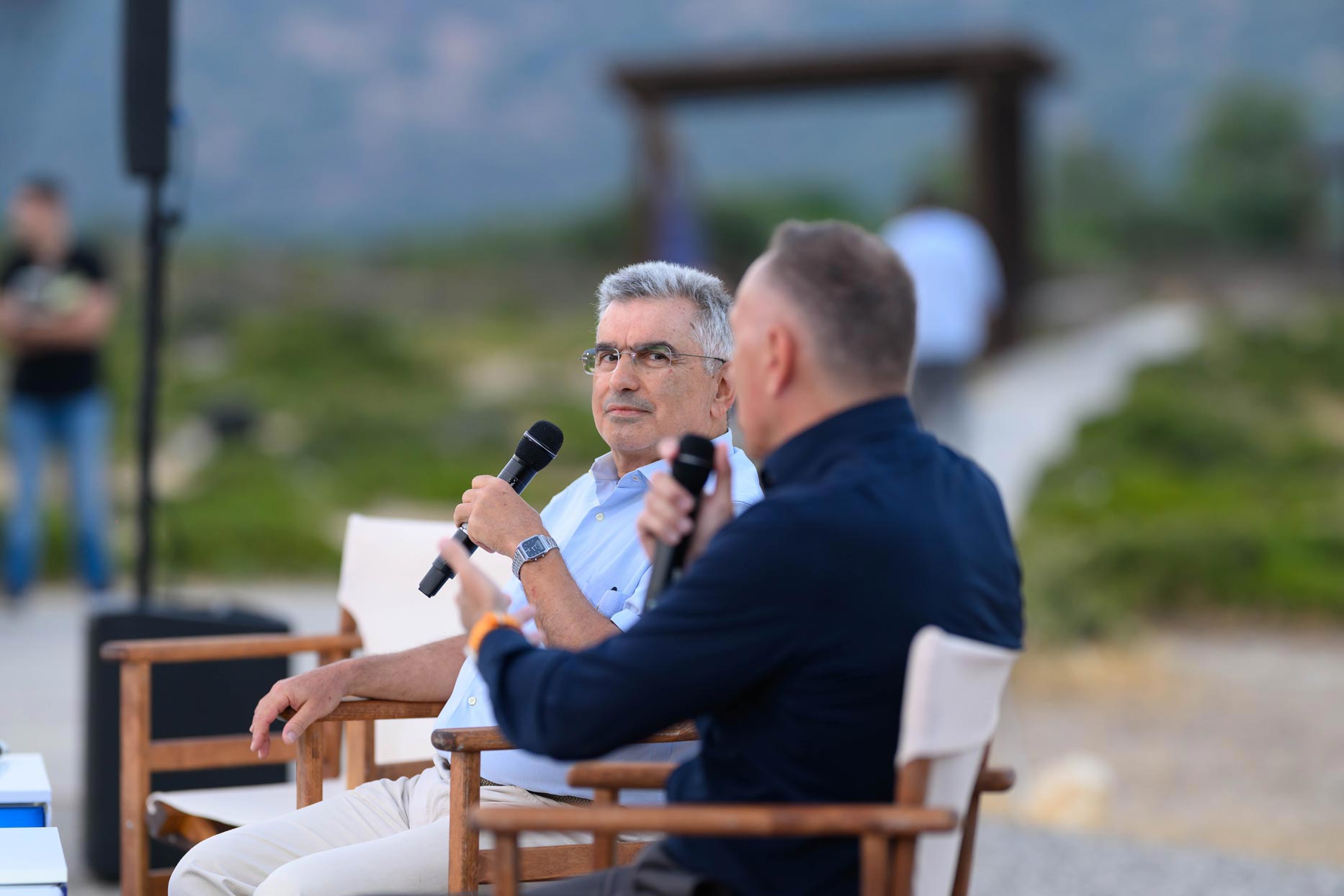
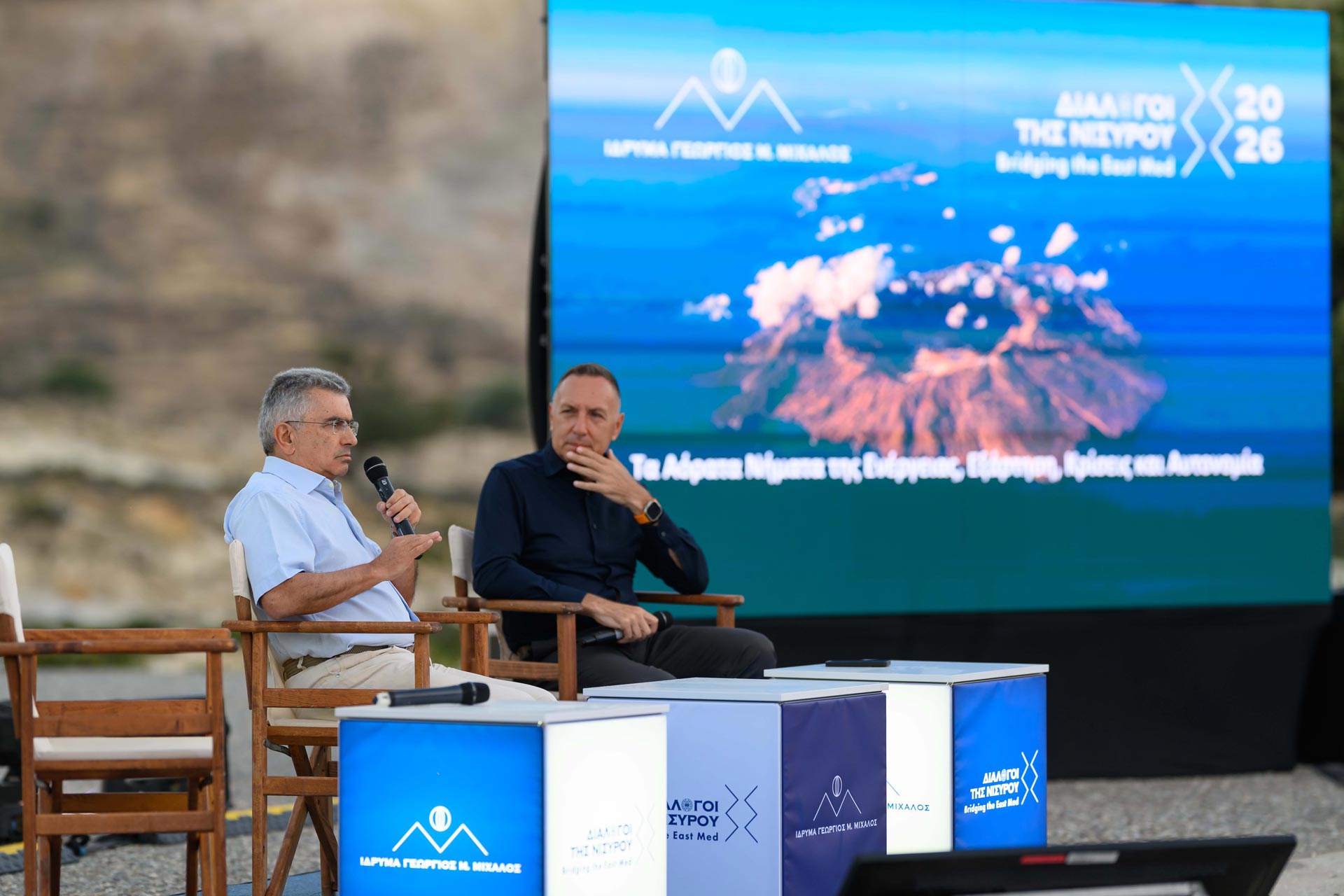
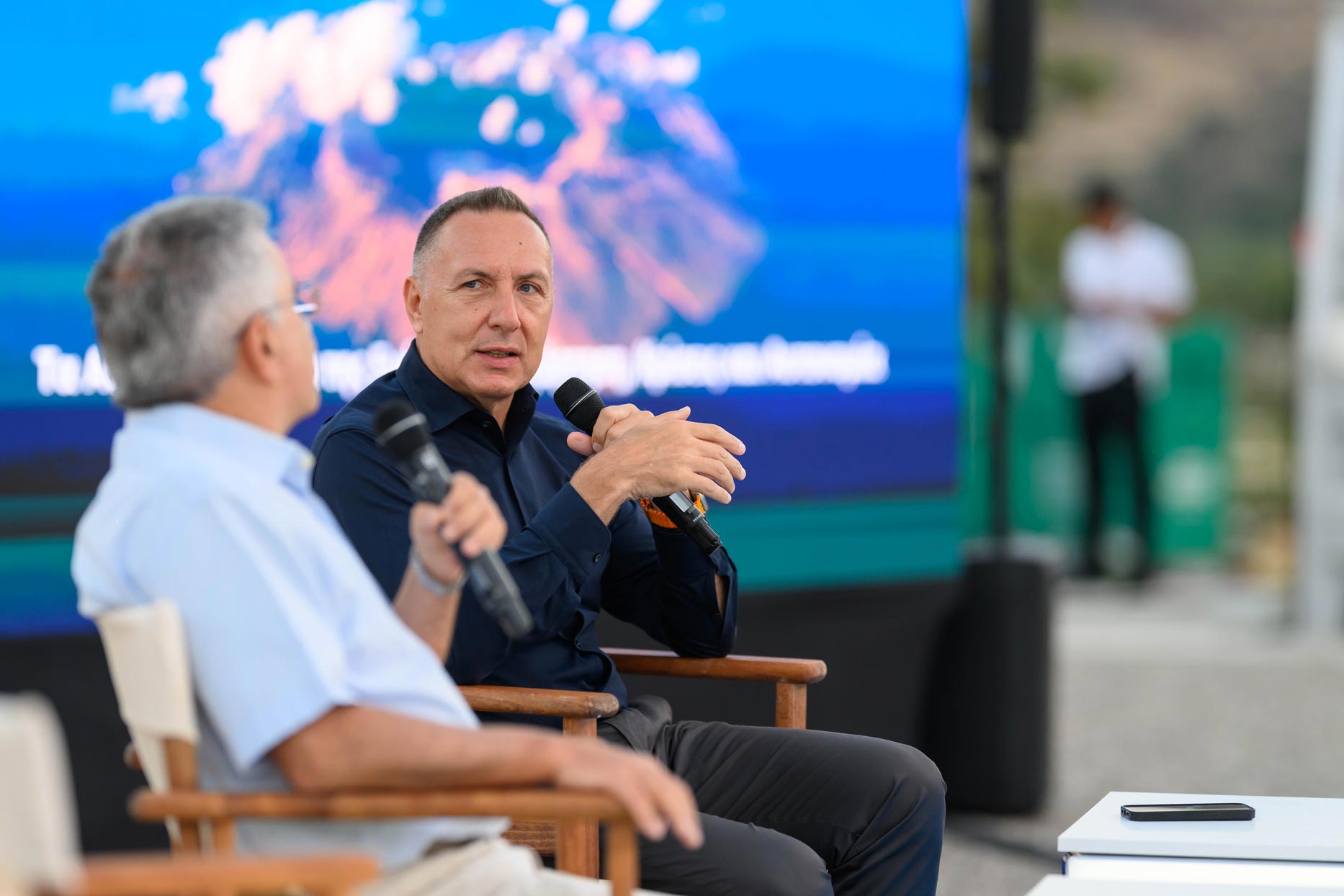
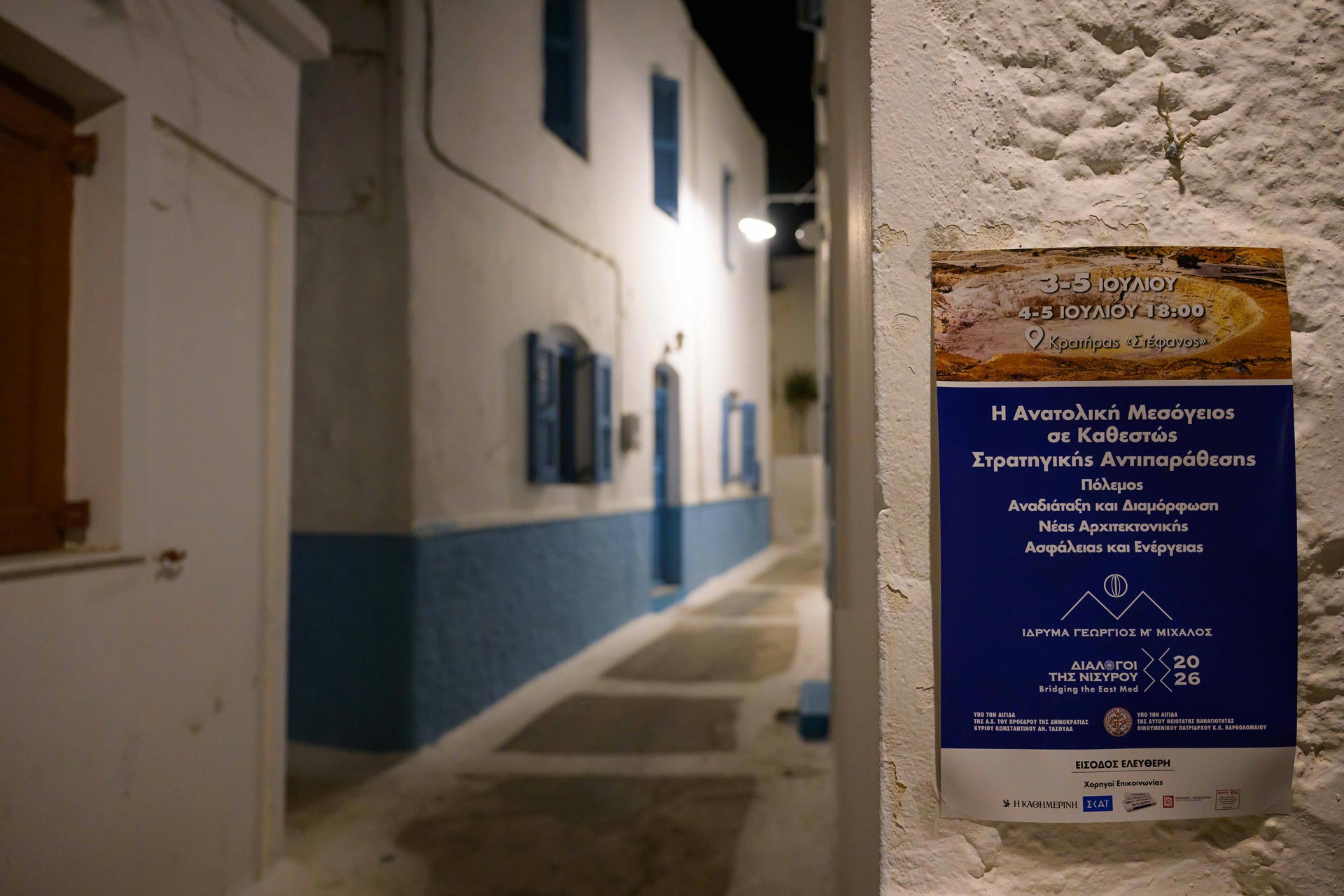
3-5 July, Nisyros Island
"The Eastern Mediterranean in a State of Strategic Confrontation"
War, Realignment and the Making of a New Security
& Energy Architecture
Defence – Maritime Security & Safe Navigation – Energy Security
Alliances – Geopolitical Realignments – Deterrence
Opportunities & Challenges
Greece – Cyprus – Middle East – Eastern Mediterranean
Under the auspices of H.E. the President of the Hellenic Republic Mr. Constantine An. Tassoulas
&  Under the auspices of His Holiness Ecumenical Patriarch Bartholomew
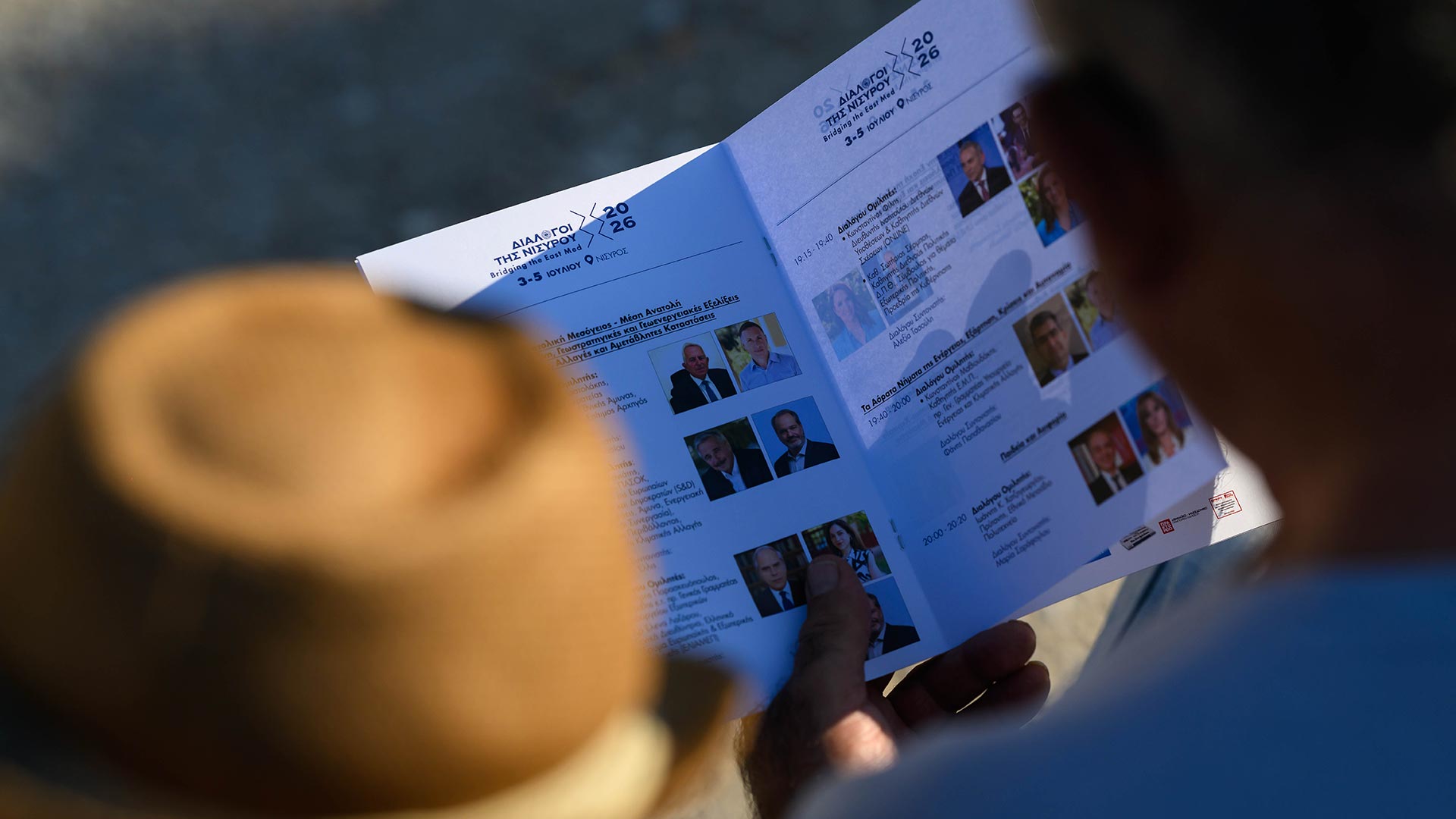
Confirmed Dialogue Speakers
«Nisyros Dialogues 2026»

Evangelos Apostolakis
Admiral (Ret.),
Honorary Chief of the Hellenic National Defence General Staff,
Former Minister of National Defence of Greece

Dimitris Avramopoulos
f. European Commissioner for Migration, Home Affairs and Citizenship;
f. Minister of Foreign Affairs & Minister of National Defence;
MP

Ioannis K. Chatzigeorgiou
Rector, National Technical University of Athens (NTUA)

Manolis Christodoulakis
Member of Parliament for Eastern Attica, PASOK

Dr. Konstantinos Filis
Director of the Institute of Global Affairs & International Relations Professor

George Katrougalos
Professor of Public Law
UN Independent Expert on a democratic and equitable international order
Former Minister of Foreign Affairs

Dr. Elena Lazarou
Executive Director, ELIAMEP – Hellenic Foundation for European and Foreign Policy · Doctor, University of Cambridge · former Head of the External Policies Unit, European Parliament Research Service

Dr. Fay Makantasi
Research Director diaNEOsis

Yannis Maniatis
MEP (PASOK), Vice-President of the Group of the Progressive Alliance of Socialists and Democrats in the European Parliament (S&D) (International Relations, Defence, Energy Security and Cooperation), f. Minister of Environment, Energy and Climate Change.

Pavlos Marinakis
Deputy Minister to the Prime Minister
Government Spokesperson

Konstantinos Mathioudakis
Professor, NTUA; former Secretary General, Ministry of Energy and Climate Change

Paraskevi (Evi) Nomikou
Professor of Physical Geography
and Geological Oceanography
Department of Geology and Geoenvironmental National and Kapodistrian University of Athens (NKUA) Scientific Coordinator of Nisyros UNESCO Global Geopark

Panagiotis O. Pikrammenos
Honorary President of the Council of State former caretaker Prime Minister (2012)
former Deputy Prime Minister (2019-2023)

Dimitris Paraskevopoulos
Ambassador ad honorem · former Secretary General, Hellenic Ministry of Foreign Affairs

Ruben Diaz-Plaja
Head Policy Planning, Office of the Secretary General, NATO

Margaritis Schinas
Minister of Rural Development and Food
f. Vice President of the European Commision

Alexandra Sdoukou
Press Representative New Democracy
f. Deputy Minister of Environment and Energy
Dialogue Moderators

Athanasios (Tom)
Ellis

Stavros
Papantoniou

Fanis
Papathanasiou

Maria
Sarafoglou

Alexia
Tasouli
Αuspices
-
UNDER THE AUSPICES OF H.E. THE PRESIDENT OF THE HELLENIC REPUBLIC MR. CONSTANTINE AN. TASSOULAS
-

UNDER THE AUSPICES OF HIS ALL HOLINESS ECUMENICAL PATRIARCH BARTHOLOMEW

Content Partners


«Nisyros Dialogues 2026» Theme
Dear friends of the Georgios M. Mihalos Foundation and the «Nisyros Dialogues»®,
We are pleased to announce the theme of this year's IV «Nisyros Dialogues 2026»:
"The Eastern Mediterranean in a State of Strategic Confrontation"
War, Realignment and the Making of a New Security & Energy Architecture
Defence – Maritime Security & Safe Navigation – Energy Security
Alliances – Geopolitical Realignments – Deterrence
Opportunities & Challenges
Greece – Cyprus – Middle East – Eastern Mediterranean
Under the auspices of H.E. the President of the Hellenic Republic Mr. Constantine An. Tassoulas
&
Under the auspices of His Holiness Ecumenical Patriarch Bartholomew
Official Communication Sponsors:
> The Kathimerini
> The New York Times International Edition - Kathimerini English Edition
> SKAI TV & Radio
> ANA-MPA News Agency
The Eastern Mediterranean is no longer a region defined by latent tensions or gradual transitions. It is now a theatre of active strategic confrontation, where war dynamics, energy disruption, and shifting alliances are redrawing the geopolitical map in real time.
The state of war with direct and indirect conflicts both in Iran and in the wider Middle East, the destabilization of critical corridors, and the increasing militarization of the region, has accelerated a systemic reordering of power. At the same time, reactions across the Eastern Mediterranean—from assertive posturing to deepening alliances—are shaping a new and still fluid regional architecture.
Within this context, the region is undergoing a profound transformation:
- From a periphery of competing interests to a core strategic frontier for Europe and the transatlantic alliance
- From a zone of energy potential to a critical hub for energy security, particularly in LNG and infrastructure connectivity
- From fragile balances to explicit alignment blocs, with new forms of deterrence, cooperation, and projection of power
At the center of these developments, Greece is emerging as a pivotal actor, a pillar of stability, a security provider, and an increasingly indispensable energy hub for Europe. Its deepening strategic alignment with key allies, including the USA and major European powers, reflects a broader shift toward structured partnerships and coordinated responses in an era of heightened uncertainty.
At the same time, regional fault lines remain pronounced. The evolving posture of Turkey, the centrality of Cyprus, and the broader interplay between regional and global actors underscore that the Eastern Mediterranean is not only a space of cooperation, but also one of contestation, recalibration, and strategic ambiguity.
Against this backdrop, the «Nisyros Dialogues»®, the initiative of the Georgios M. Mihalos Foundation, stands out as a curated meeting of eminent personalities who come to analyze and propose strategies for the future of the Eastern Mediterranean. As demonstrated in previous editions, where key government, political and institutional actors used the forum to articulate policy directions and announce initiatives across sectors such as energy, sustainability, and regional development, the «Dialogues» have evolved into a platform for shaping narratives and influencing policy at the highest level.
The IV flagship edition of the «Nisyros Dialogues»® in Nisyros brings together government and political leaders, policymakers, diplomats, academics, and industry stakeholders to address critical questions:
- Is the Eastern Mediterranean entering a prolonged phase of strategic confrontation, or a new equilibrium?
- What form will the emerging security architecture take, and who will shape it?
- Can energy cooperation act as a stabilizing force, or will it become another axis of competition?
- What is the future of alliances and deterrence in a region increasingly defined by volatility?
- How can Europe, and Greece in particular, translate geopolitical pressure into strategic opportunity and resilience?
At a moment when developments are unfolding faster than policy frameworks can adapt, the «Nisyros Dialogues»® aim to once again position themselves at the forefront of geopolitical thought and policy relevance, bridging regional realities with global strategic debates.
Participants
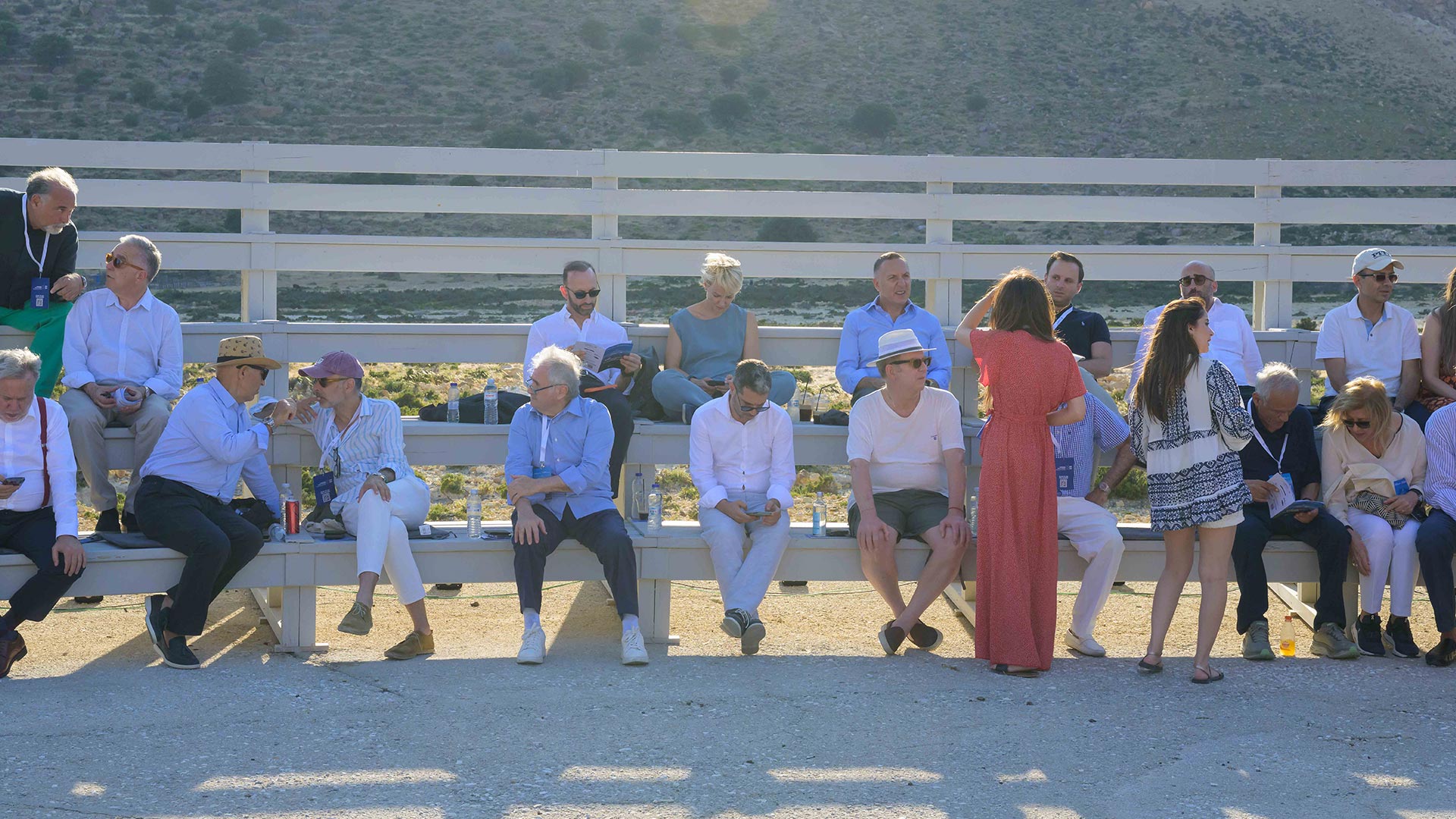
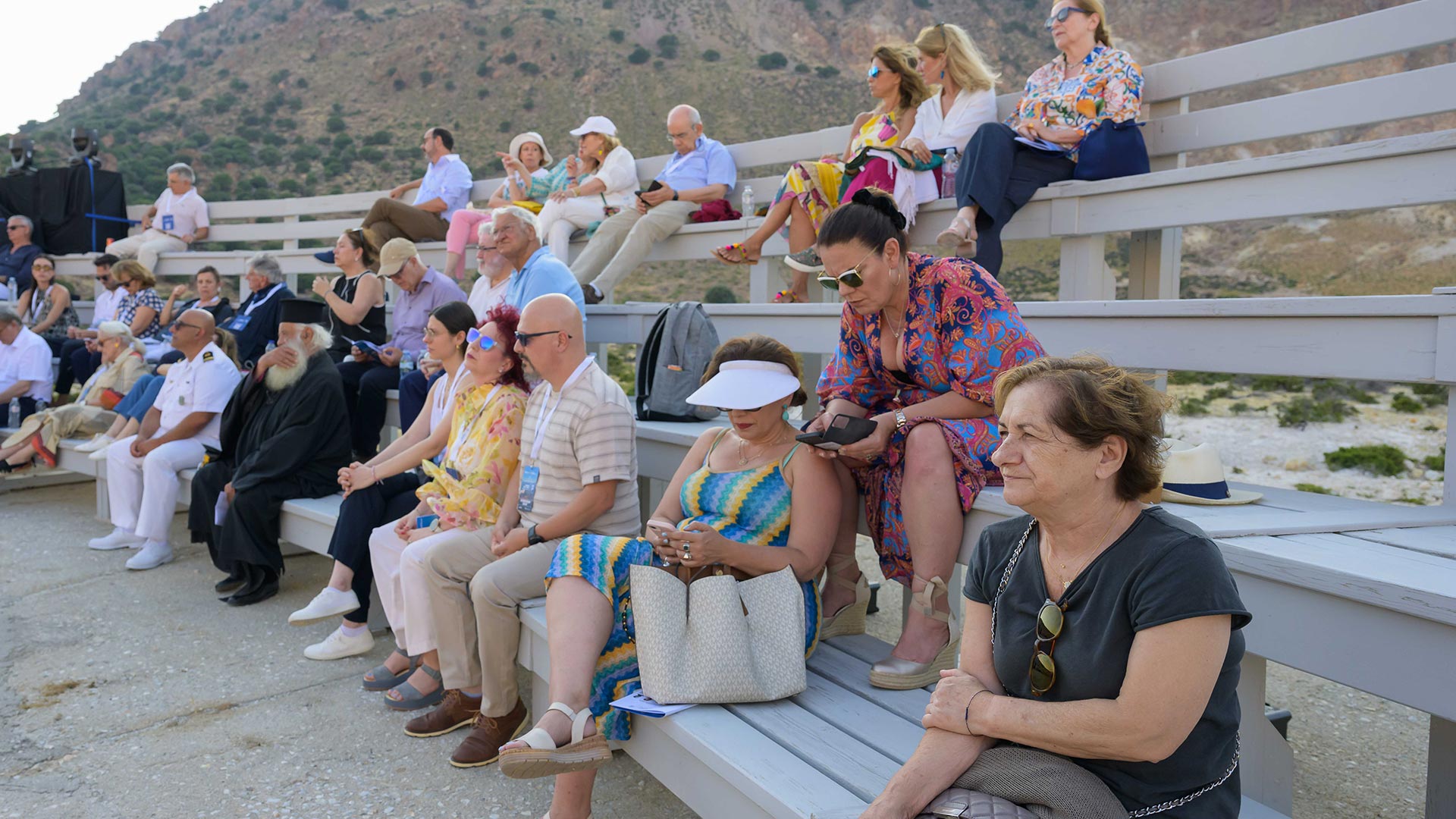
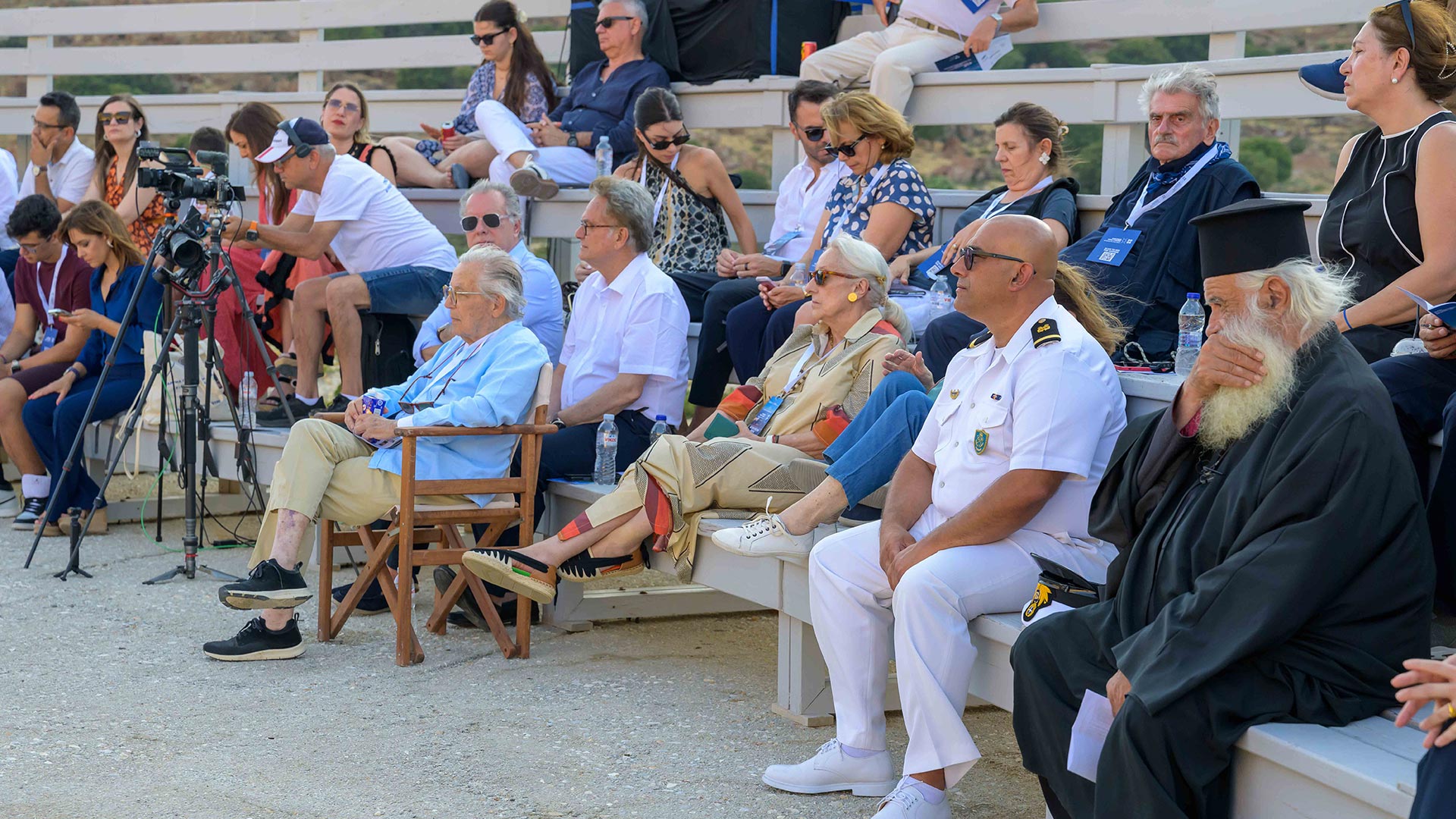
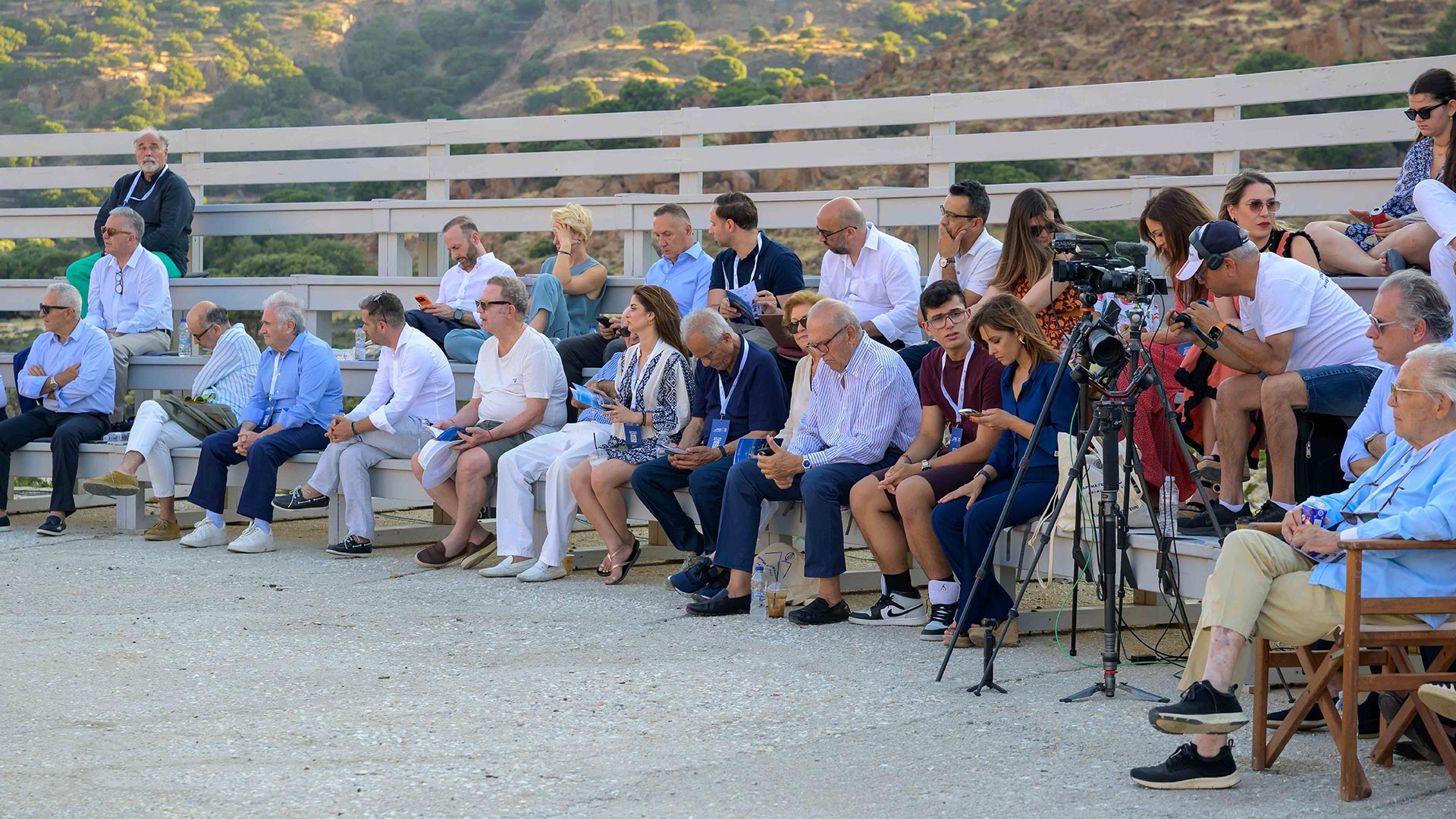
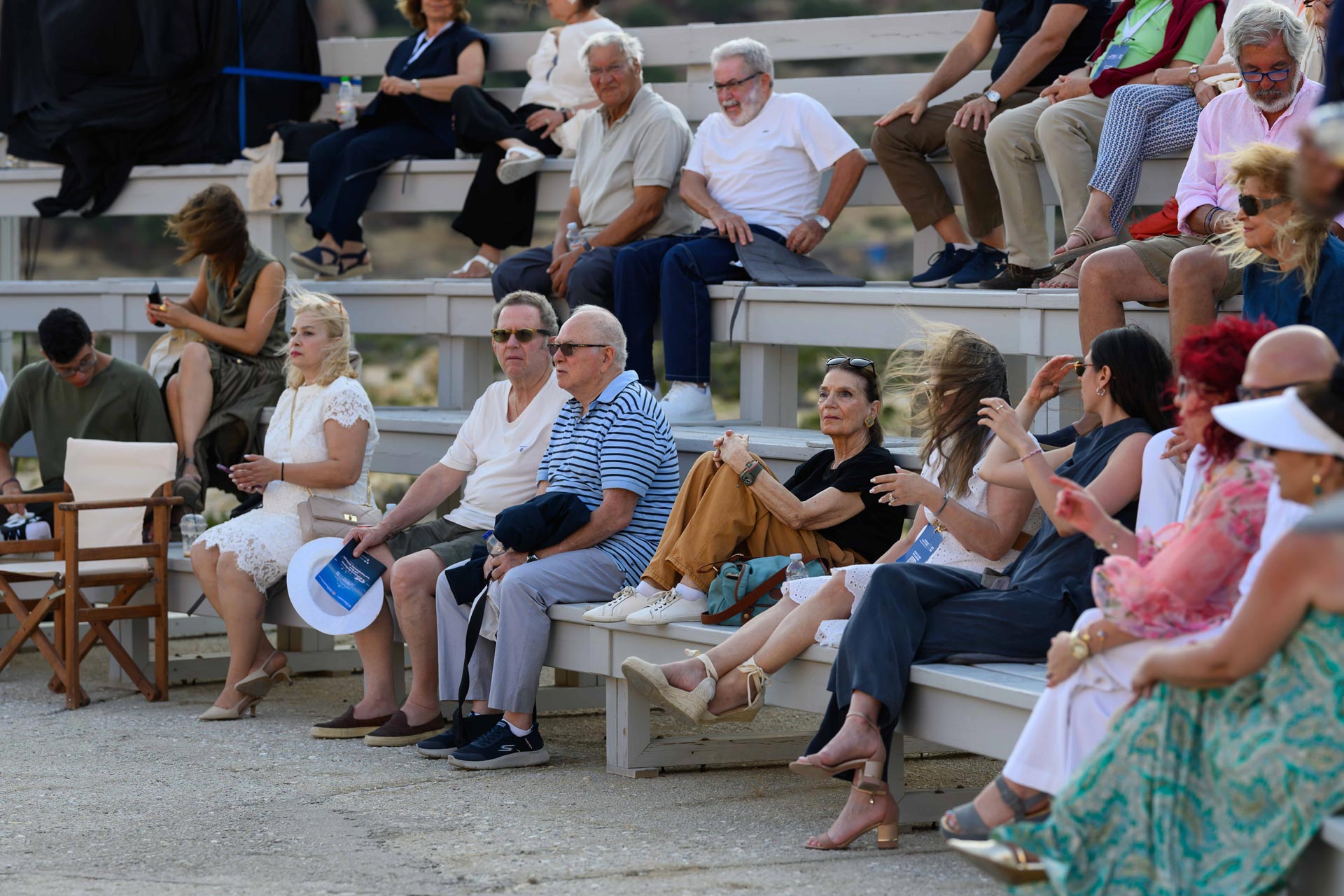
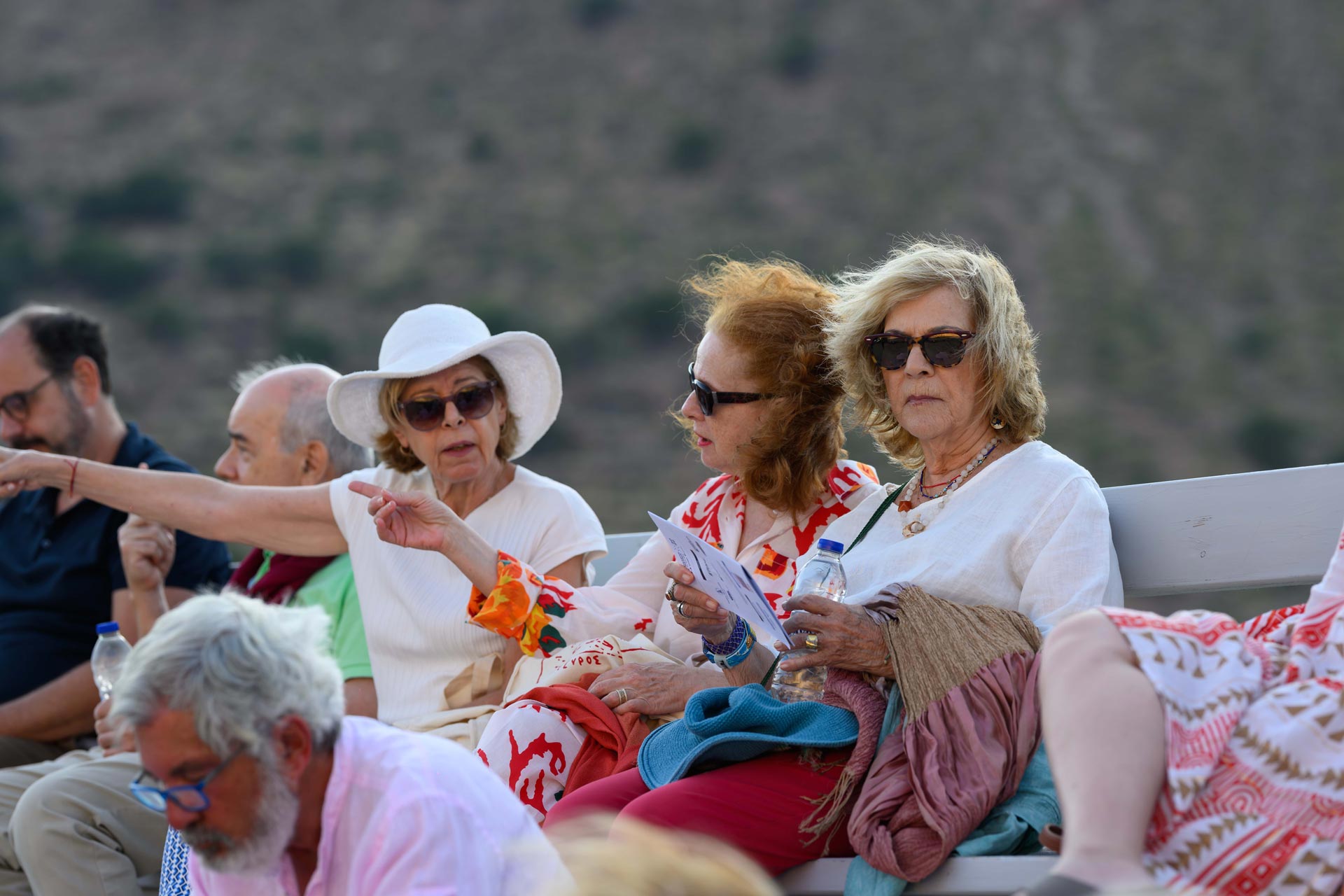
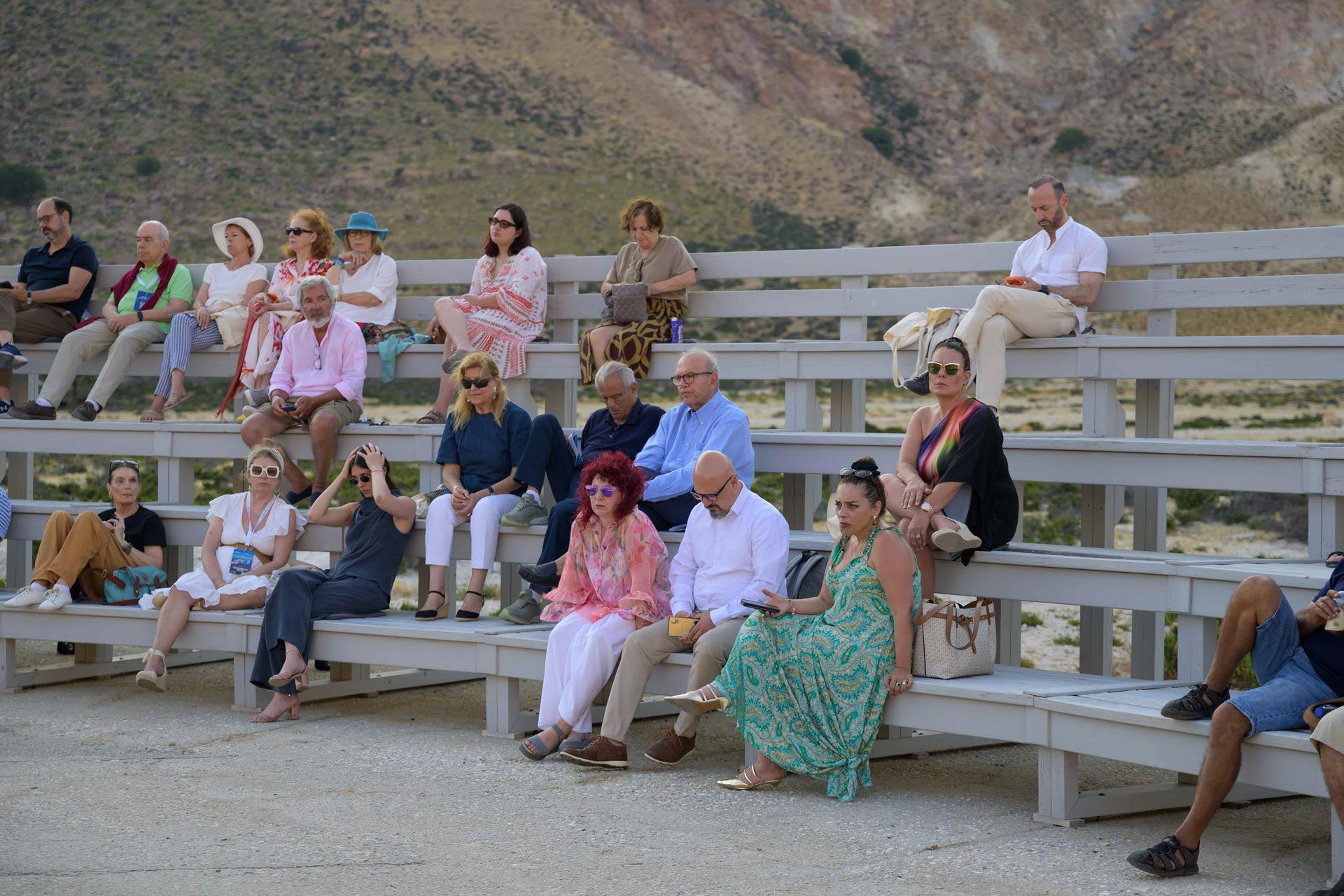
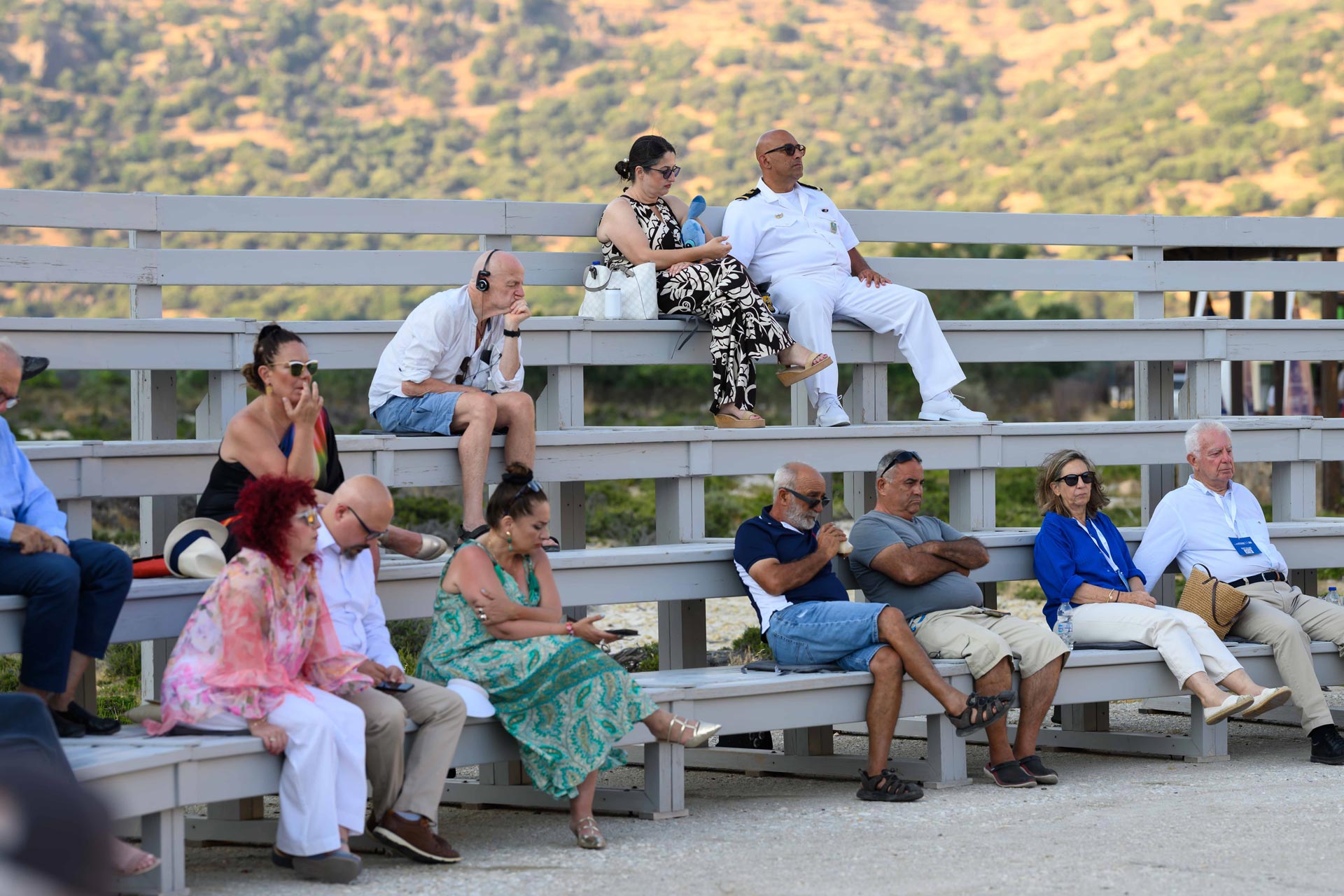
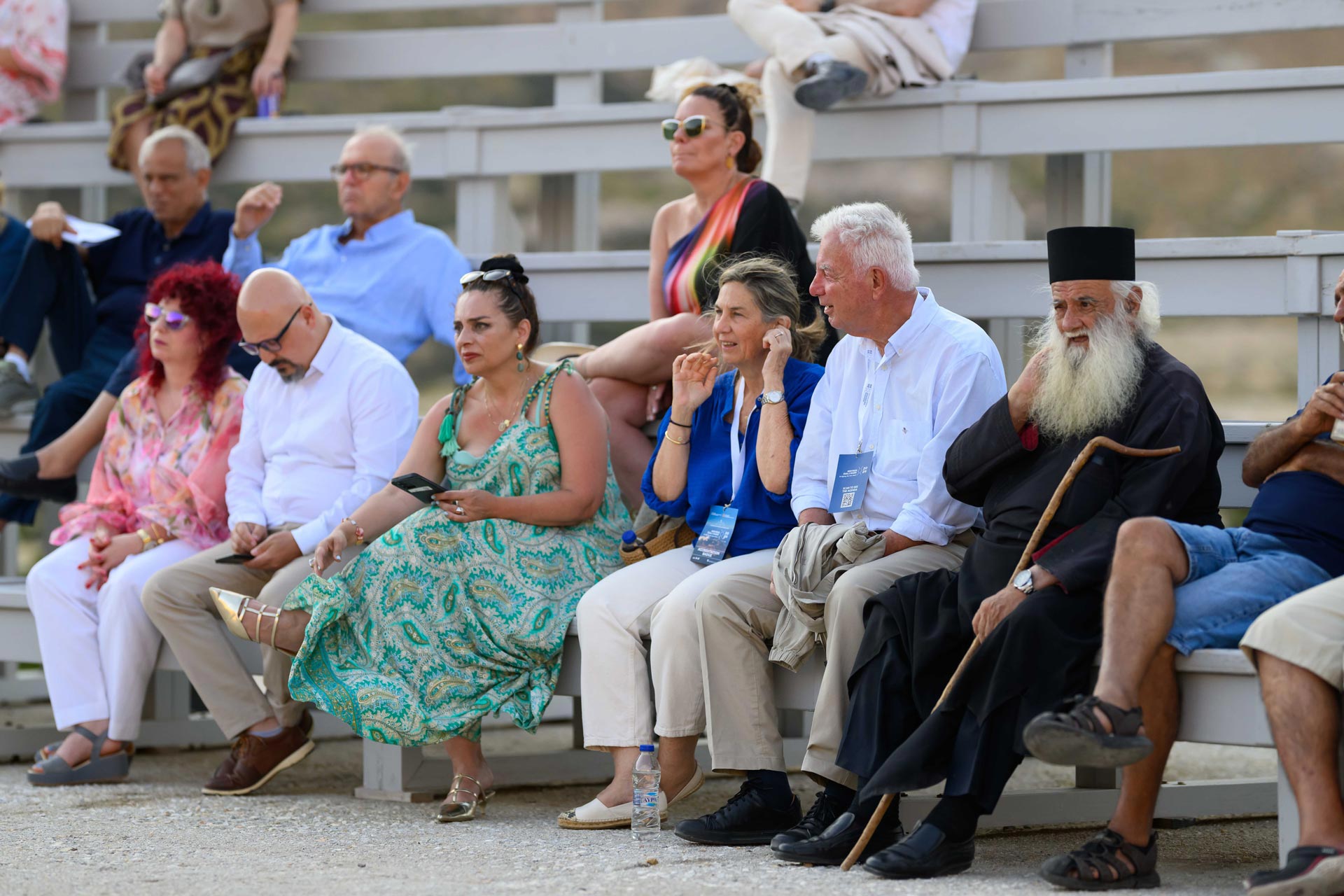
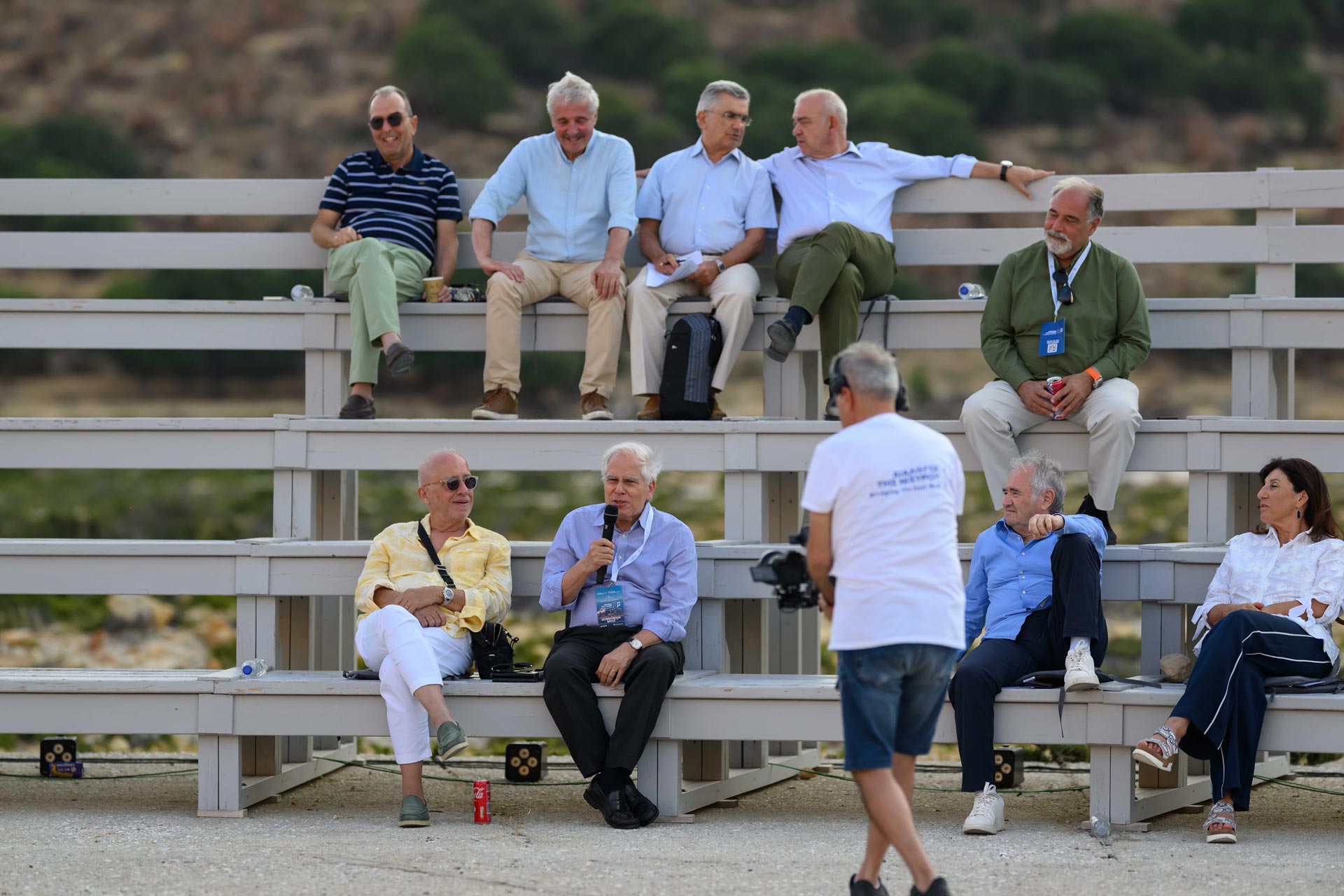
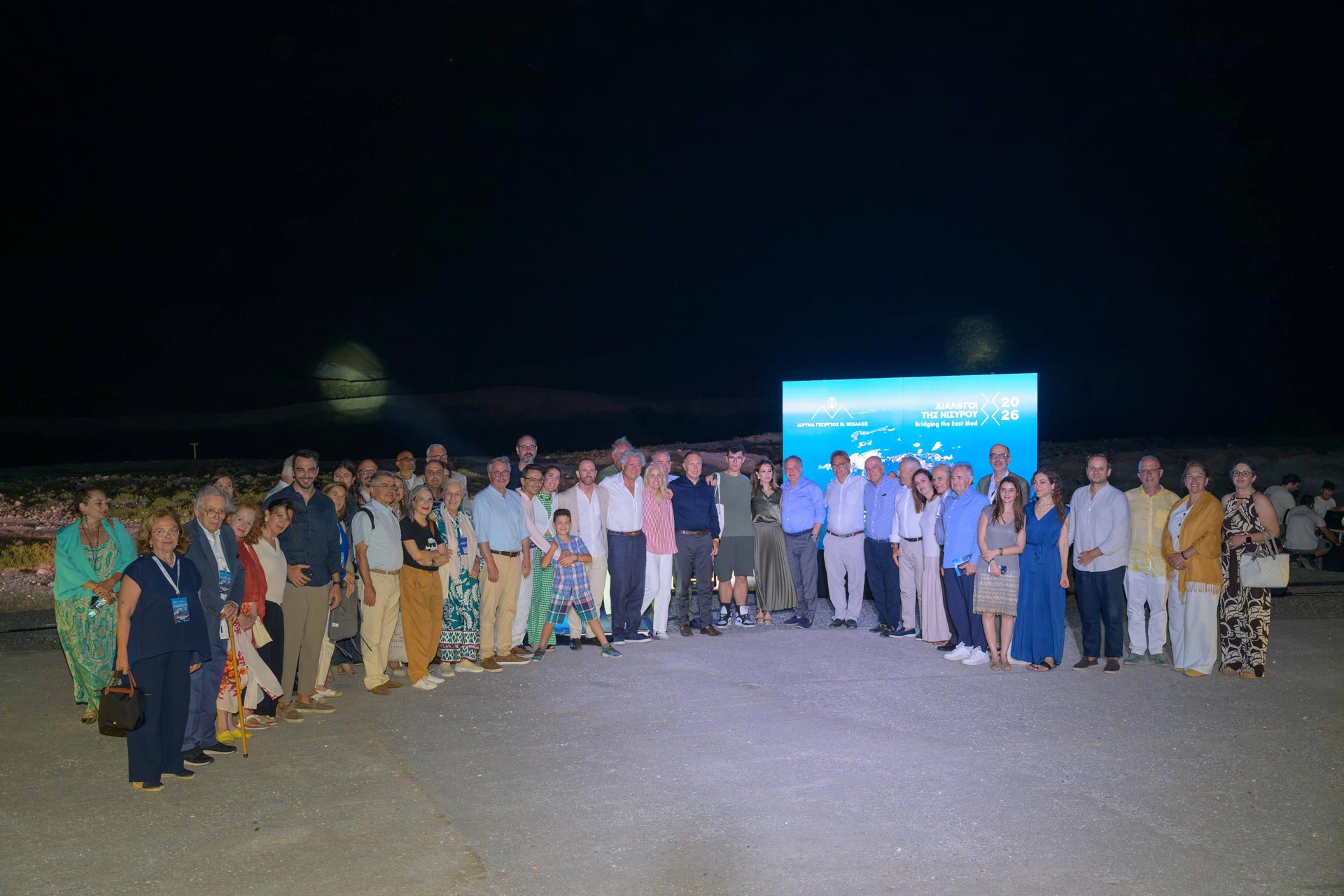
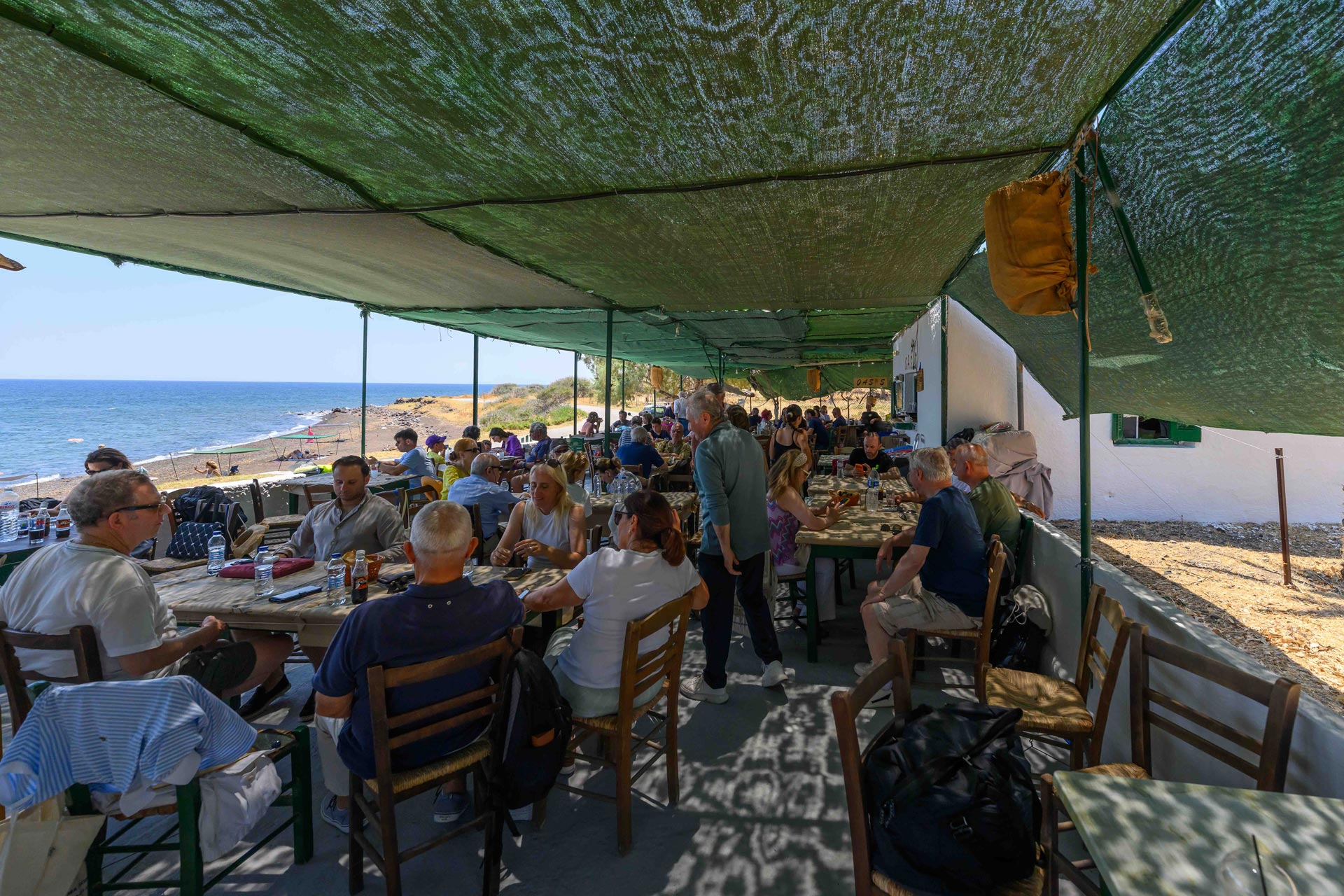
The «Nisyros Dialogues» which are under the permanent Αuspices of His All Holiness Ecumenical Patriarch Bartholomew and annually under the Αuspices of the Presidency of the Hellenic Republic, bring together representatives of Governments, the Political World and Civil Society, Diplomats, Academics, Technocrats, Business Leaders, high-ranking Executives, from Greece and abroad and experienced journalists with longstanding careers in Greek and international media.
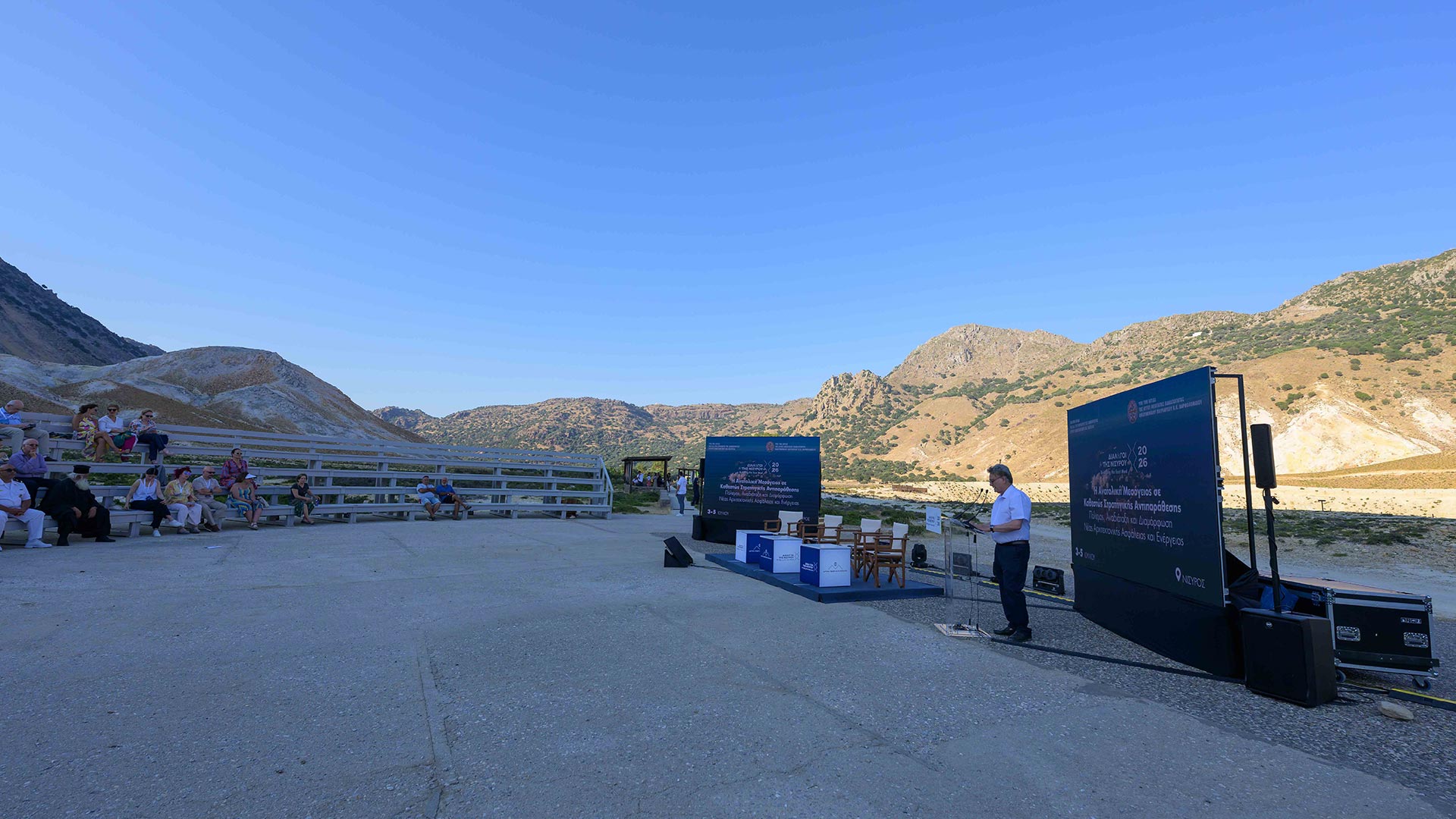
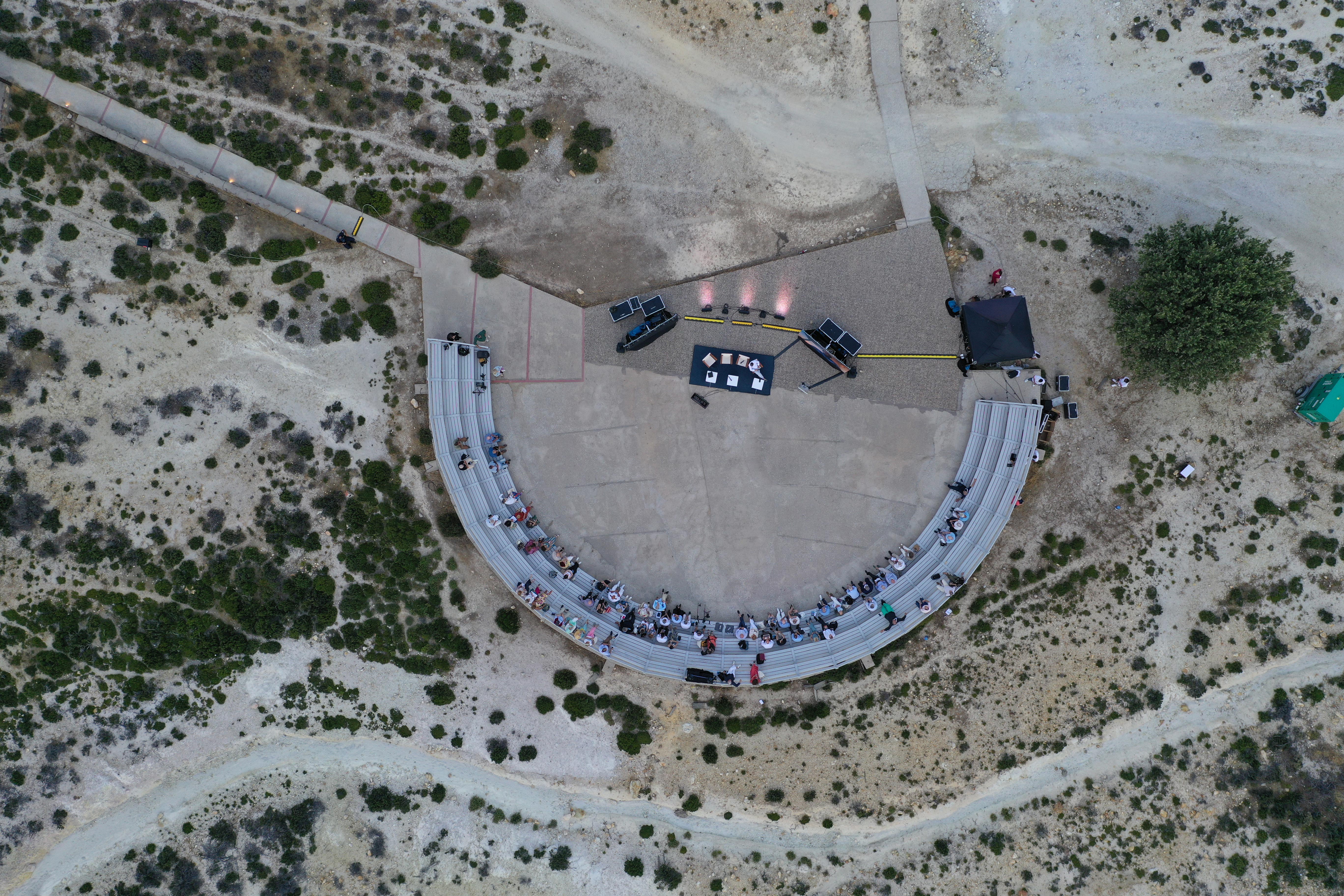
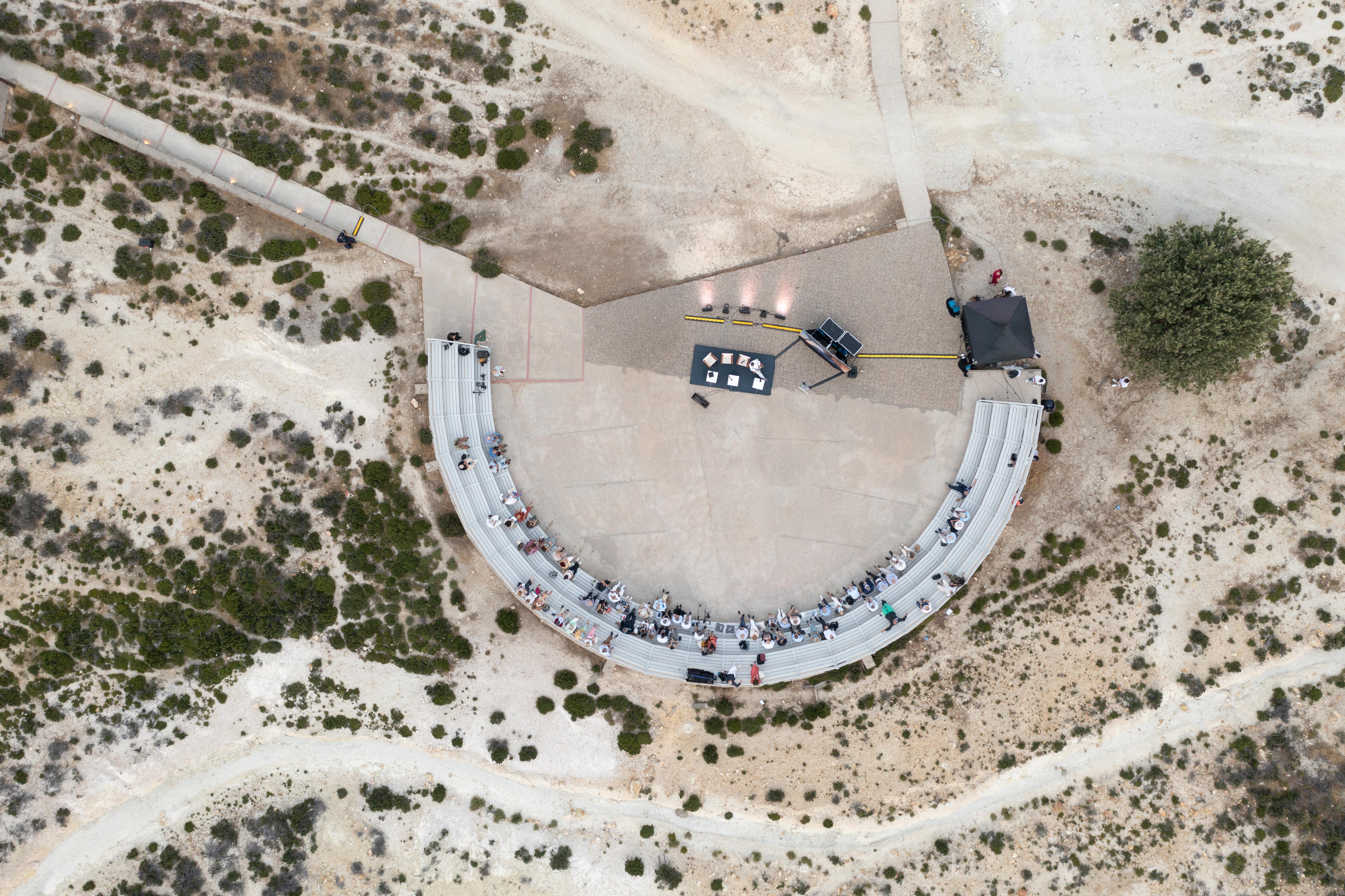
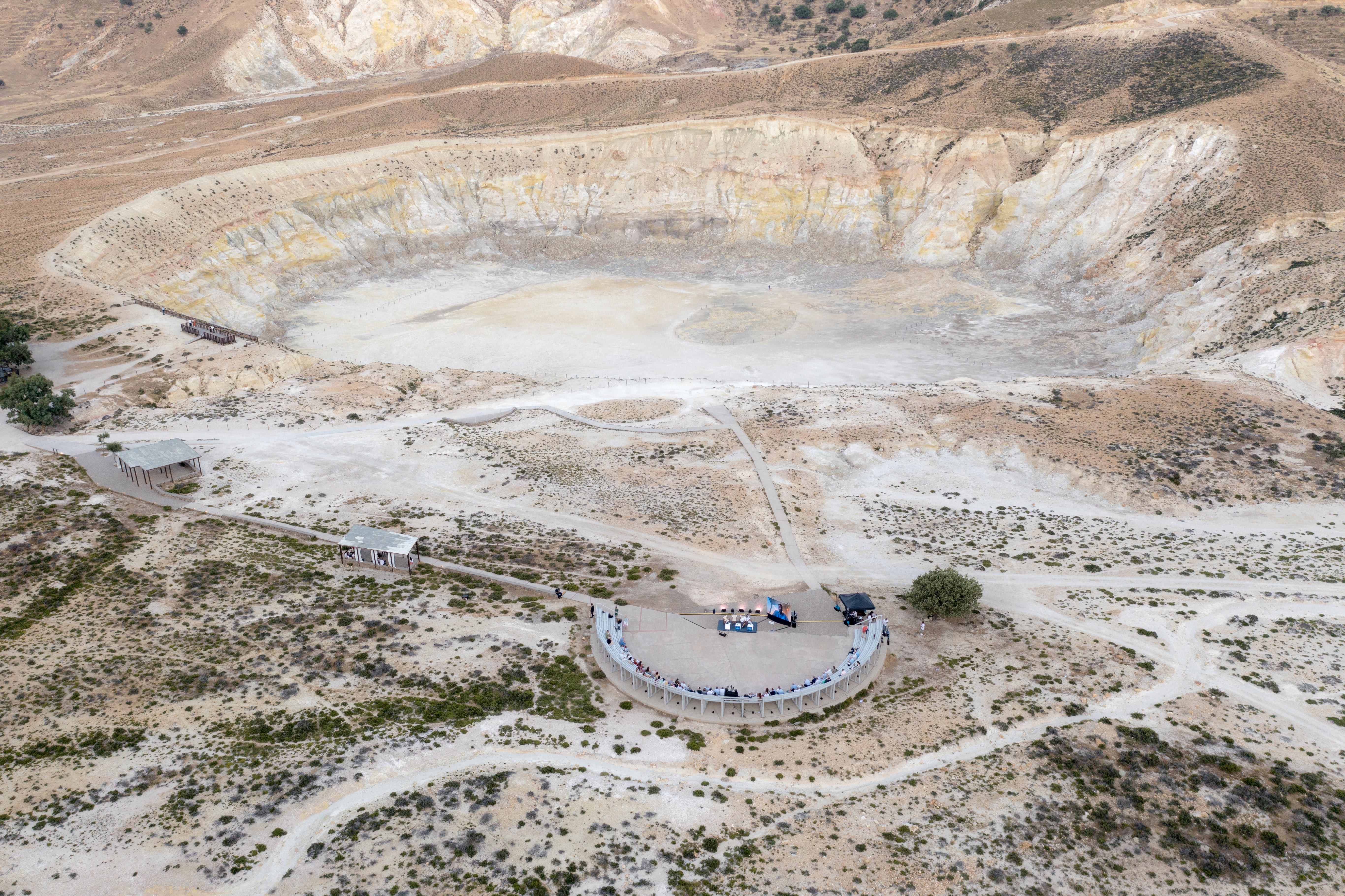
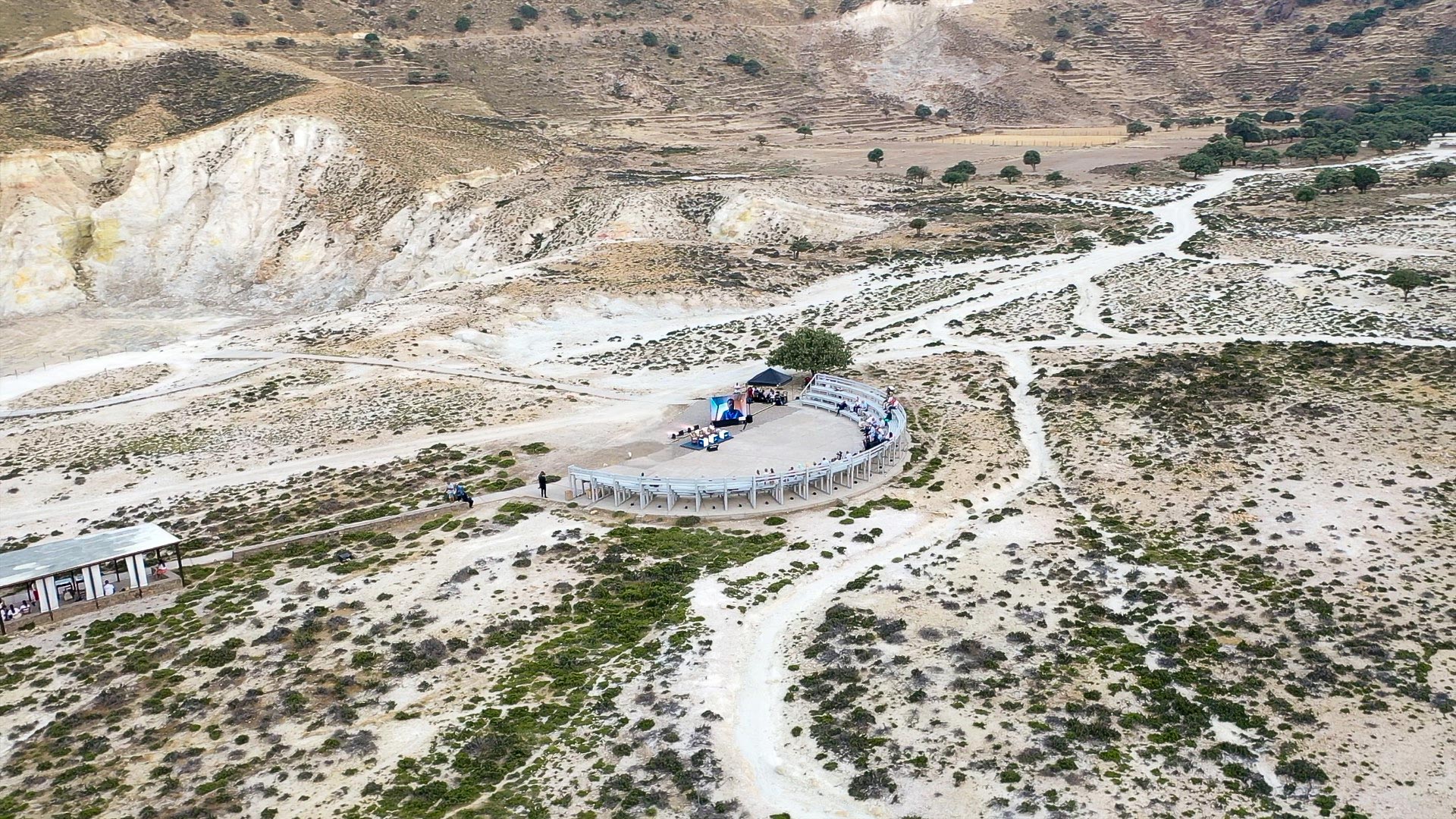
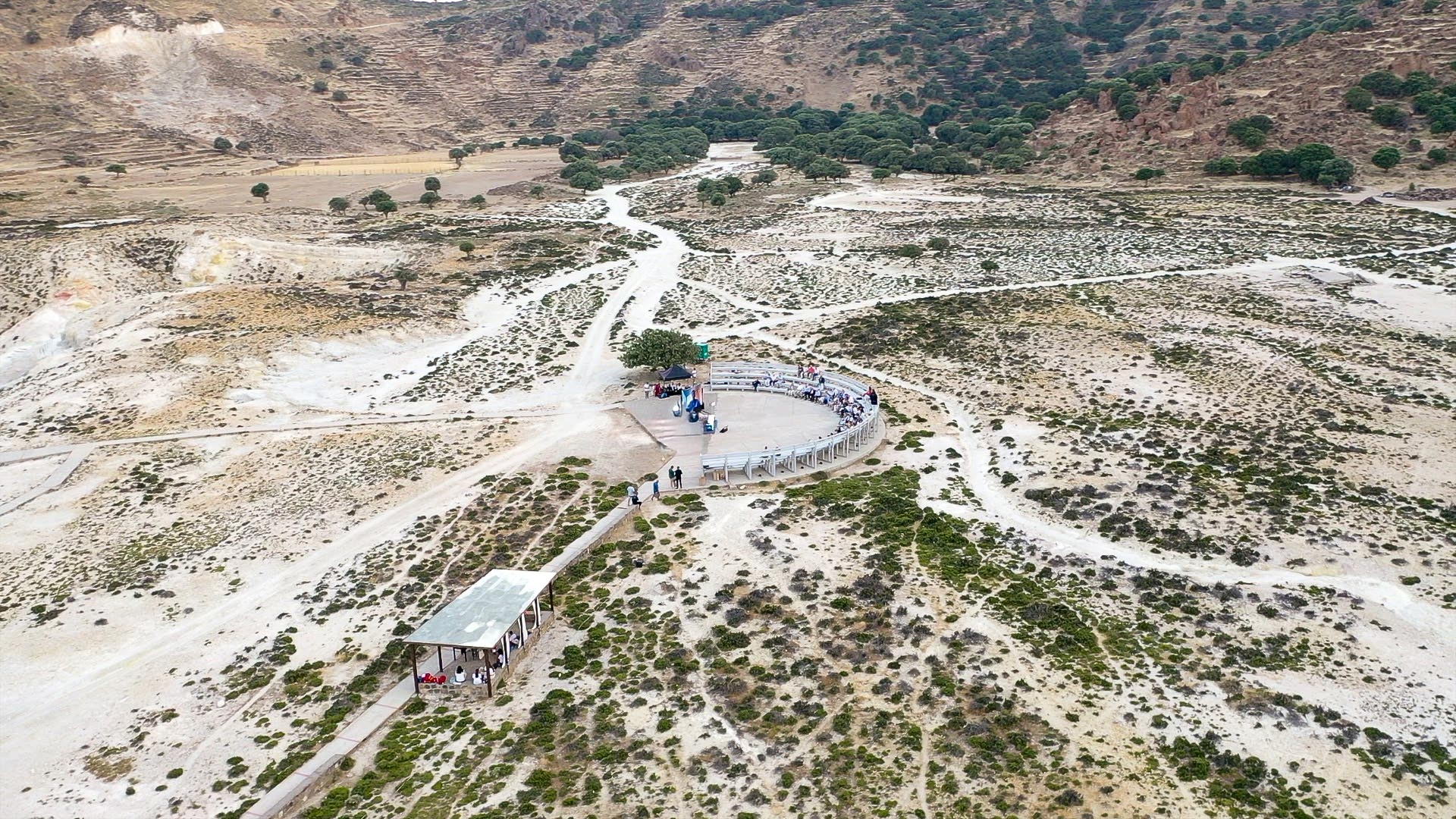
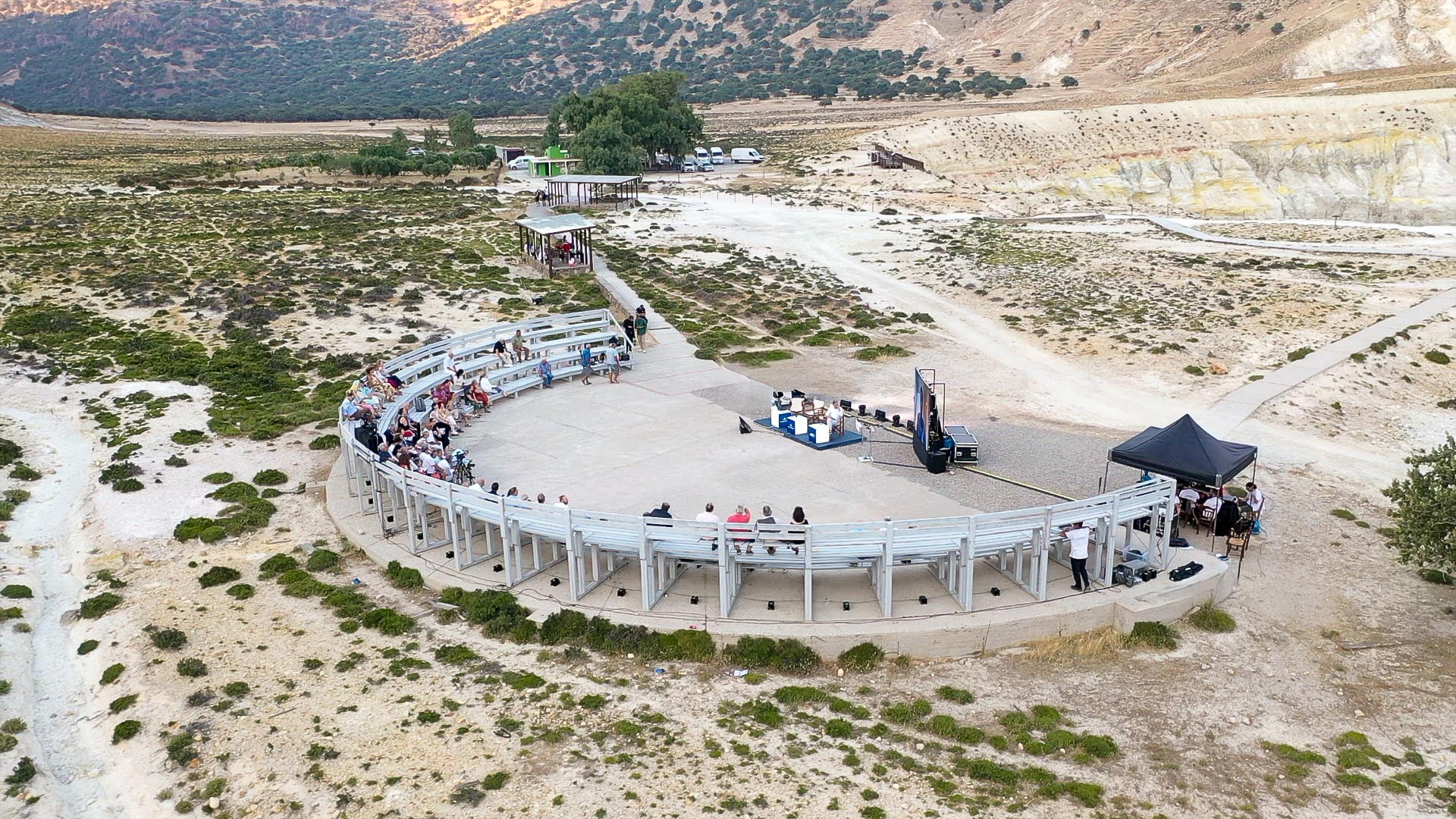
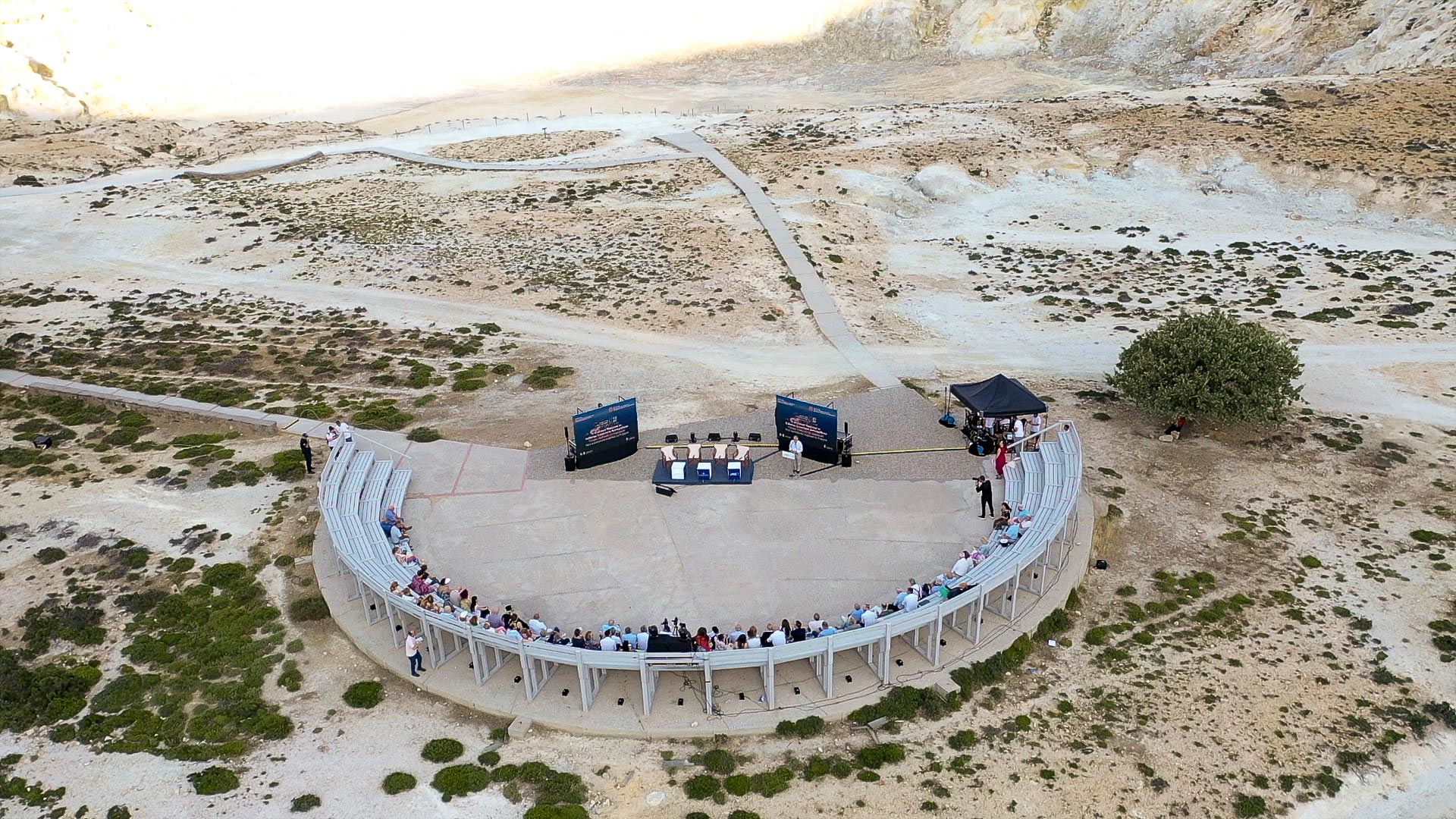
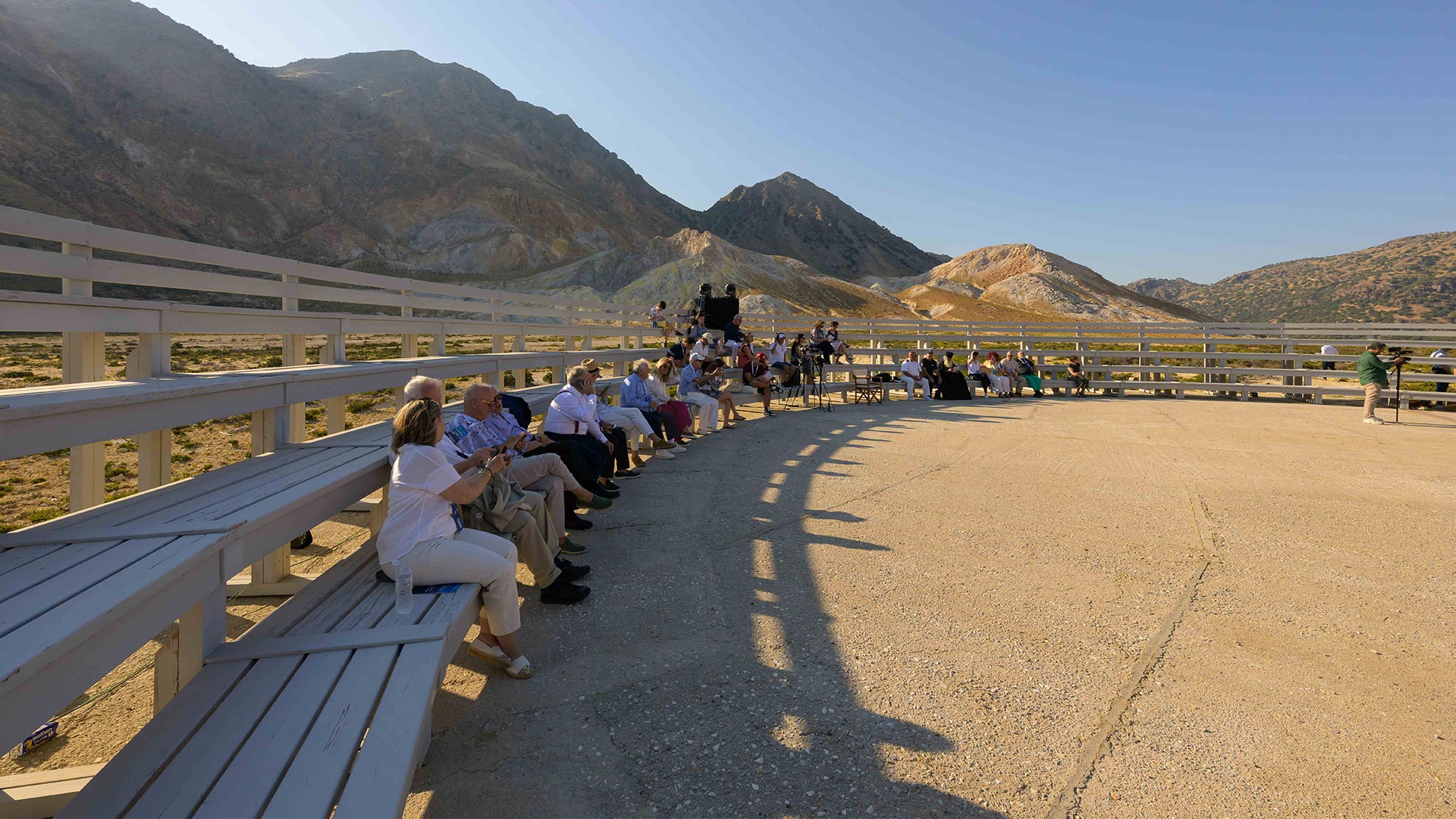
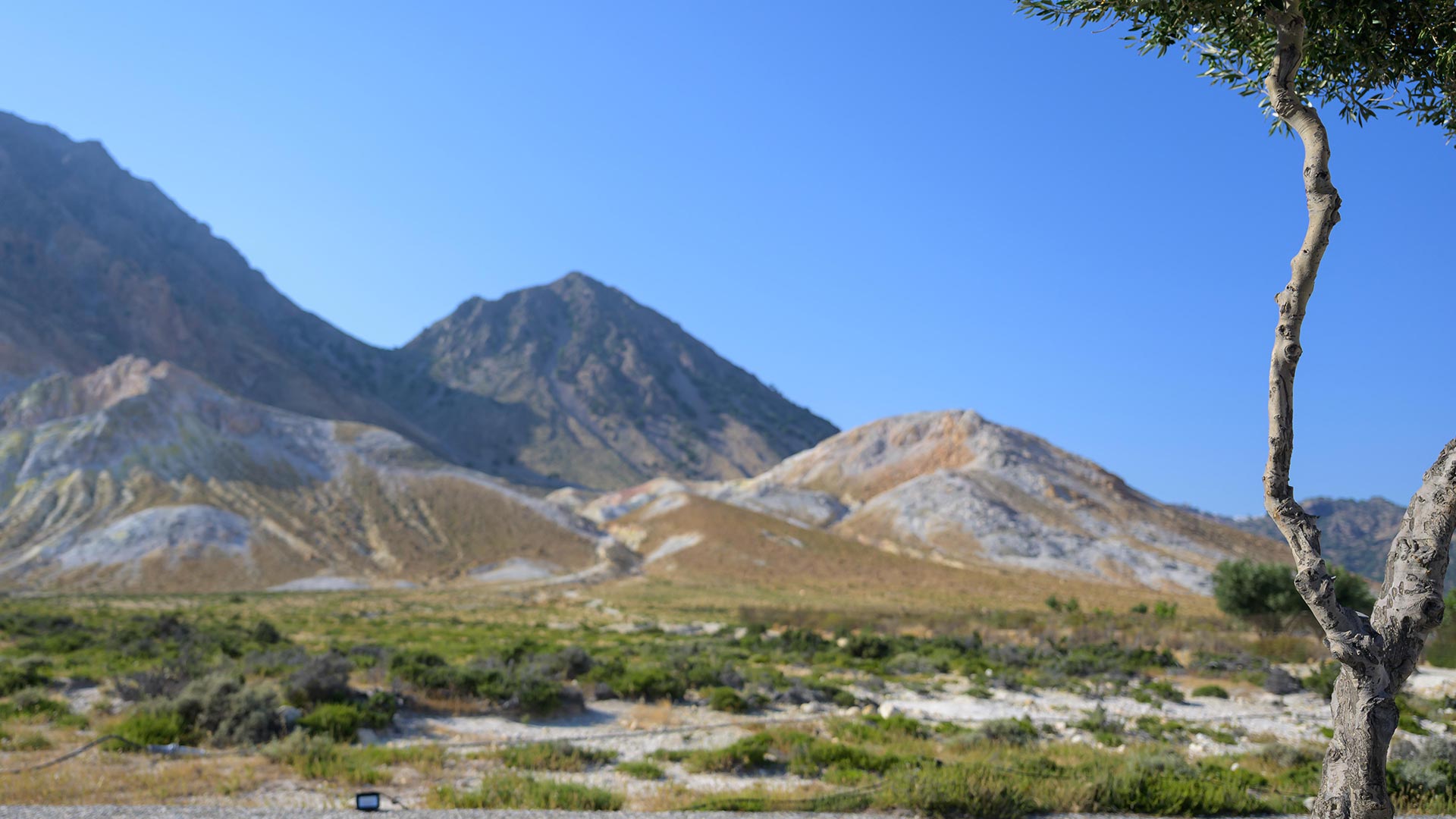
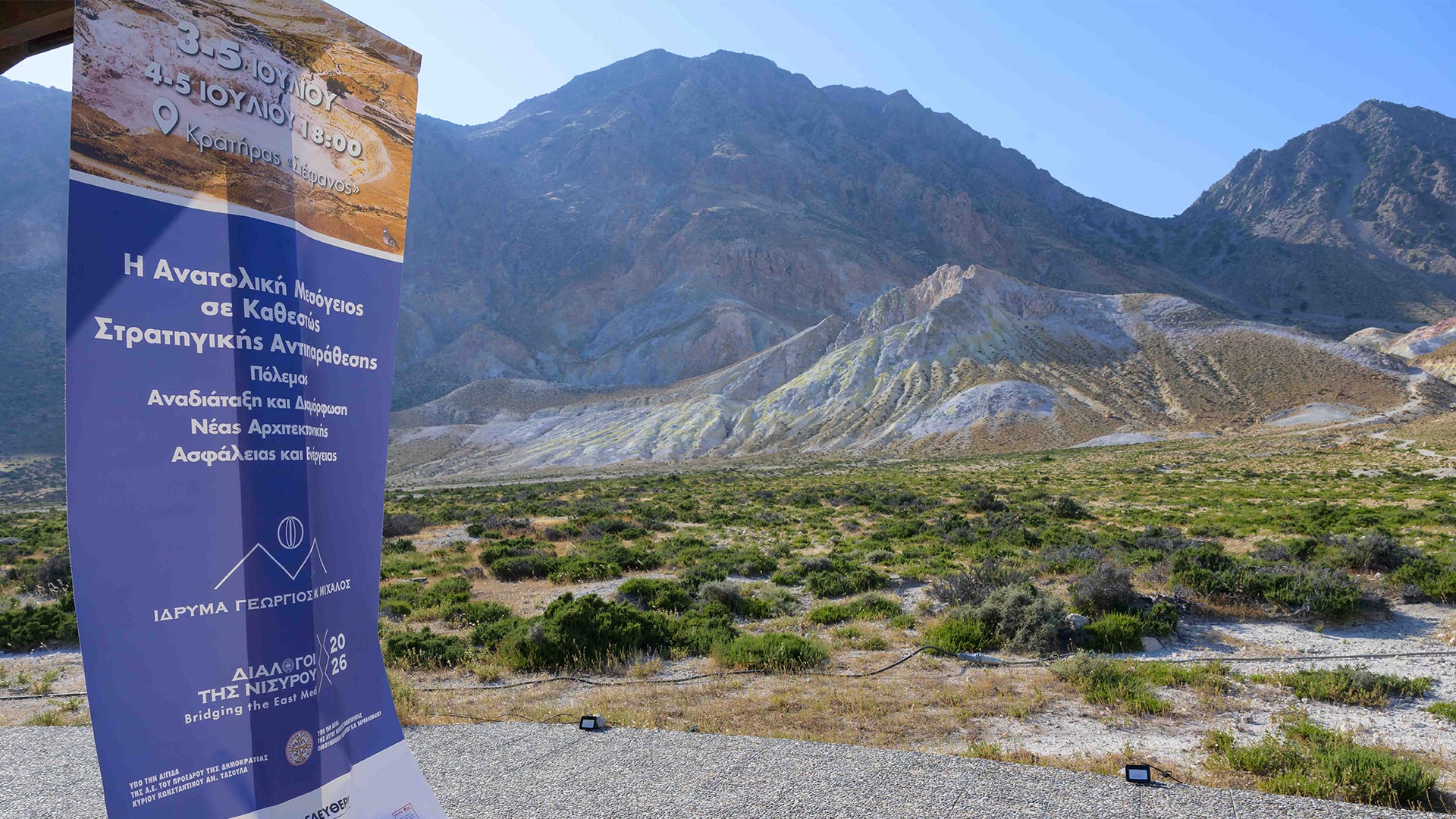
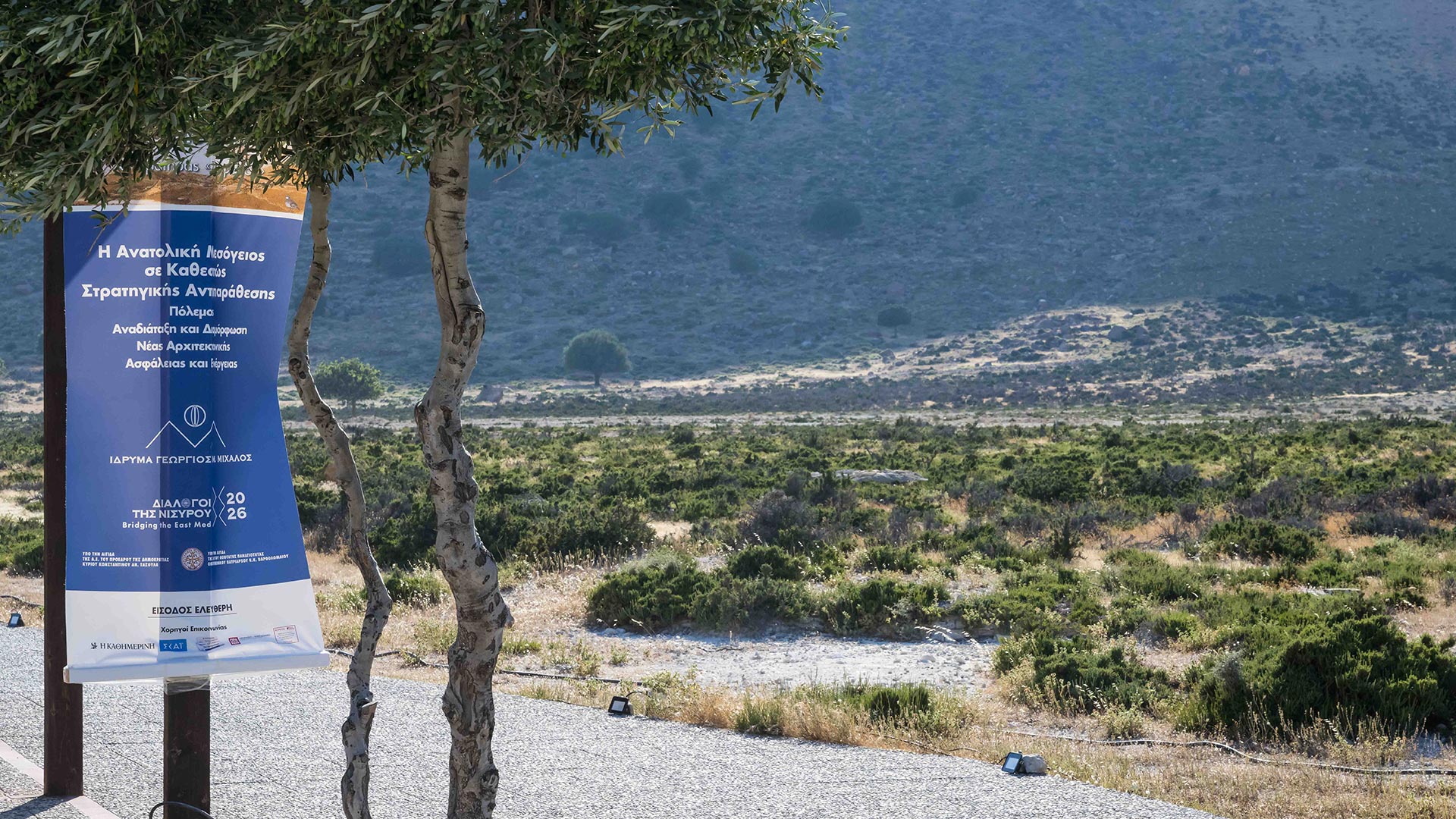
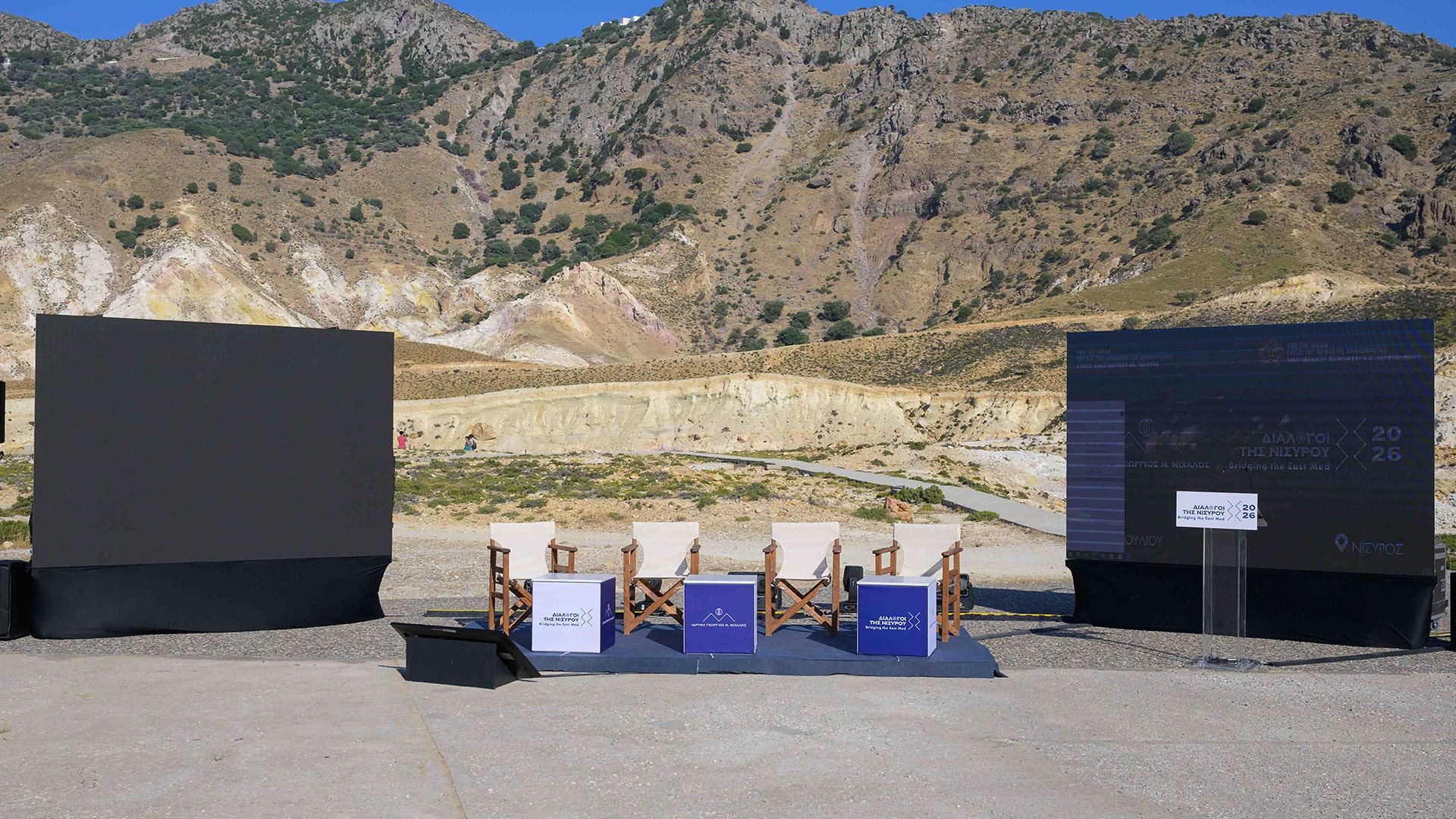
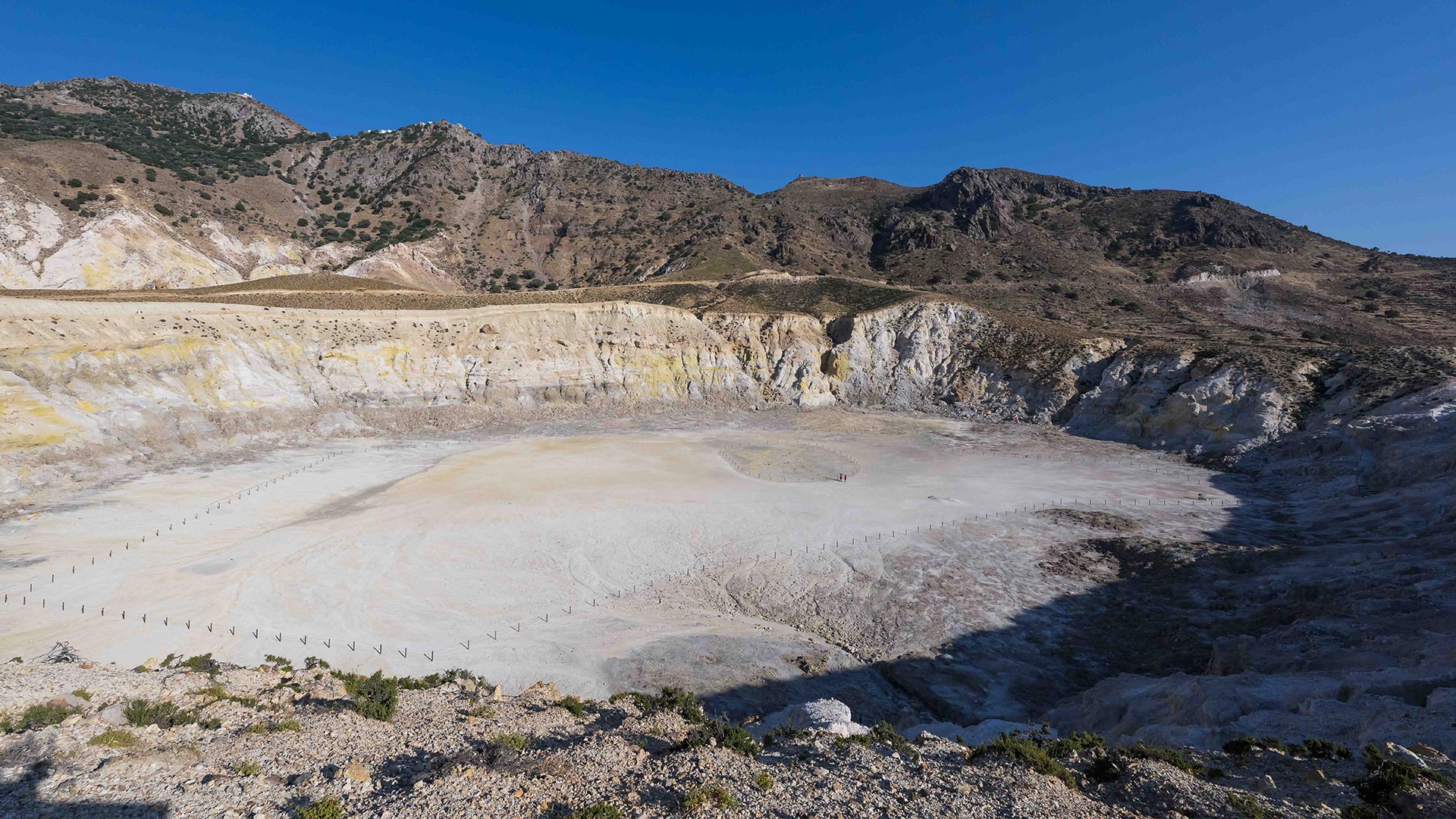
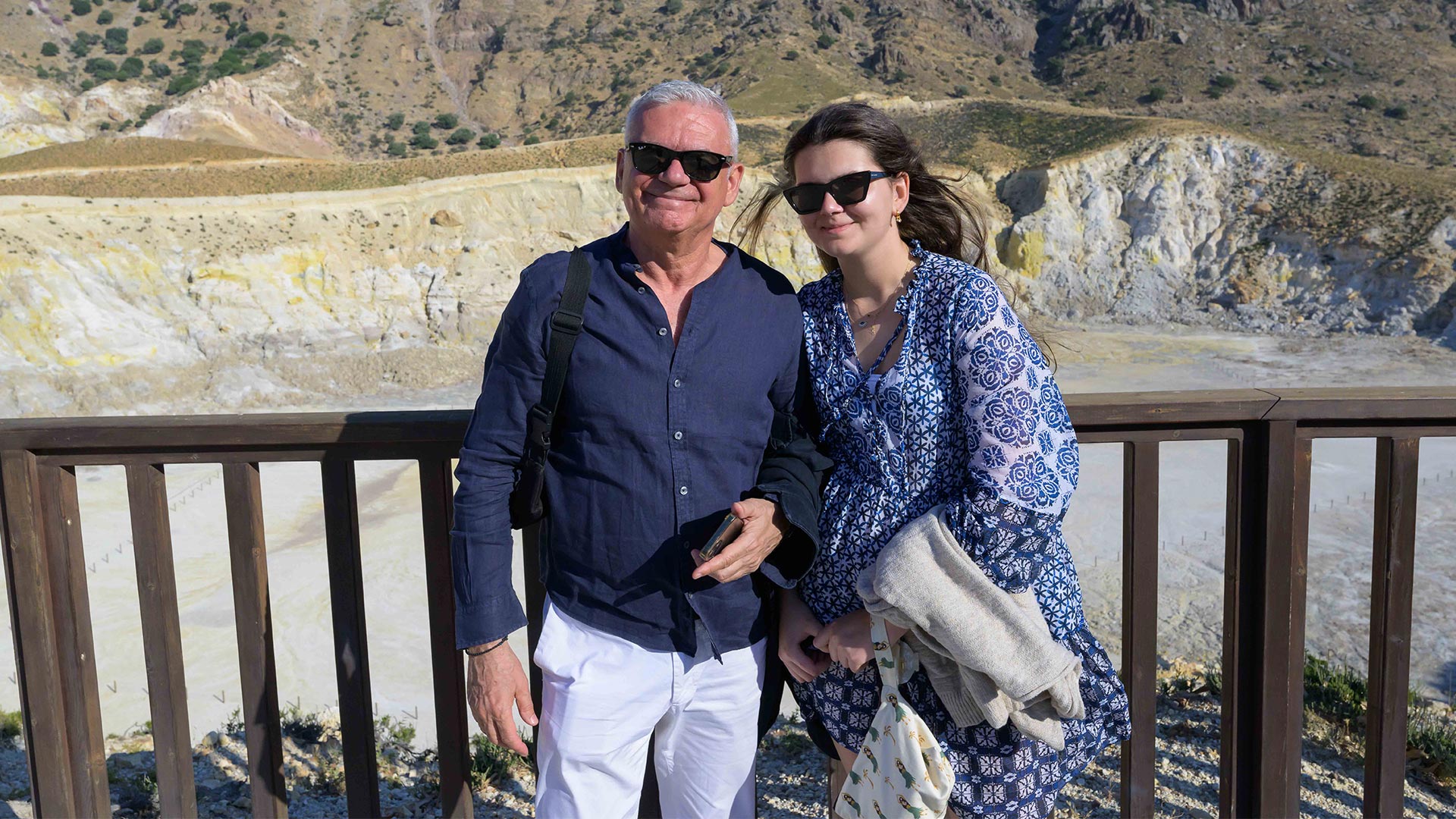
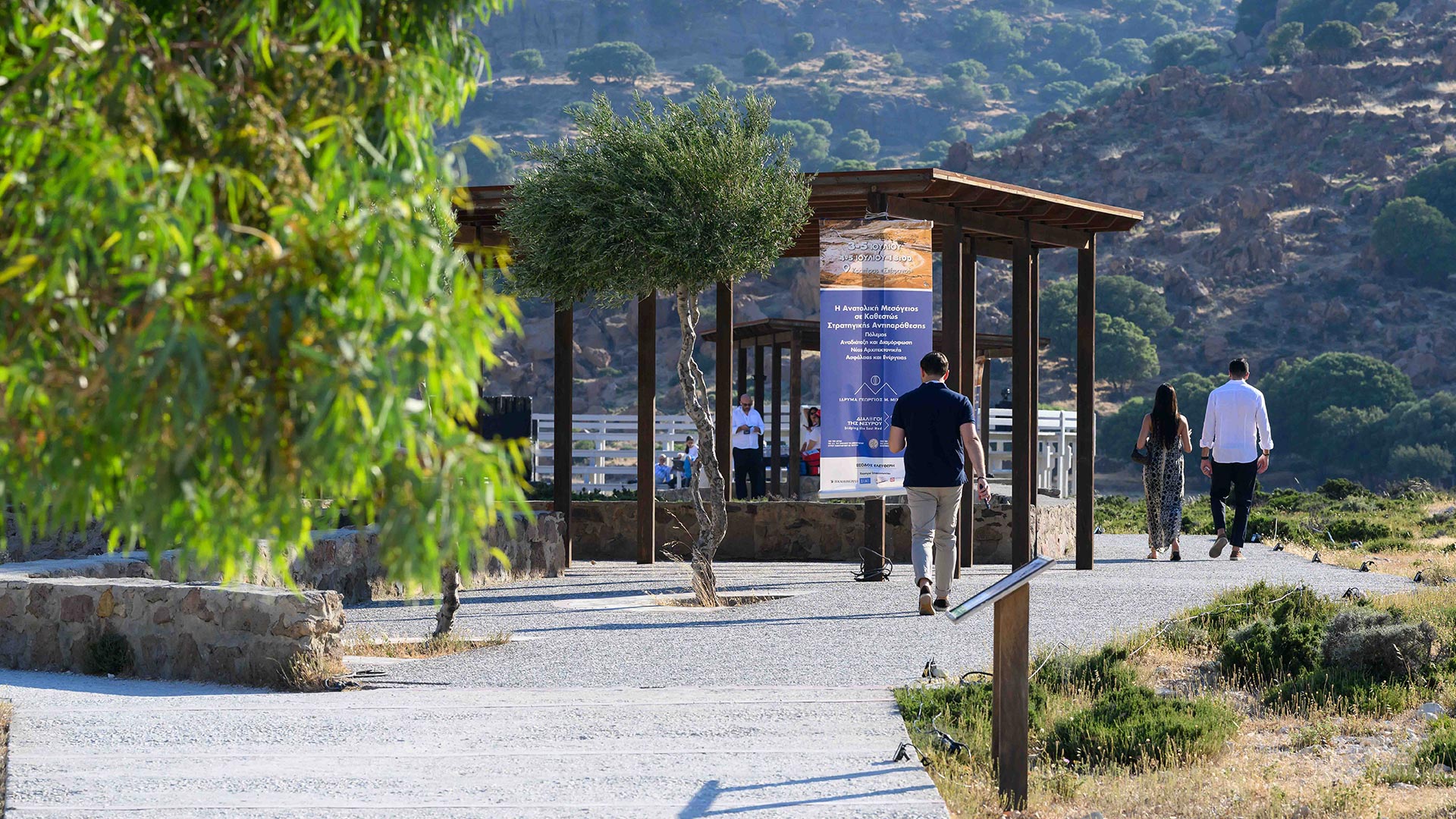
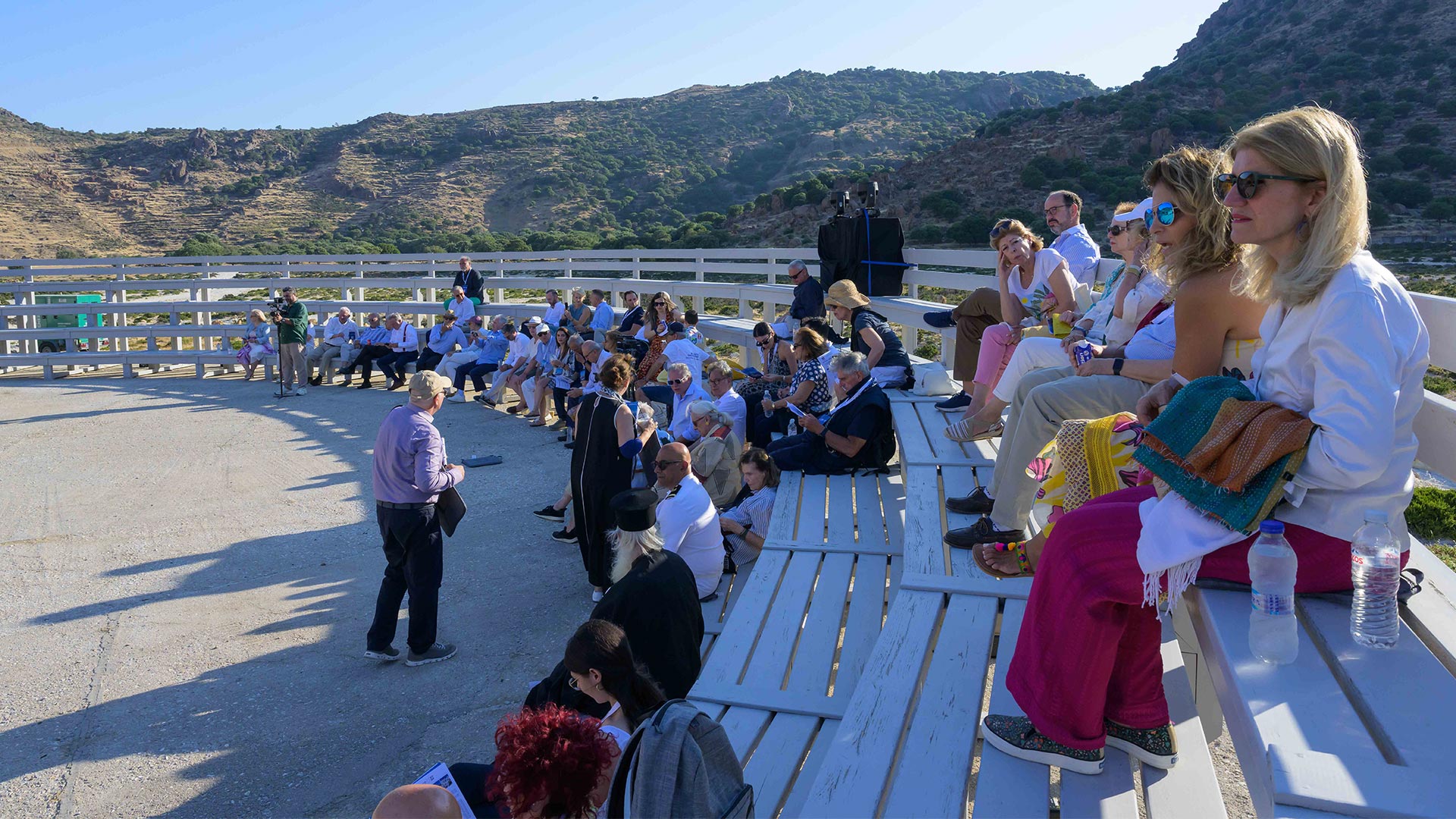
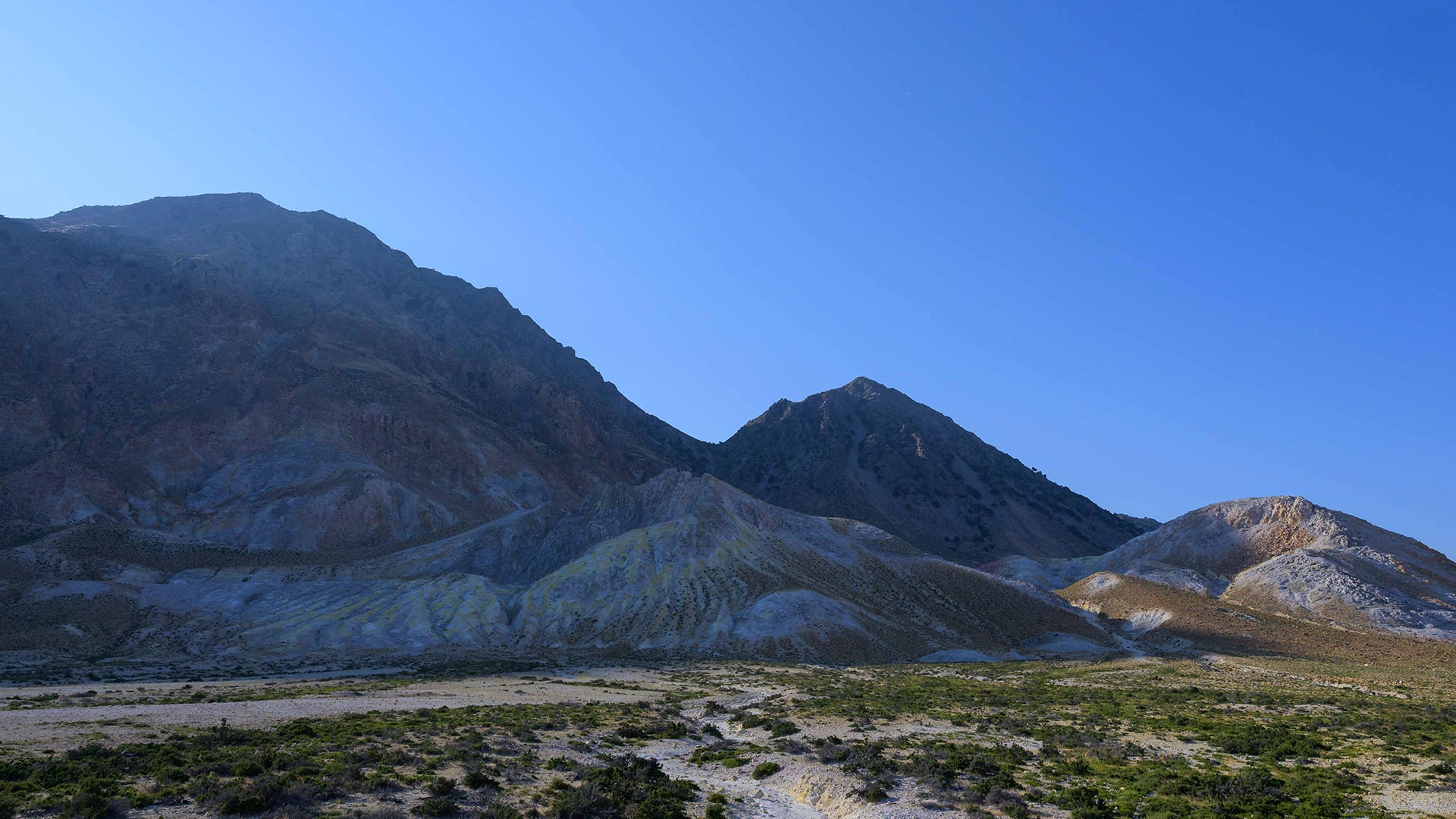
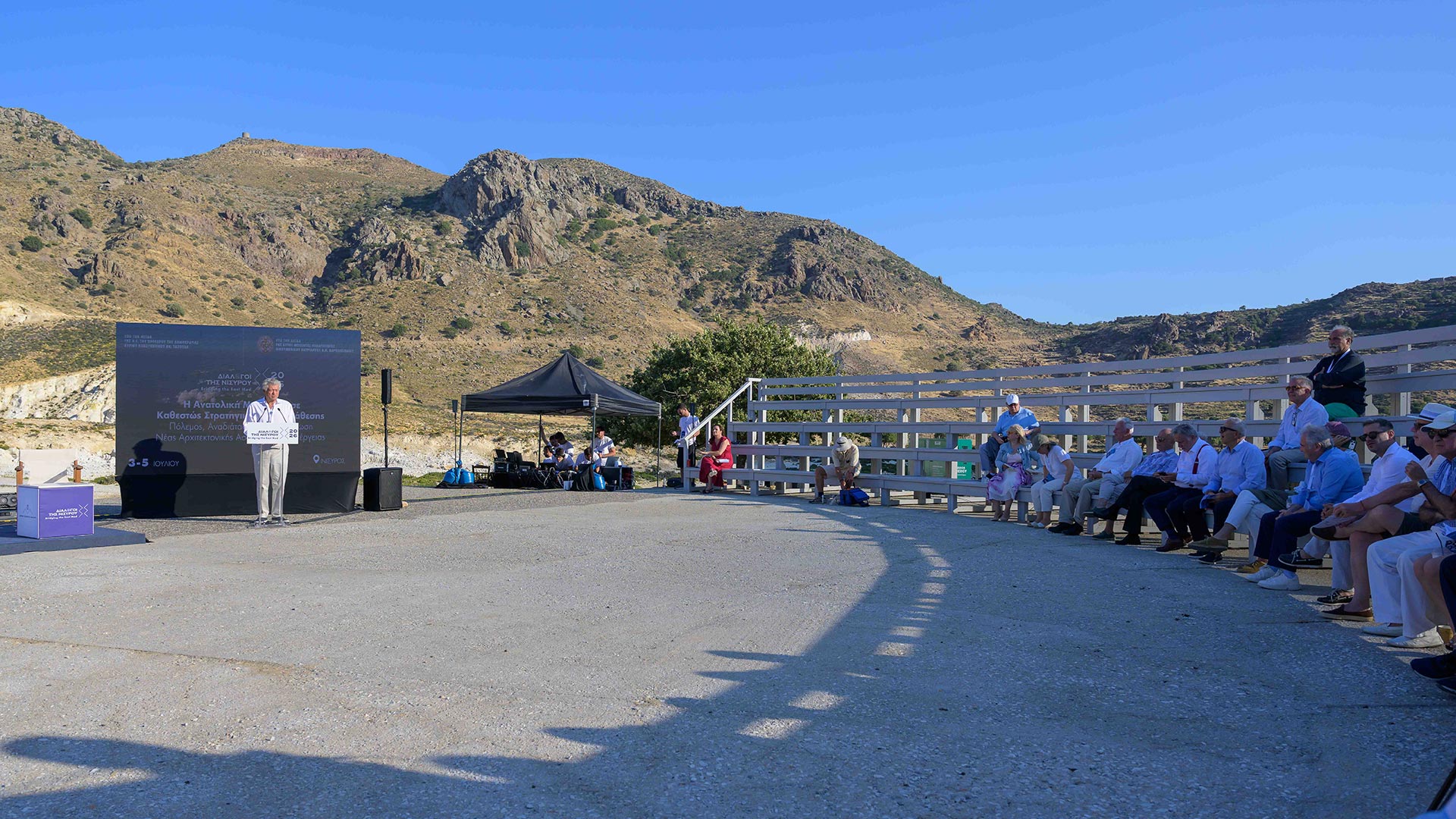
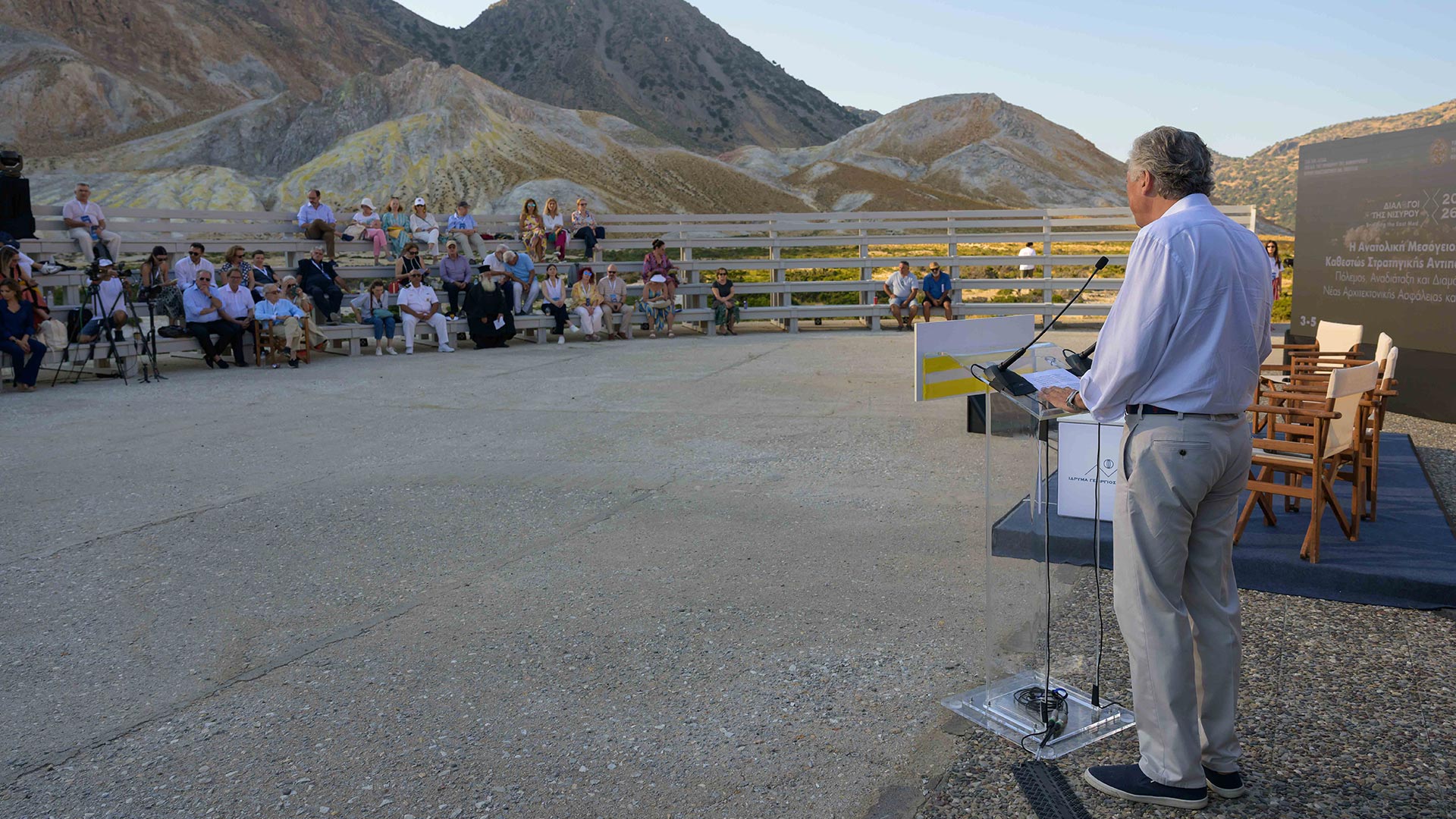
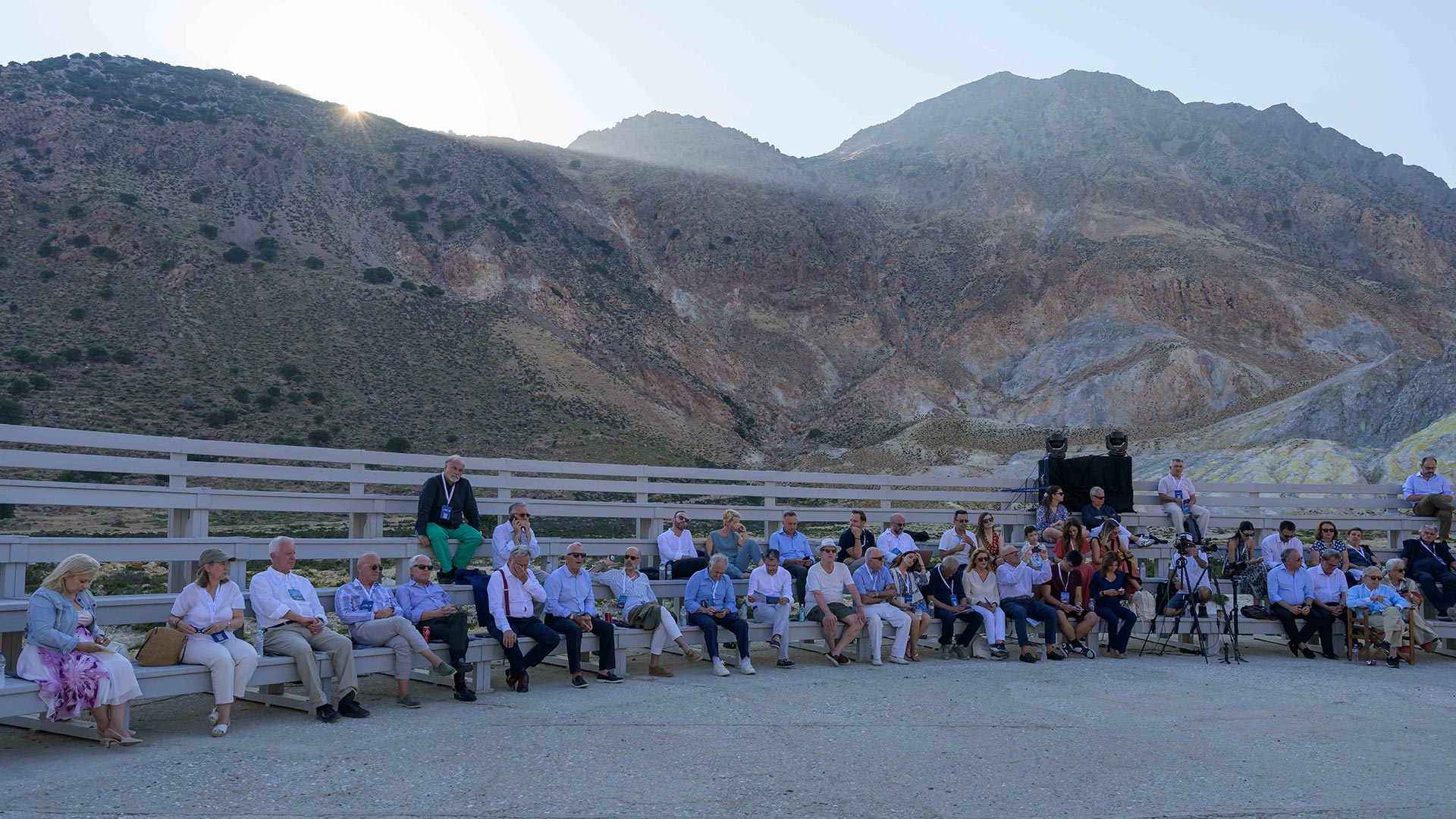
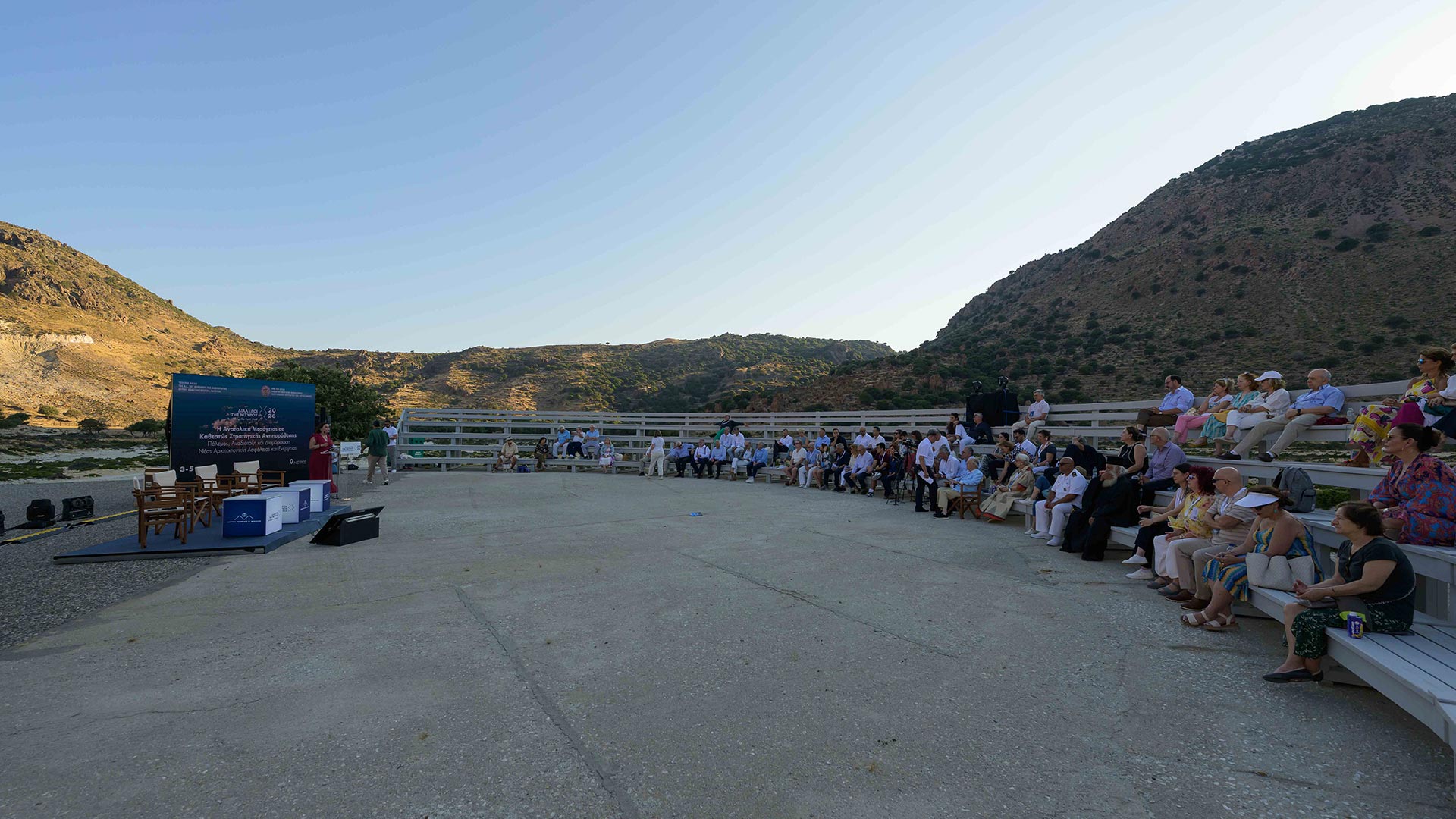
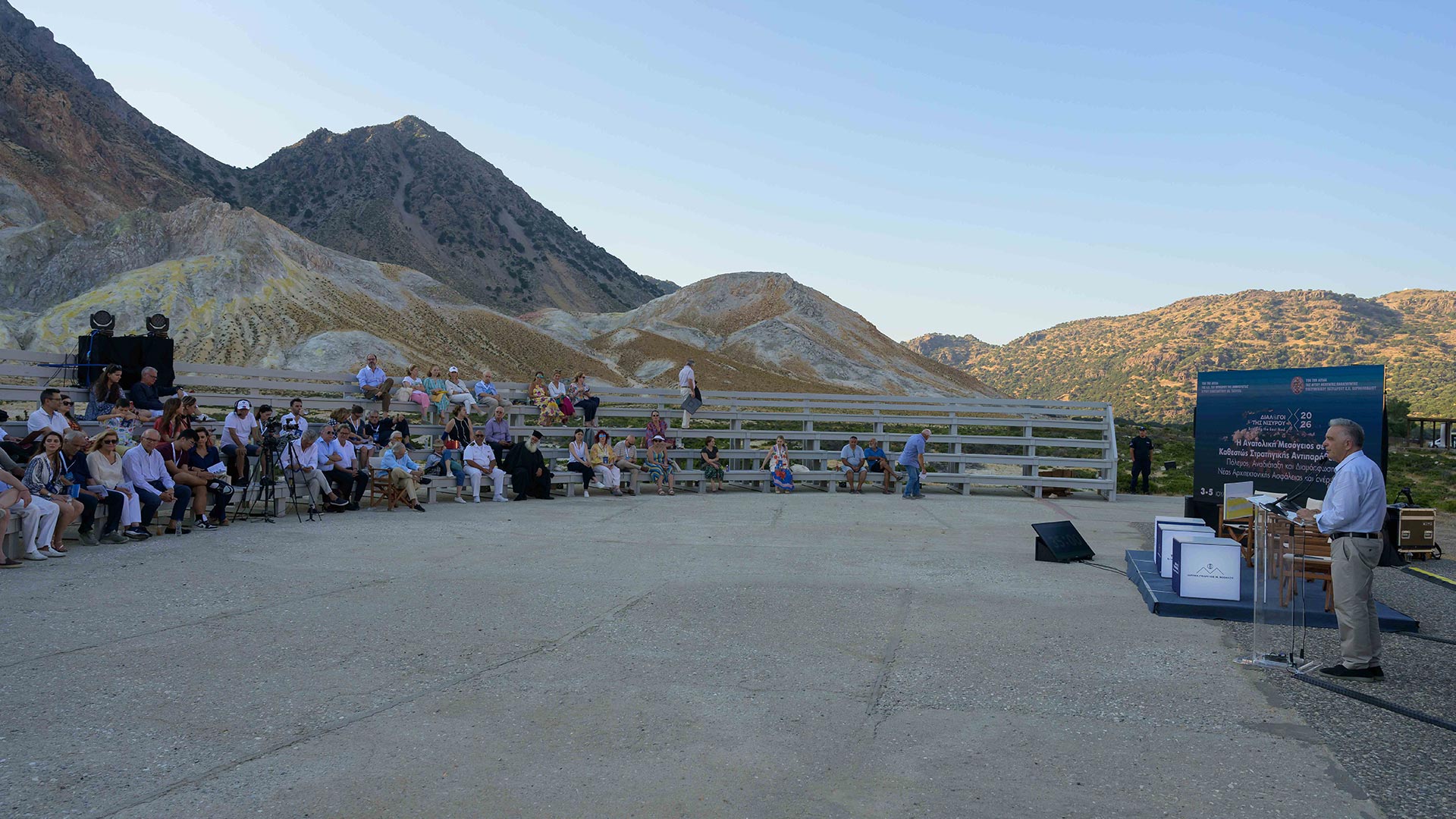
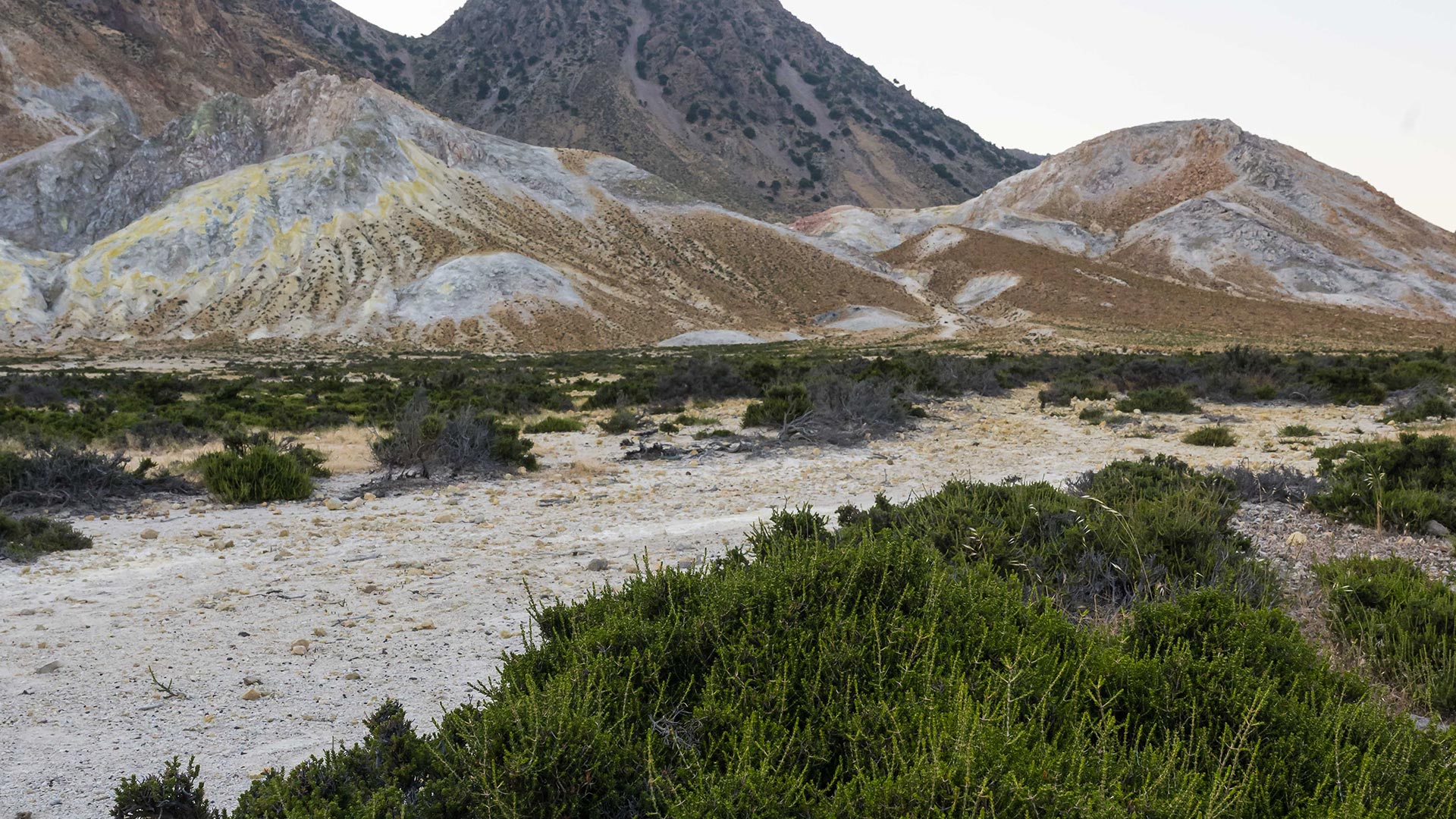
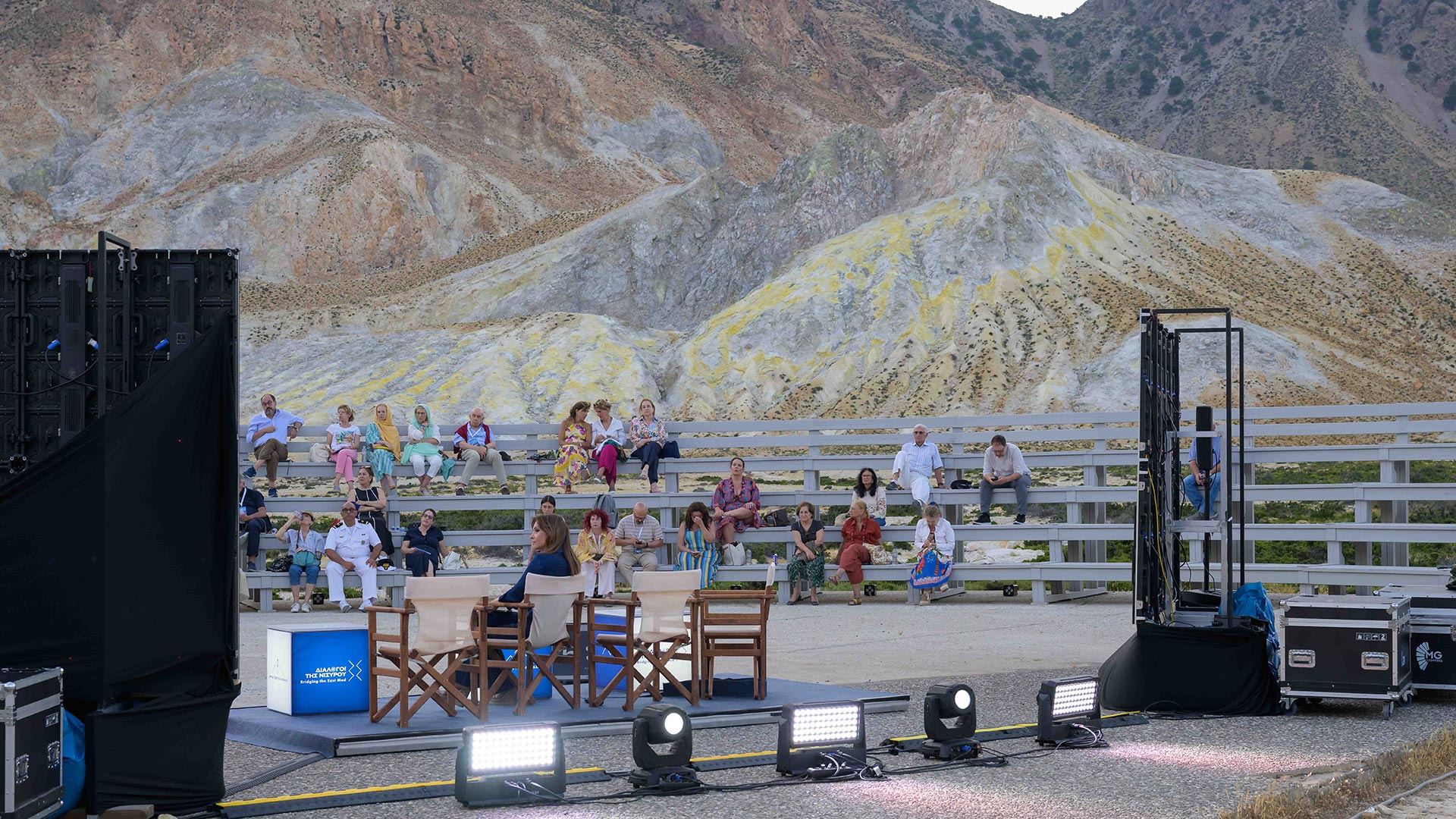
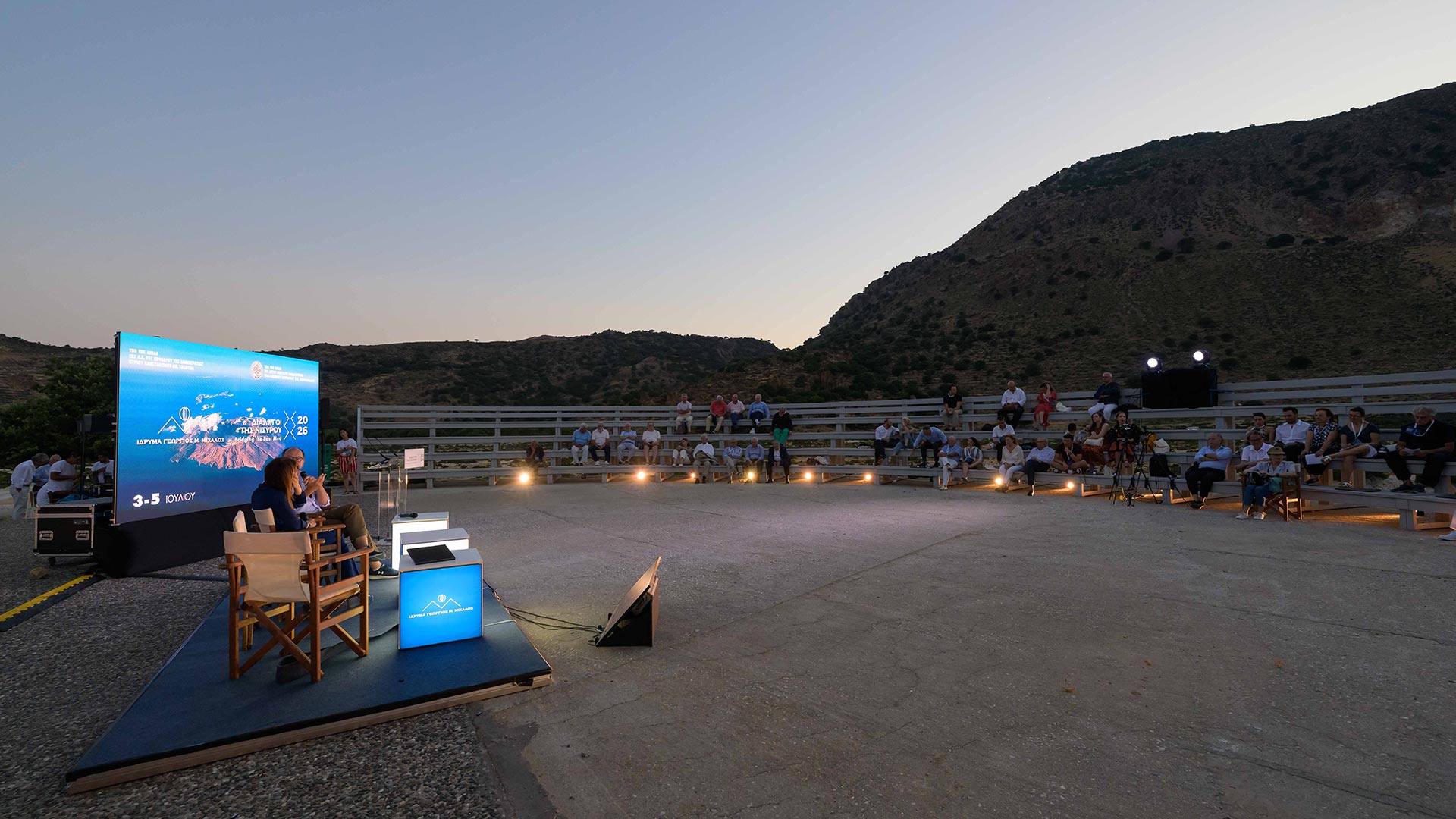
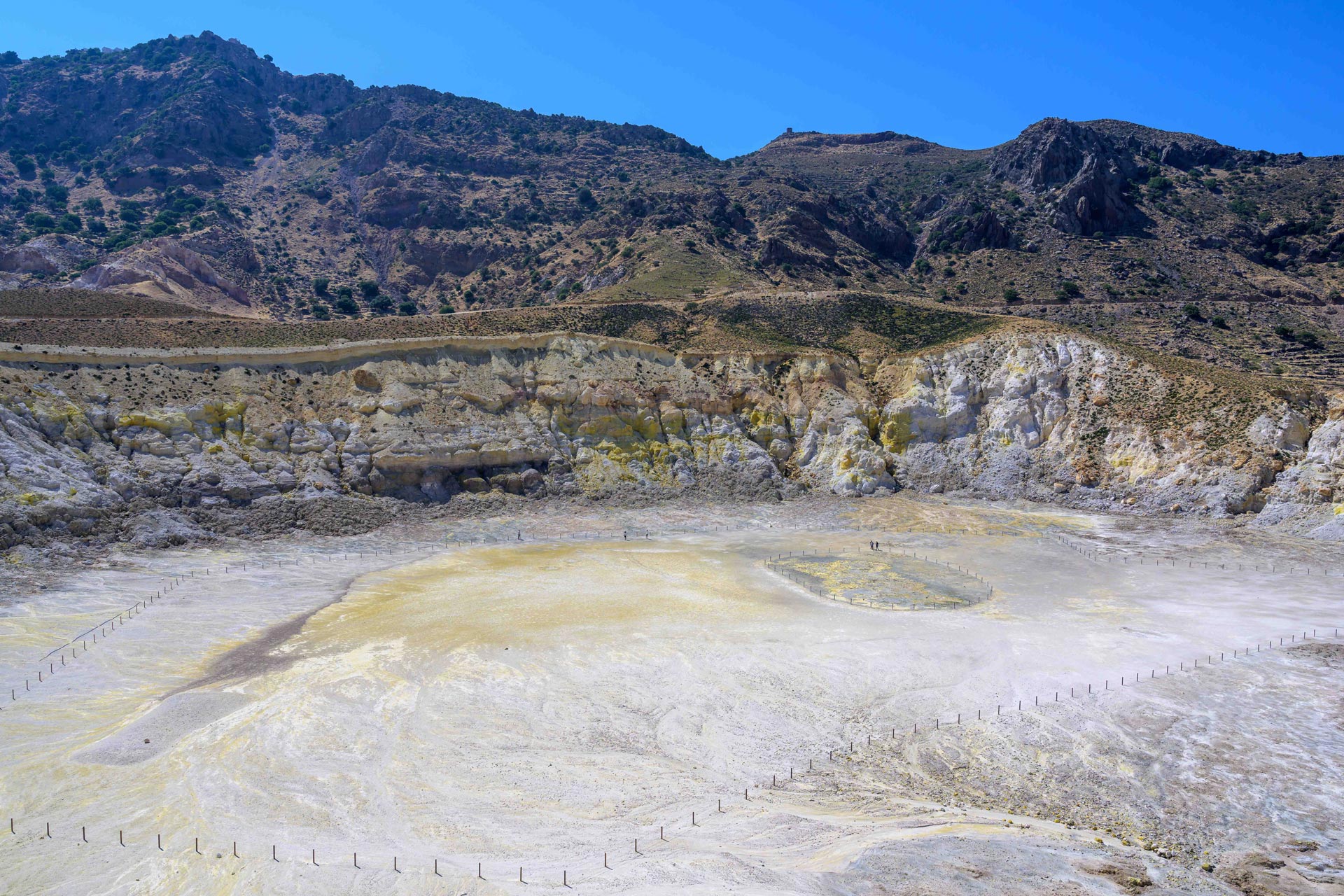
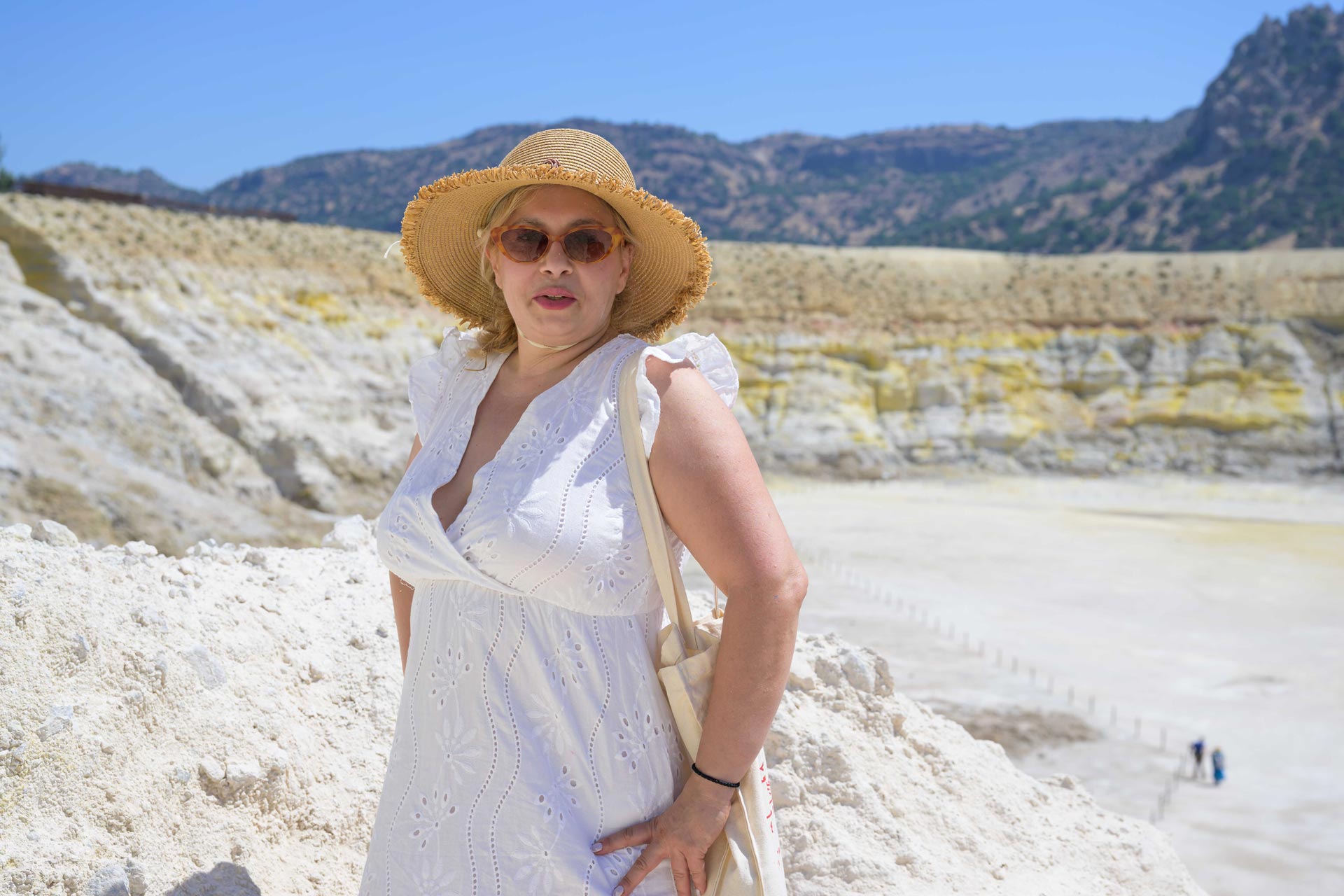
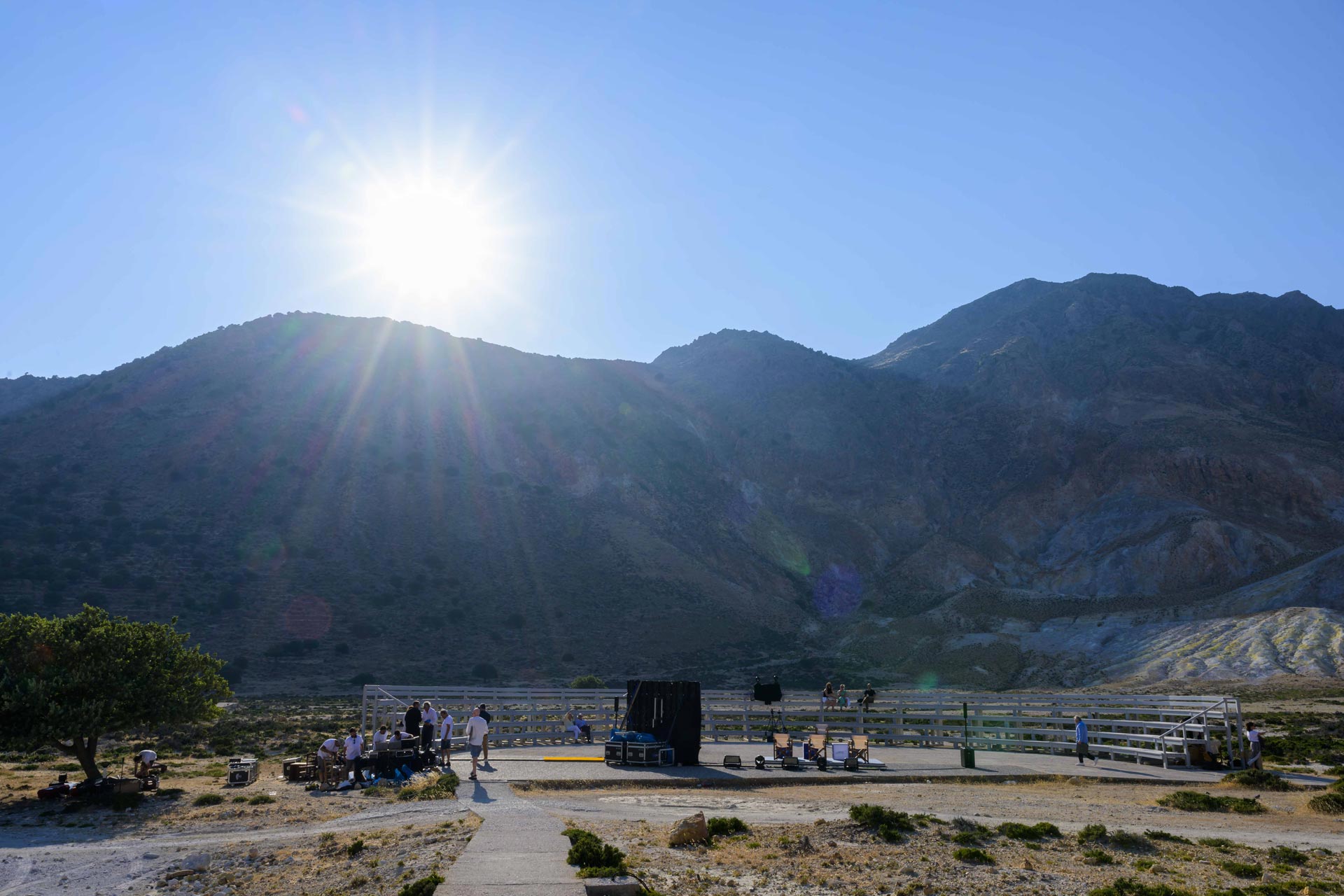
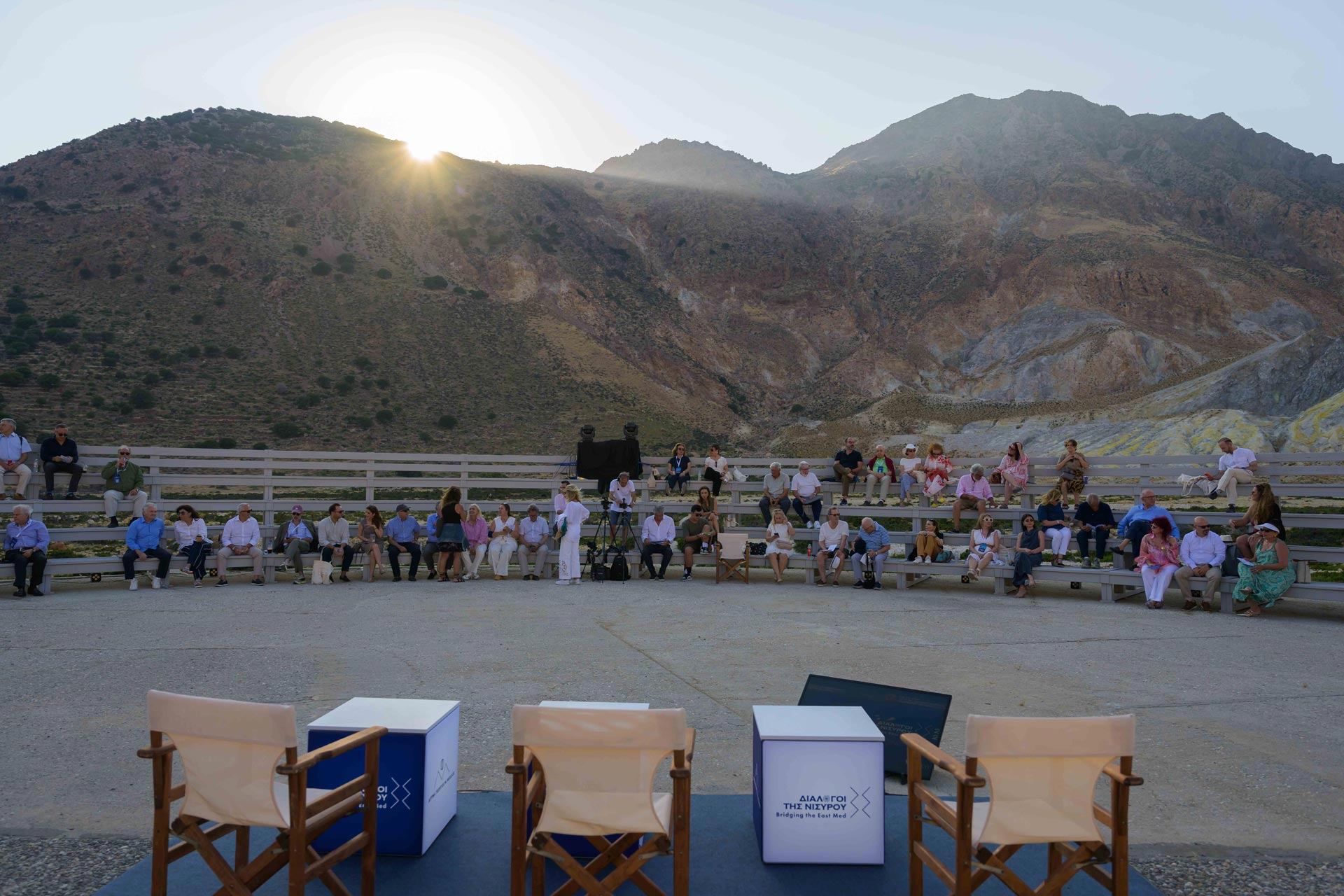
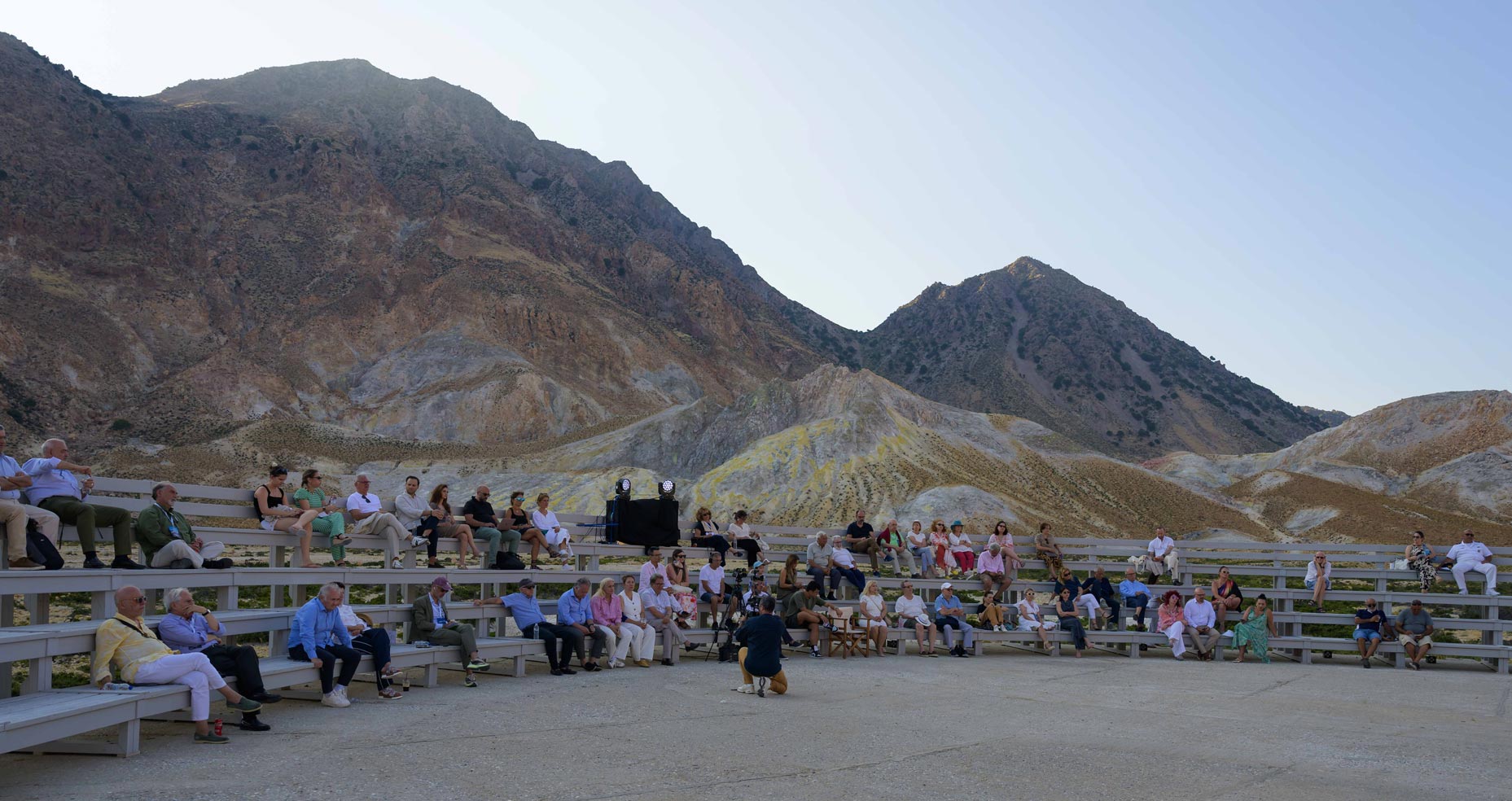
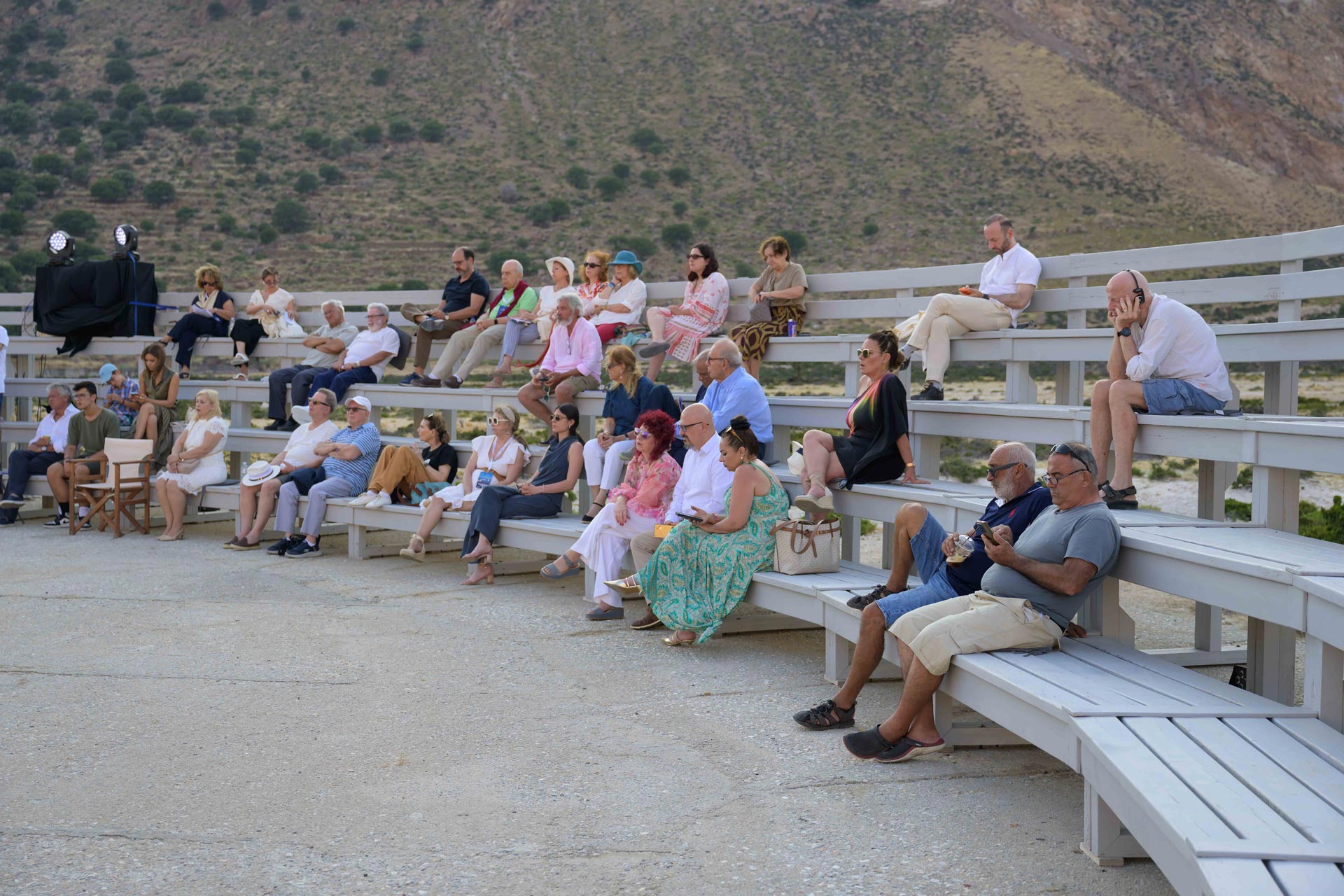
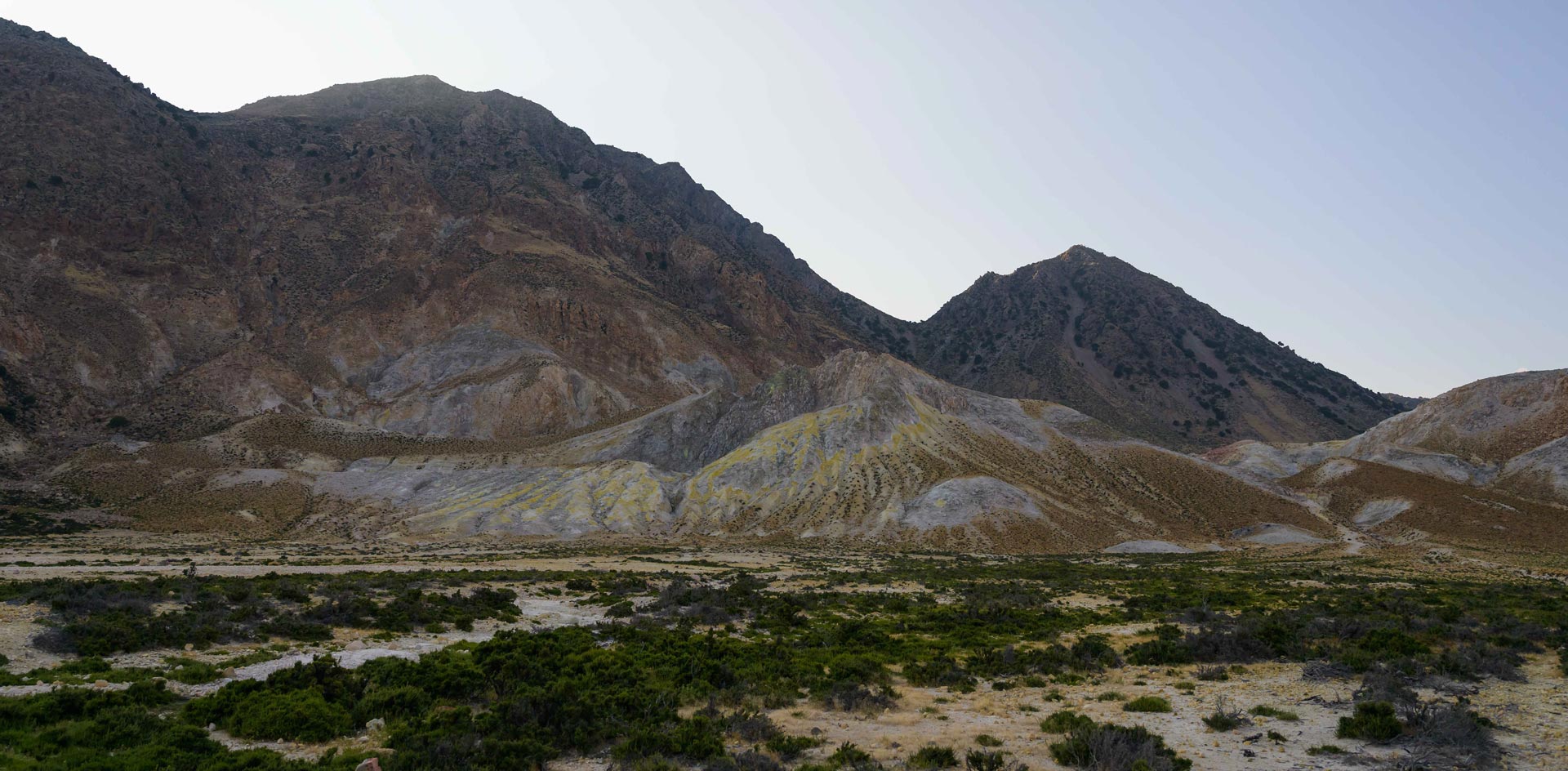
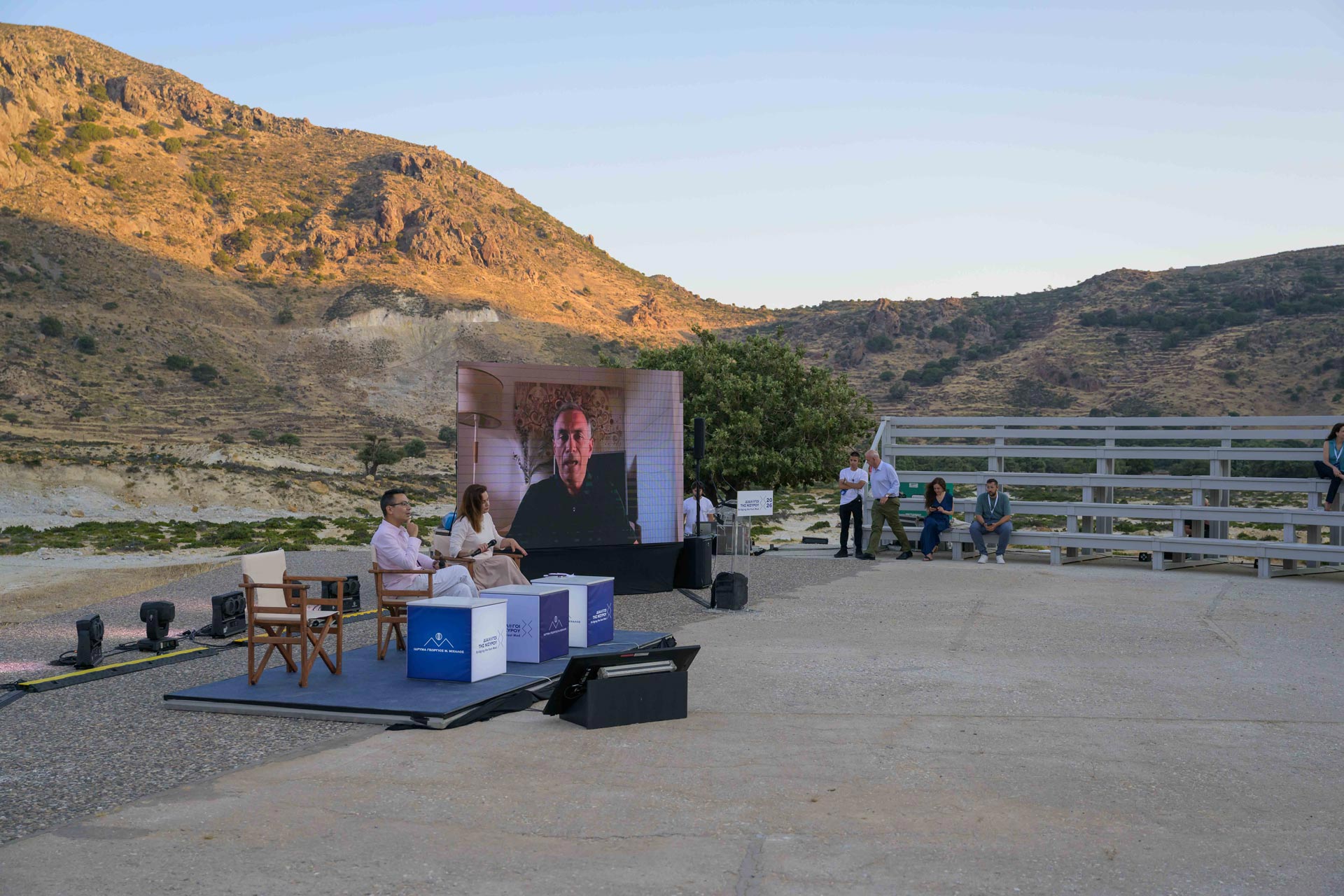
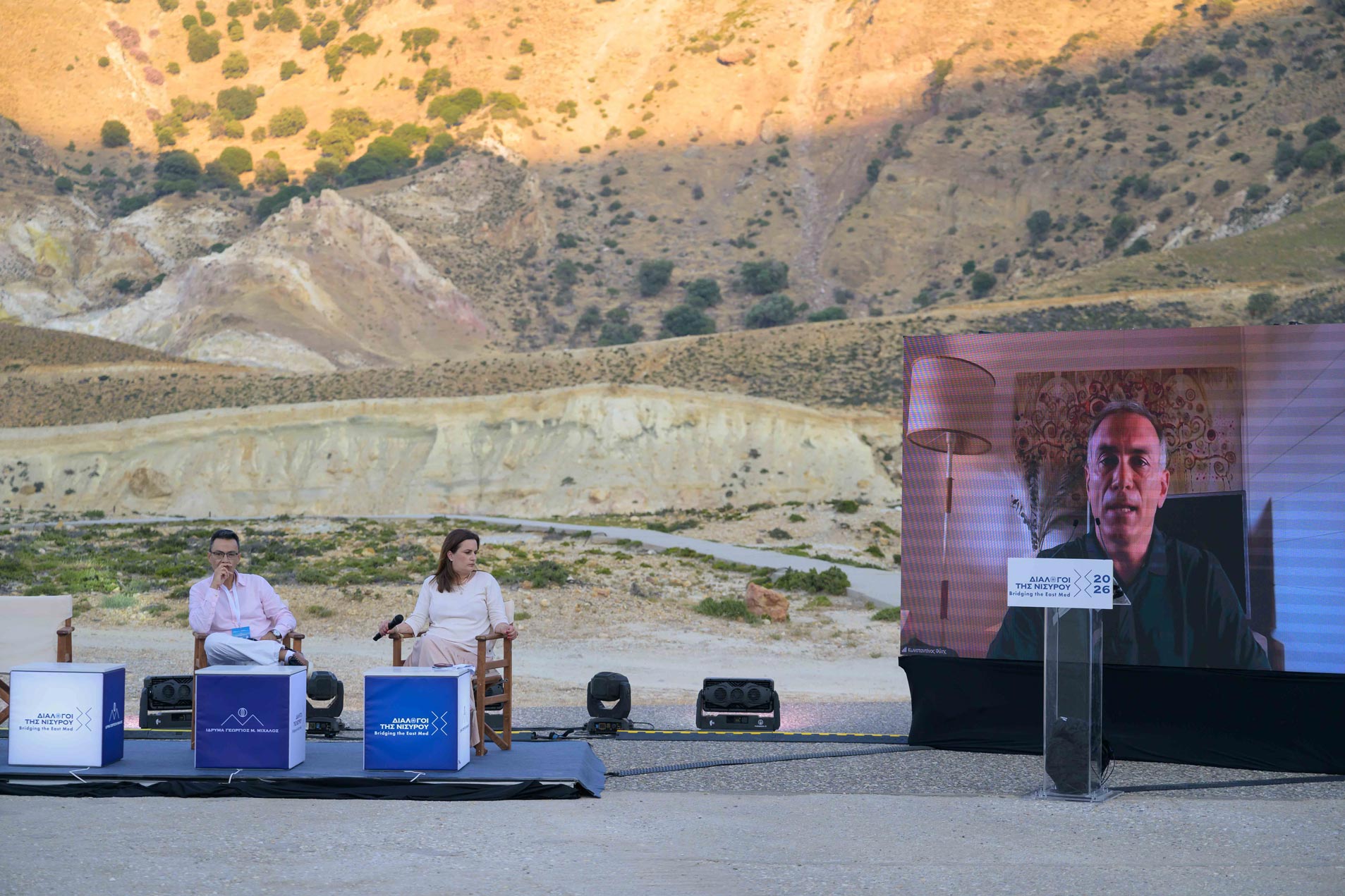
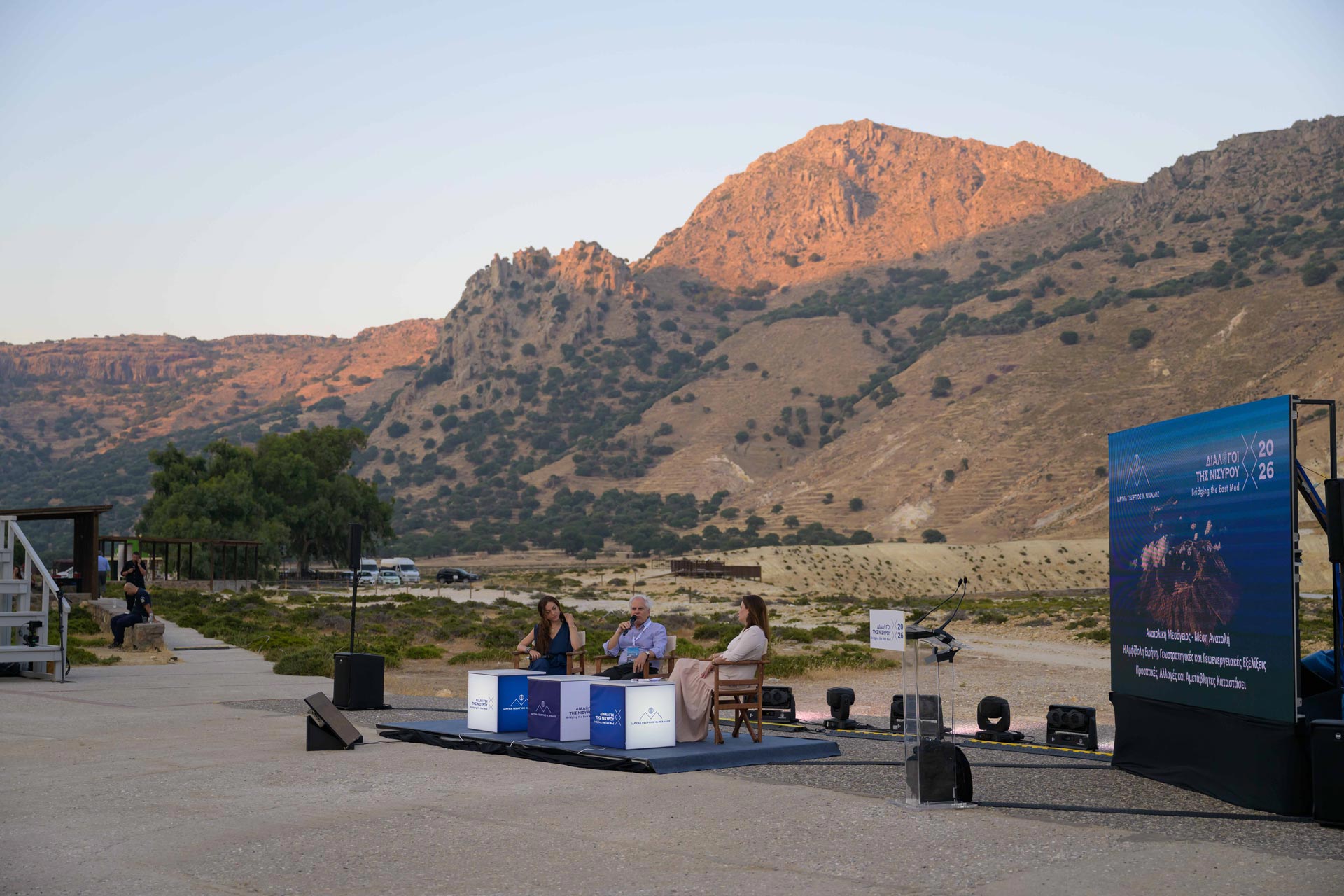
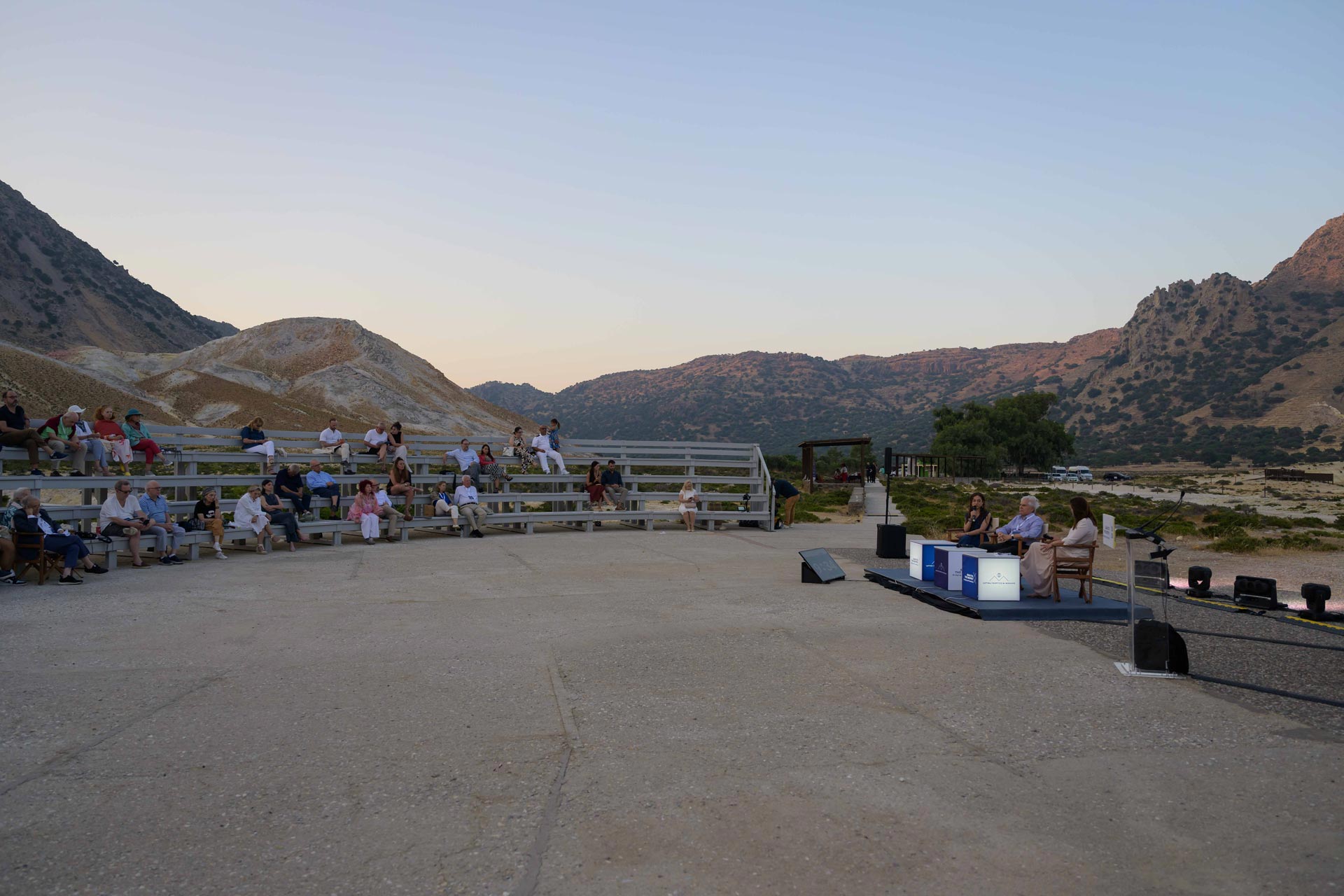
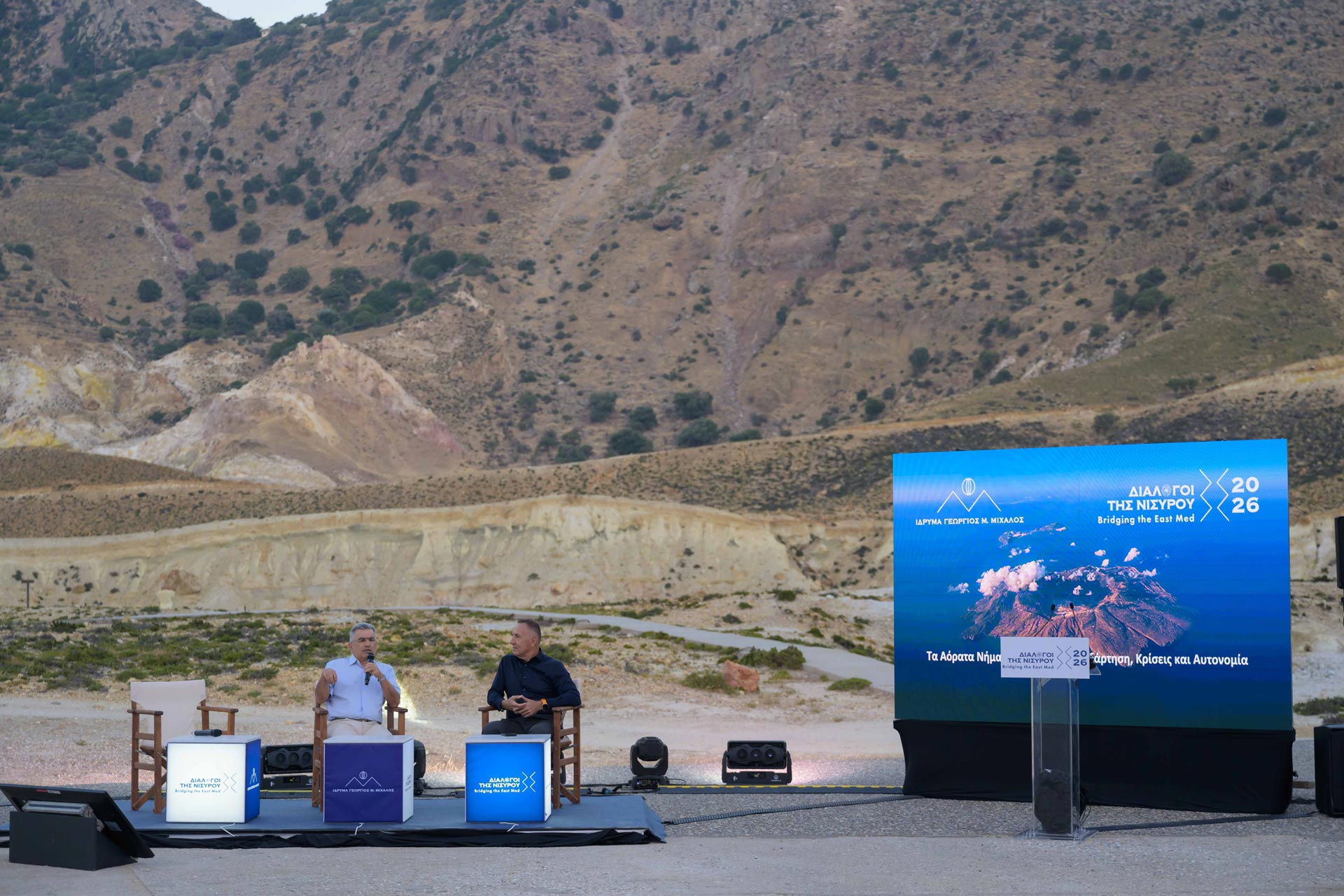
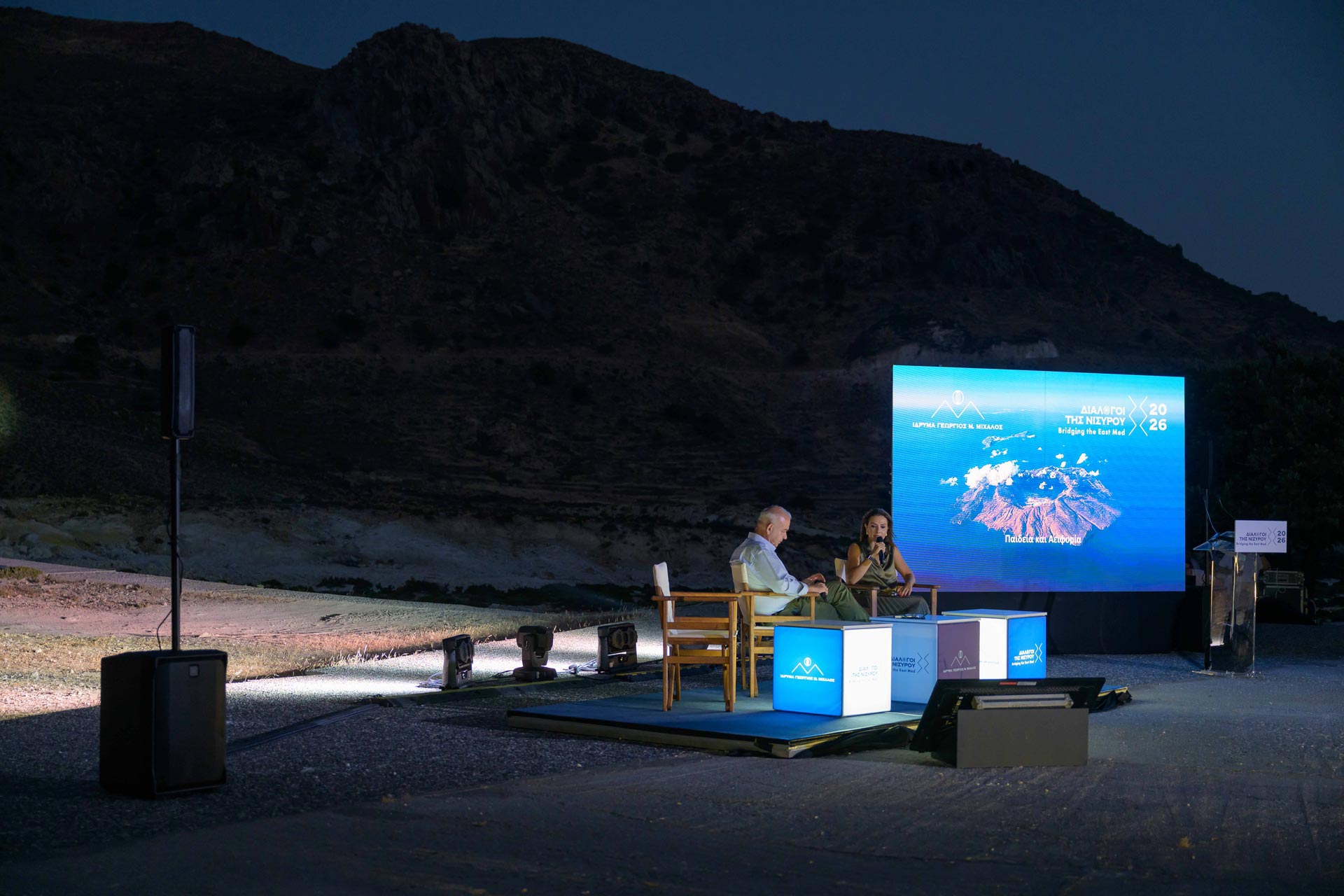
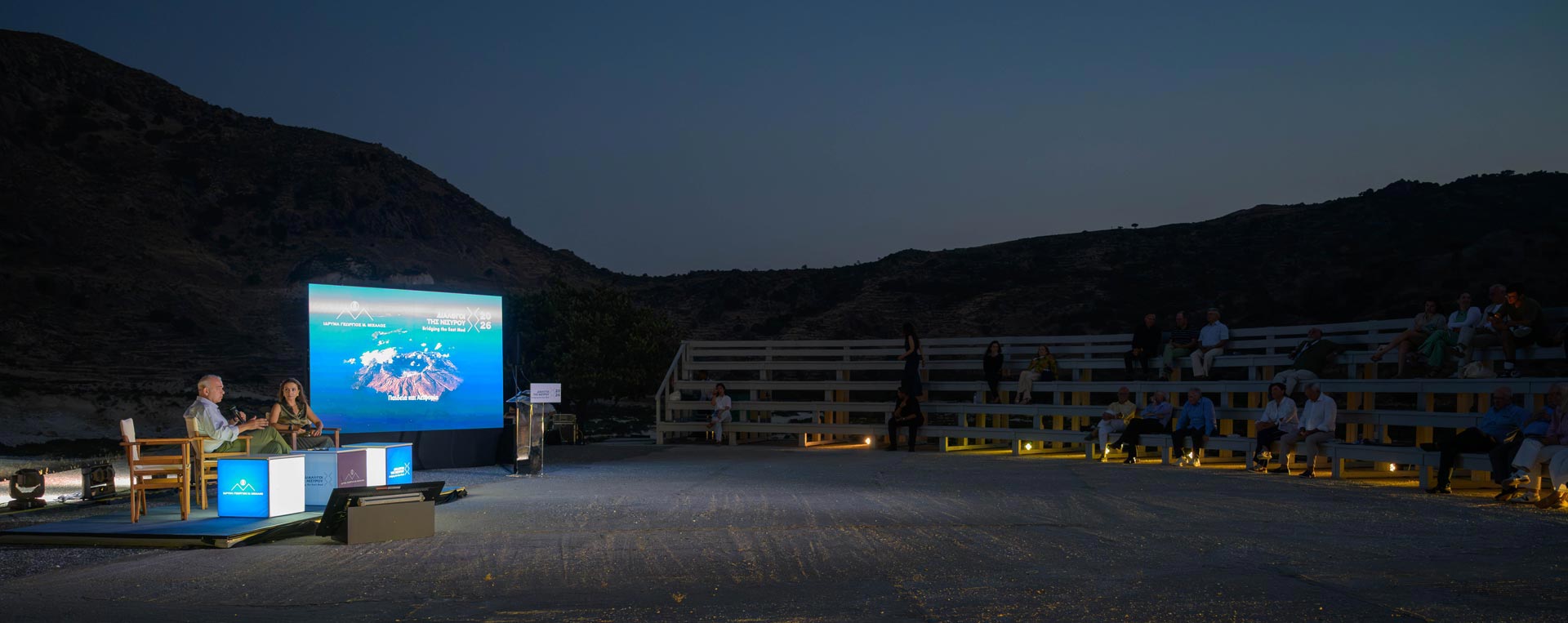
The countdown for the IV «Nisyros Dialogues 2026» has begun! We will keep you regularly updated on themes, participants, and everything else related to this year's gathering at the "Stefanos" crater in the Nisyros volcano.

Sponsors


Media Sponsors


Official Air Carrier Sponsor

Official Sponsor of Transportation Needs


Official Travel Agency

Review
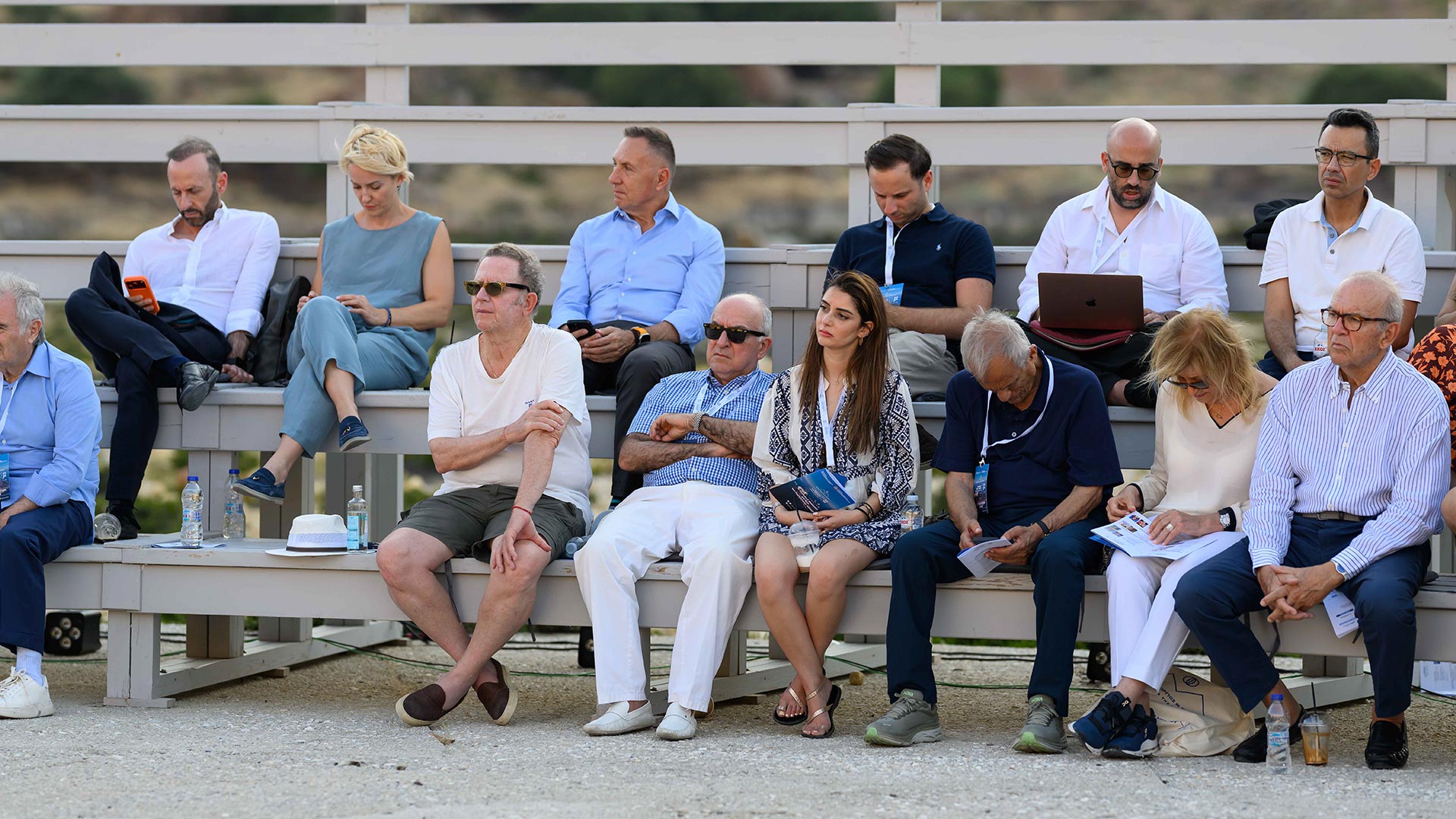
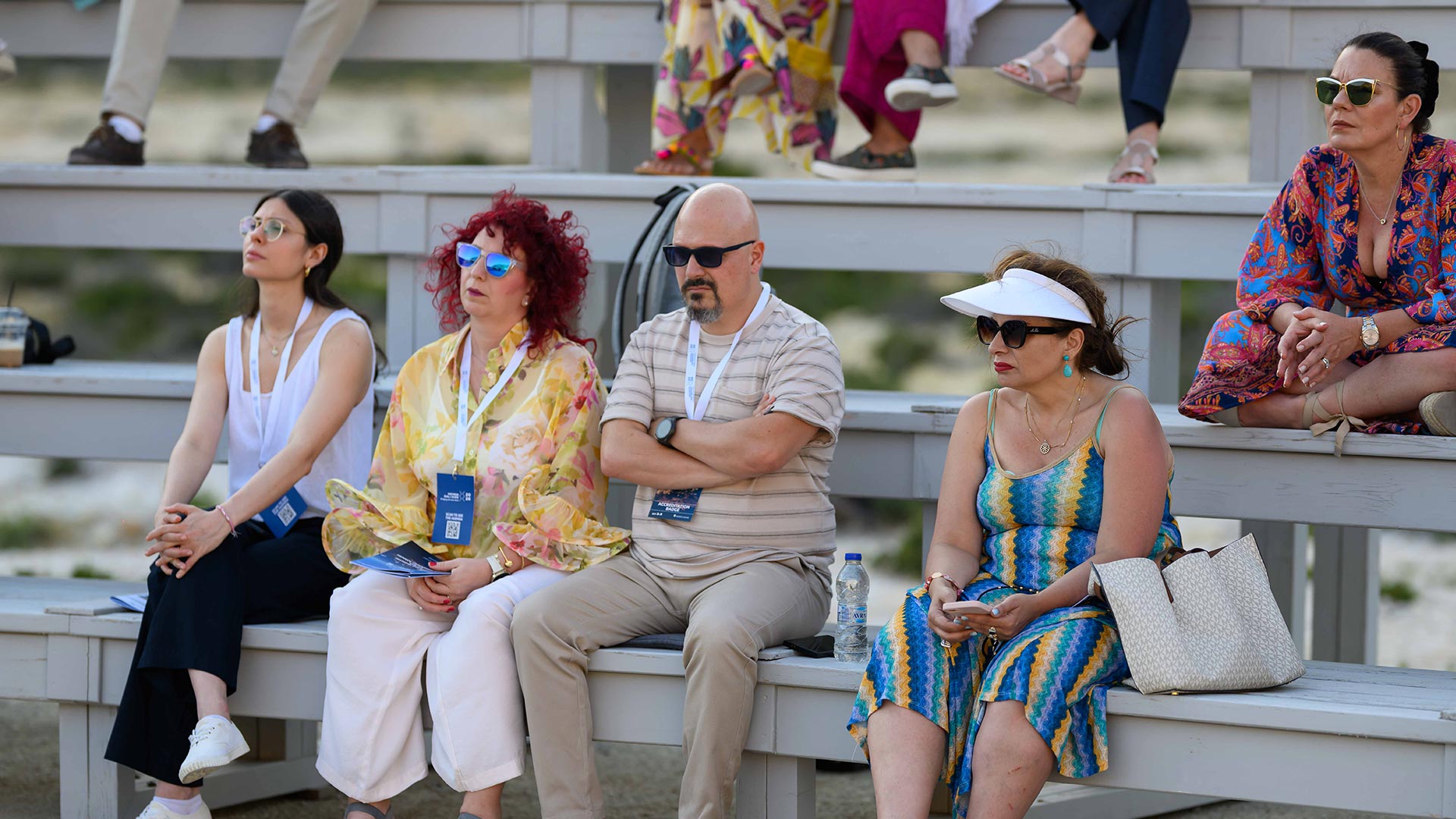
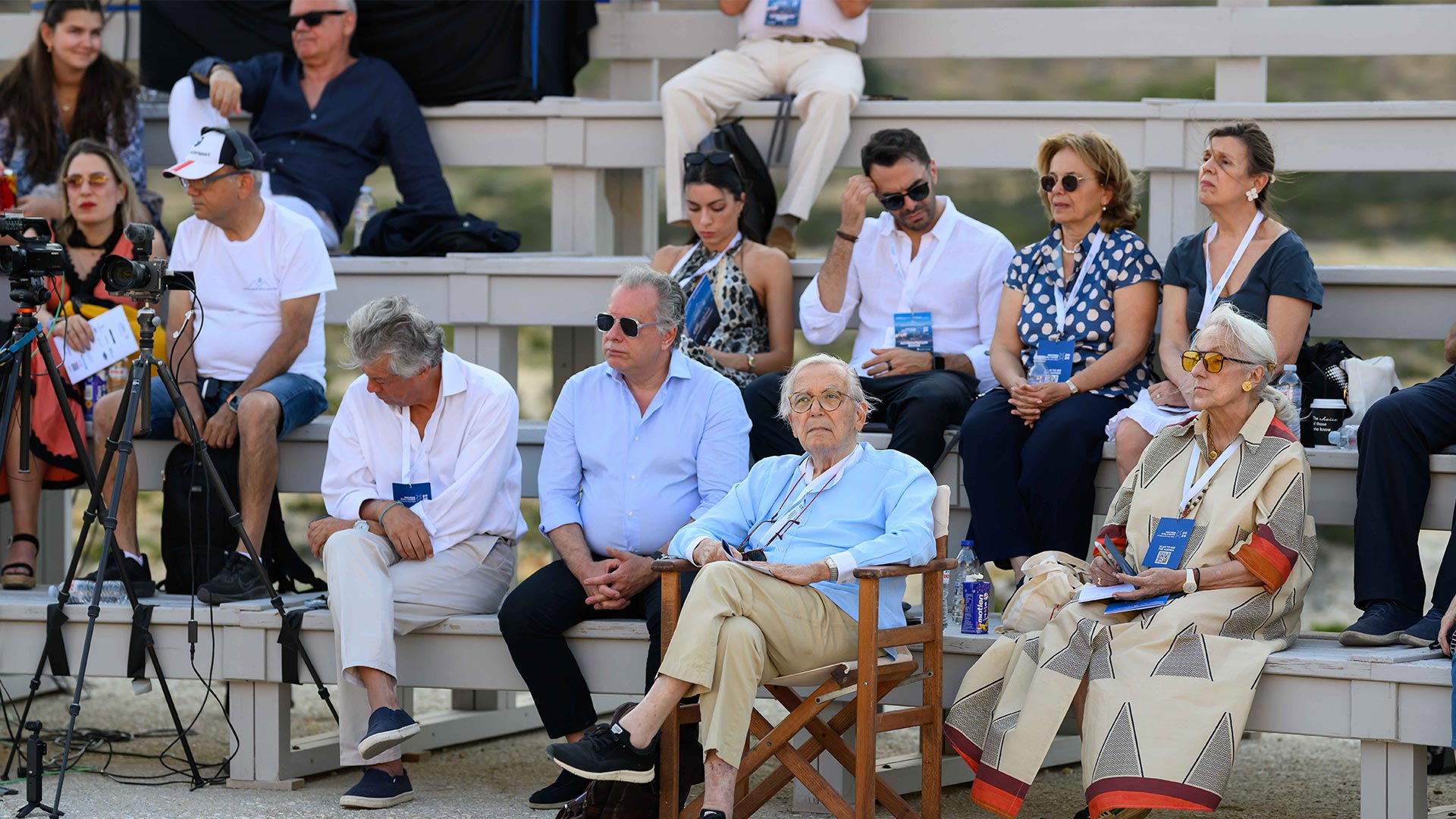
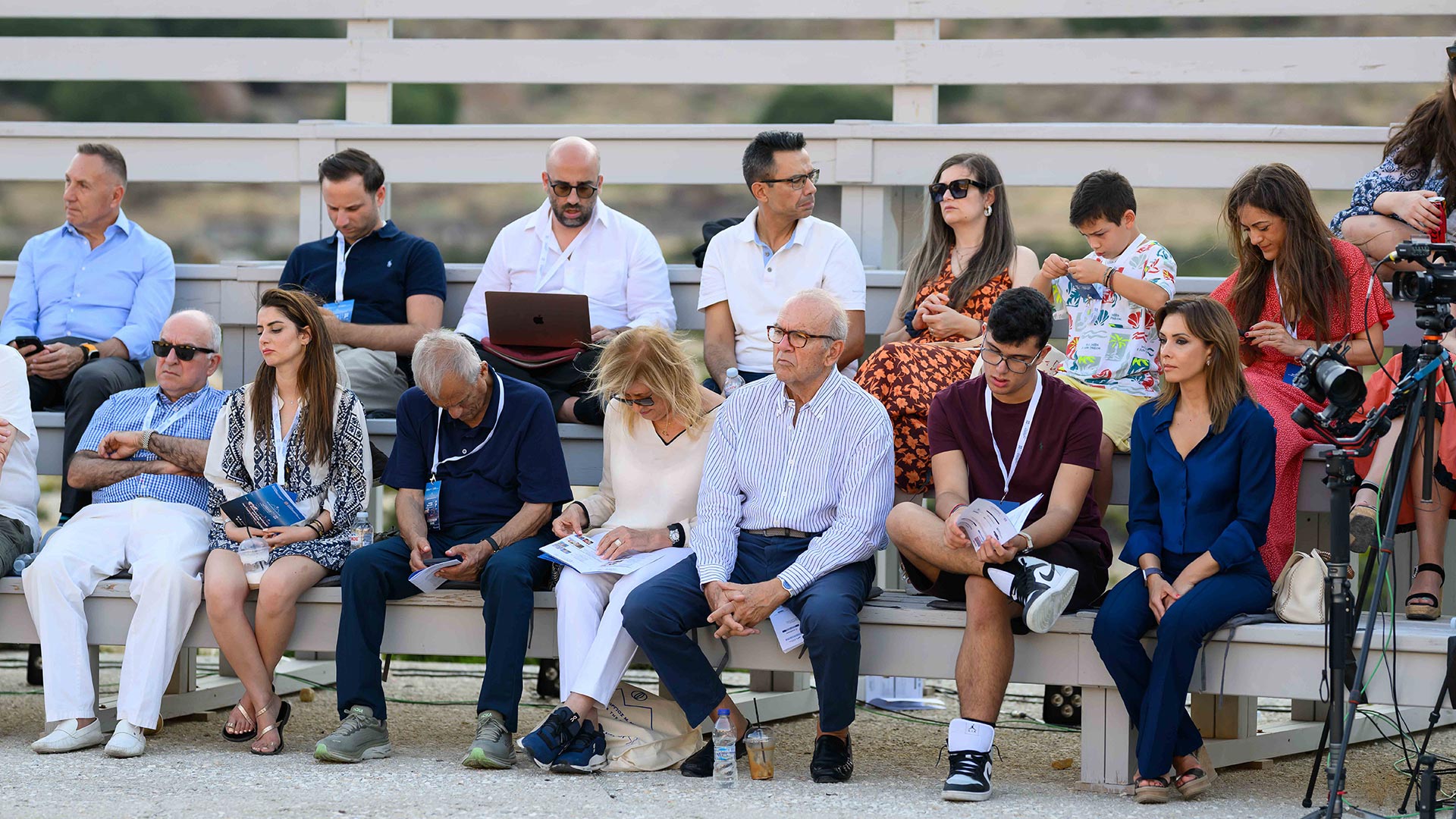
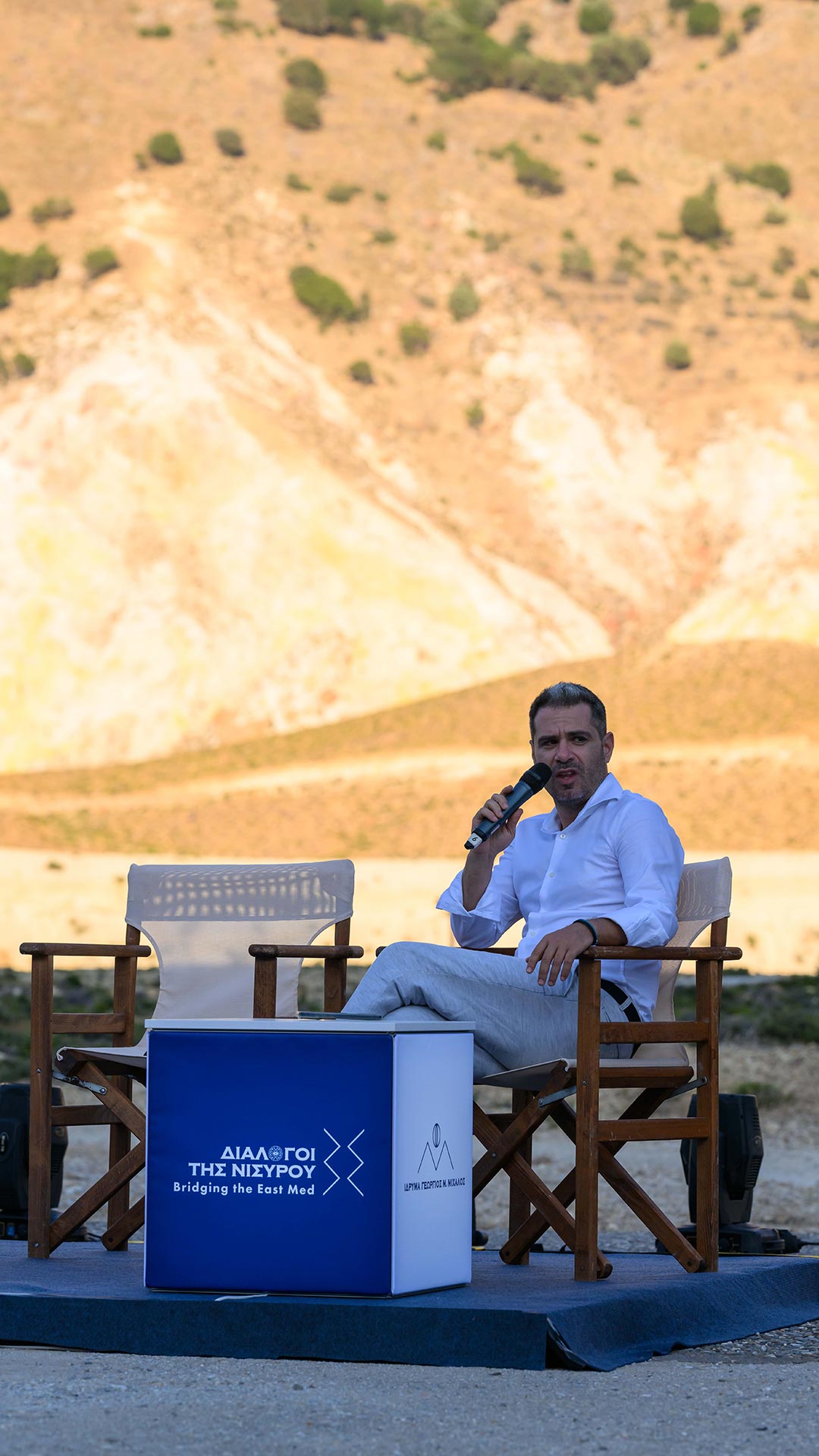
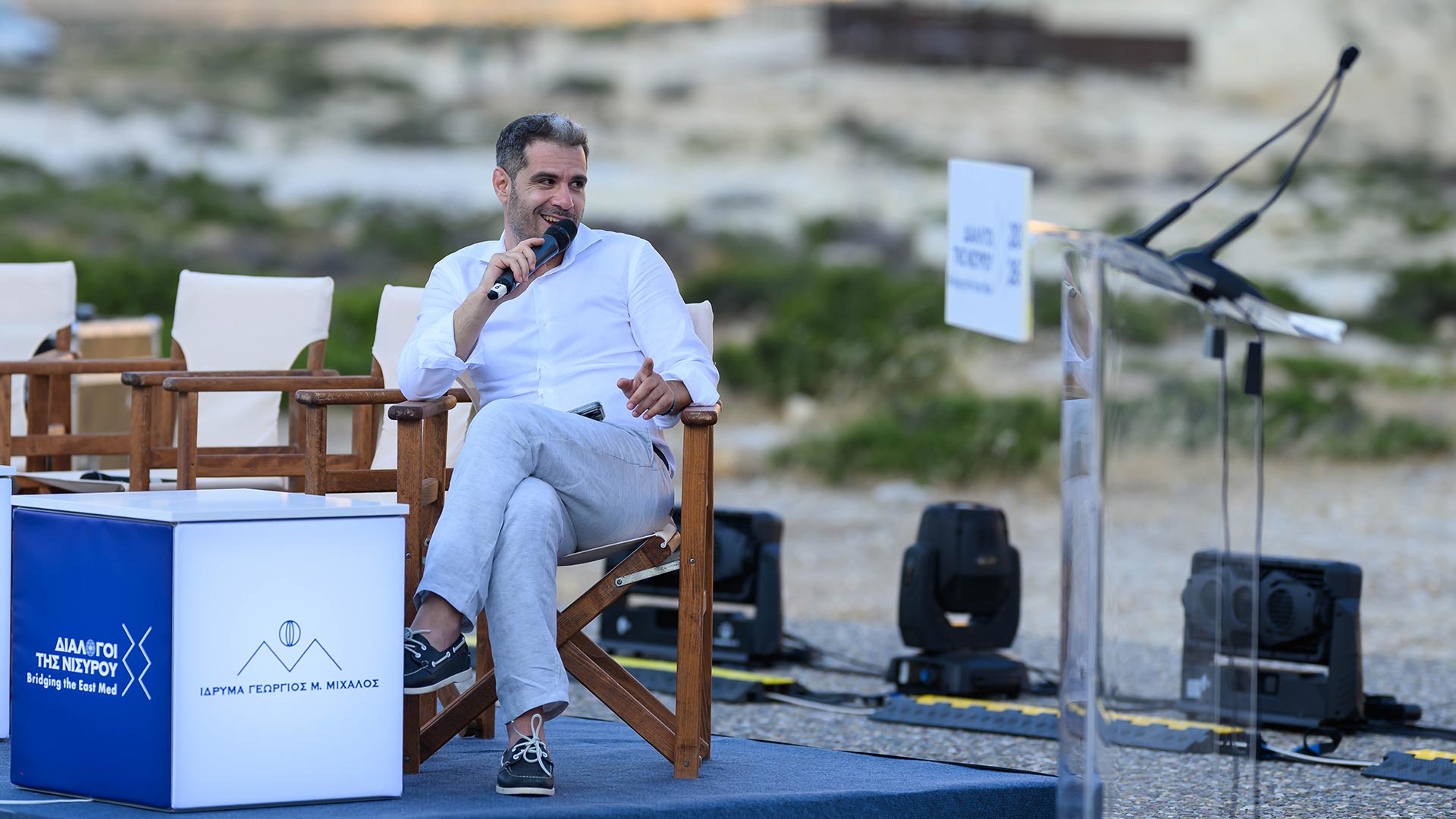
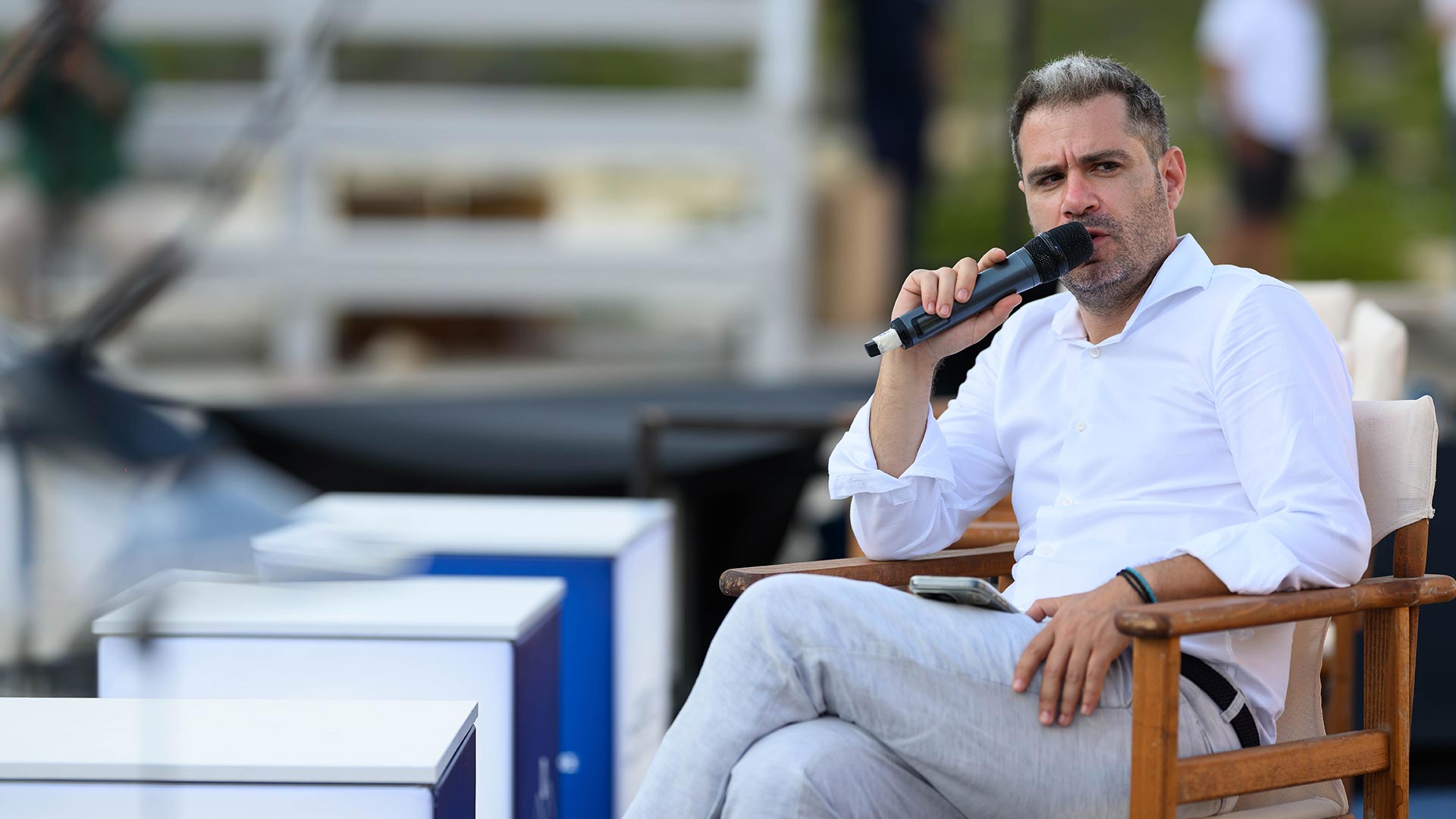
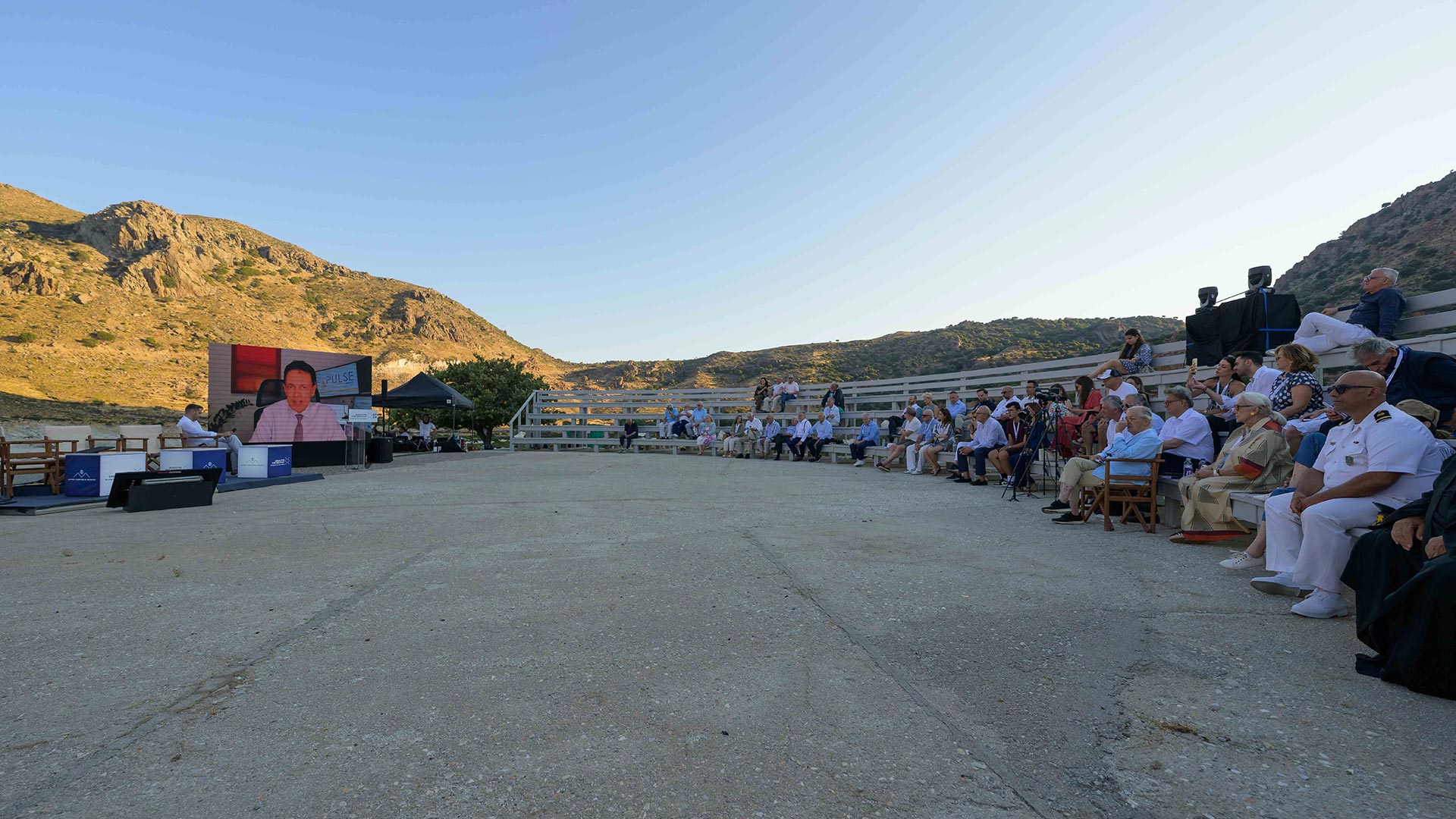
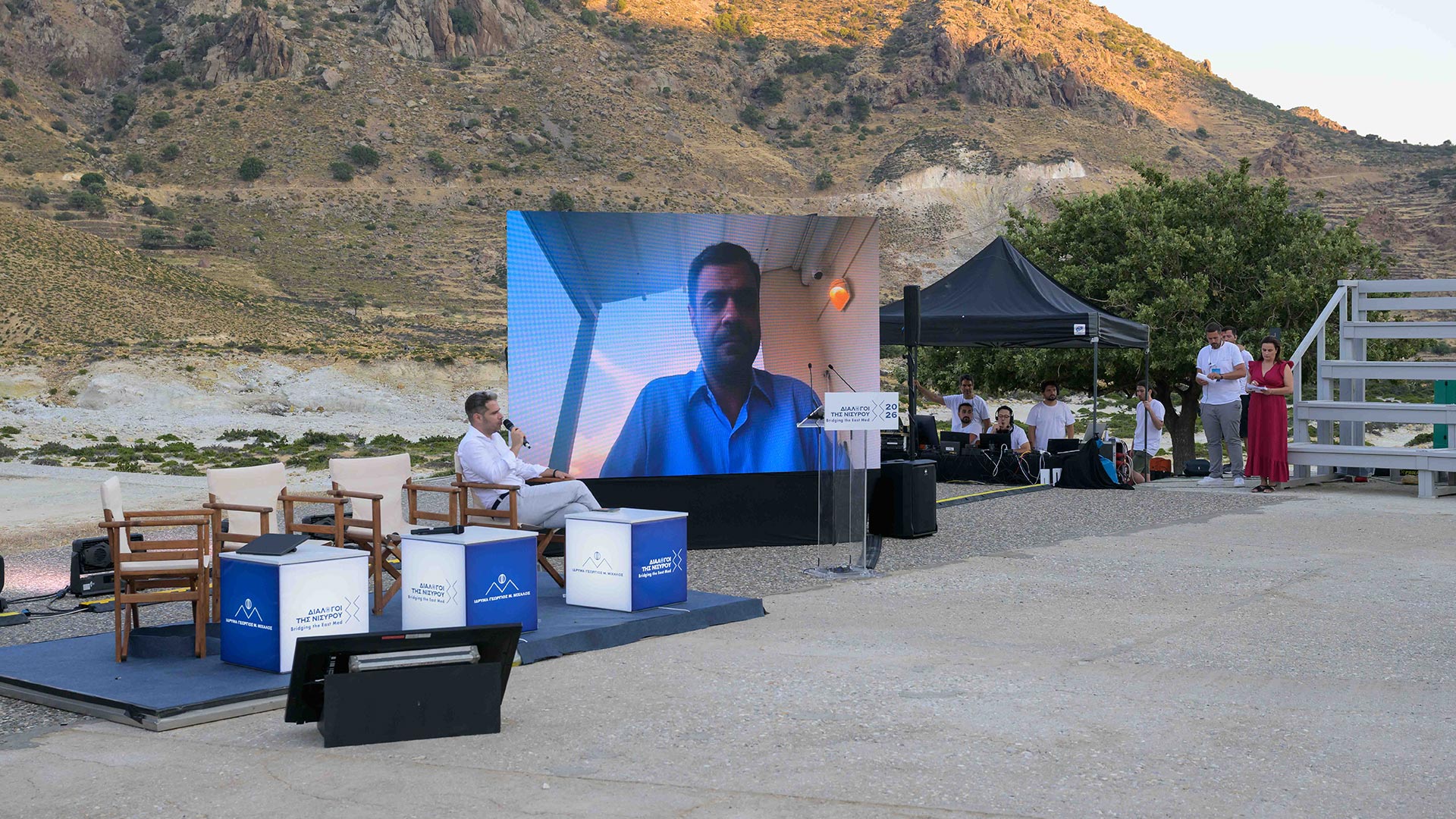
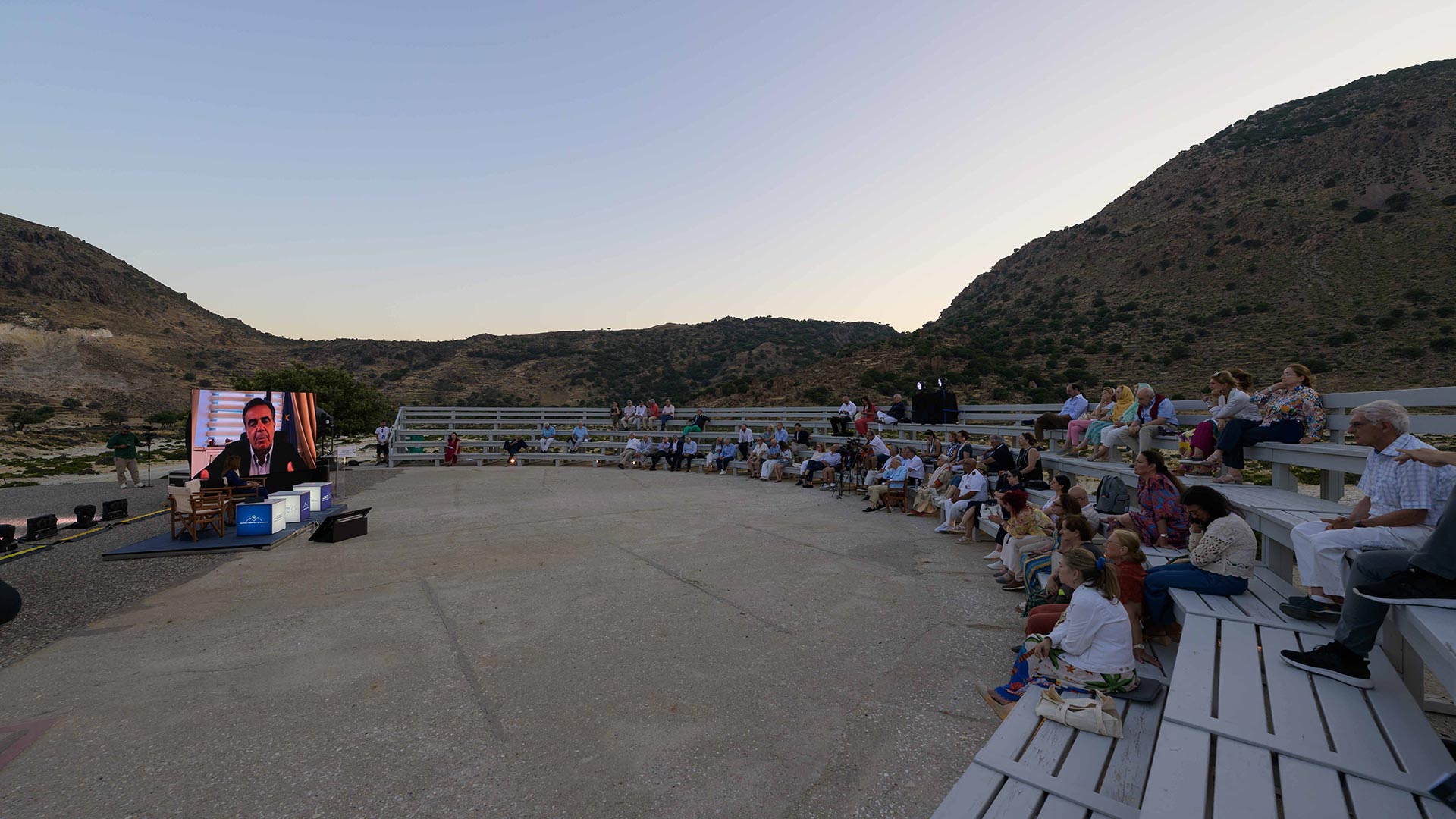
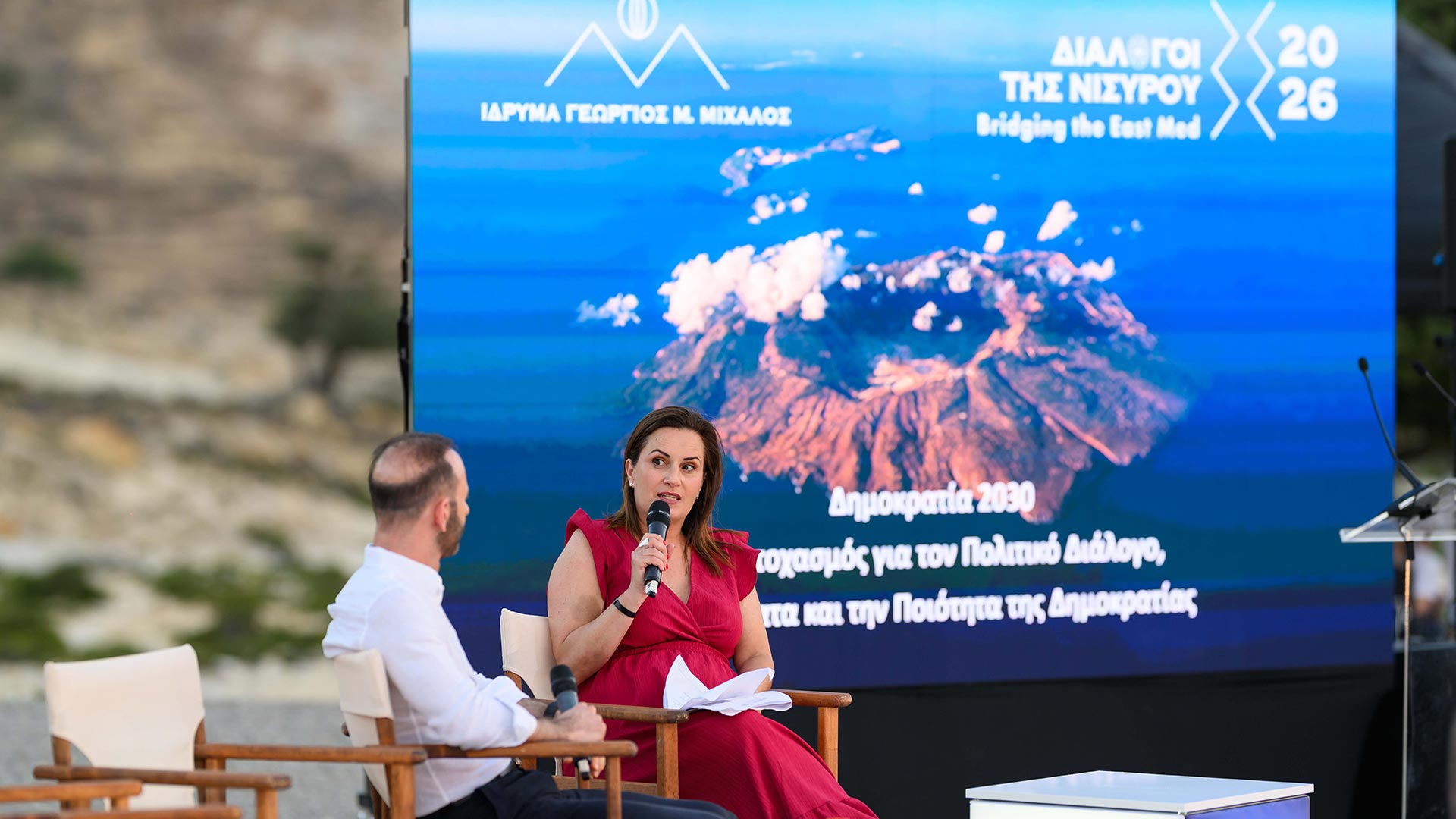
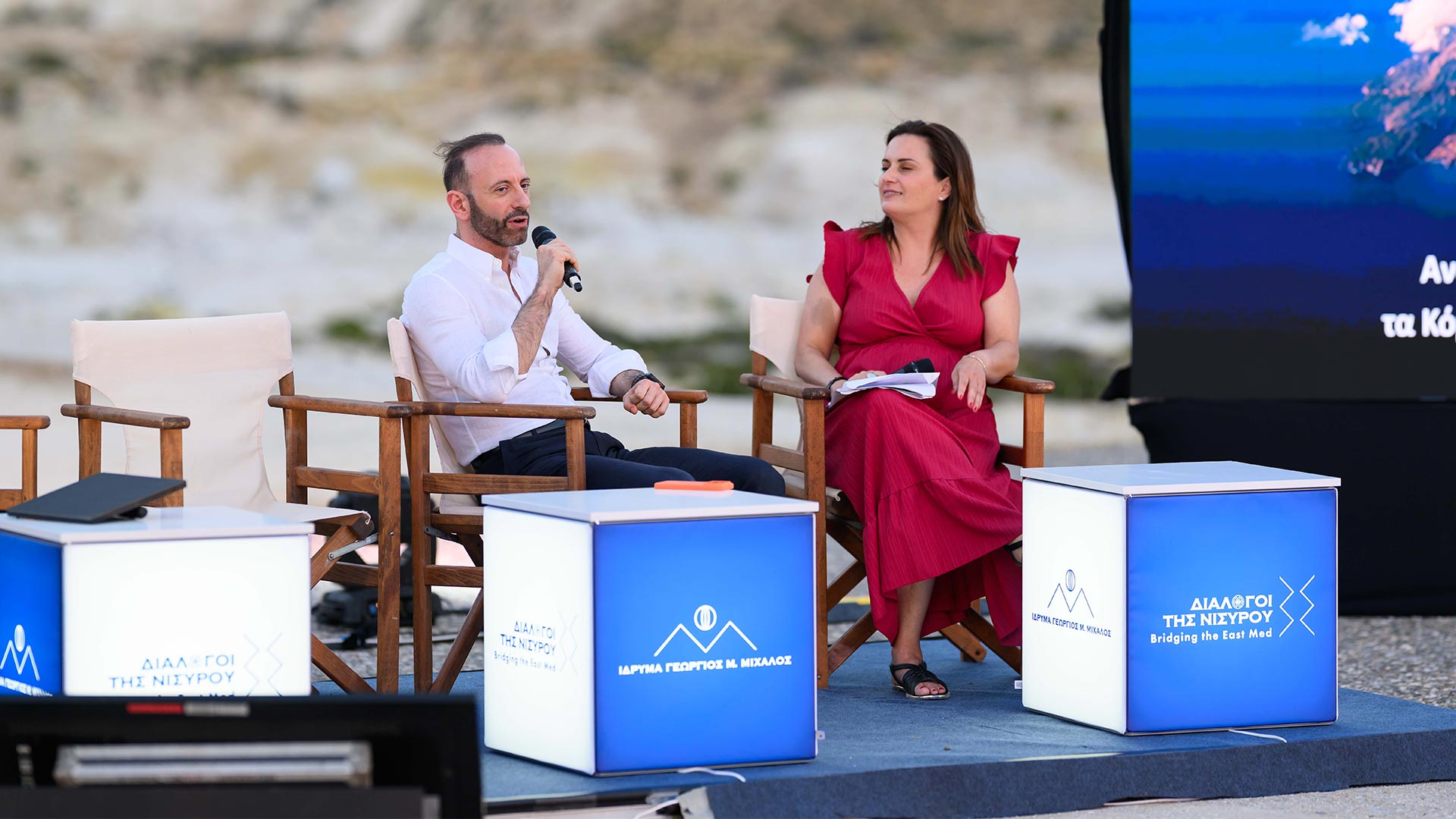
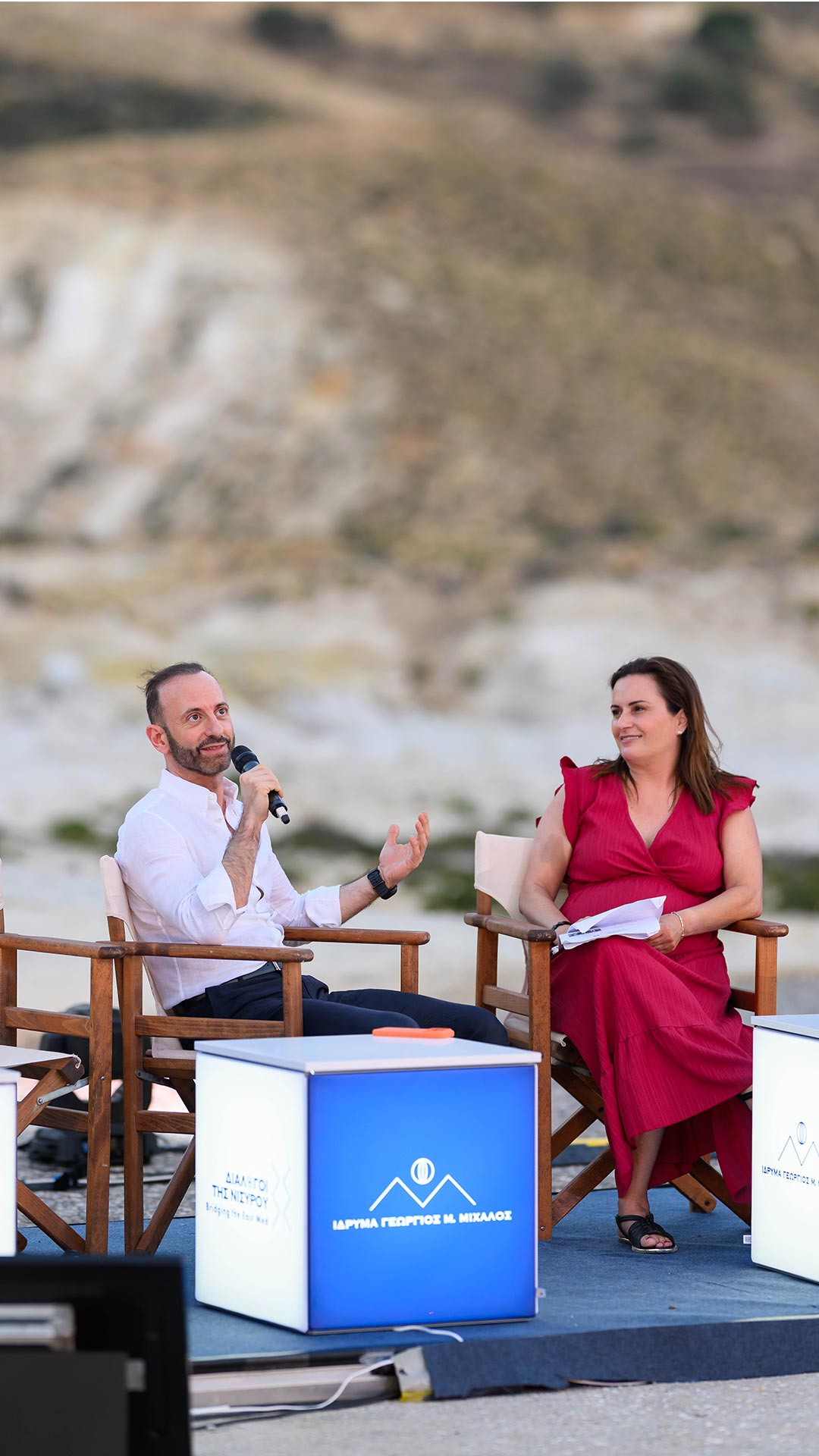
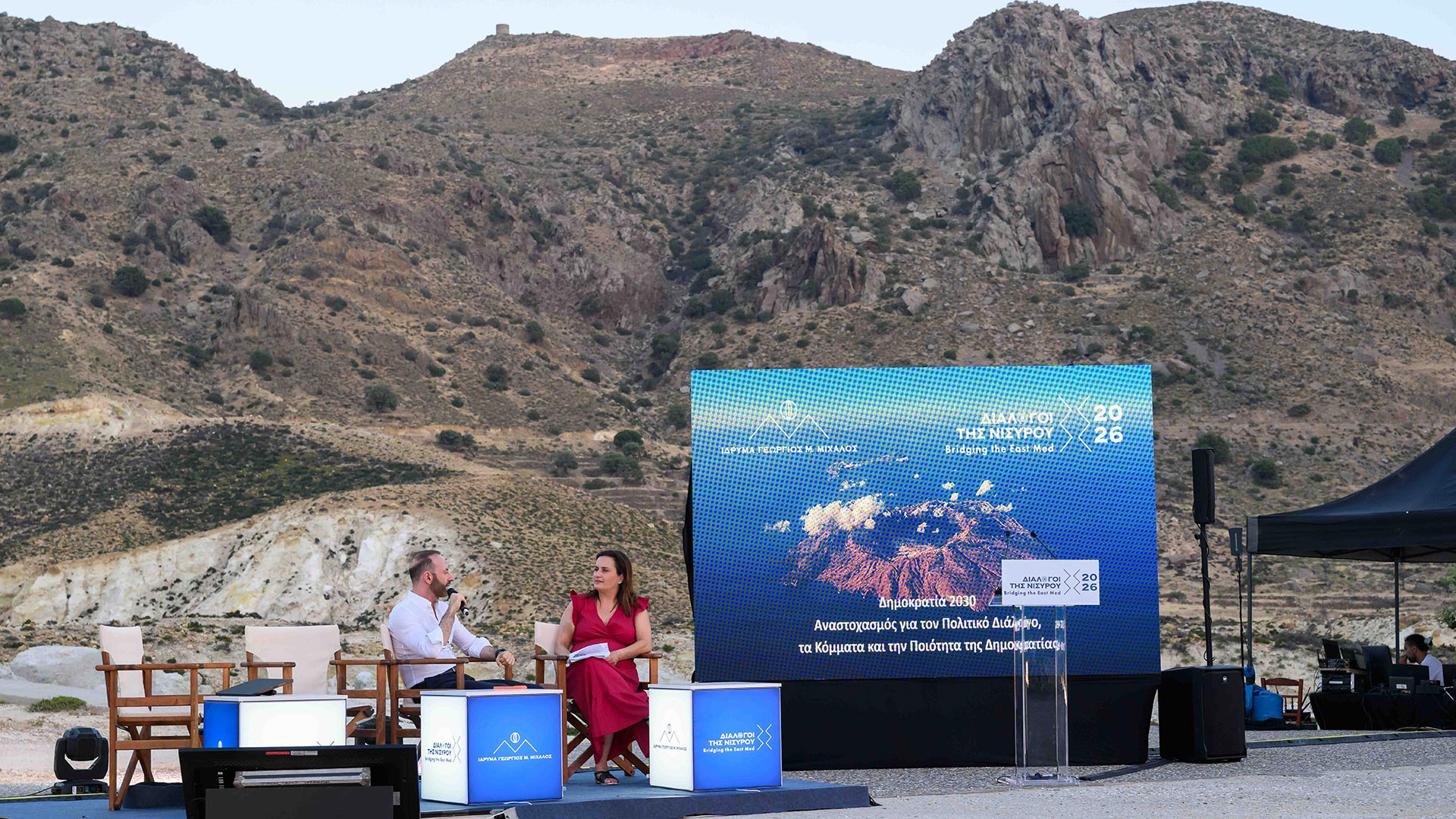
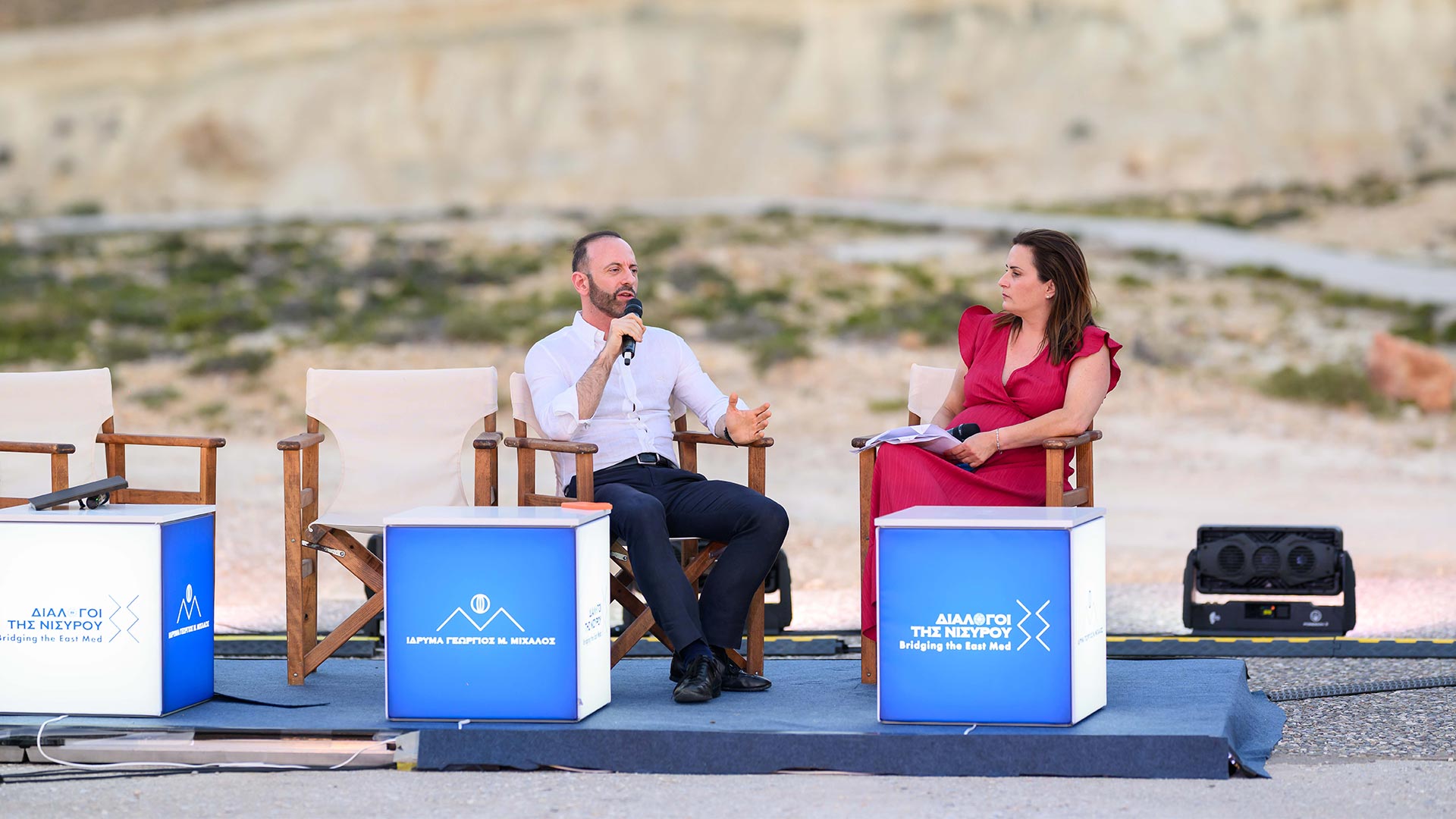
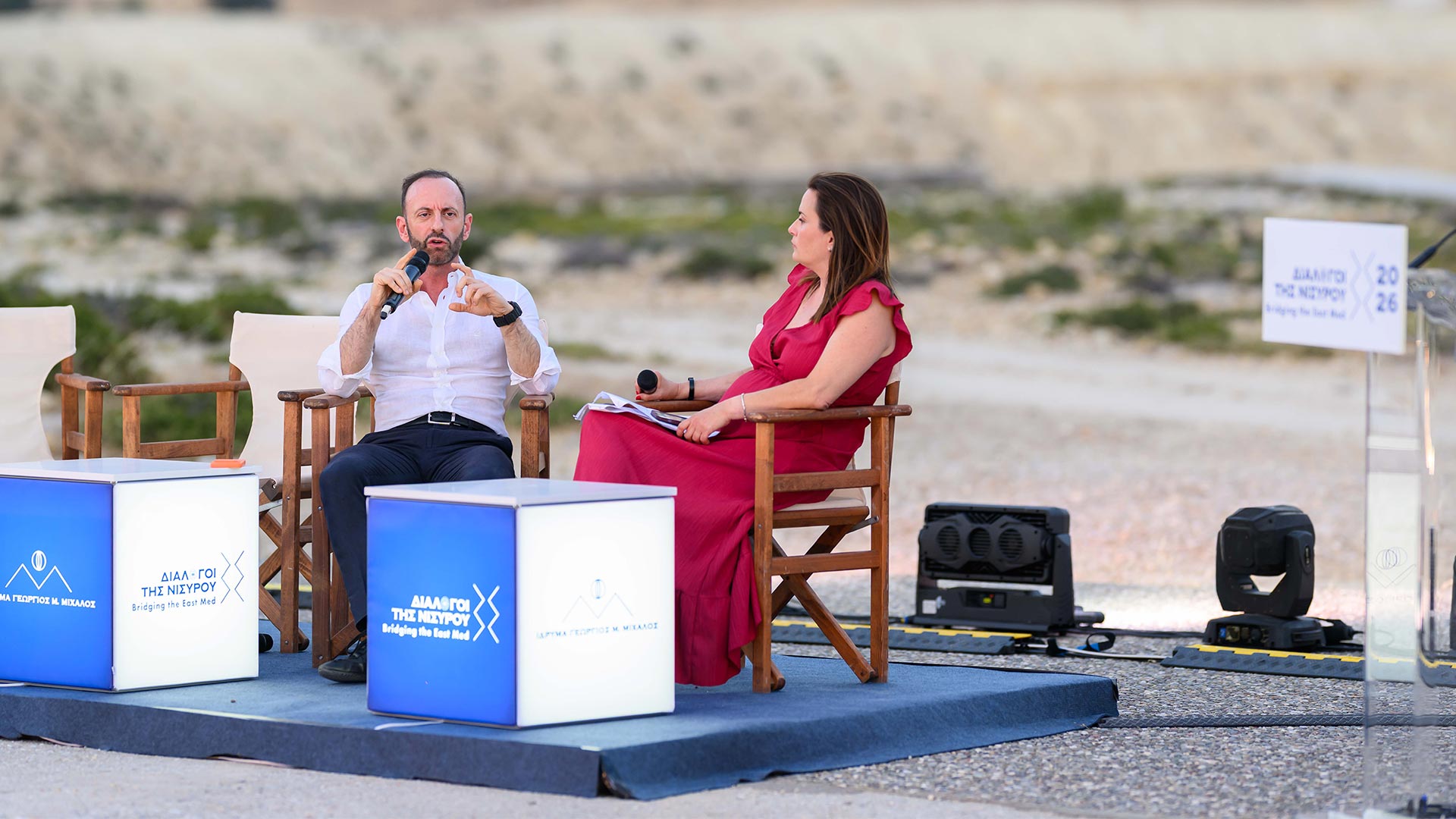
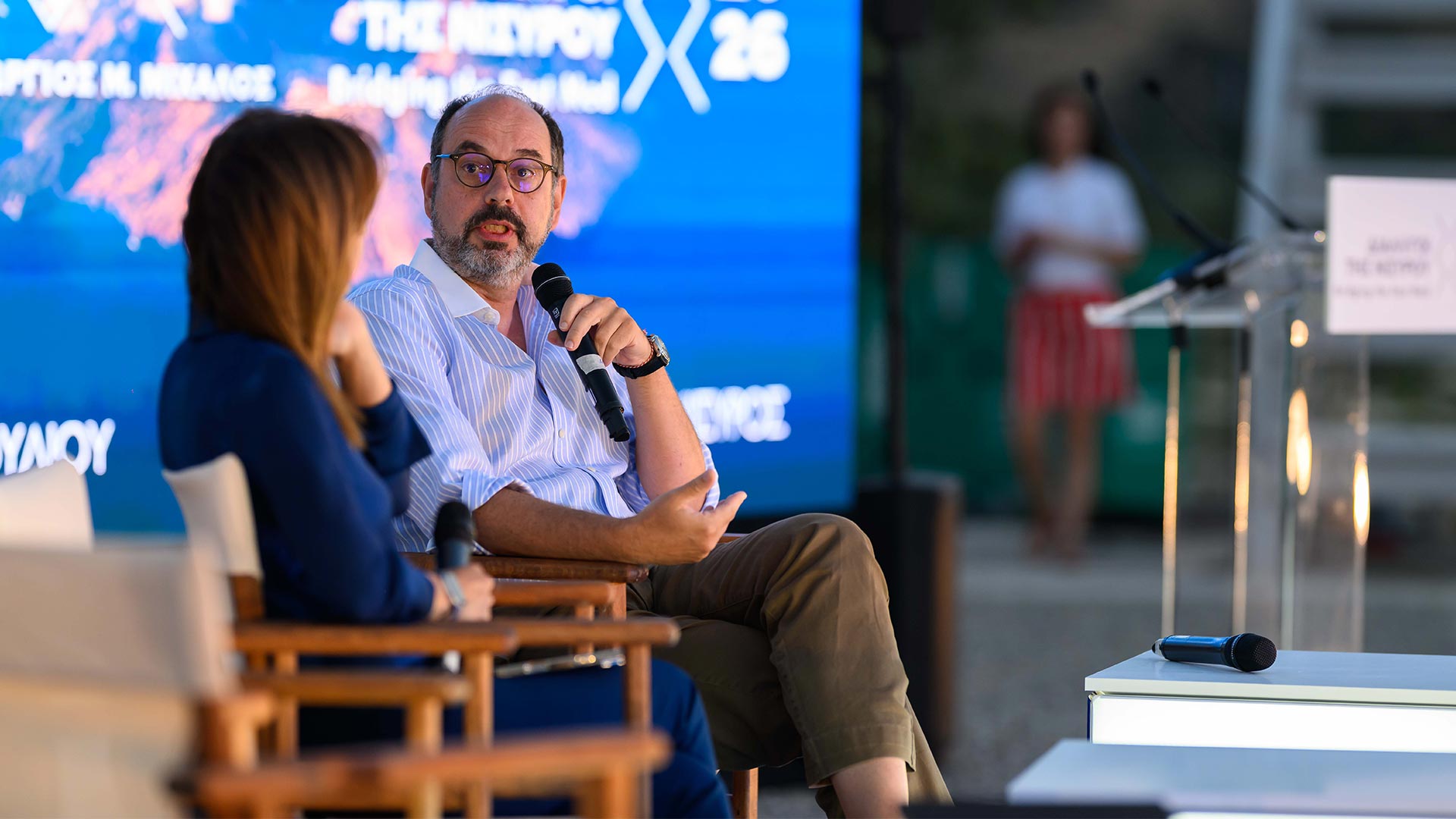
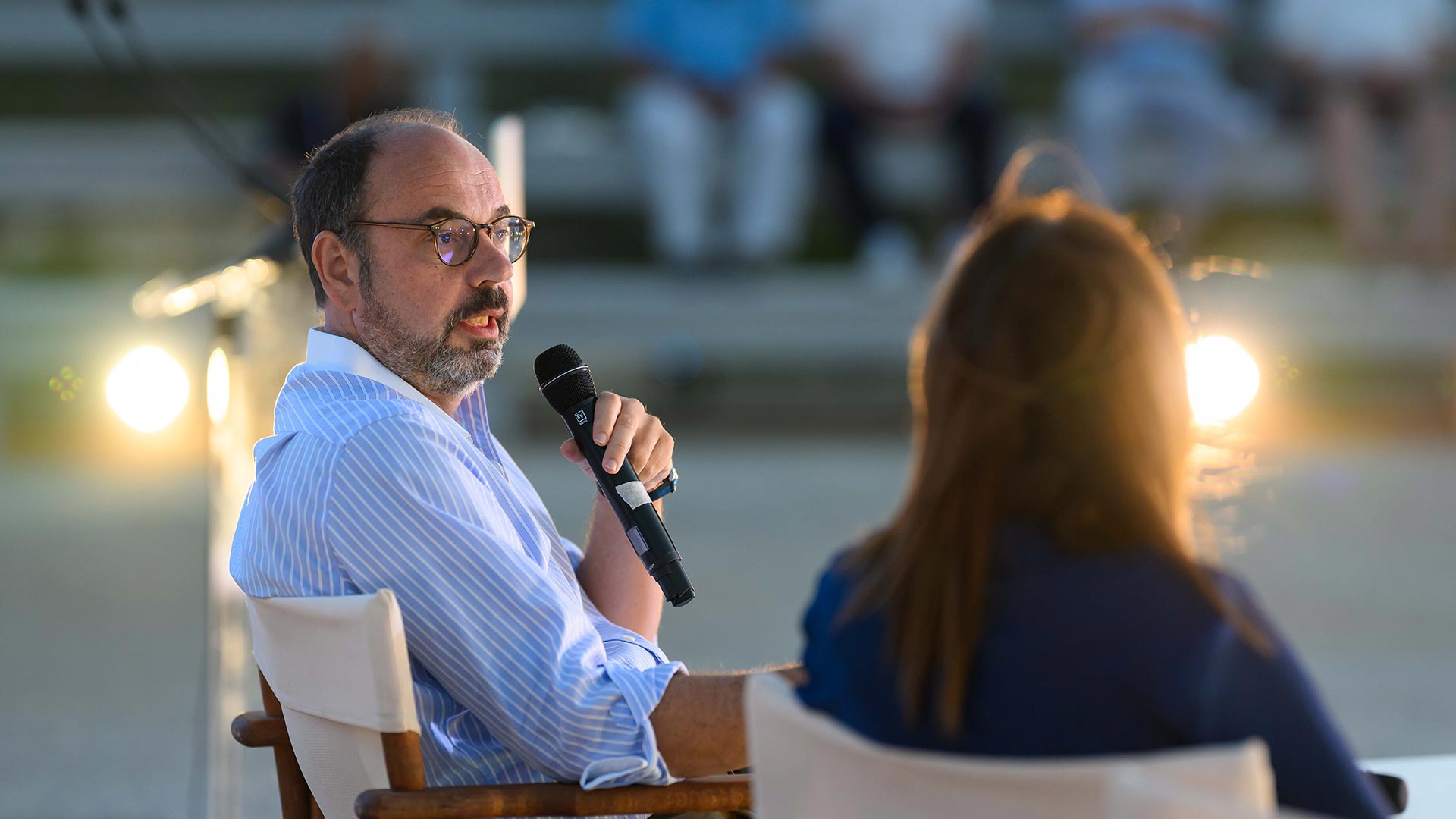
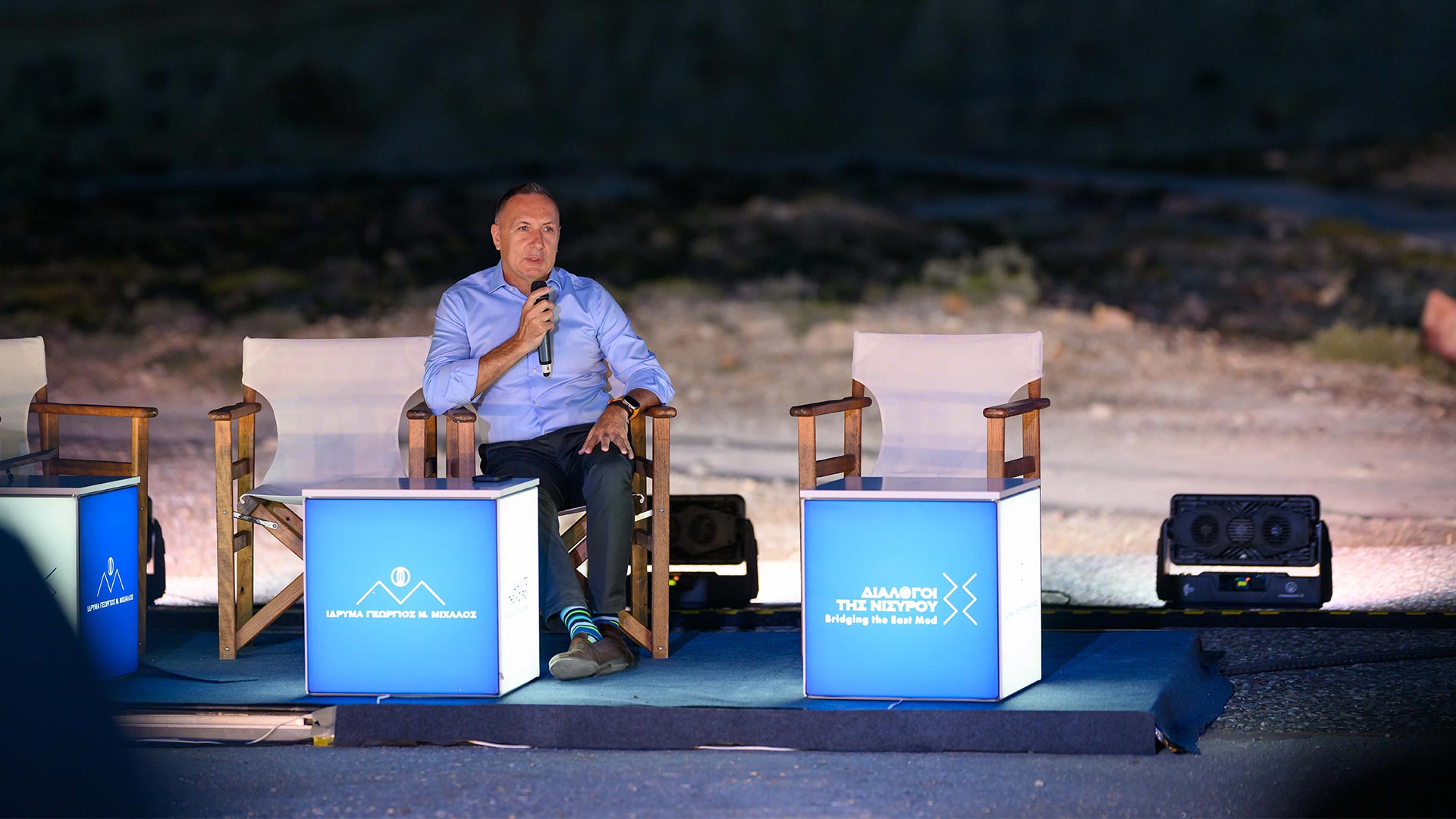
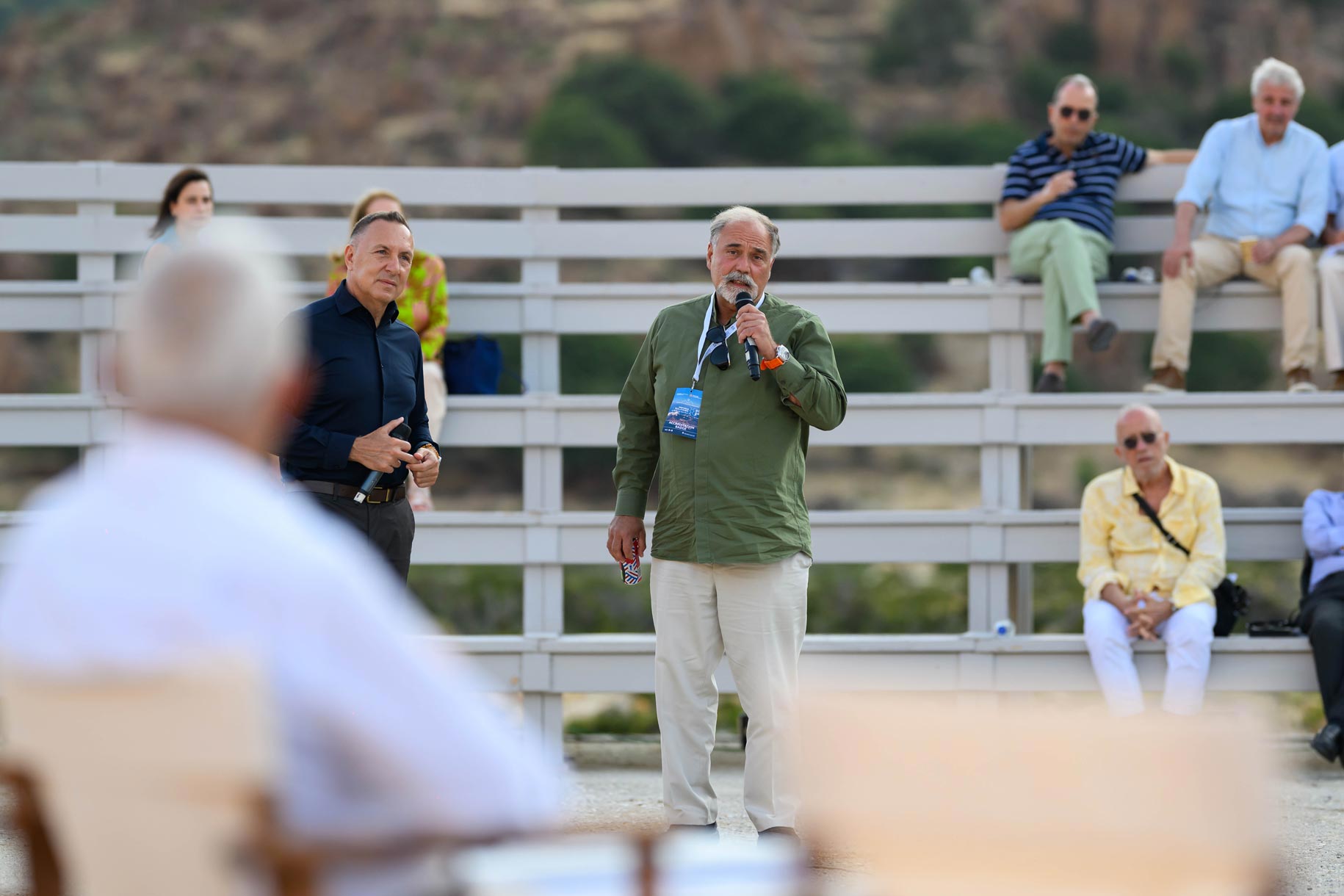
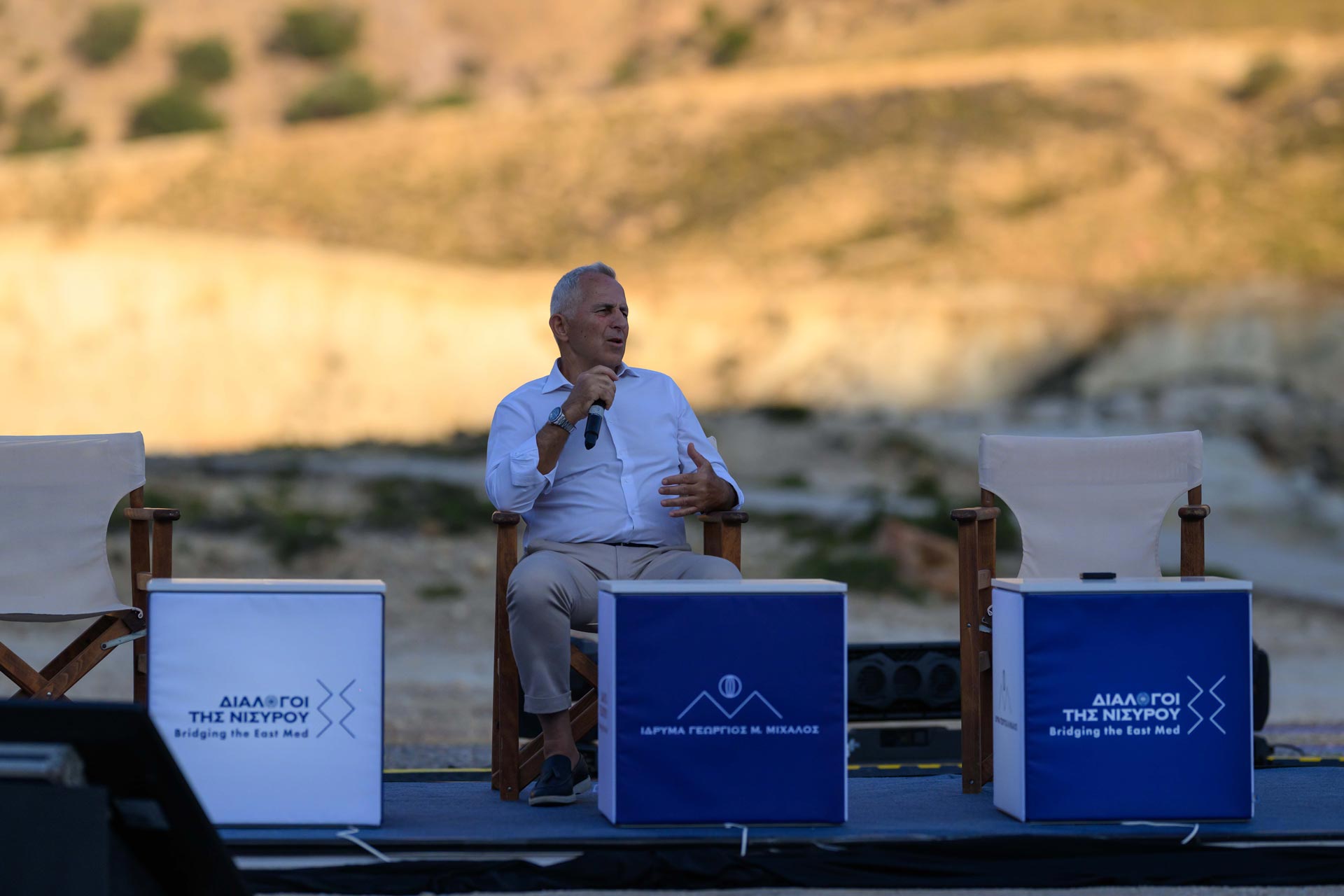
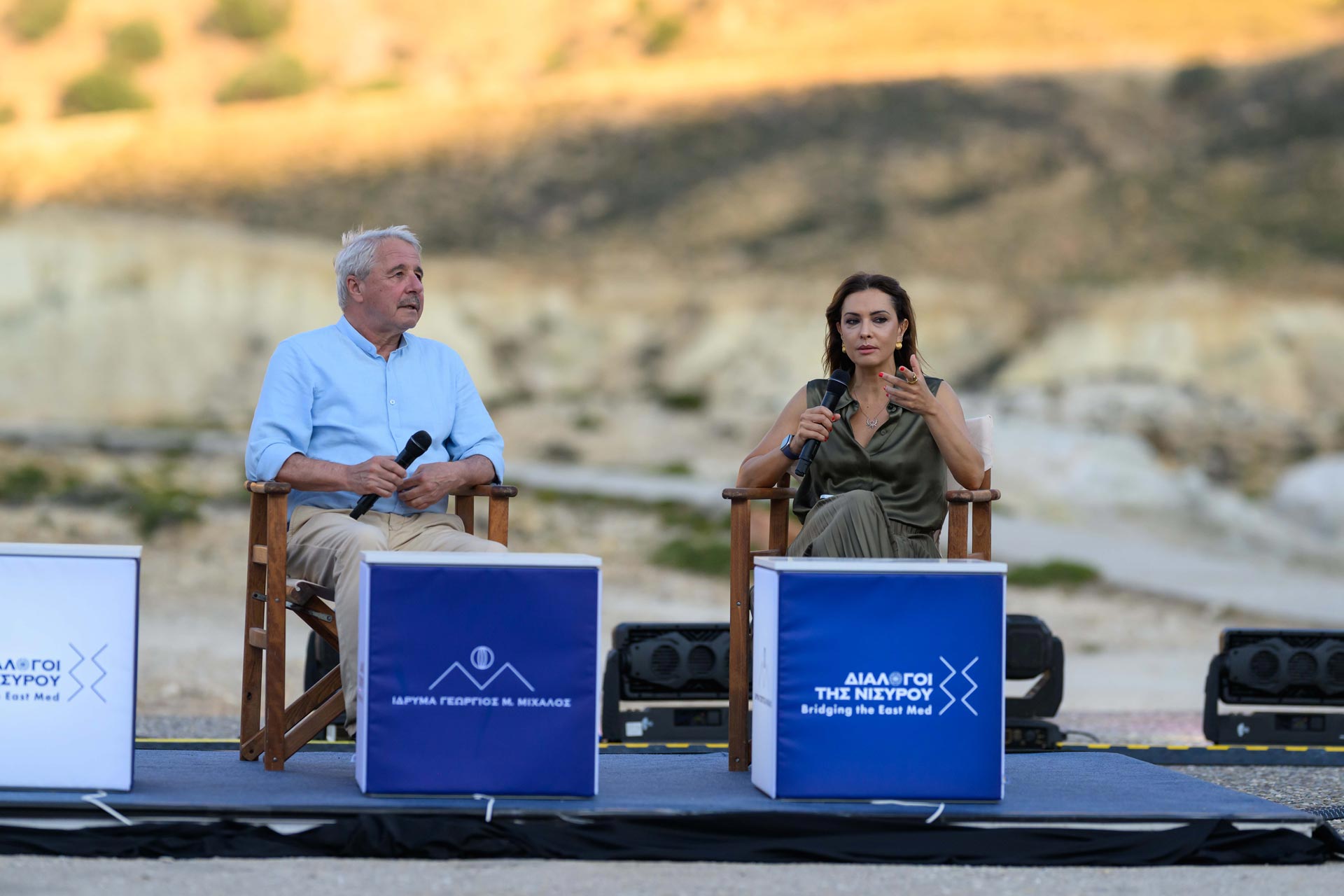
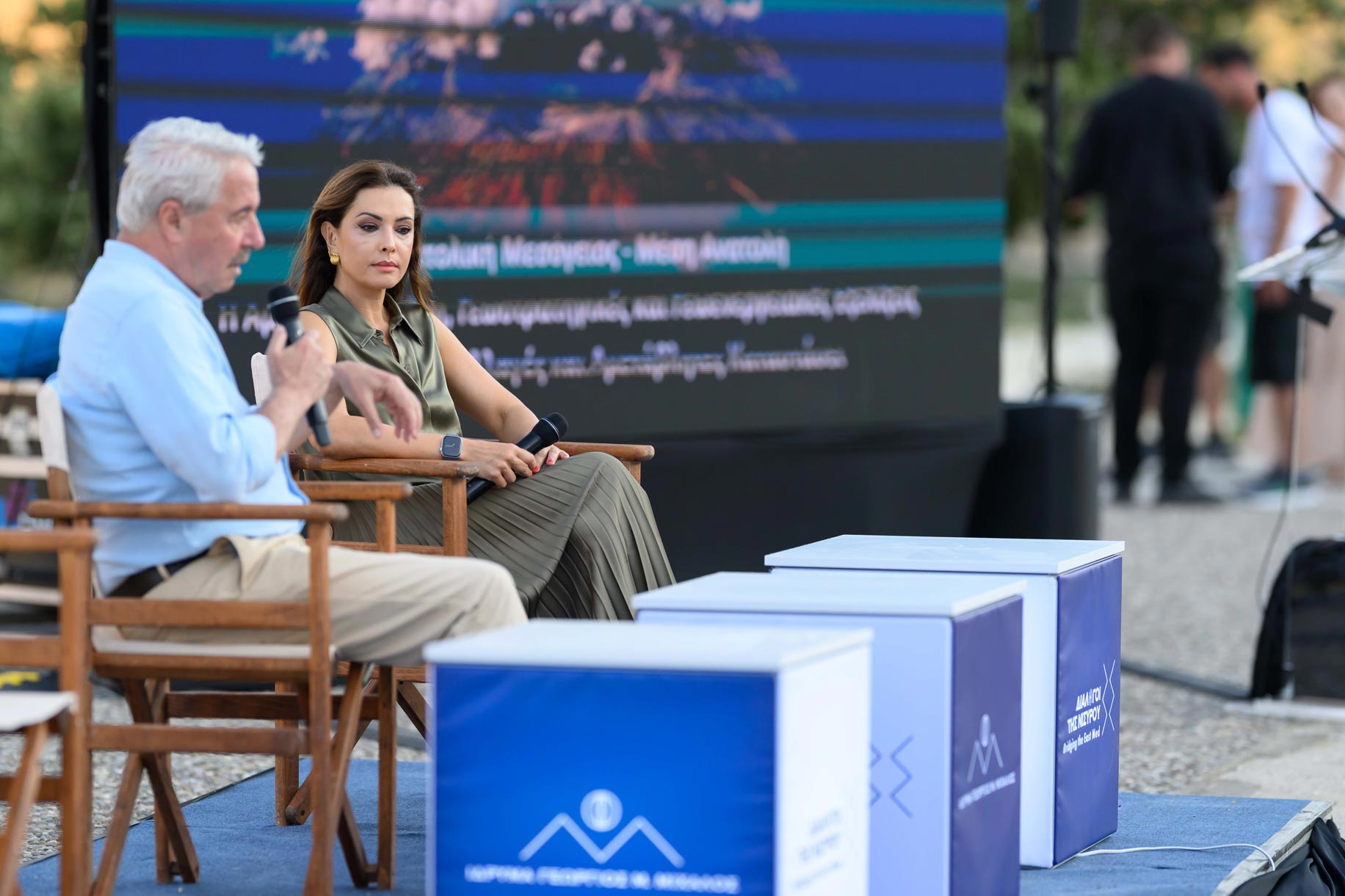
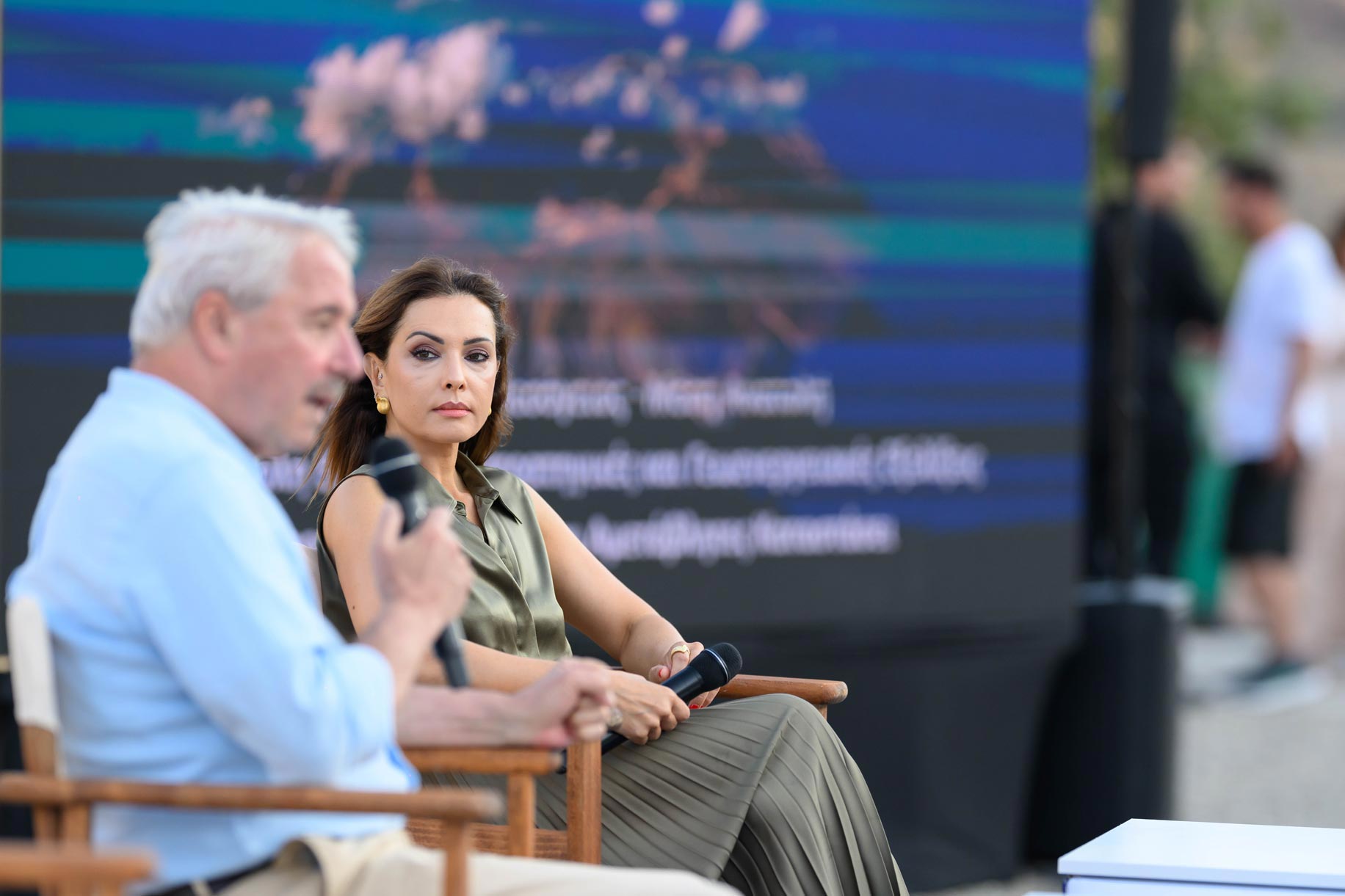
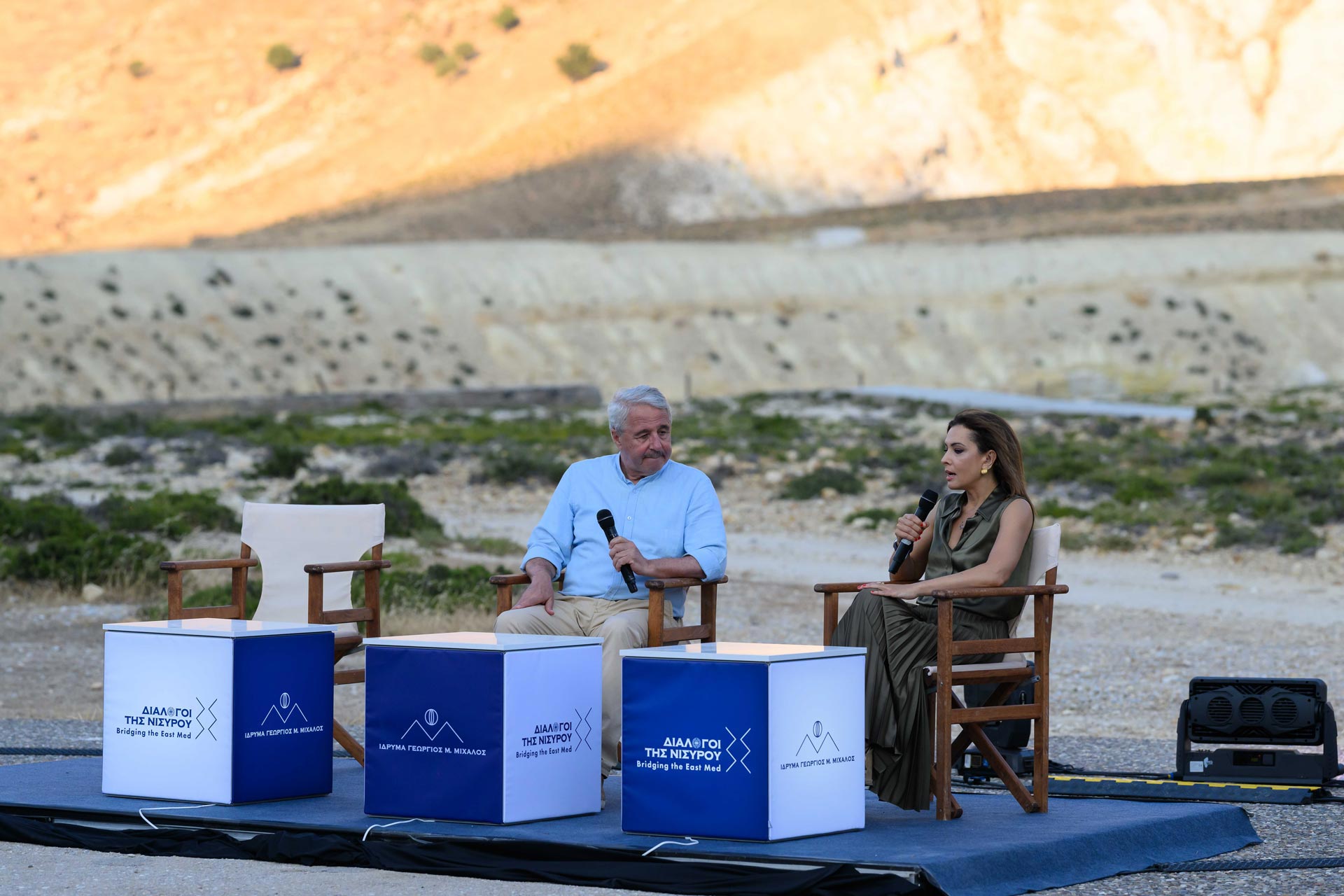
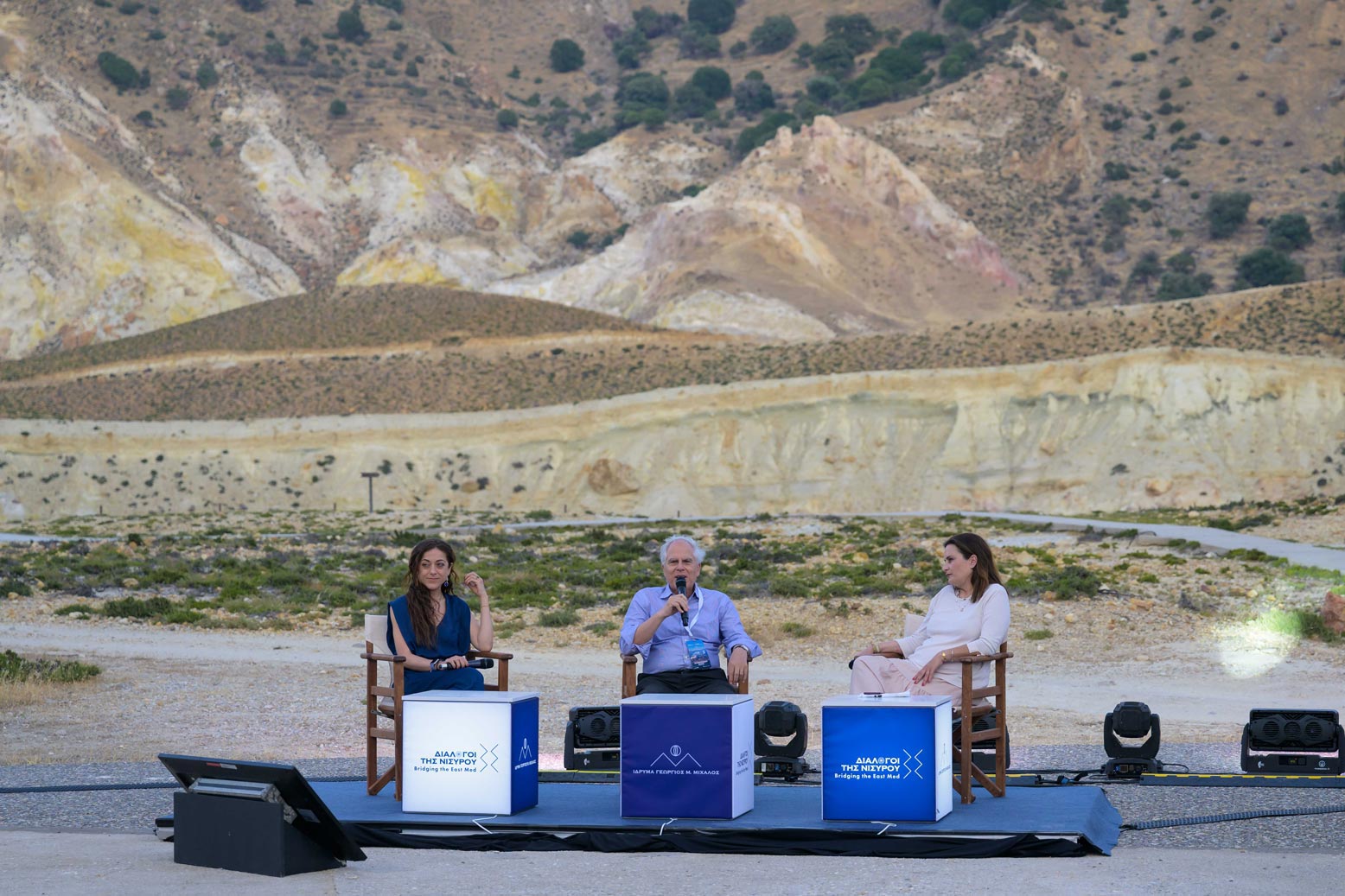
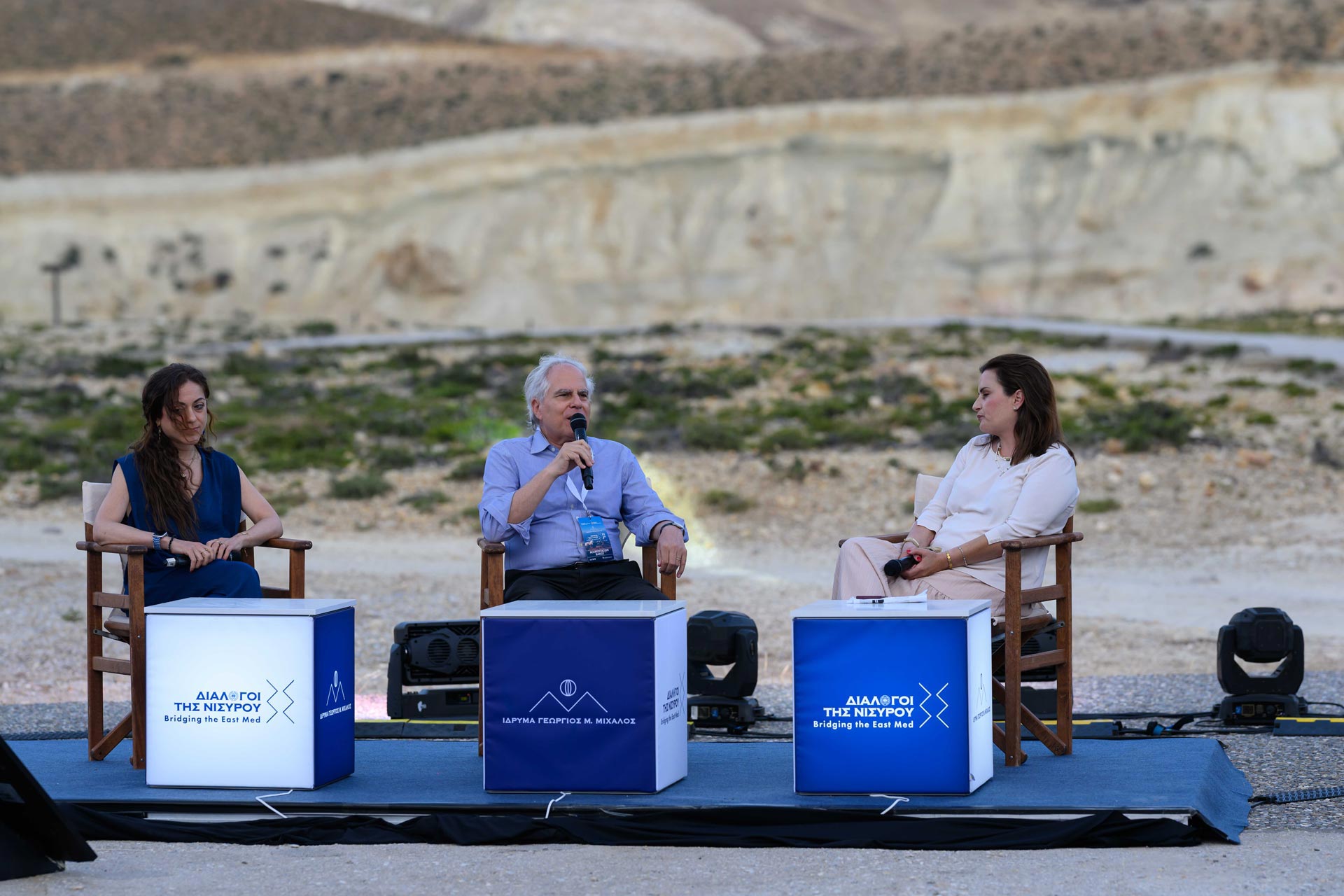
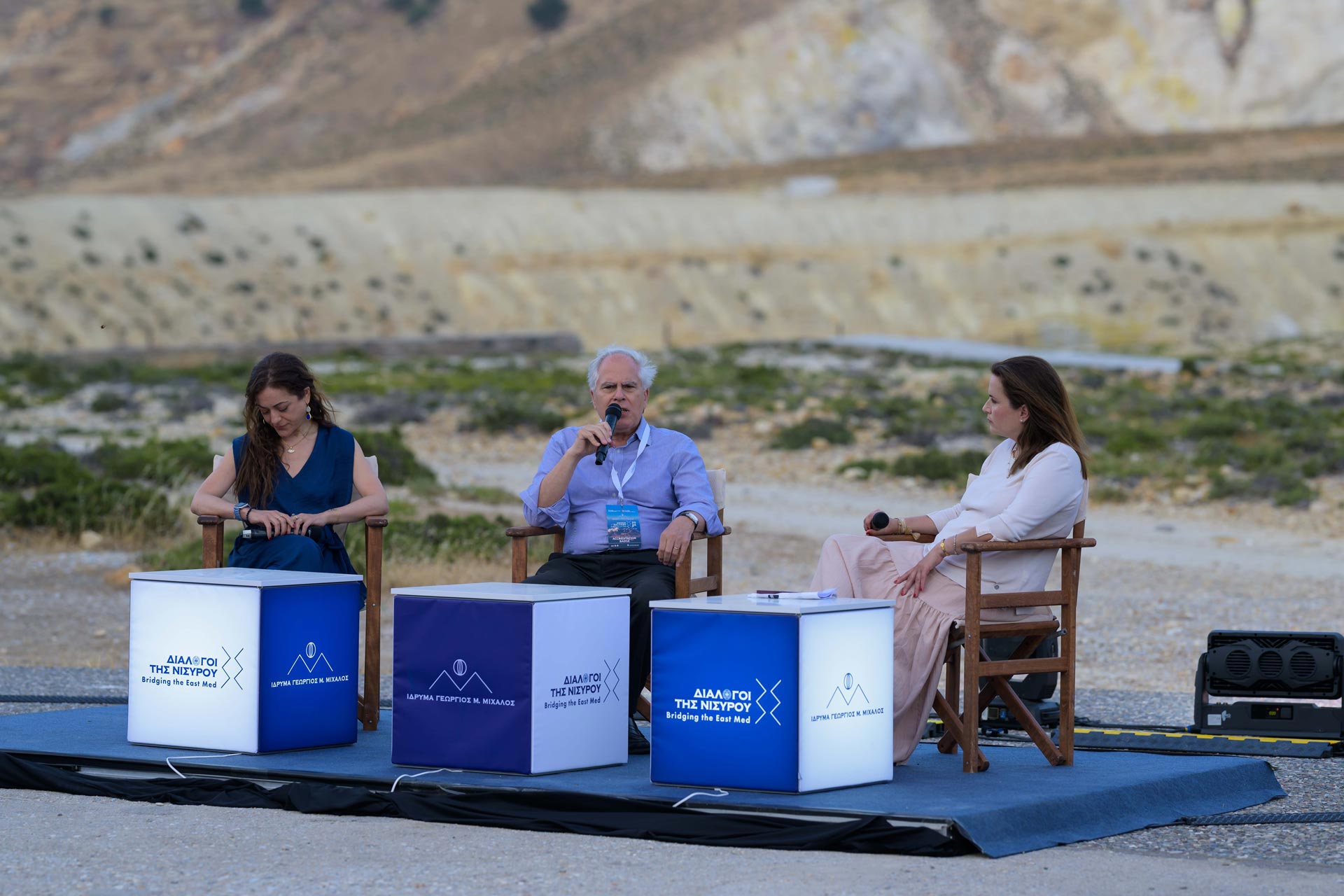
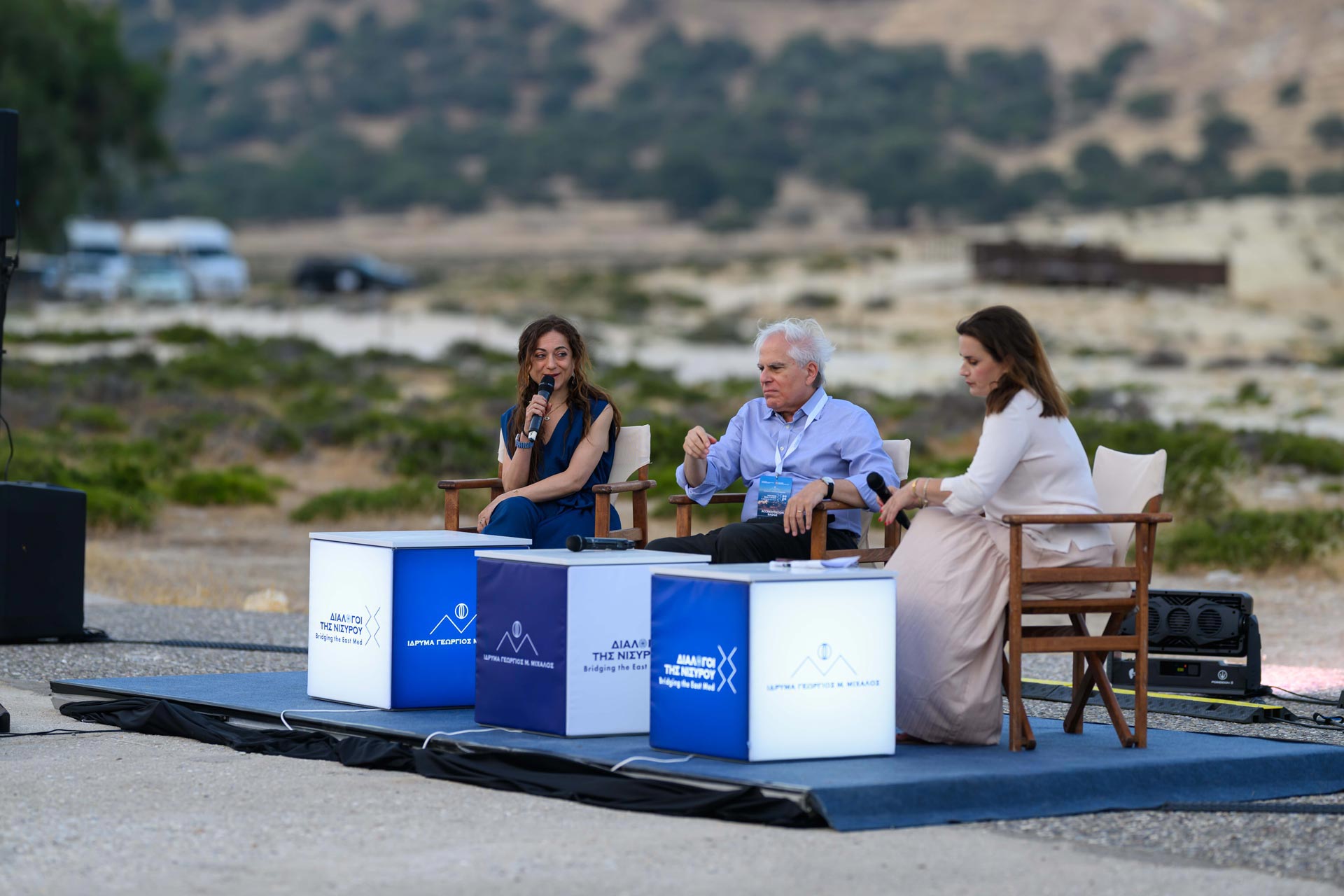
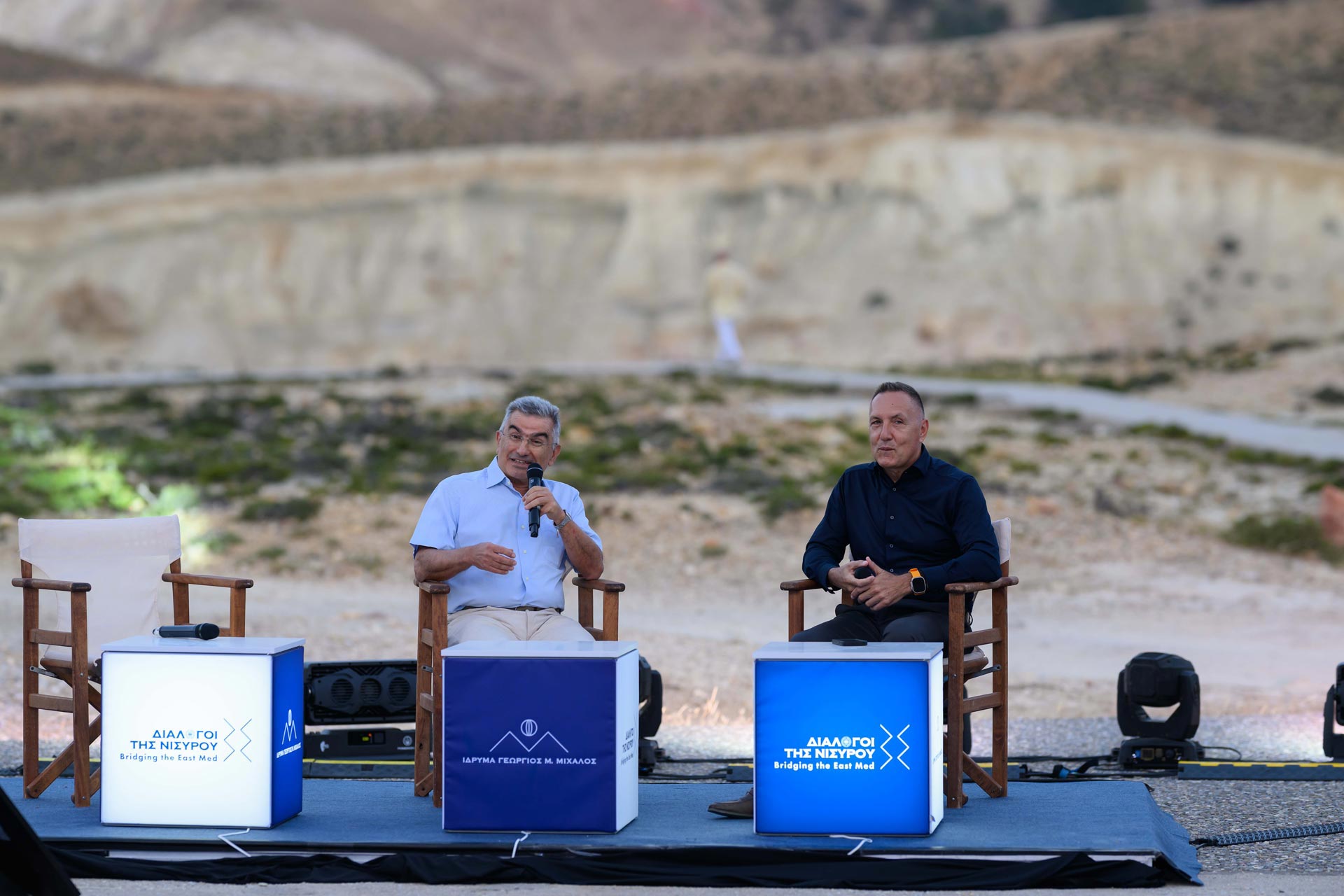
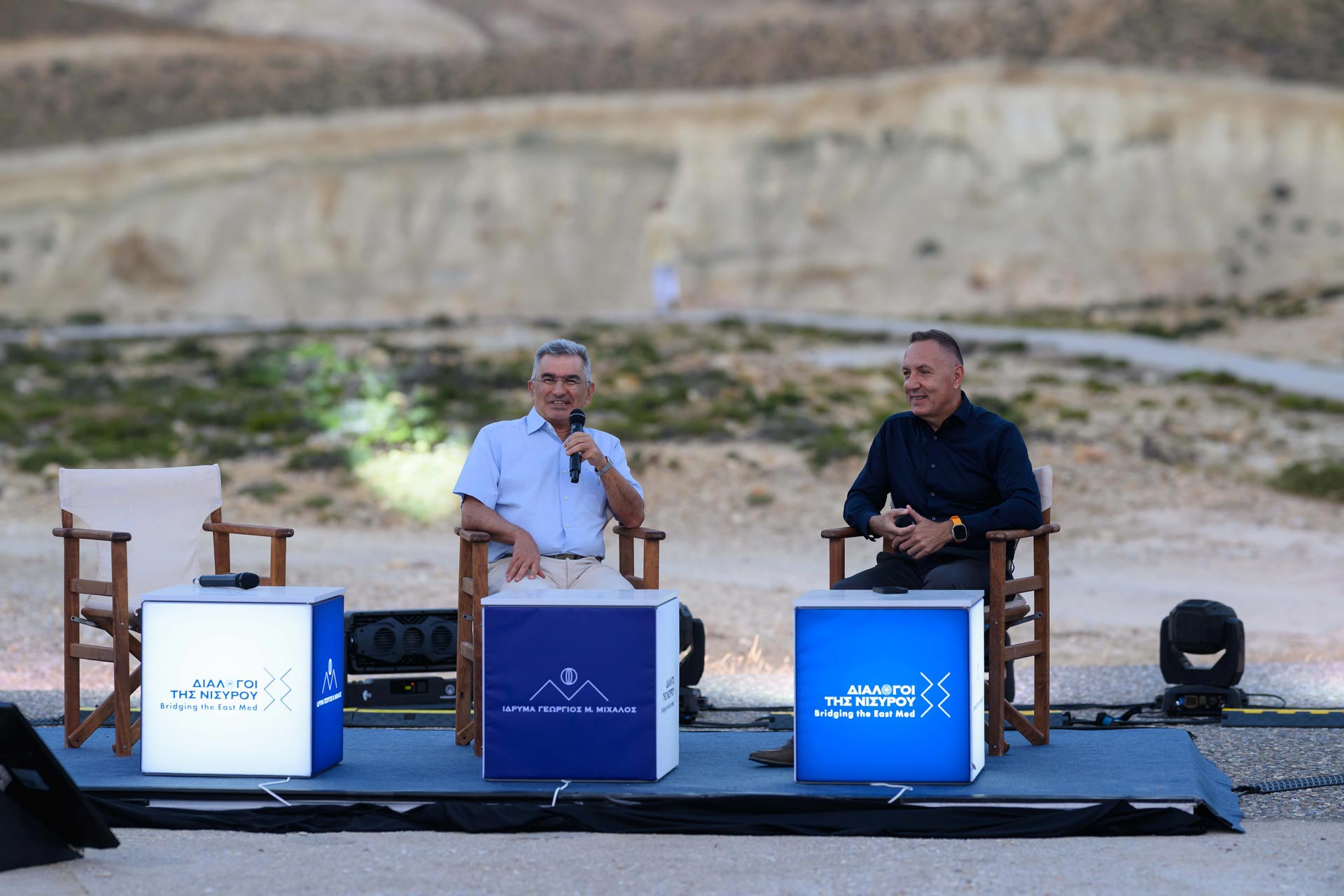
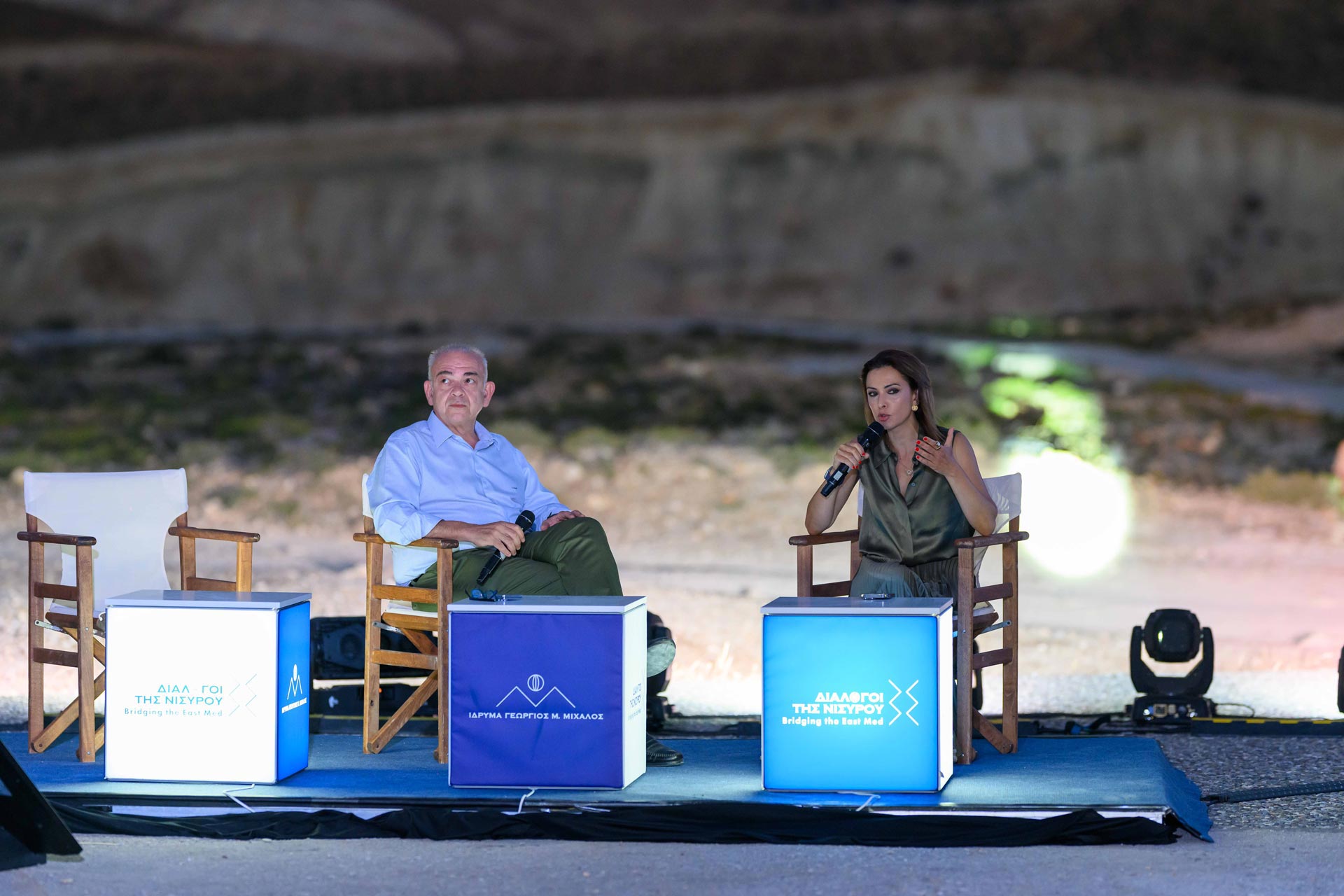
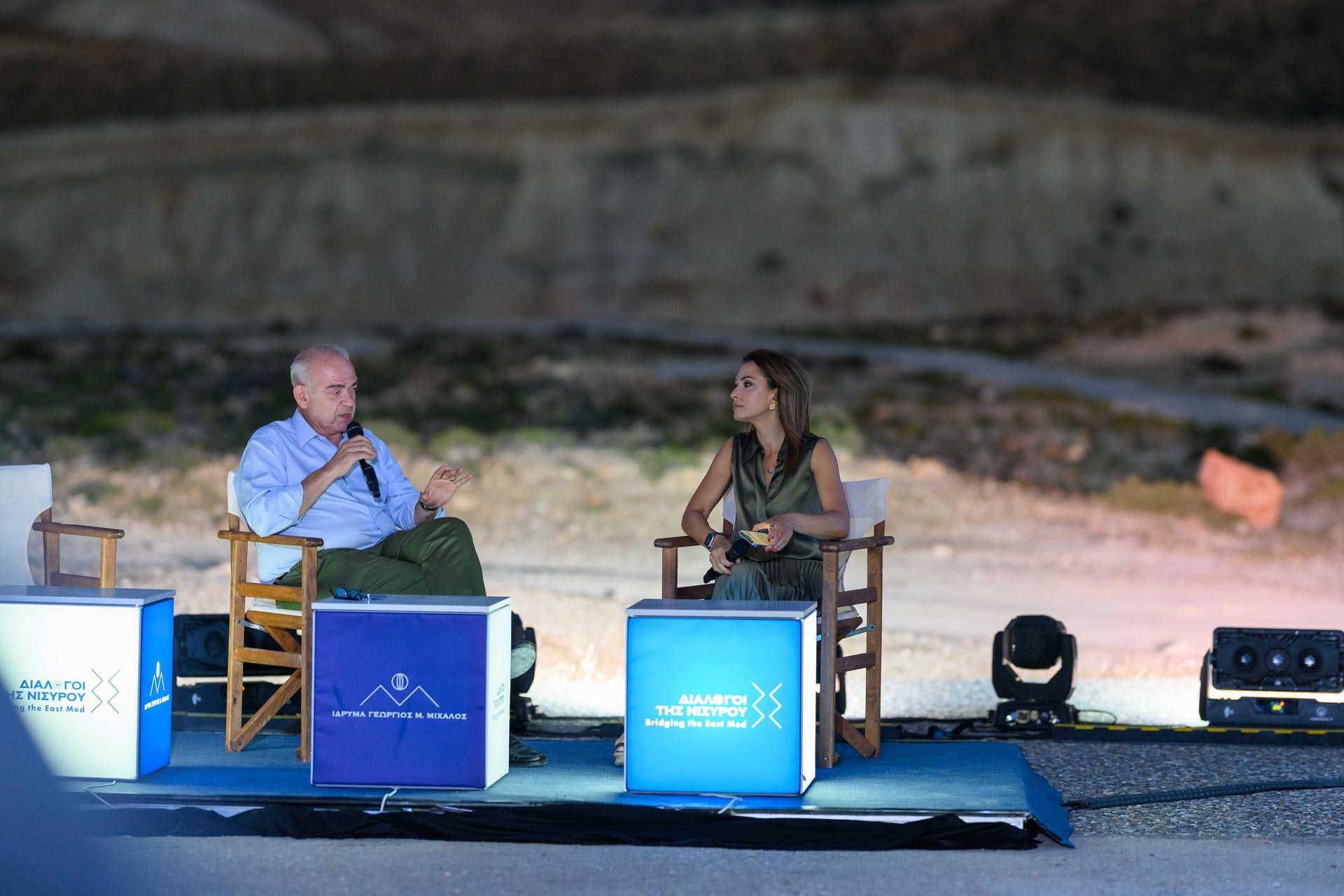
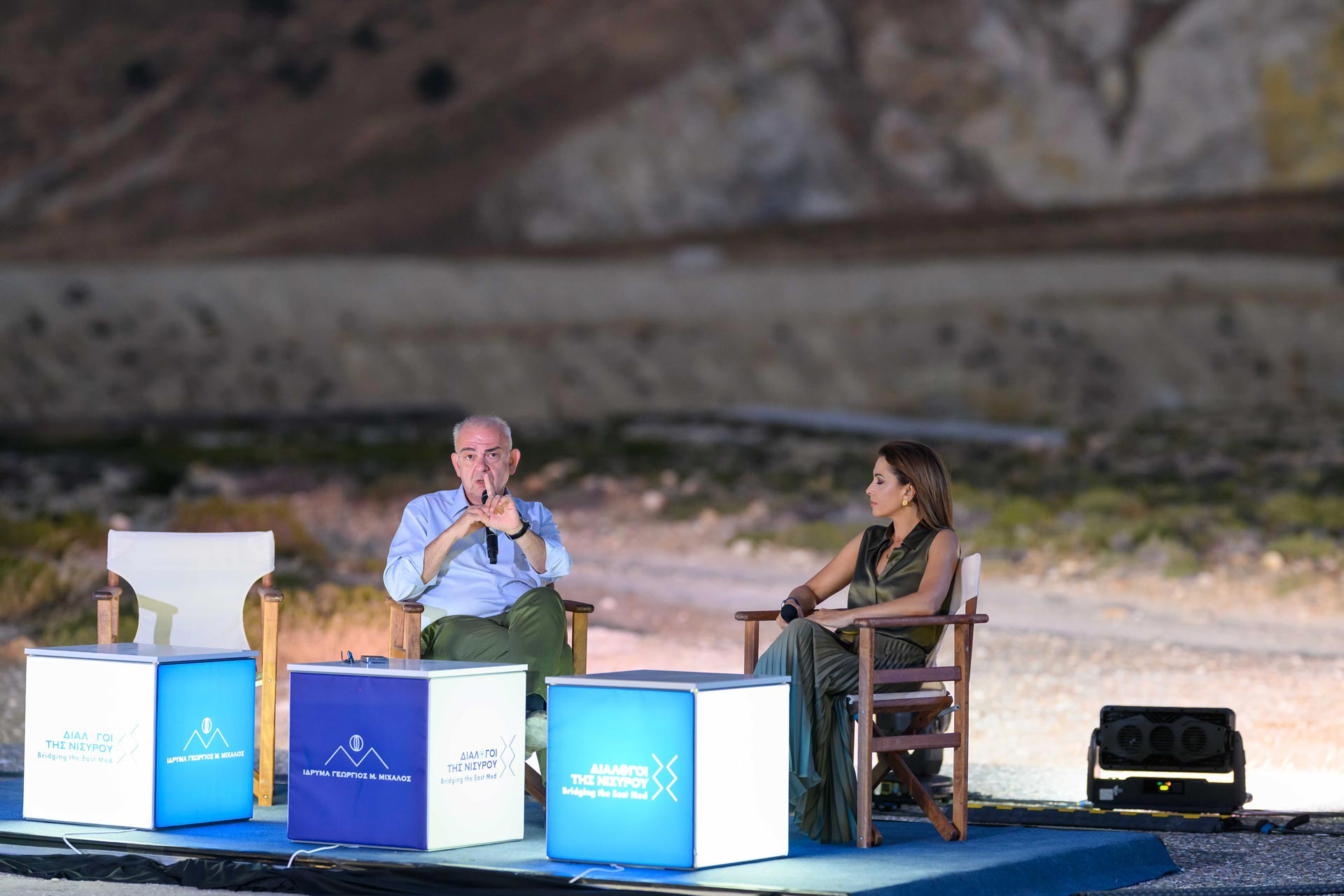
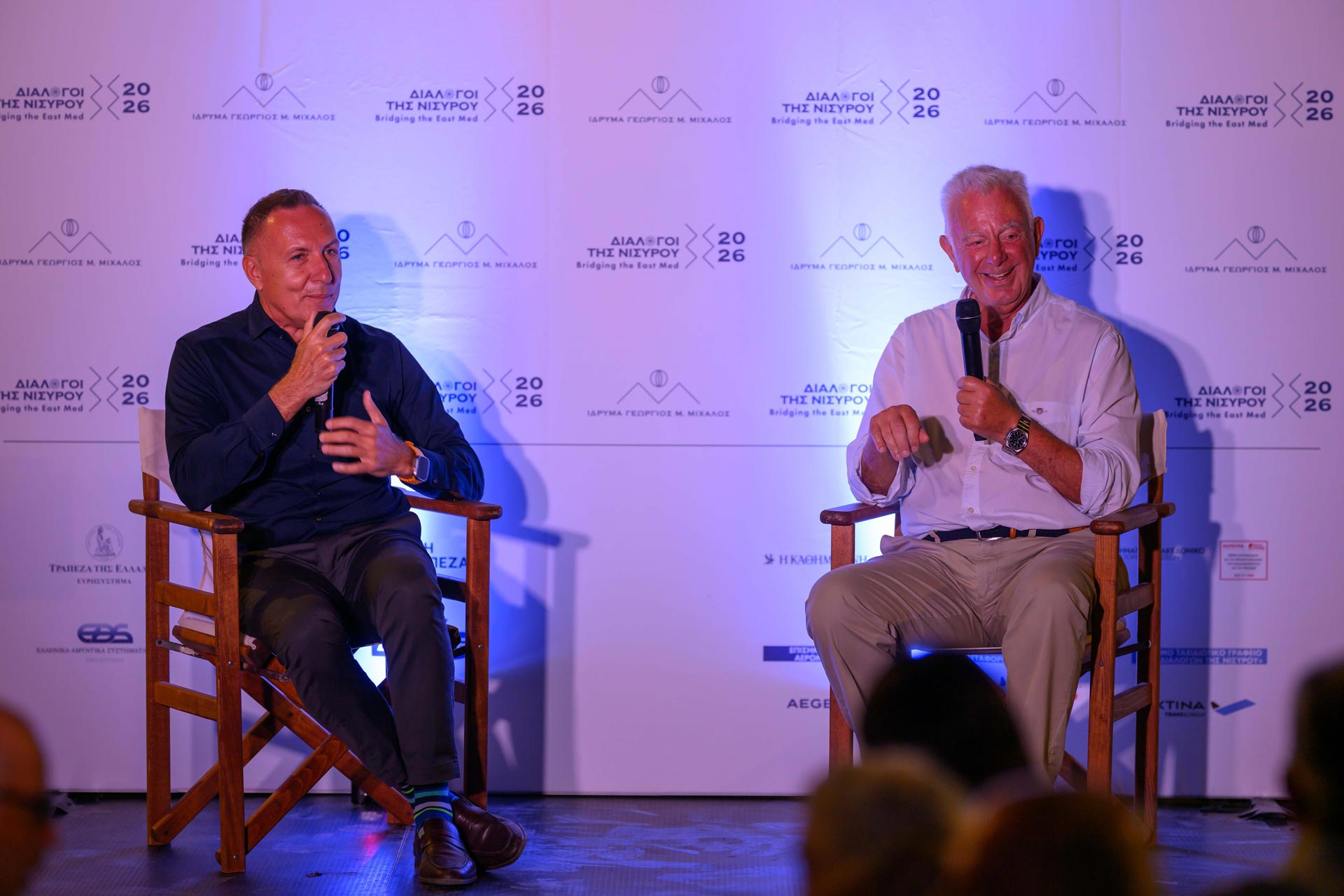
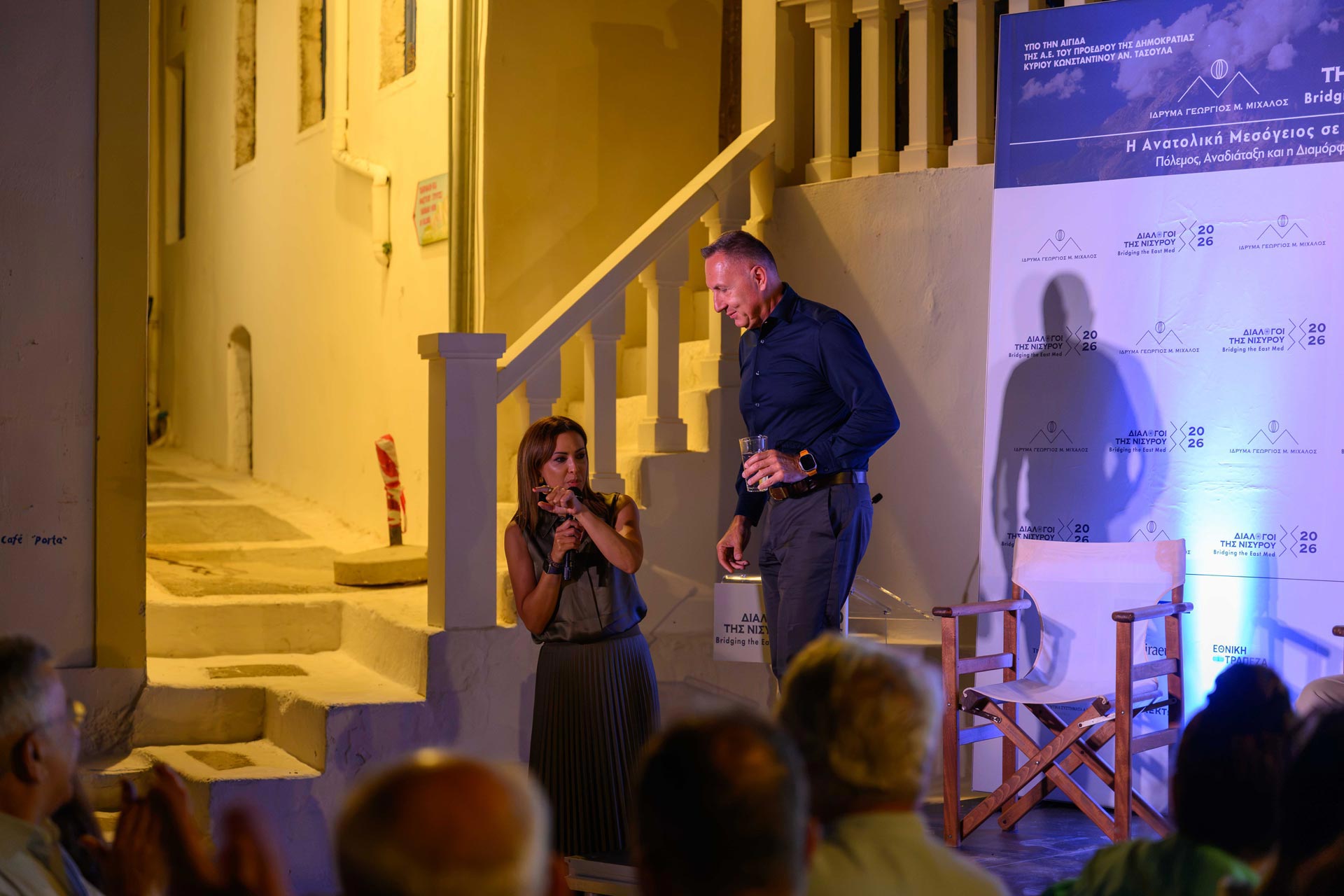
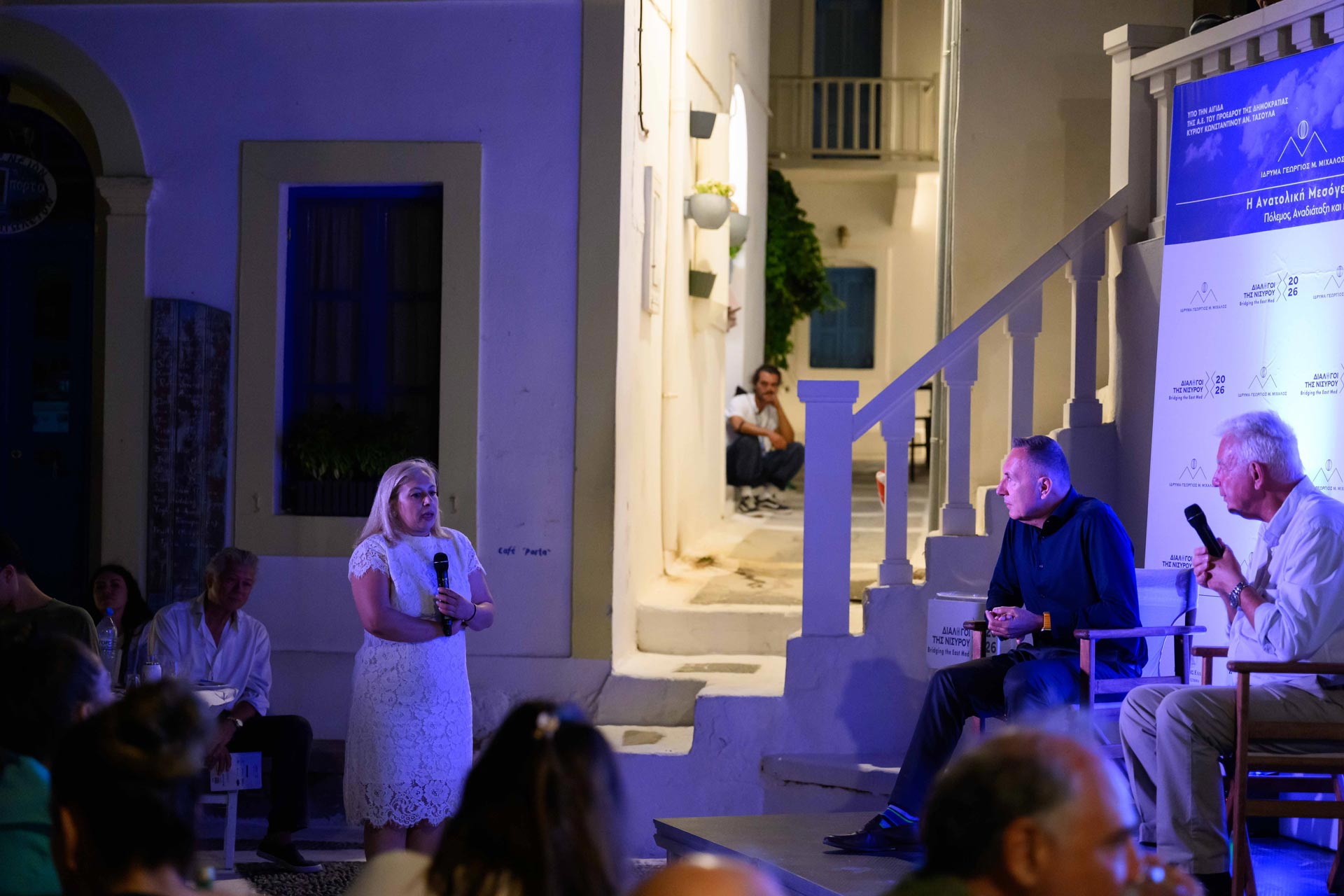
The first day of the «Dialogues» opened with a reflection on democracy itself: the quality of political dialogue, the role of political parties, and how public opinion is shaped today, drawing on polling data and the views of figures from across the political spectrum.

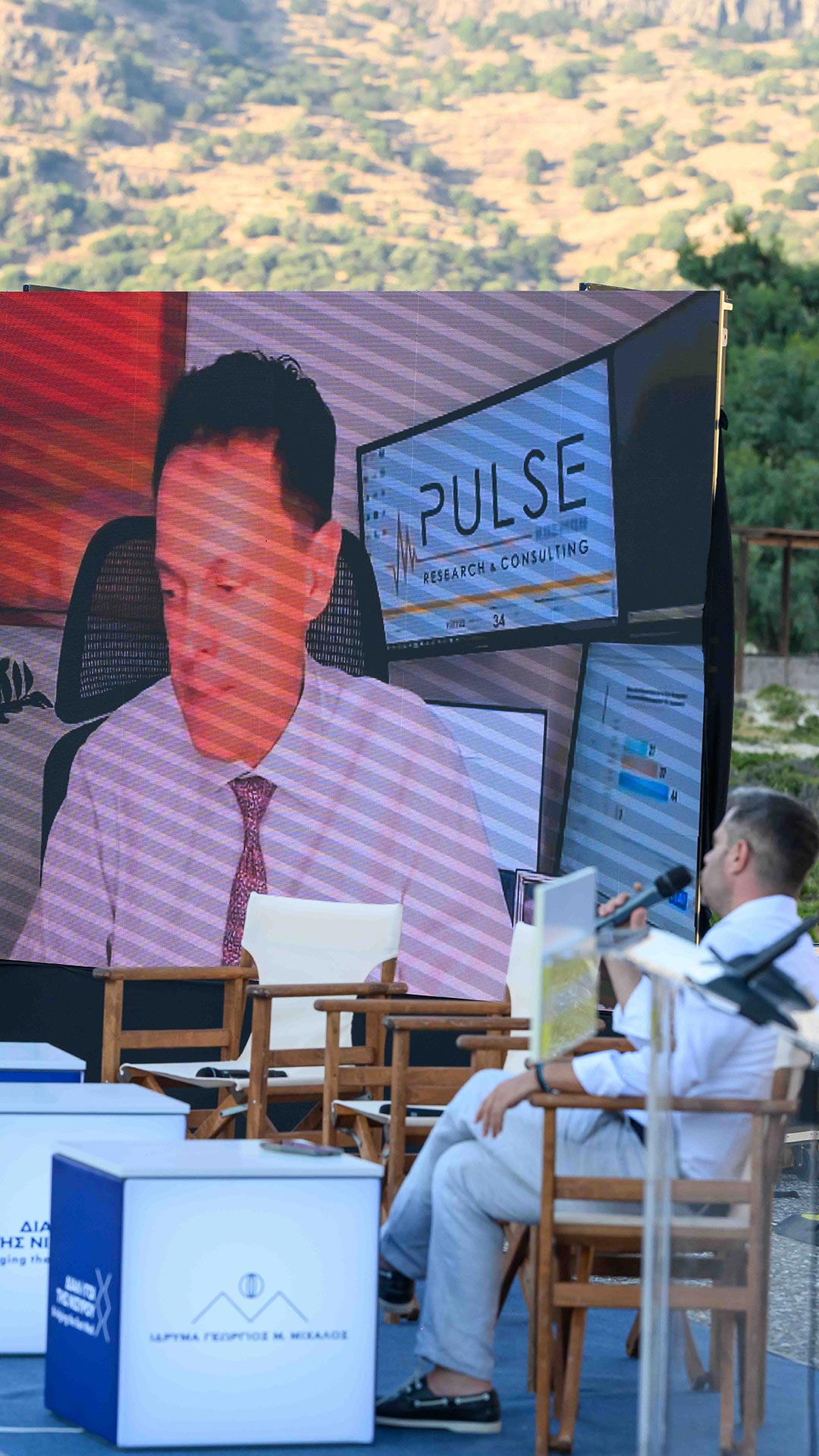
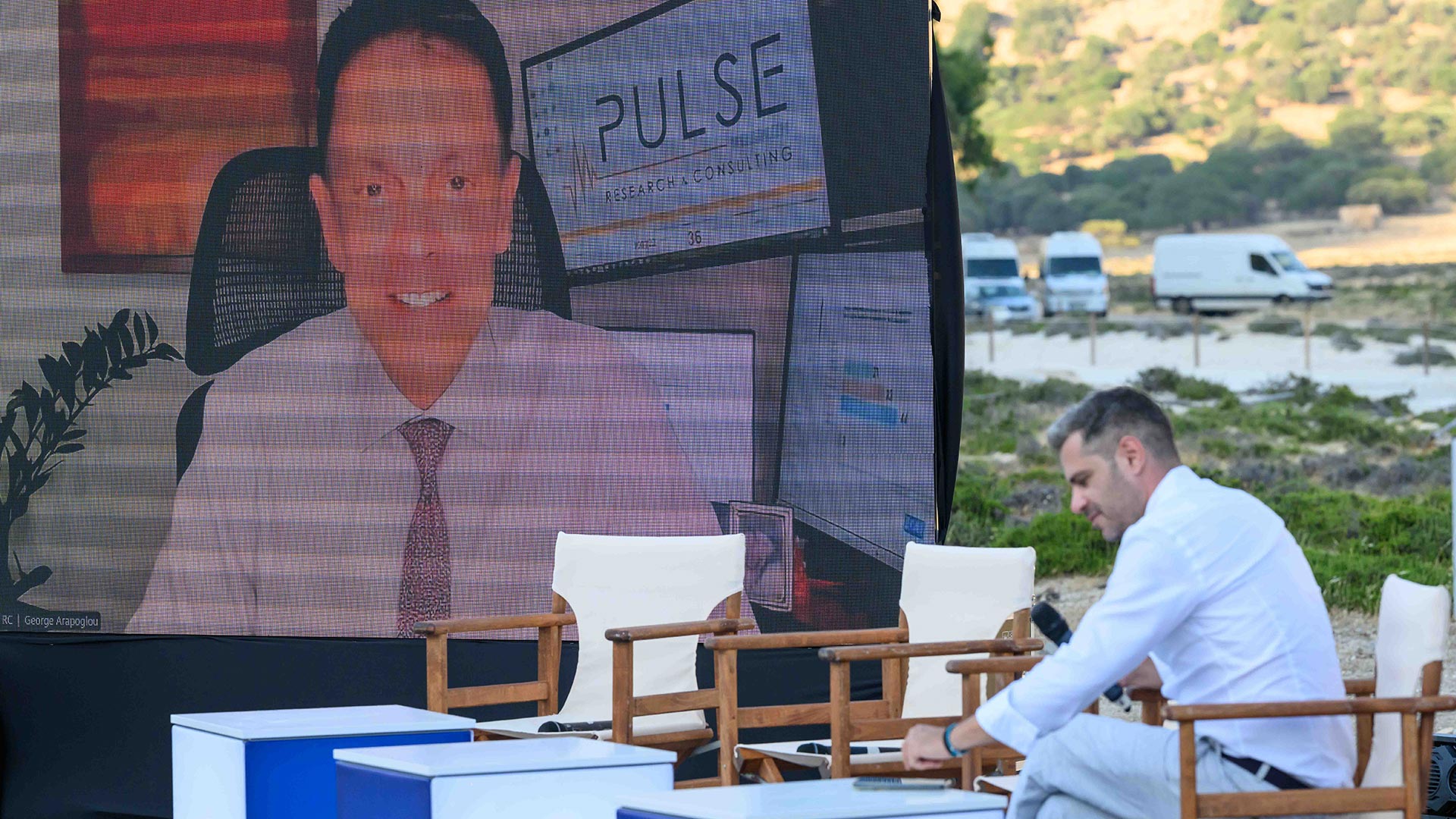
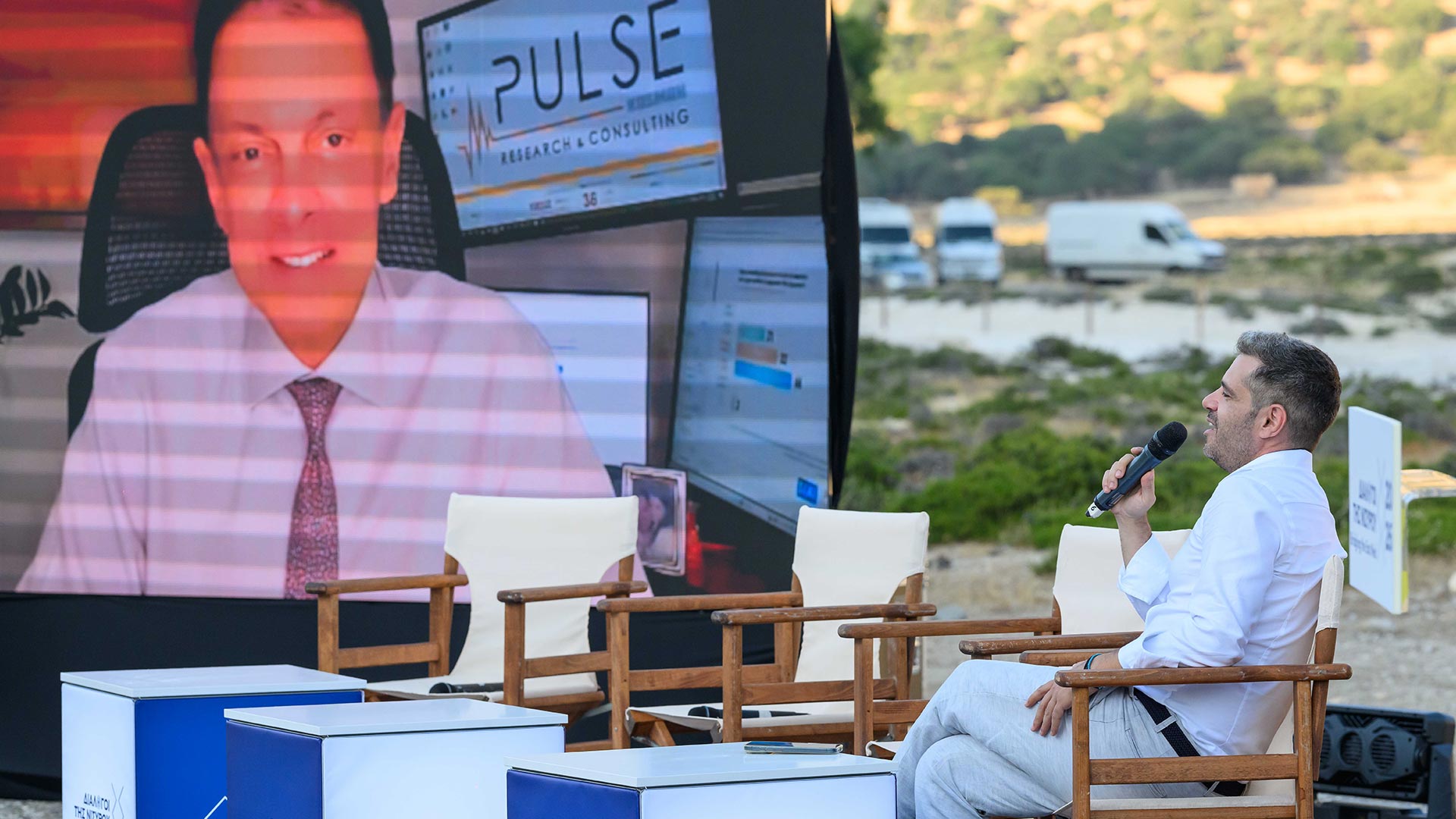
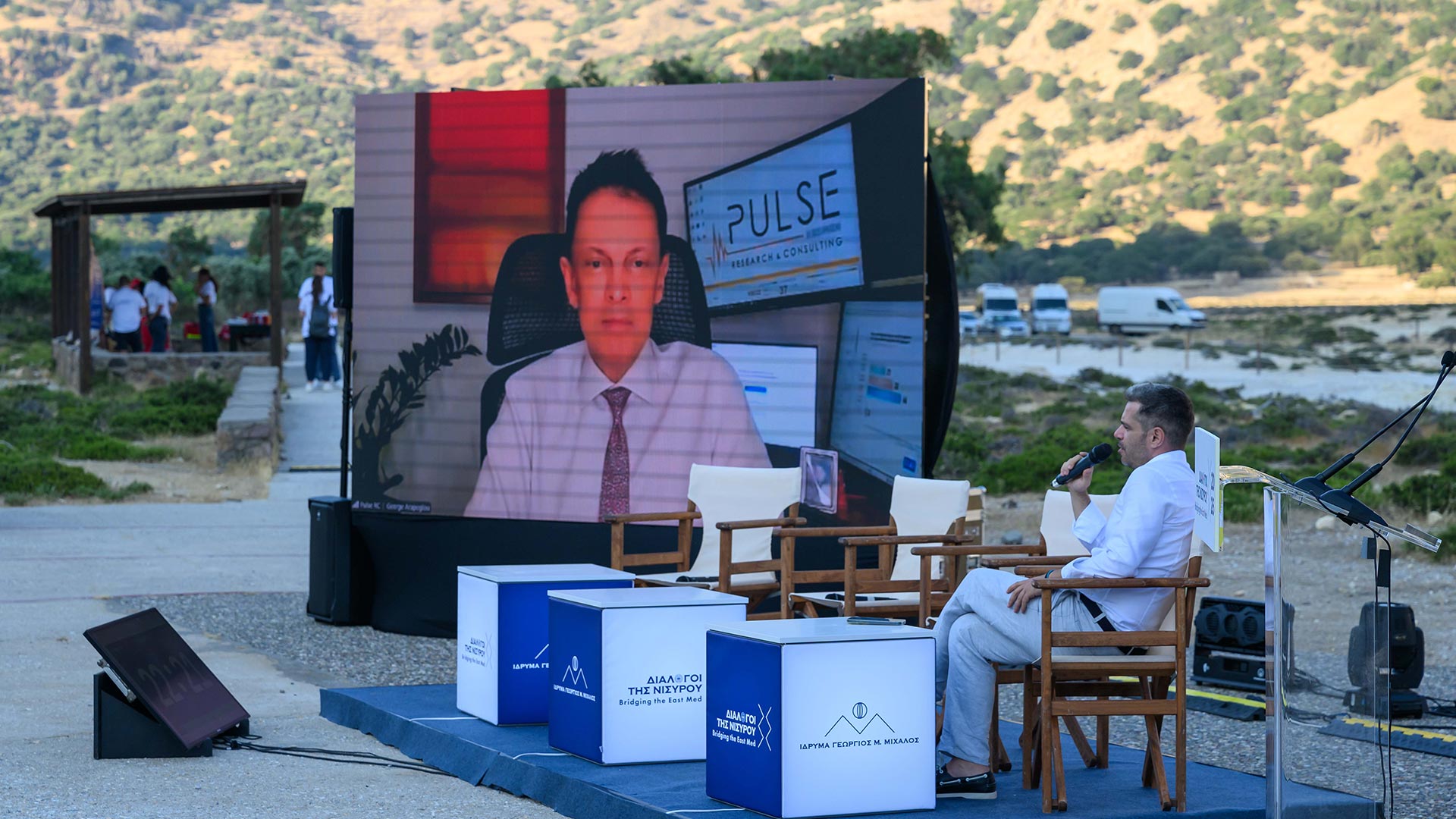
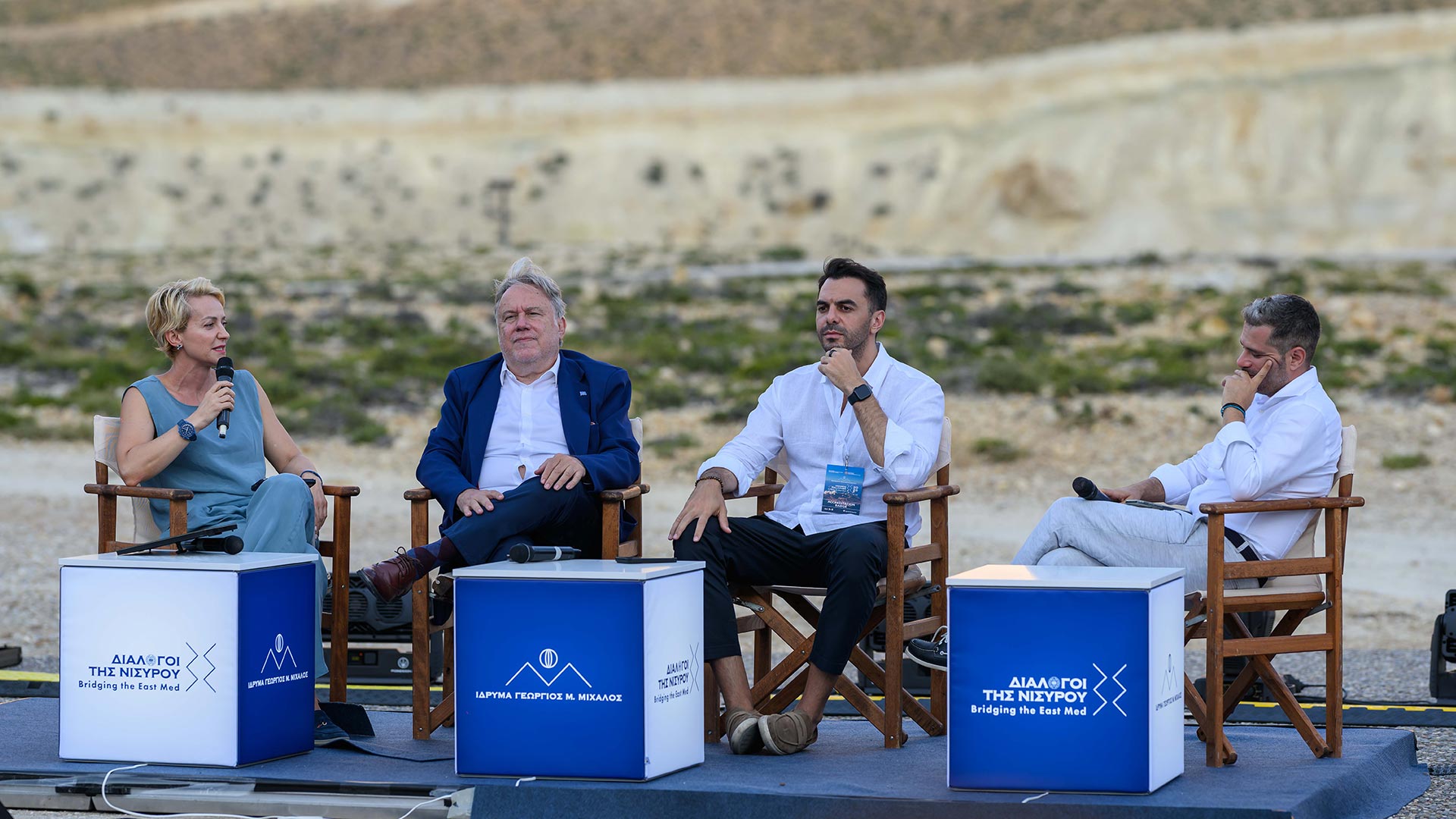
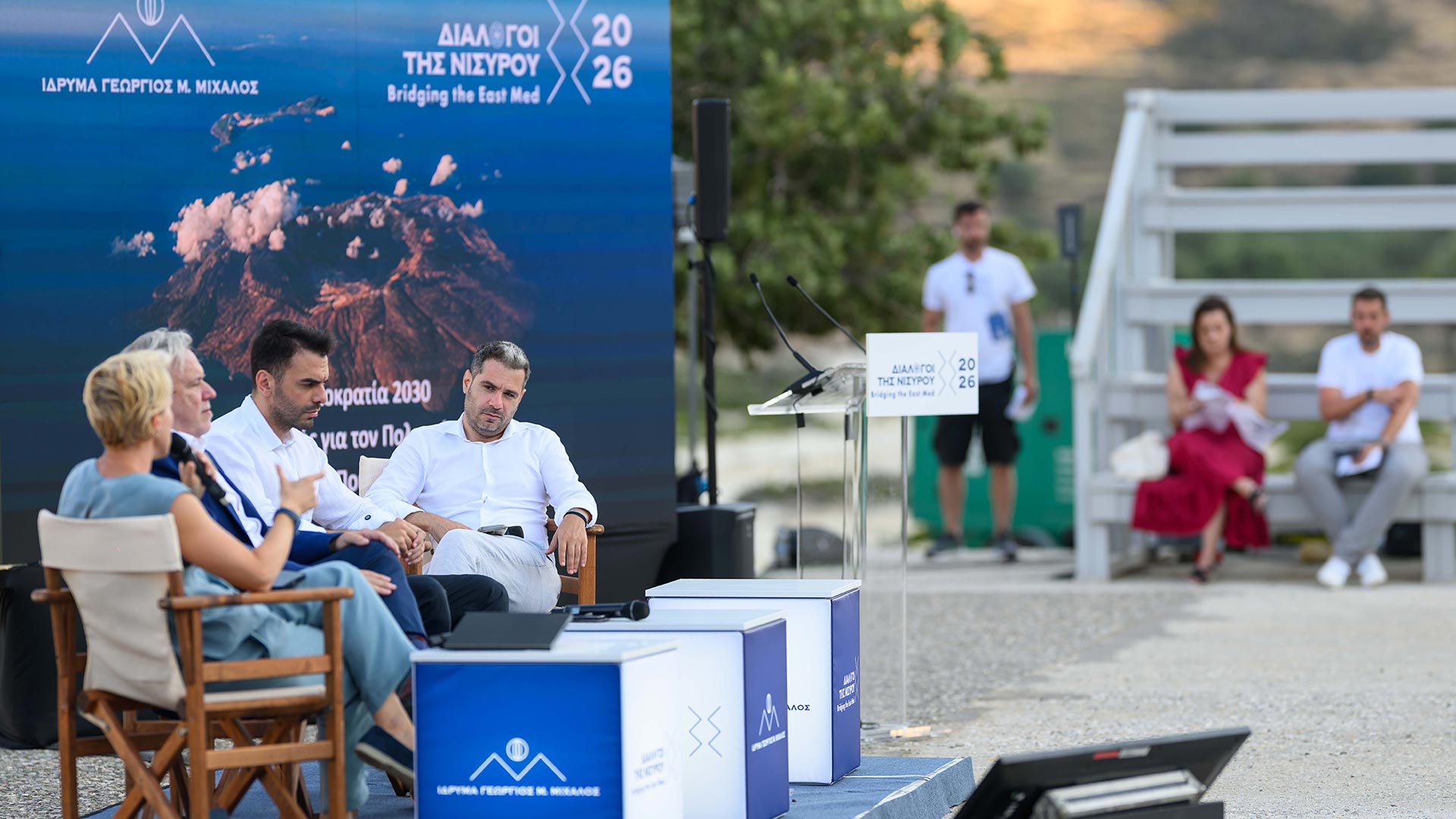
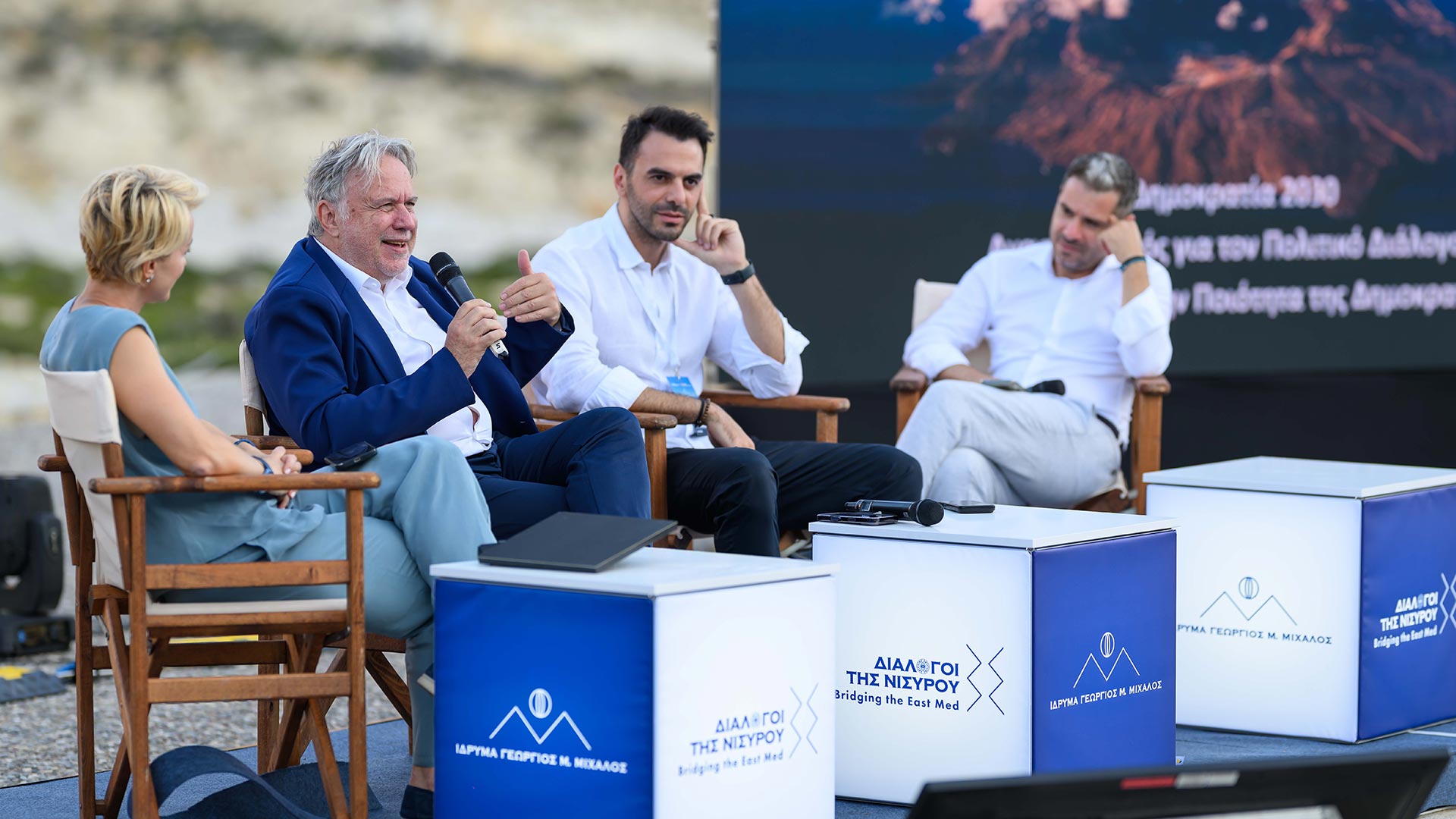
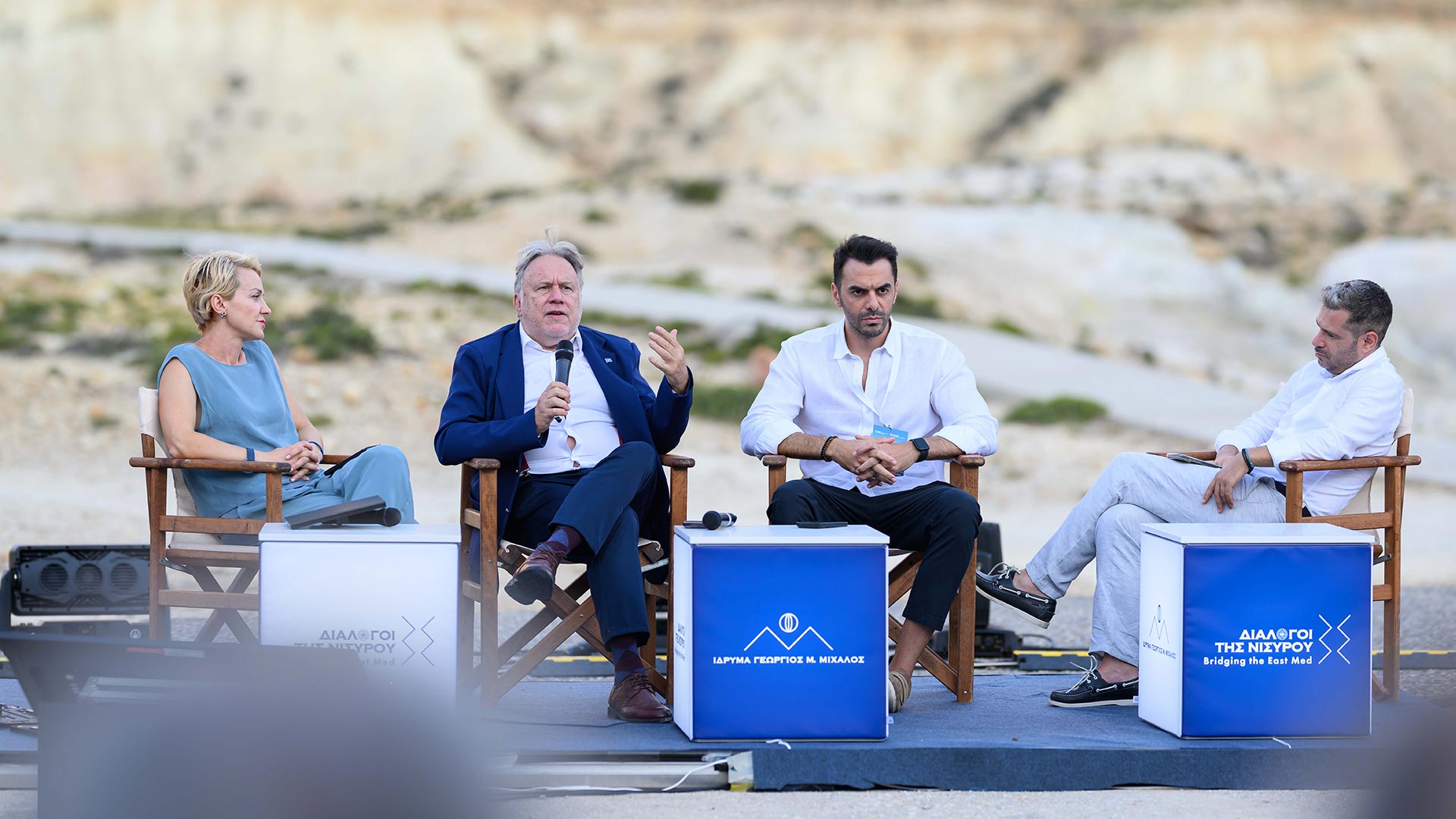
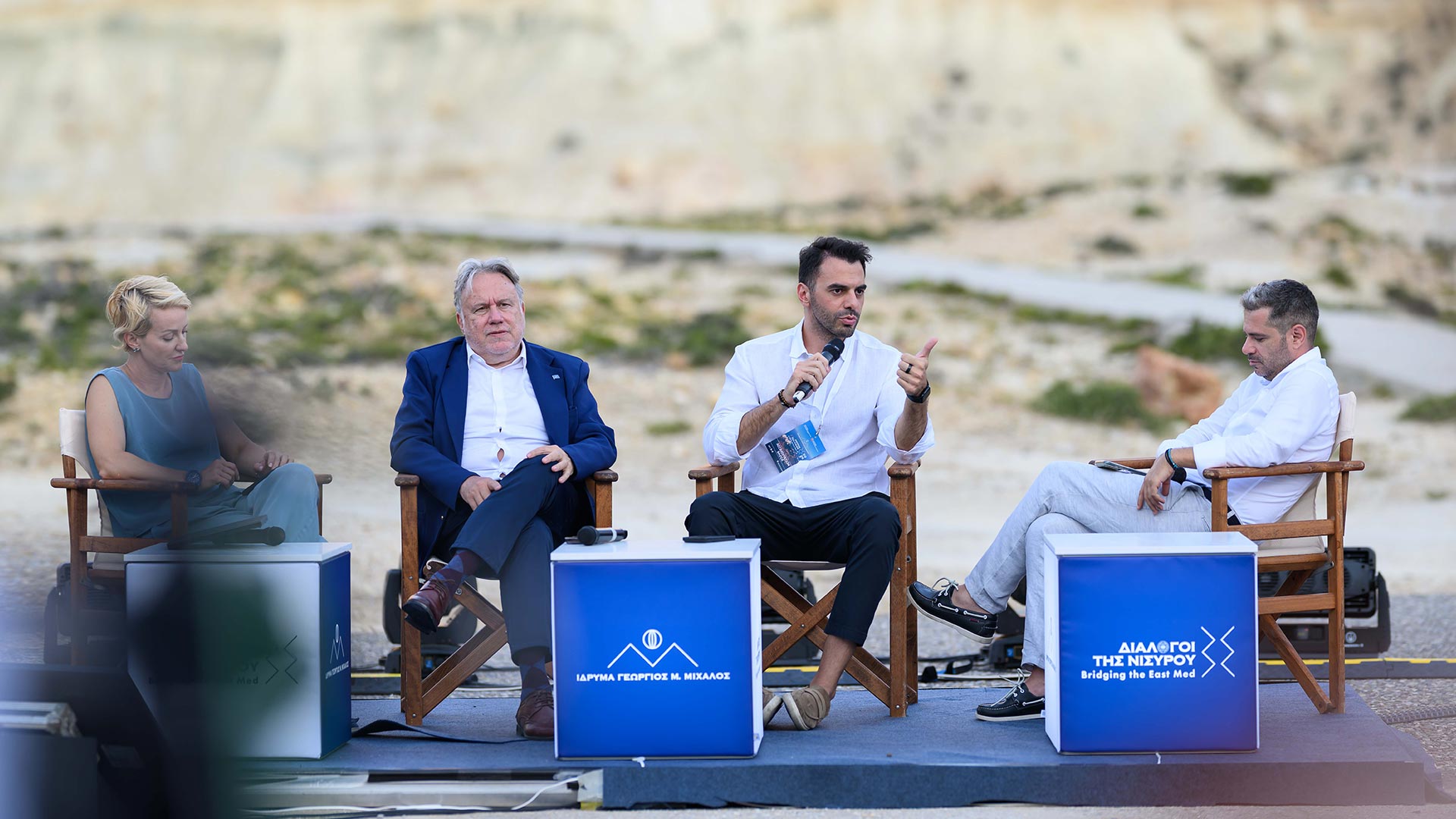
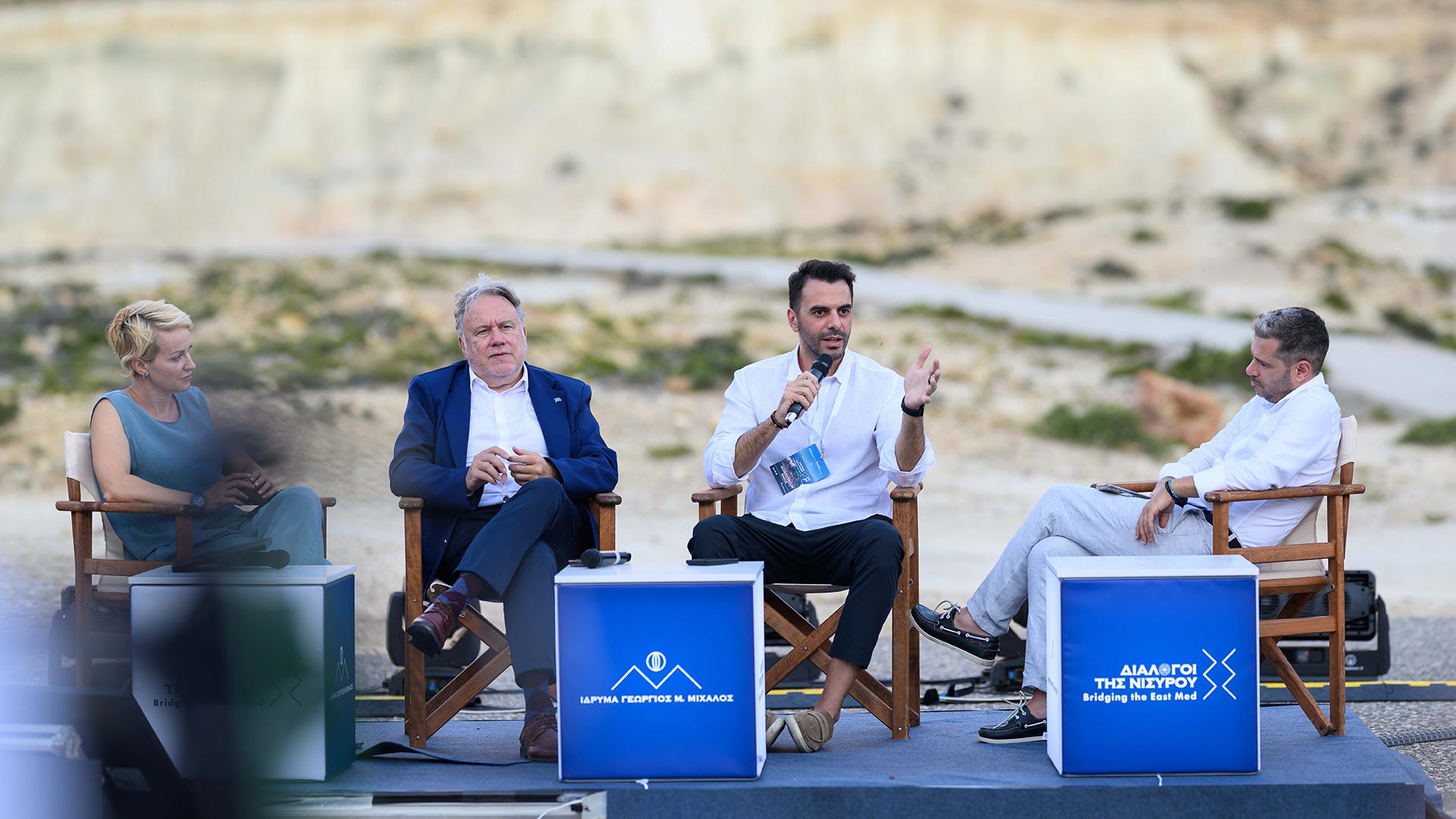
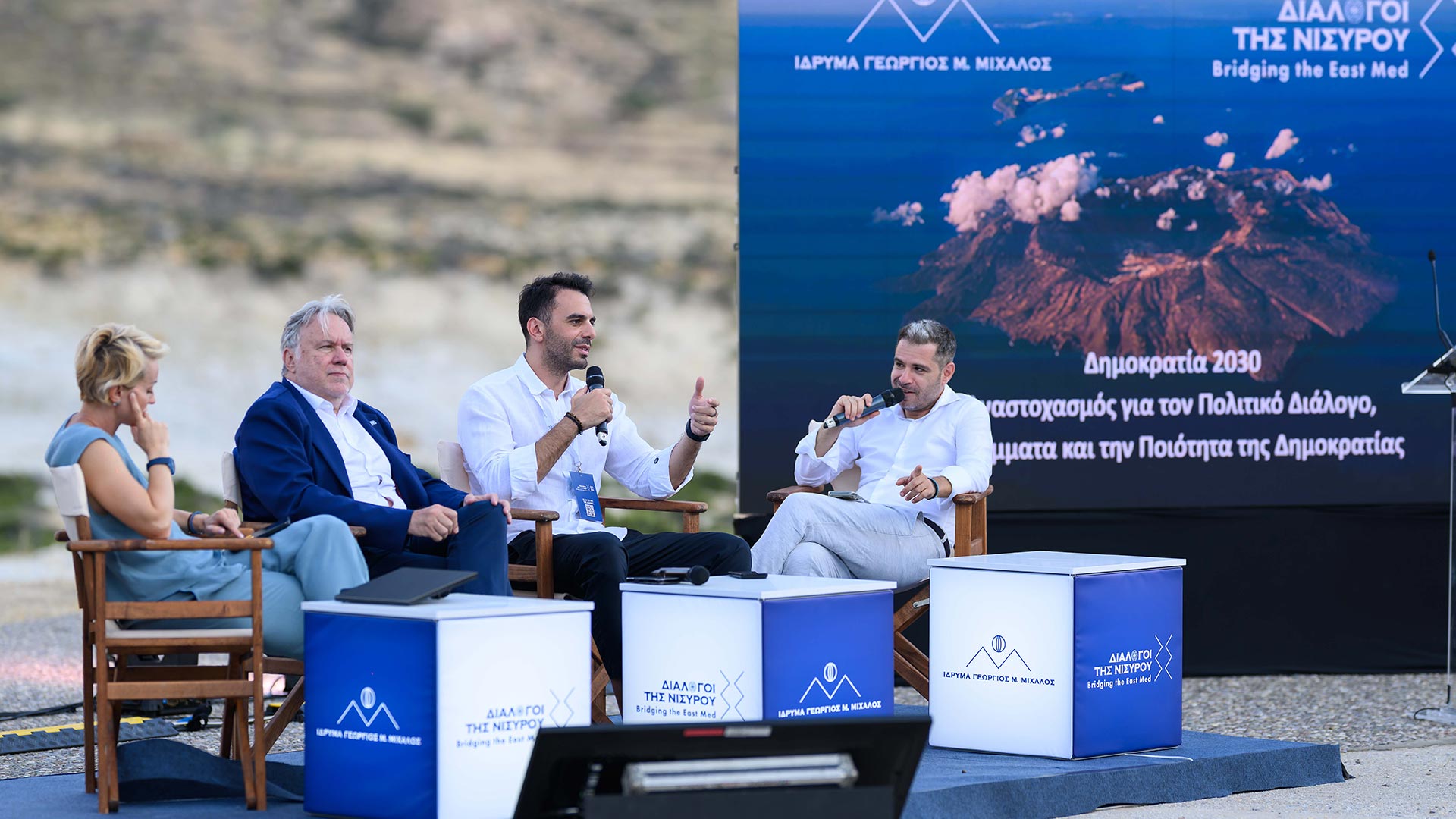
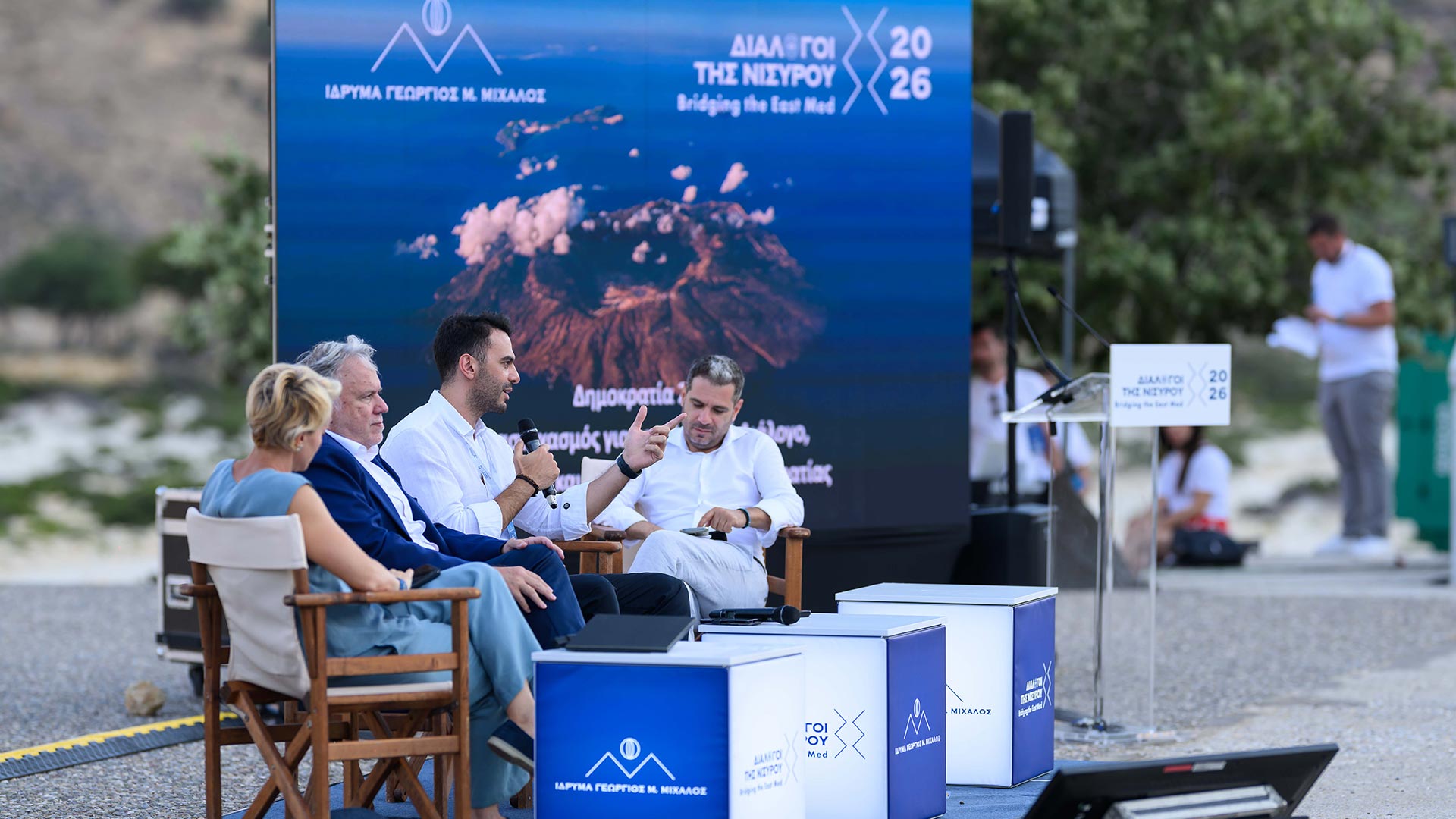
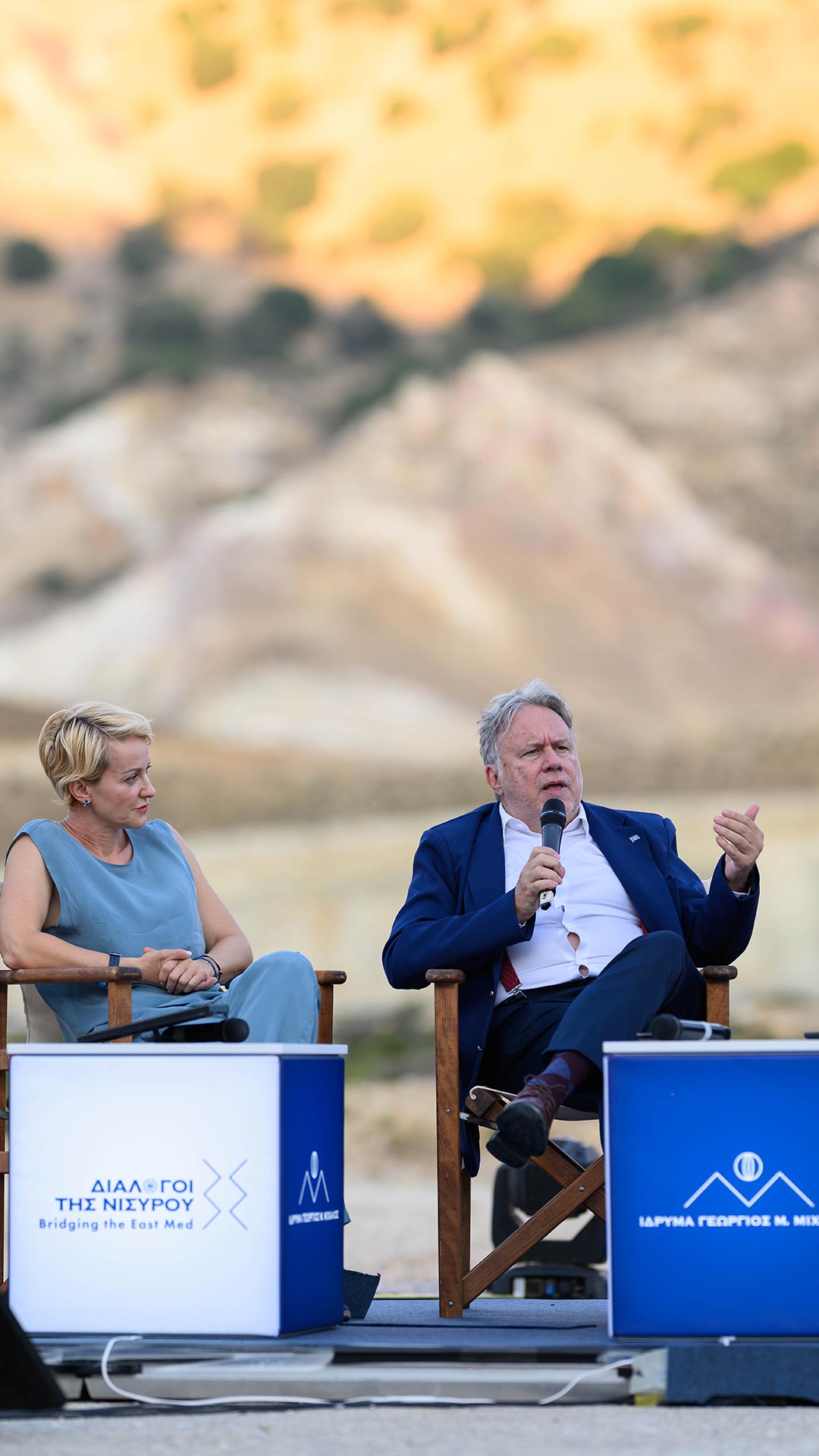
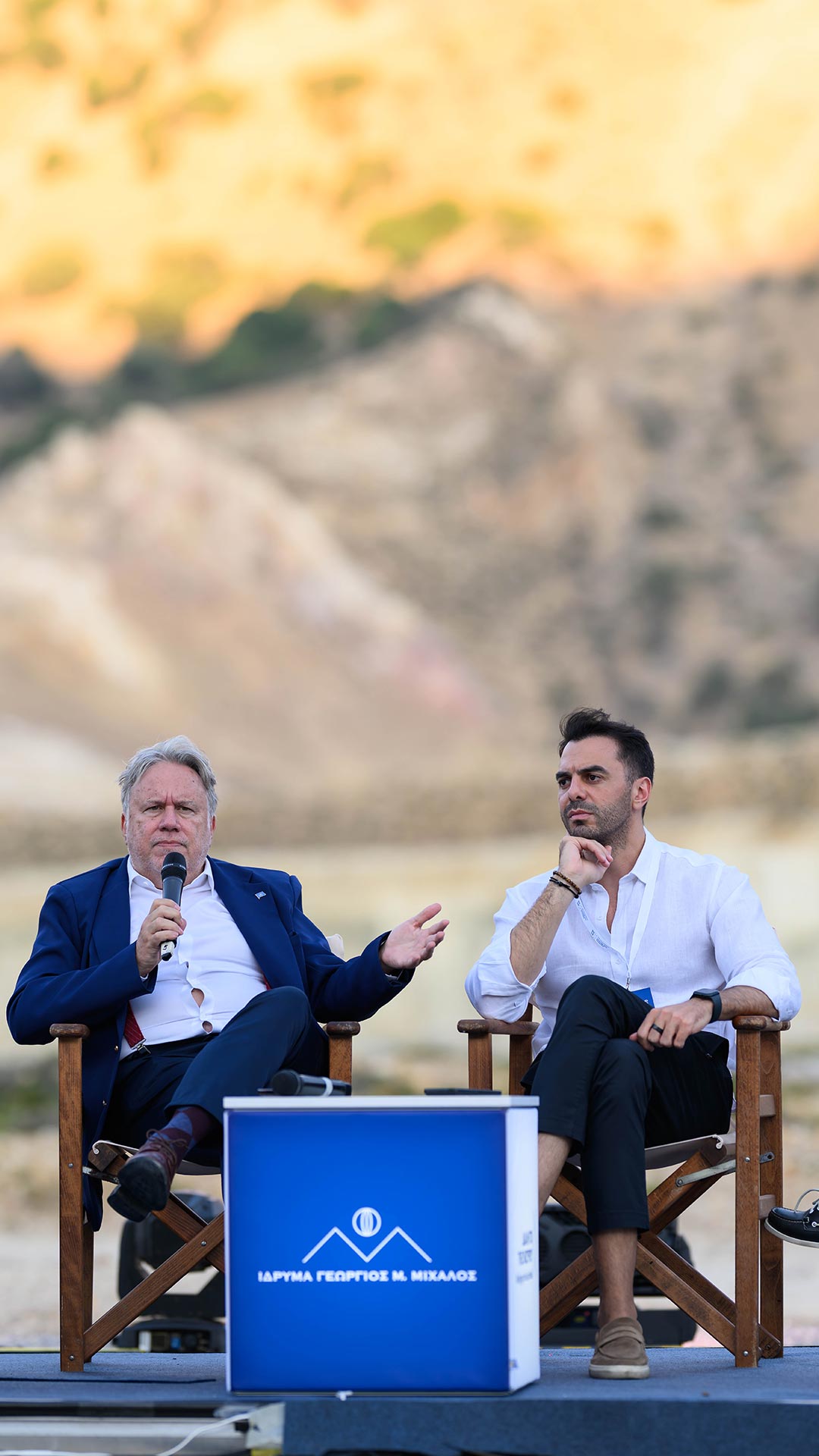
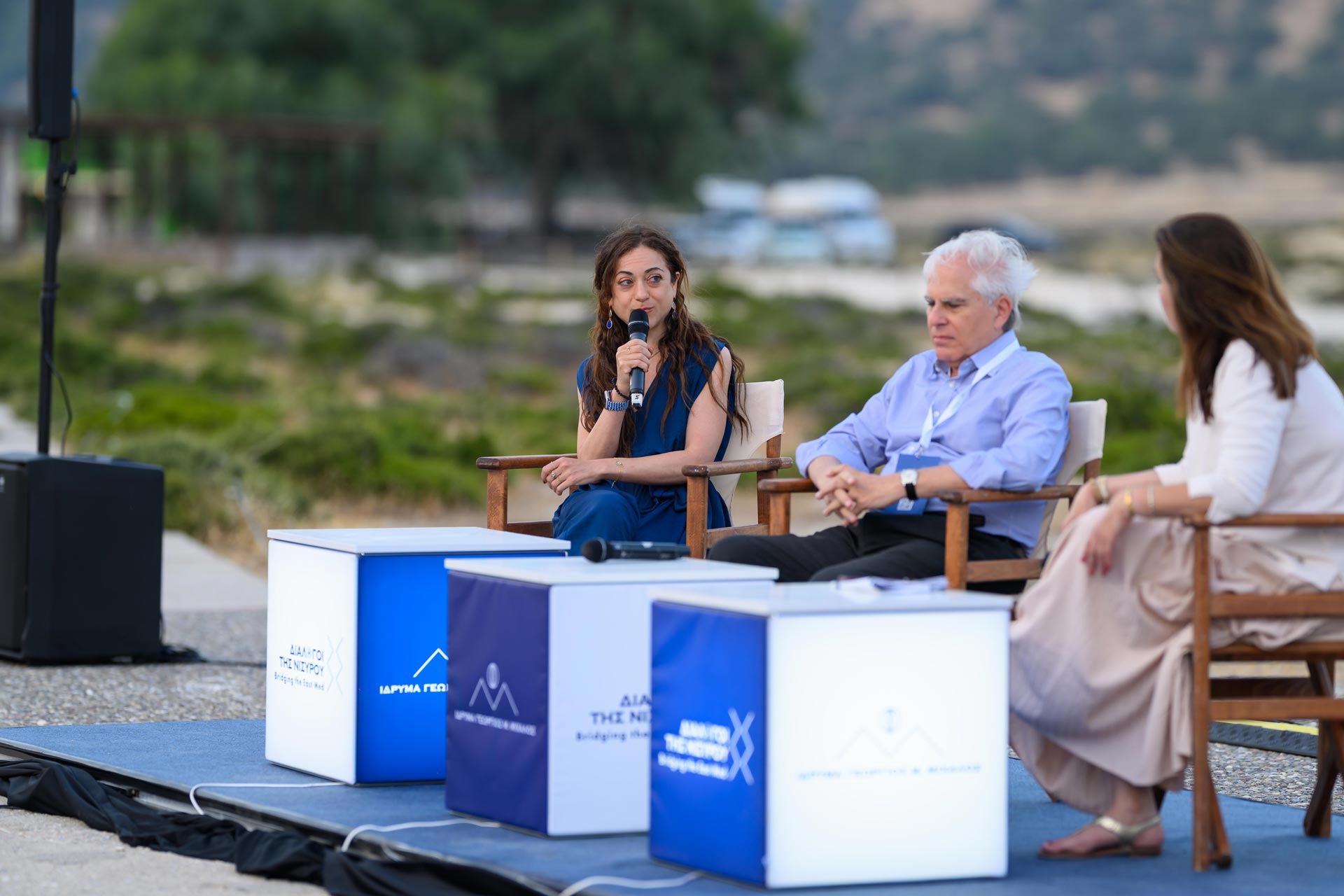
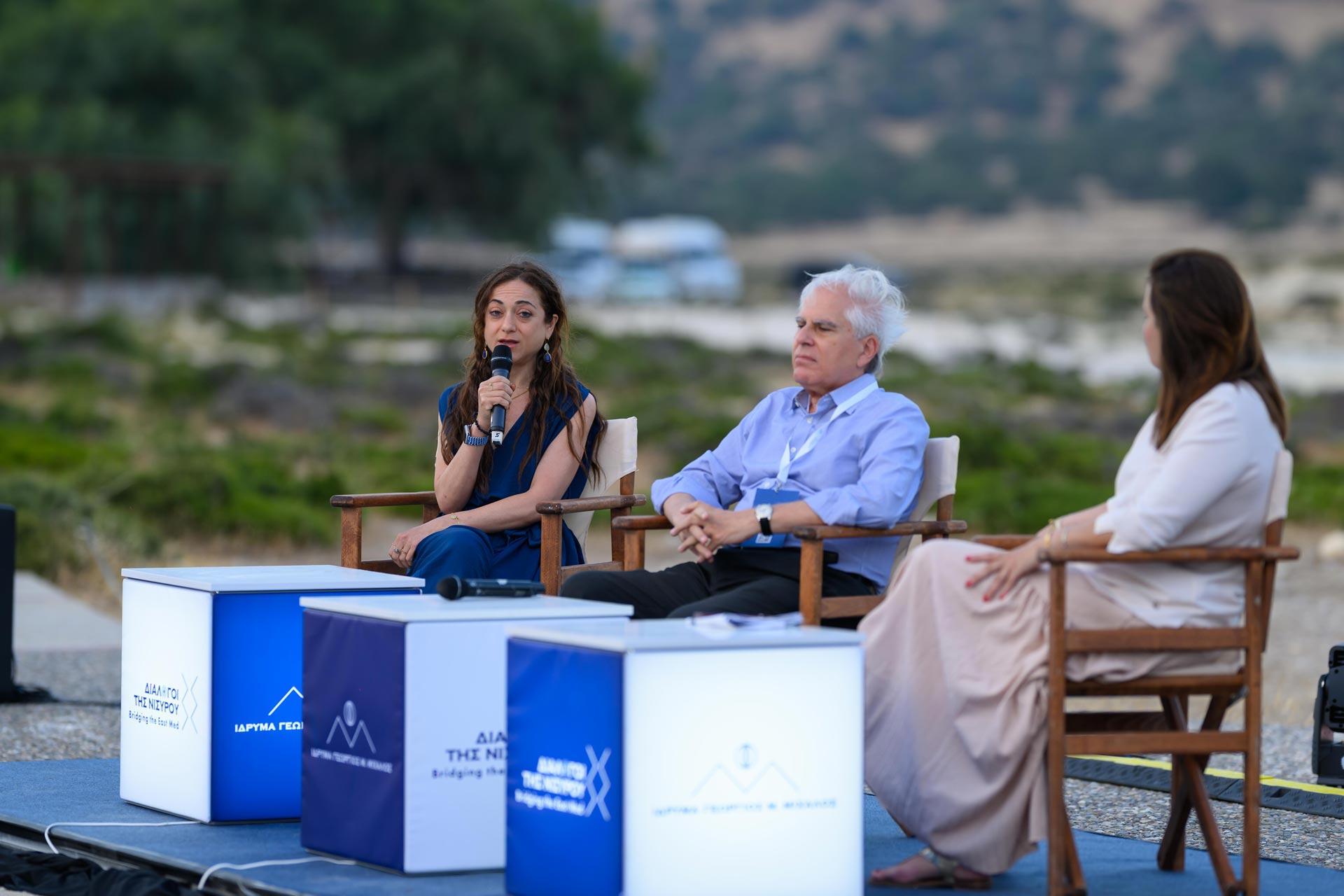
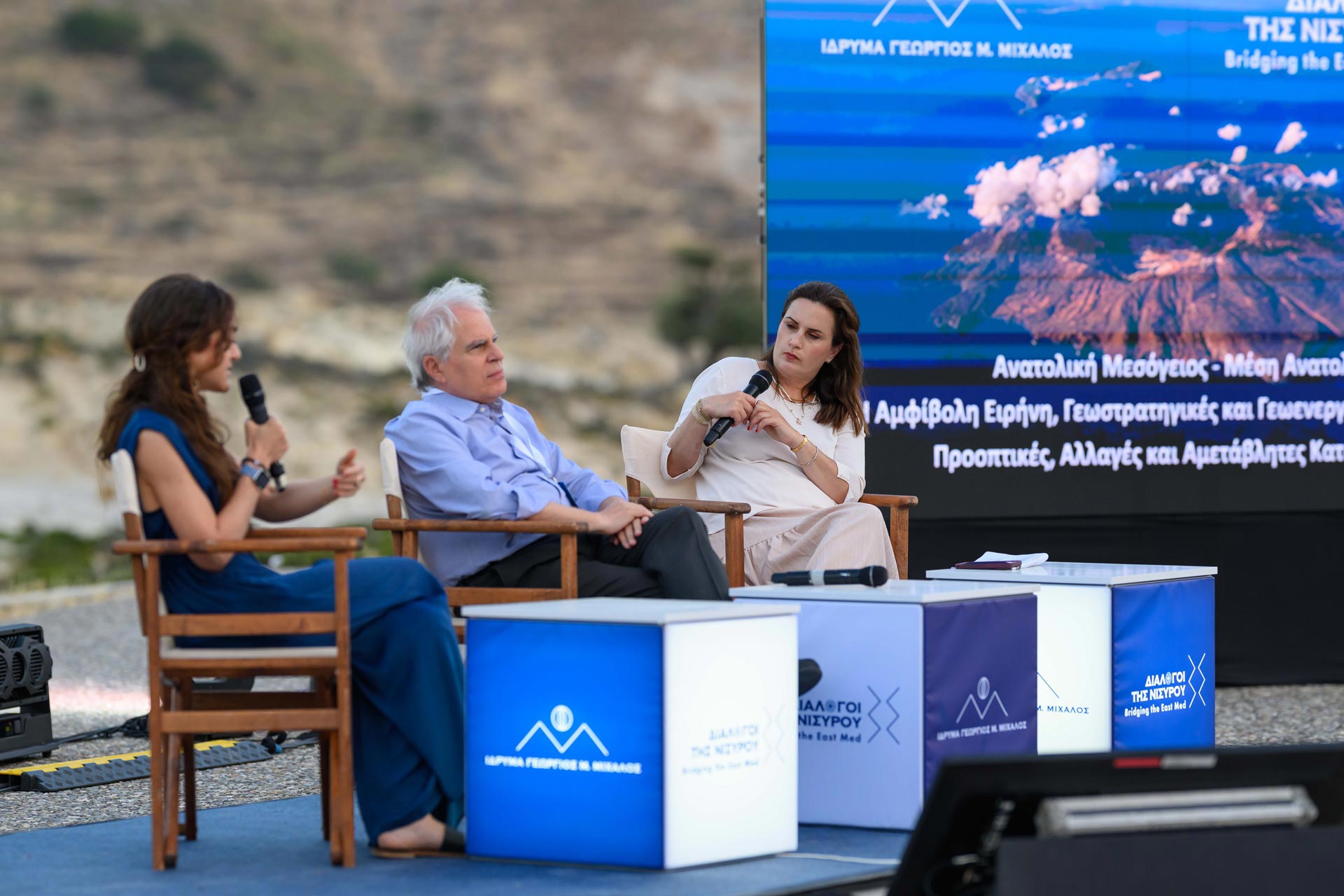
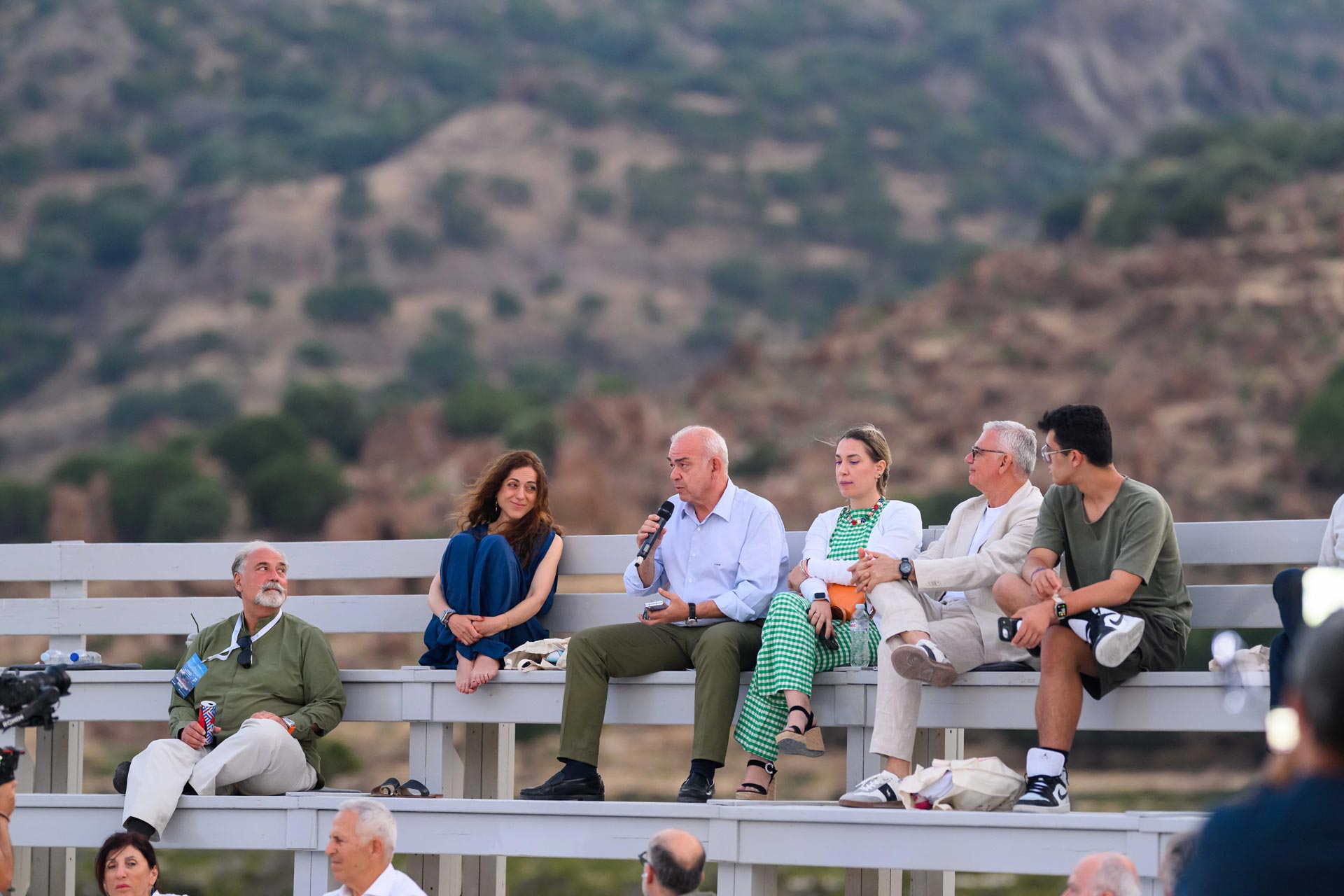
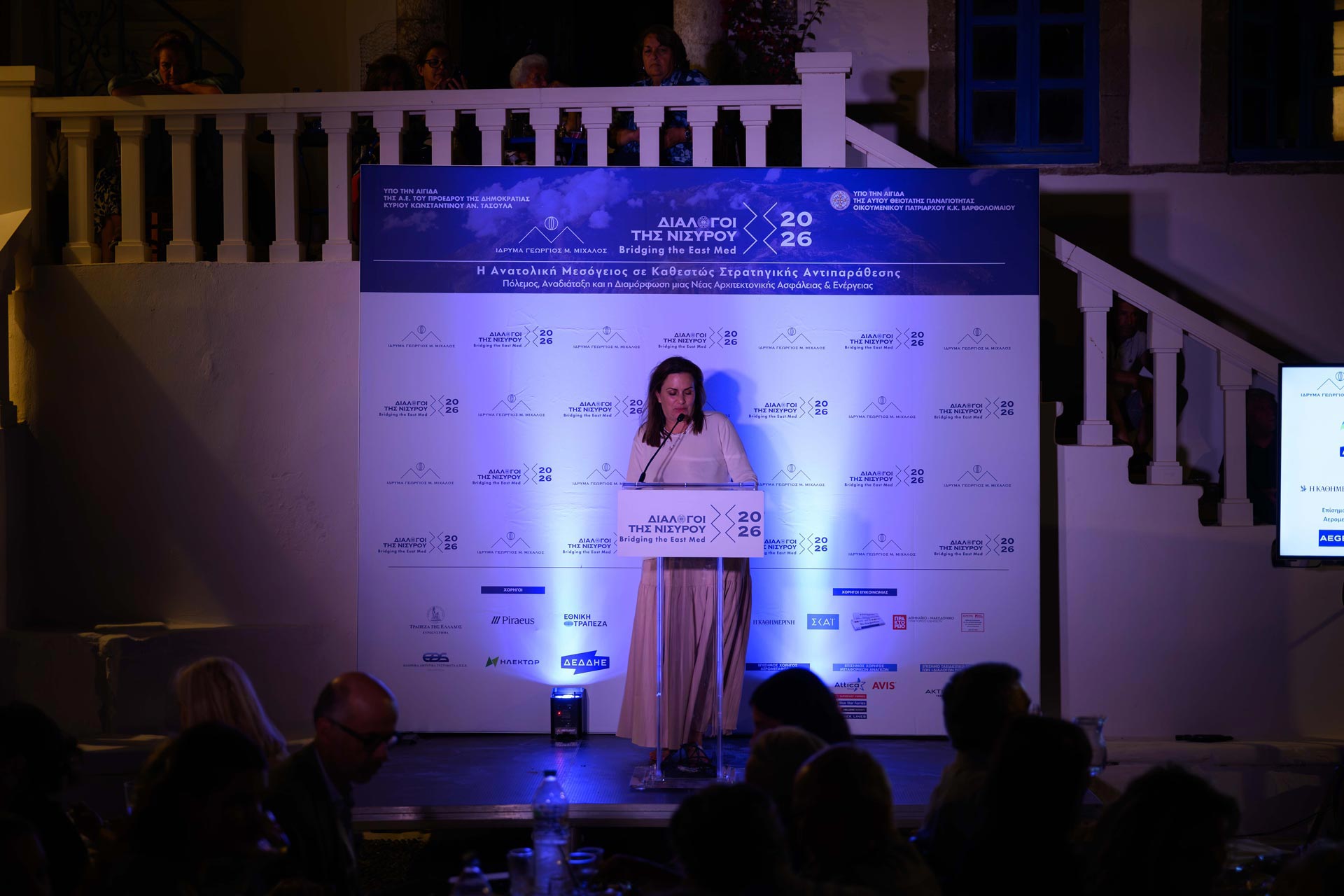
In a two-part dialogue moderated by Kathimerini journalist Stavros Papantoniou, Giorgos Arapoglou (PULSE RC), Alexandra Sdoukou (Press Spokesperson of New Democracy), Giorgos Katrougalos (Professor of Public Law), and Manolis Christodoulakis (PASOK MP) examined the factors shaping Greeks' political choices through the lens of social media.


Speakers highlighted the impact of speed on how news is consumed, the risks of oversimplifying complex issues, concerns about the younger generation's relationship with politics, and the need to re-engage young people who appear apolitical on the surface but, at their core, retain a strong interest in politics. On the other side, politicians need to address the everyday concerns of citizens, inequality, and the crisis of institutions — a trend visible at the European level in the declining appeal of traditional parties.
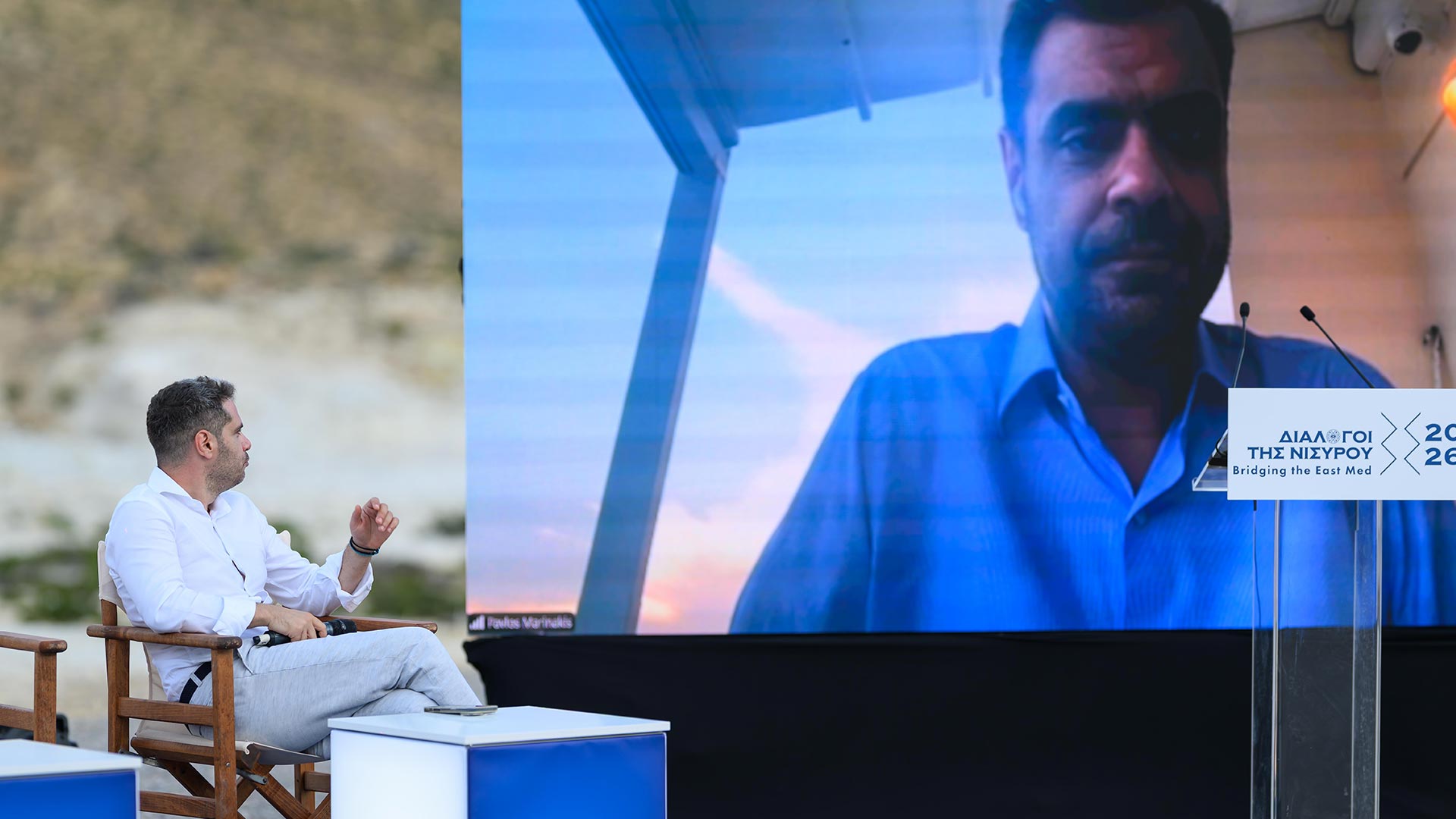
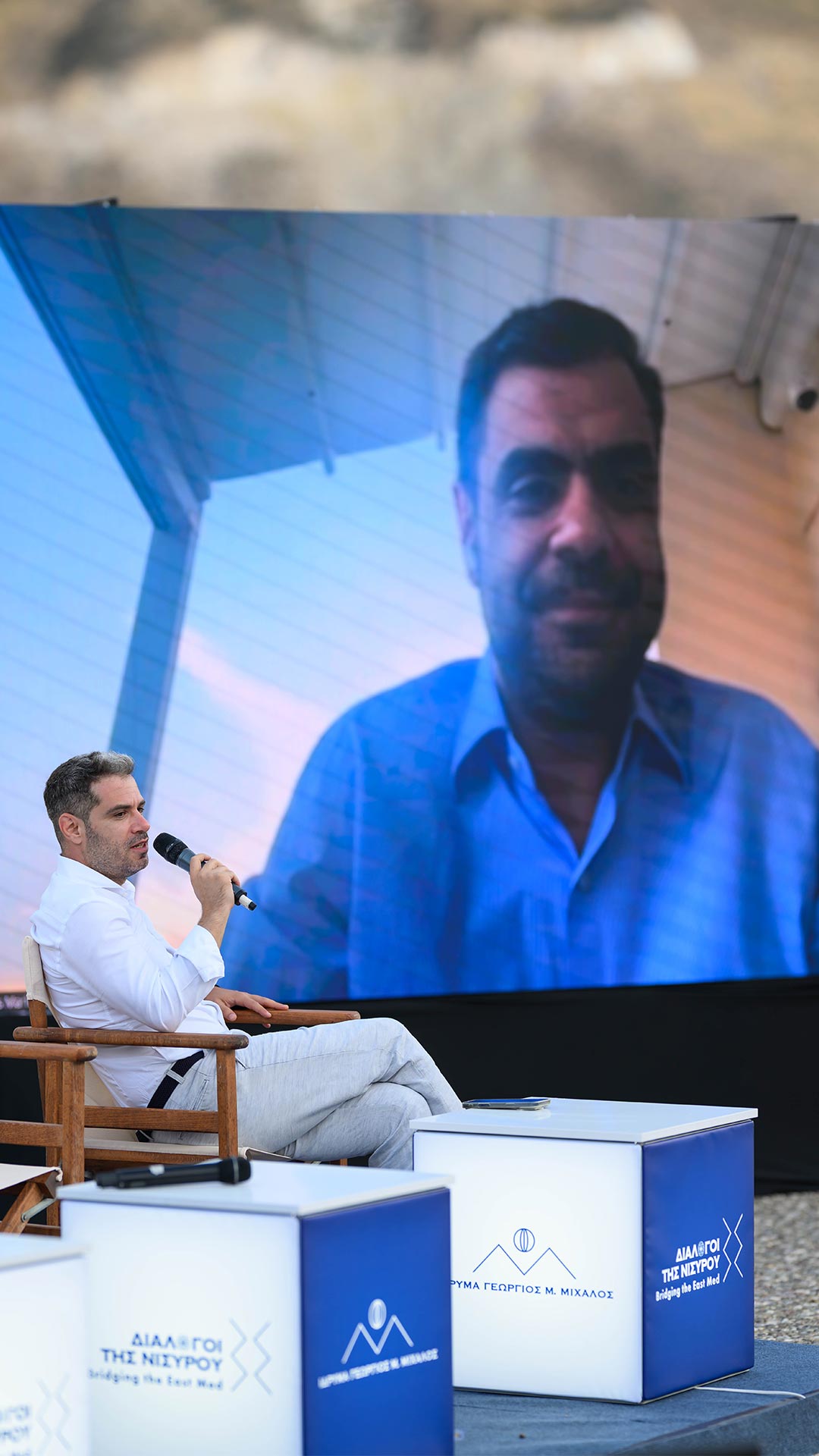
Government Spokesperson Pavlos Marinakis then raised the need for higher-quality public discourse — one grounded in arguments and proposals rather than toxicity and polarisation, which ultimately benefits no party, since it drives citizens away from politics altogether. He went on to renew his proposal for identity verification of online users.

Closing the session, SKAI Group CEO Grigoris Dimitriadis, in Dialogue with journalist Alexia Tasouli, addressed the role and challenges facing the media, their contribution to public discourse, and the impact of social media — stressing that the future of media will be decided by credibility, not just clicks.
✅ Economic Challenges
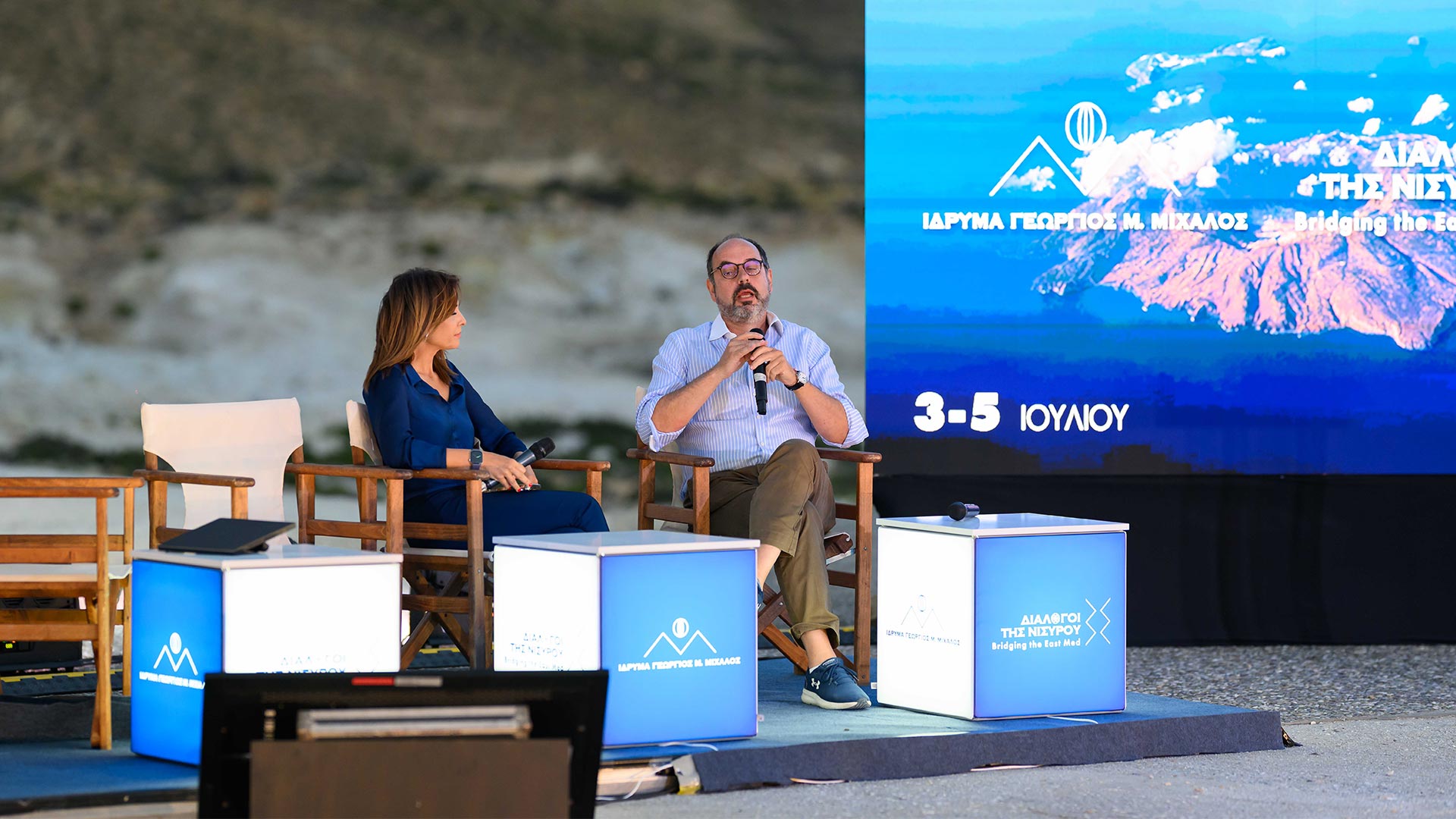
The Dialogues then turned to the economy and the challenges facing growth, with an emphasis on agricultural policy and the frontier islands, with ANT1 journalist Maria Sarafoglou moderating two separate Dialogues:

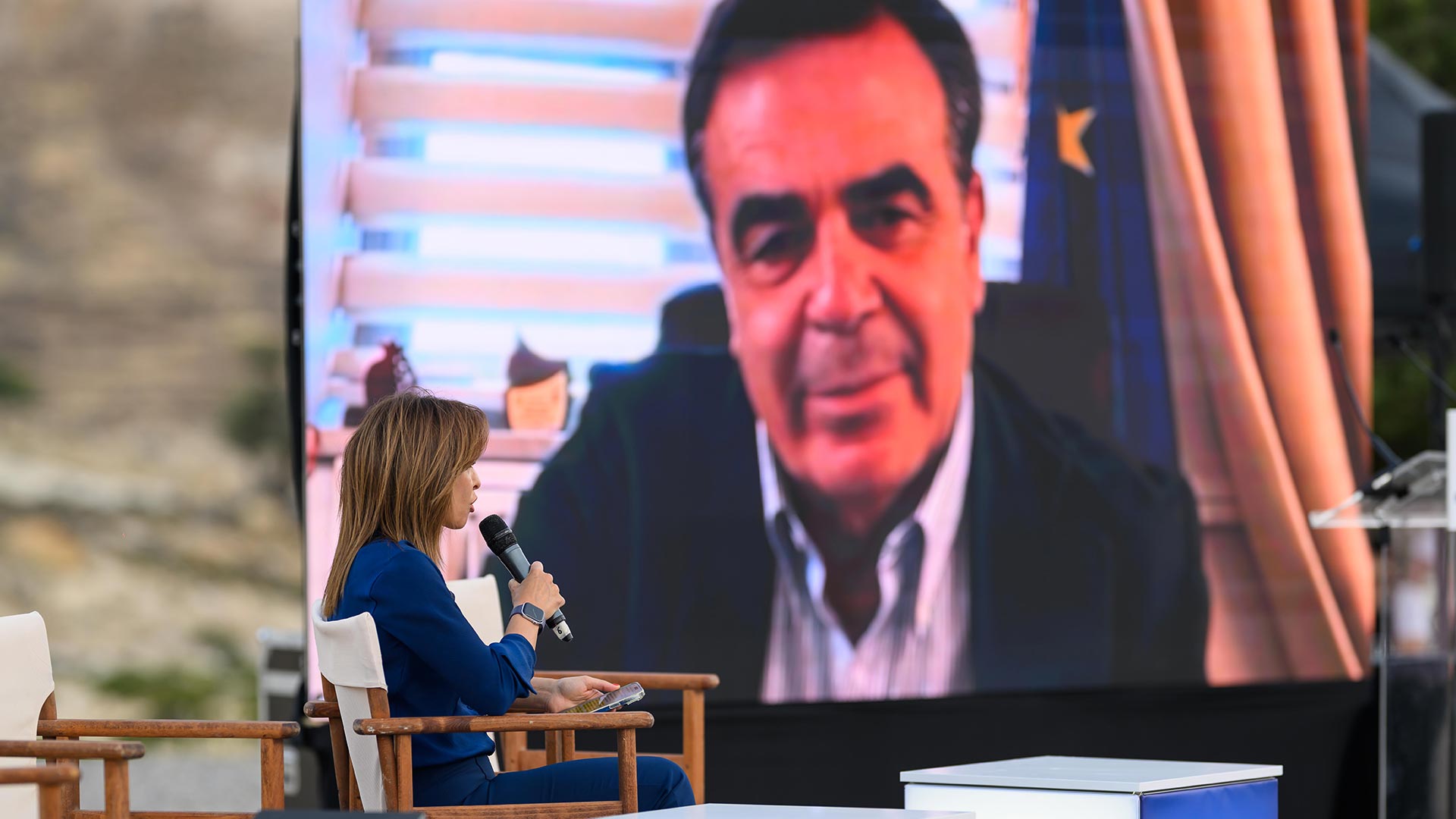
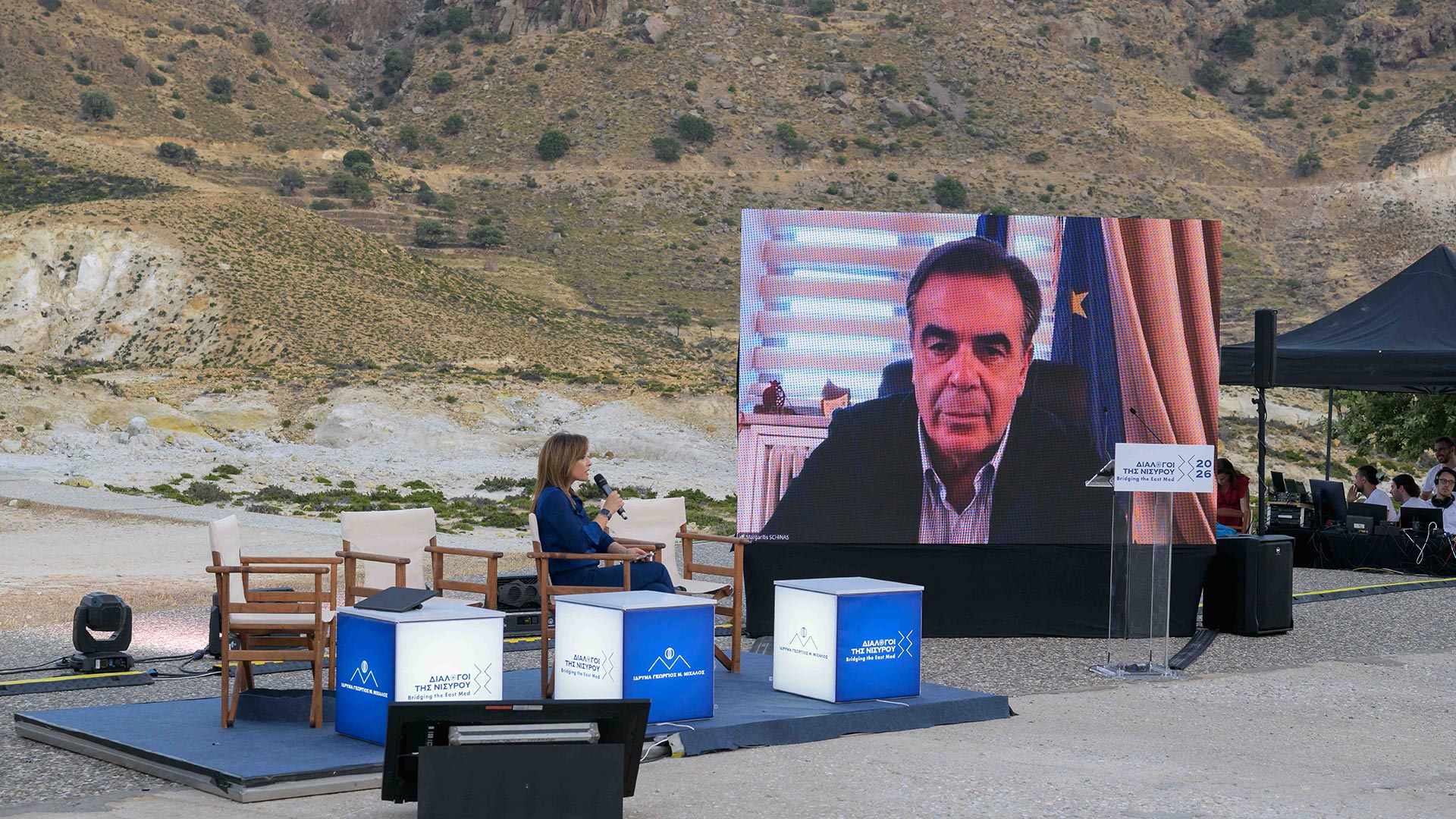
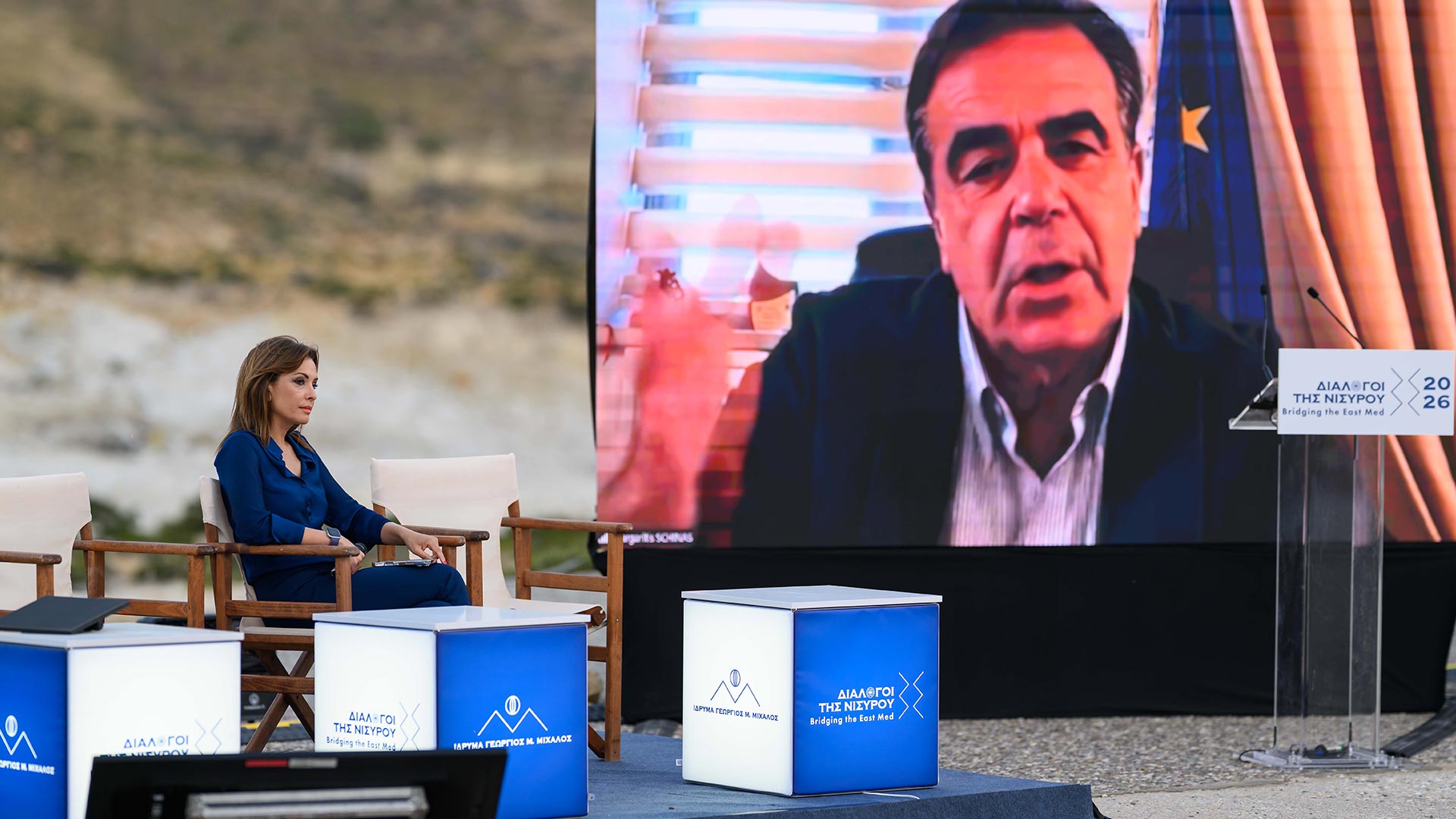
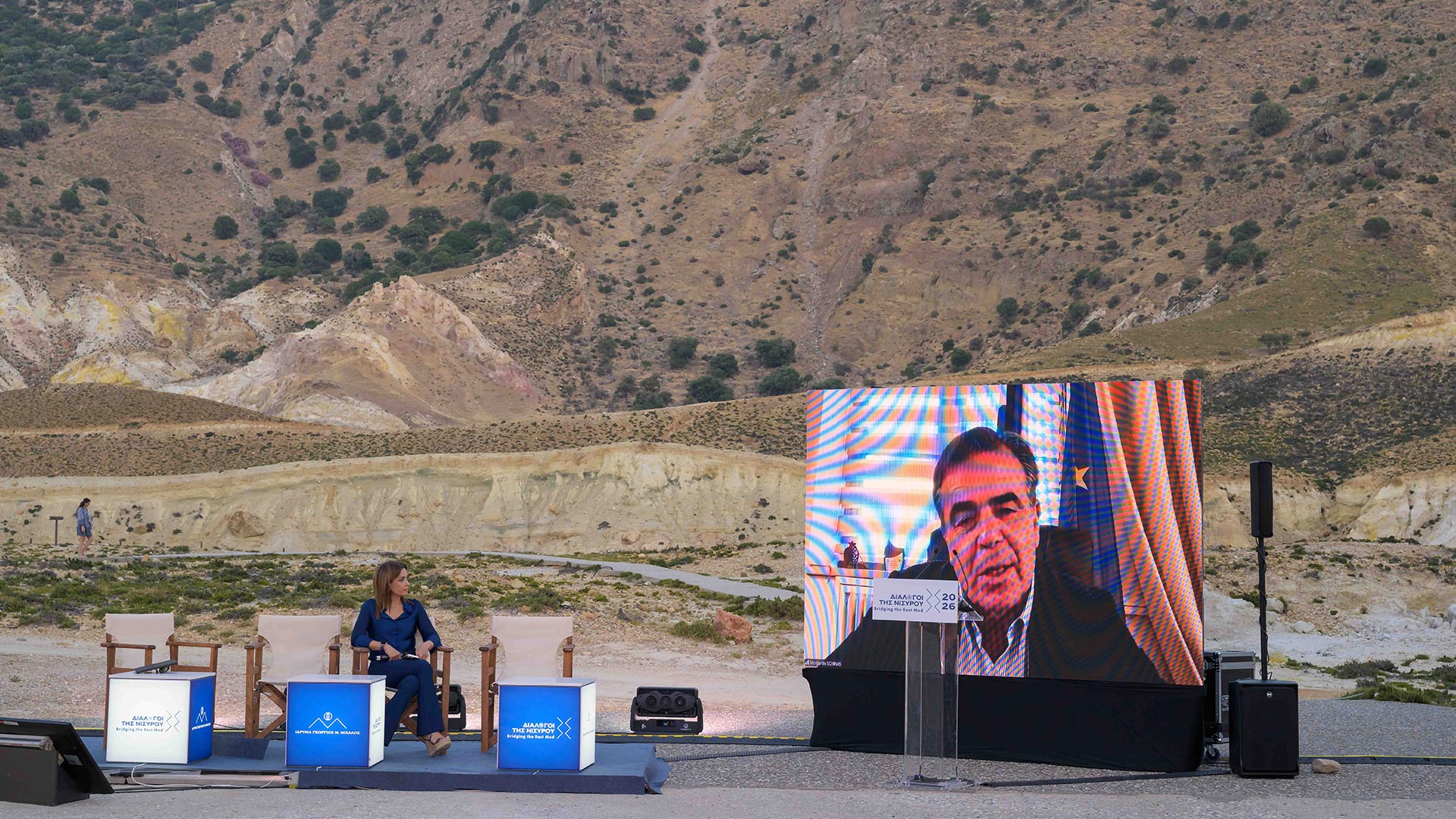
In the first Dialogue of the session, Minister of Rural Development and Food Margaritis Schoinas spoke about agriculture as a geopolitical tool, stressing that food security has now acquired a strategic dimension for Europe. He set the goal of completing three reforms in the primary sector — restructuring the payment system from OPEKEPE to the new tax authority (AADE), negotiating the new Common Agricultural Policy 2028–2034, and tackling animal disease outbreaks — before Greece assumes the Presidency of the Council of the EU on 1 July 2027. He also announced his intention to build a cross-party agreement on the primary sector, and described the Greek islands as a "geopolitical asset for Hellenism," pledging continued support for small island farming.

In the second Dialogue, Piraeus Bank Group Chief Economist Ilias Lekkos presented the shift in the country's production model beyond shipping and tourism, noting that manufacturing now accounts for 50% of Greek exports (€50 billion of the total €100 billion a year). He addressed the causes of high prices — the war in Ukraine, the pandemic, and geopolitical tensions in the Middle East — as well as the twelve-year investment gap left behind by the crisis, and stressed the importance of the negotiations over the new EU Budget 2028–2034 for the country's future growth trajectory.
✅ NATO & the Eastern Mediterranean

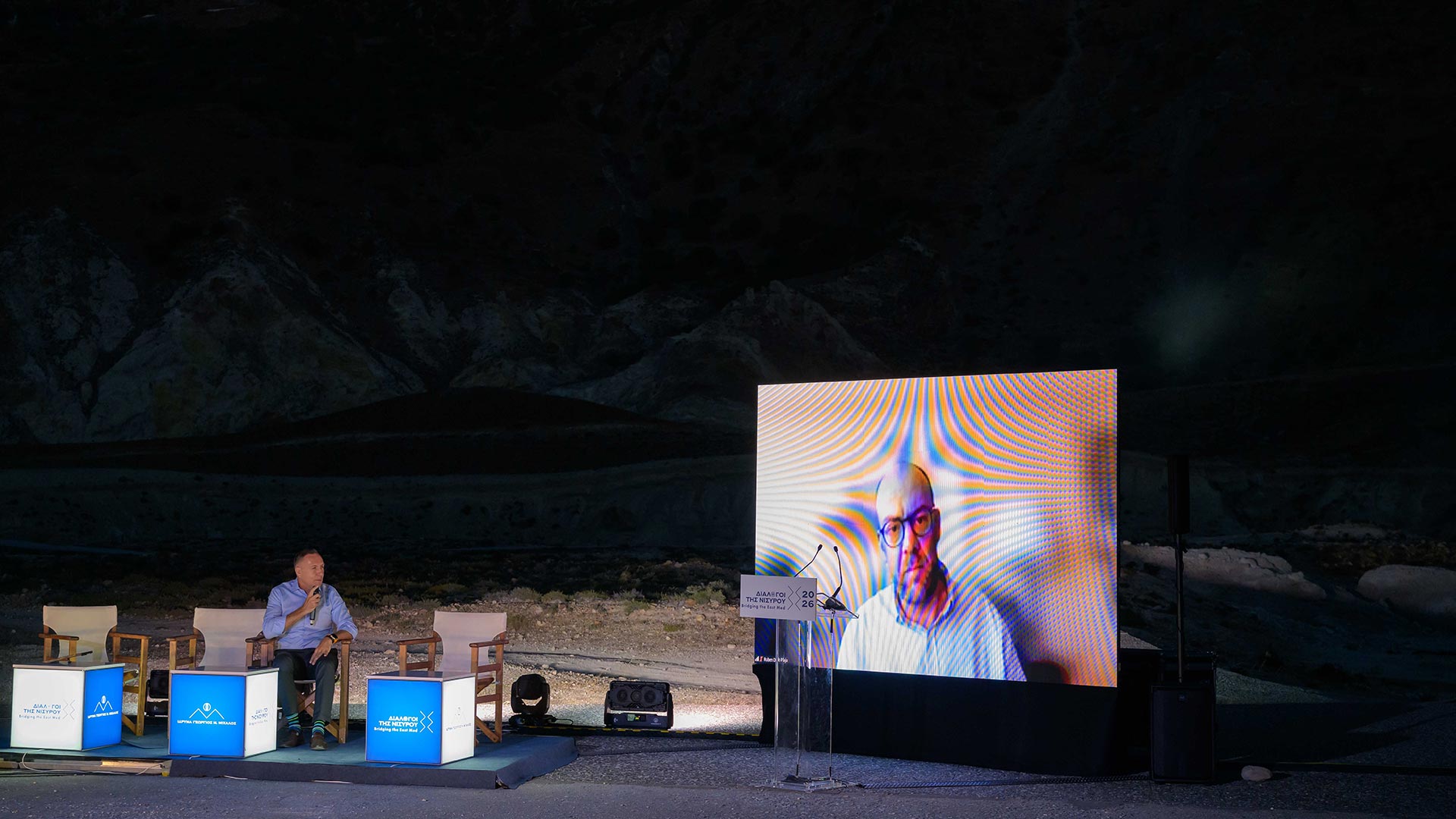
Day one of the «Dialogues» was marked by the analysis of NATO's Head of Policy Planning, Ruben Diaz-Plaja, who, hours before the Alliance's Ankara Summit, outlined the Summit's priorities and stressed that it would mark the transition to a "NATO 3.0," with a greater role for Europe in collective defence. He also highlighted Greece's rising role, noting that it is one of NATO's most reliable and active allies, with a significant contribution both to Alliance operations and to strengthening European defence.
✅ Greeks & Artificial Intelligence

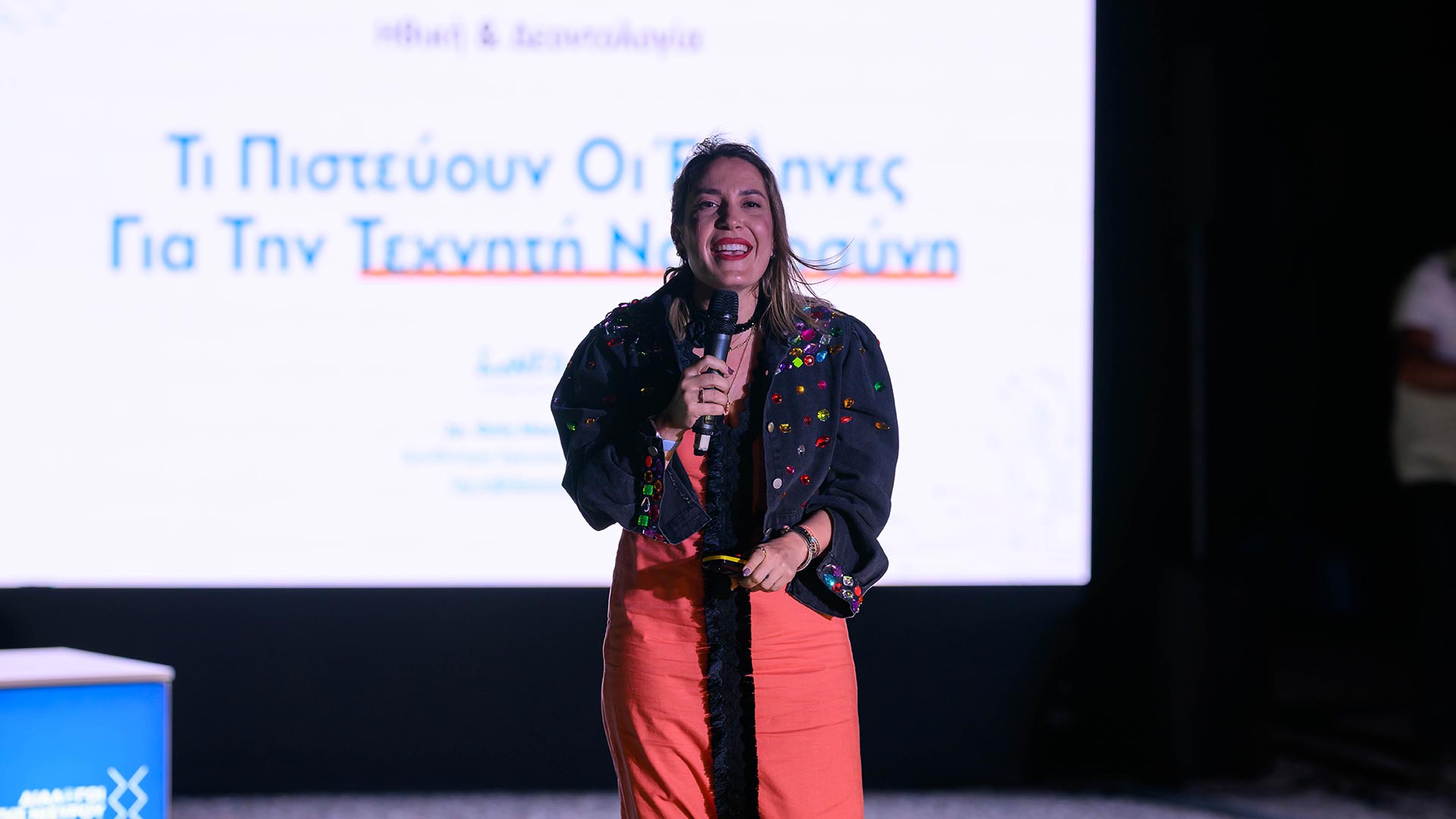
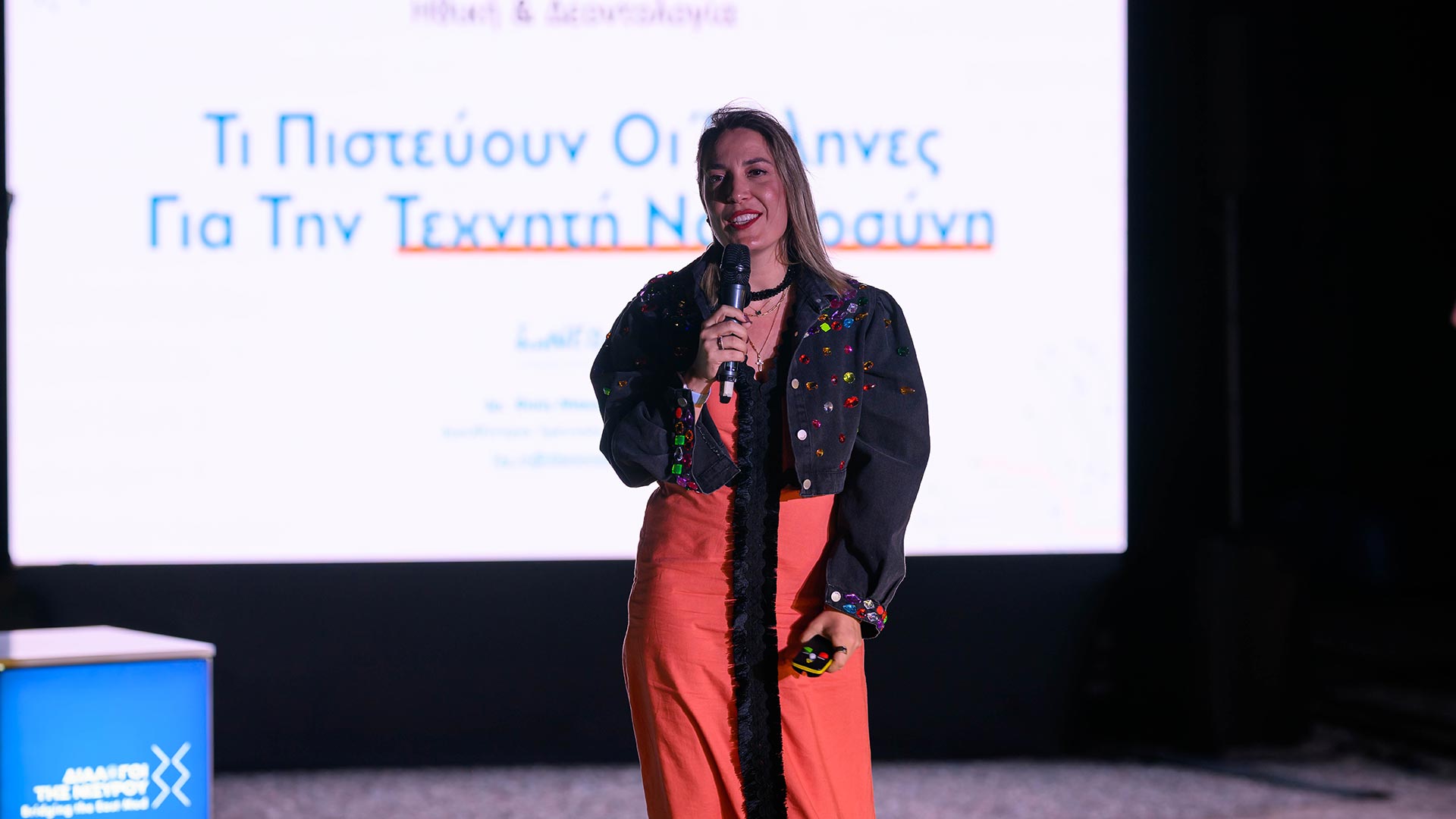
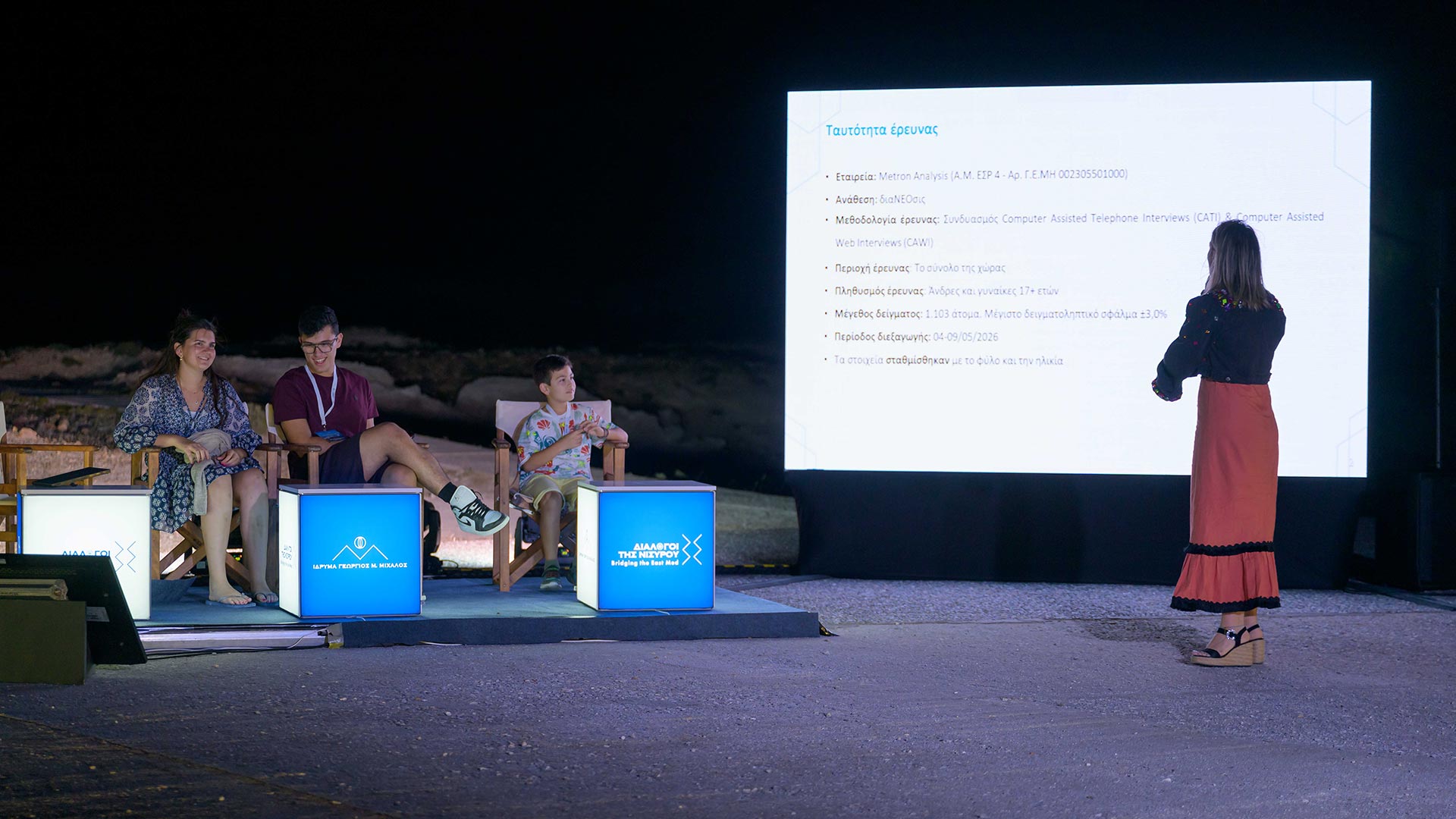
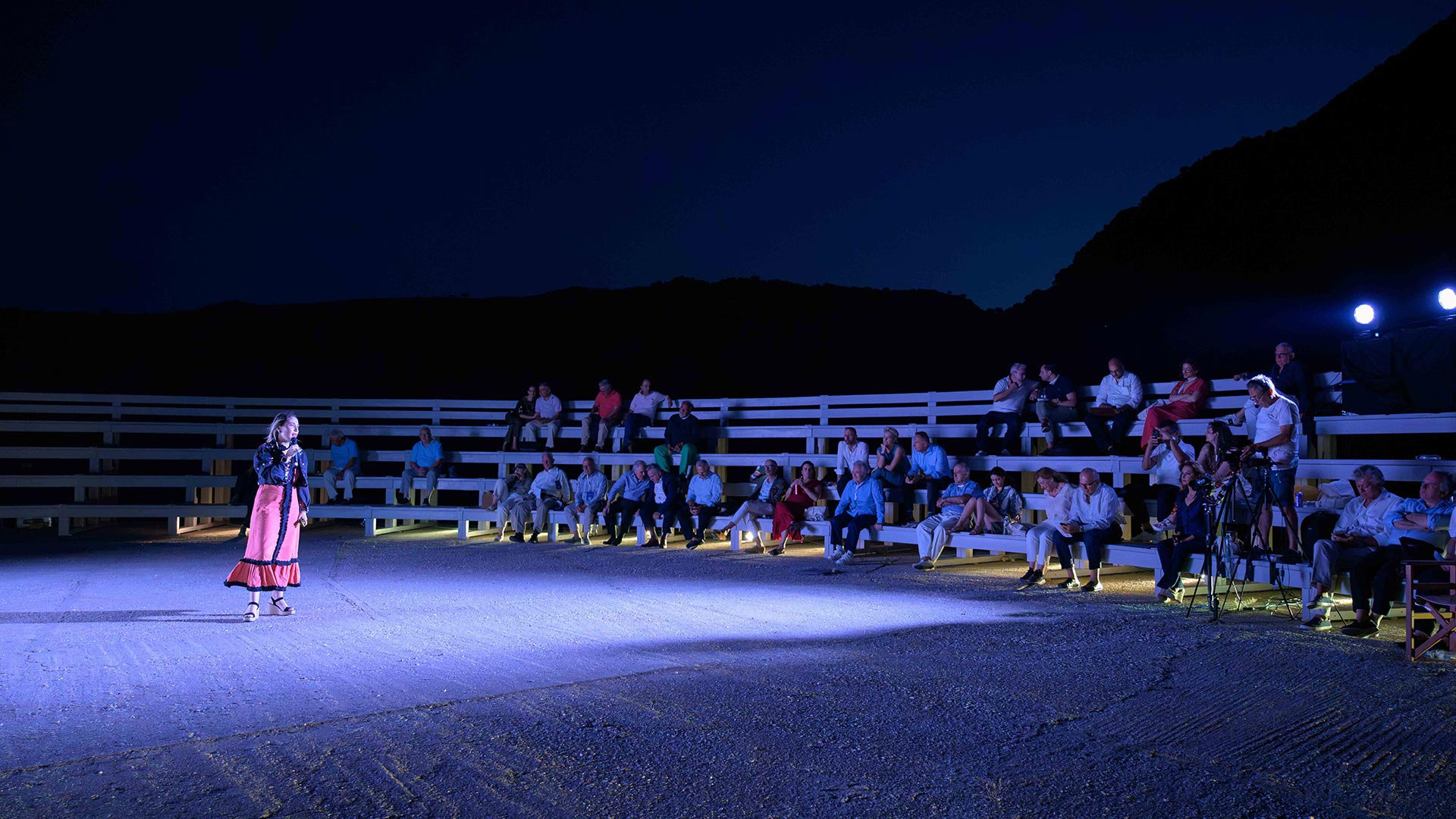
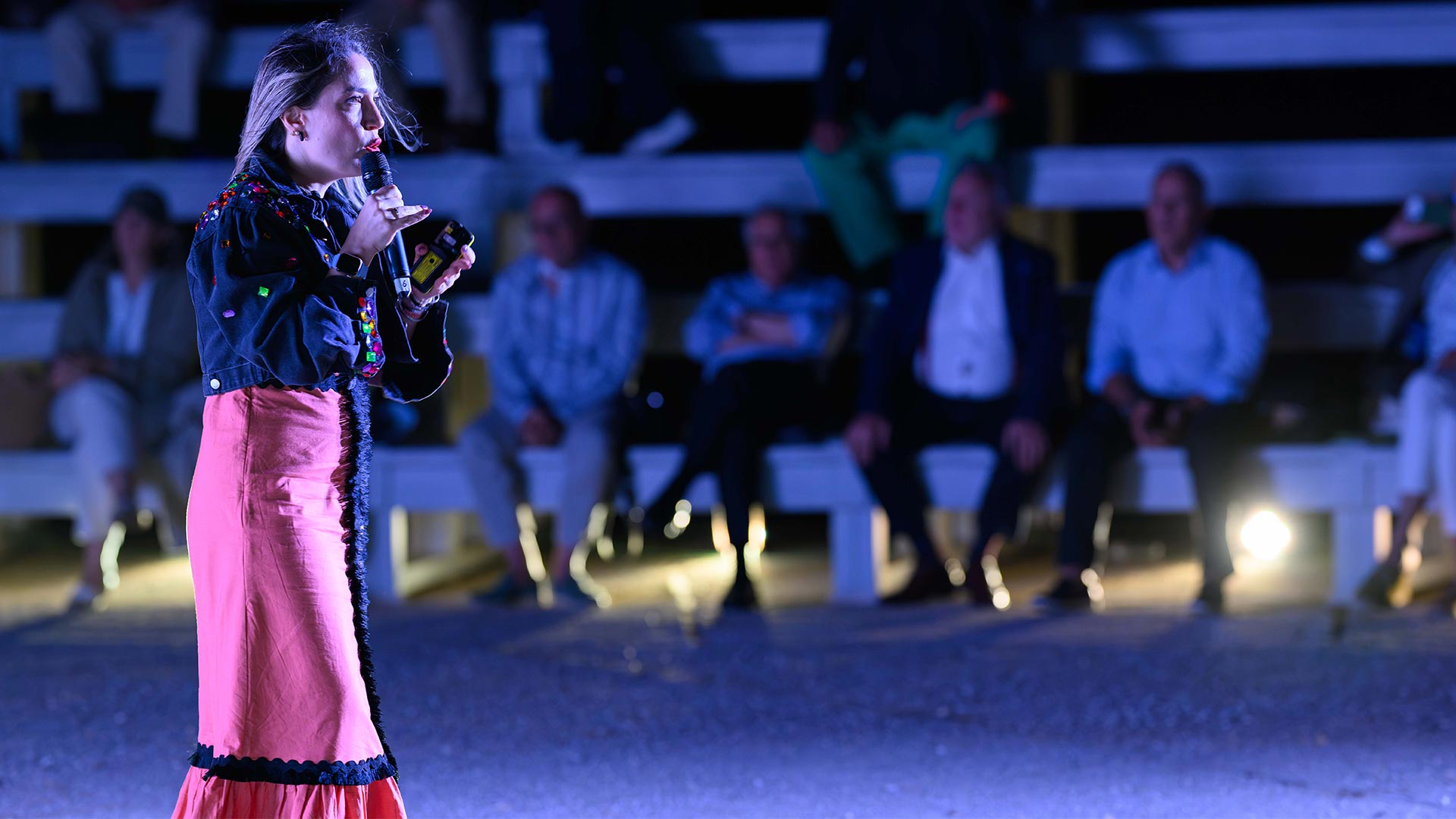
Day one closed with an analysis of artificial intelligence — a subject that had already surfaced across the day's dialogues as a technology reshaping society, politics, the economy, and international relations. diaNEOsis Research Director Dr. Faye Makantasi presented the findings of the organisation's study on what Greeks currently think about artificial intelligence. As the research found, Greeks have adopted core AI applications very quickly and believe it will have a positive impact on their lives, but are concerned about the erosion of critical thinking and the spread of misinformation.

With a title that would prove prophetic — as the ceasefire in Iran collapsed just two days later — the central session of day two opened with a Dialogue between MP and former Minister of Defence, Admiral (ret.) Evangelos Apostolakis, and Fanis Papathanasiou. Mr. Apostolakis focused in particular on the Kasos incident, stressing that delineating sovereign rights — such as the EEZ — must be matched by equal resolve to defend them.


The need for European strategic autonomy was the central point of the next Dialogue, with PASOK MEP and S&D Vice-President Giannis Maniatis, moderated by Maria Sarafoglou. Mr. Maniatis noted that this need has only been fully grasped recently, with most member states now converging on defence and security as a priority. He called for related investment to support European industry rather than flow outside the Union, noting that of the €450 billion EU member states currently spend on defence, 80% goes to non-EU suppliers. On the Eastern Mediterranean and Middle East, he stressed that Europe still lacks a clear strategic presence — a critical concern for Greece at a time when hard power is once again becoming the norm in geopolitical affairs.
The same session addressed the shifting Europe-NATO relationship: the Alliance's European pillar is growing, as the Trump administration now openly questions Article 5 if the country invoking it doesn't support American interests — even as a possible withdrawal of US forces from Europe, a campaign pledge from the President's first term, appears to be moving forward, without Europe having adequately prepared a Plan B. This highlighted the need to develop European defence capability and industry in parallel with NATO, alongside the "Europeanisation" of defence procurement.

✅ Energy

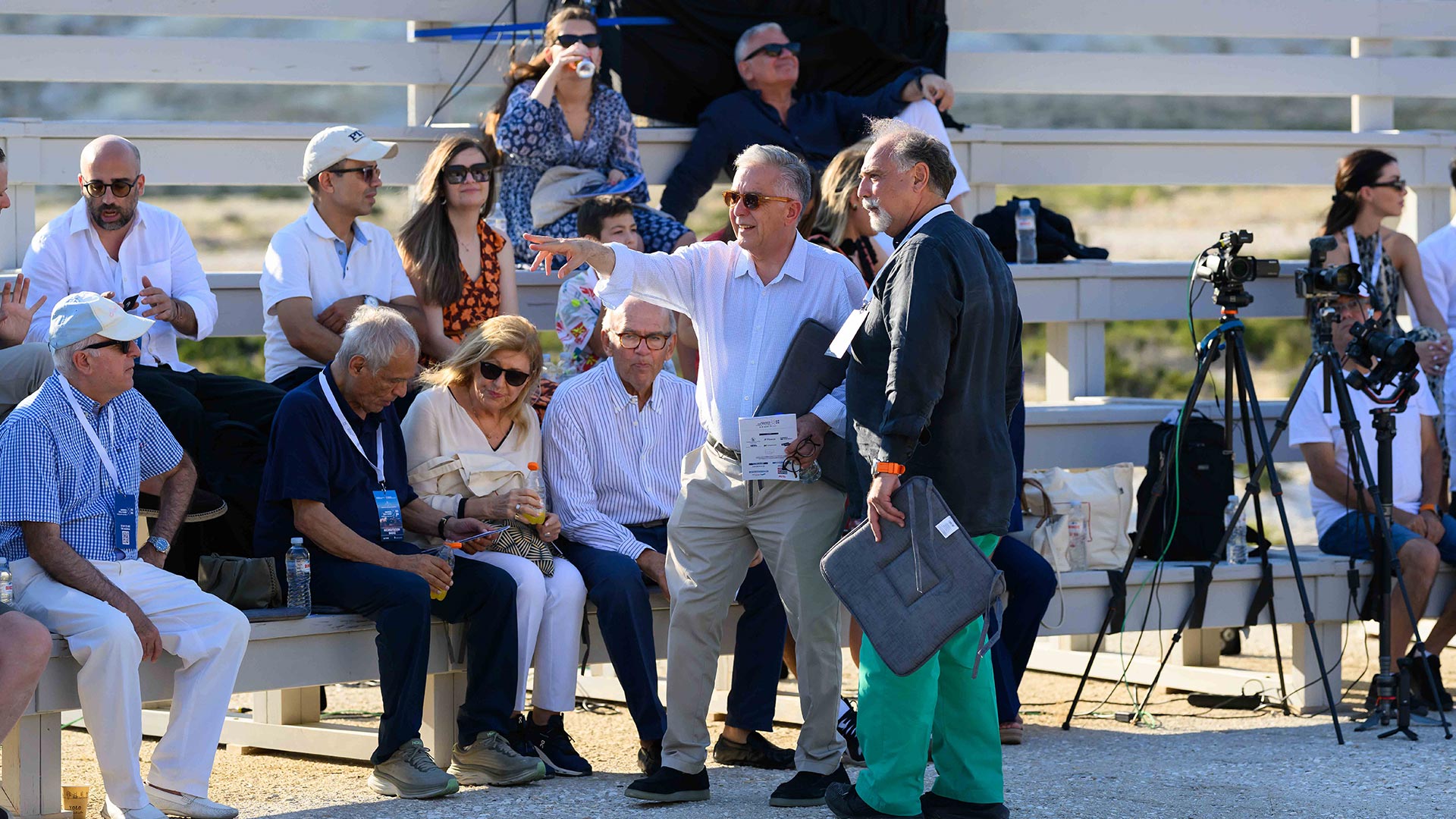
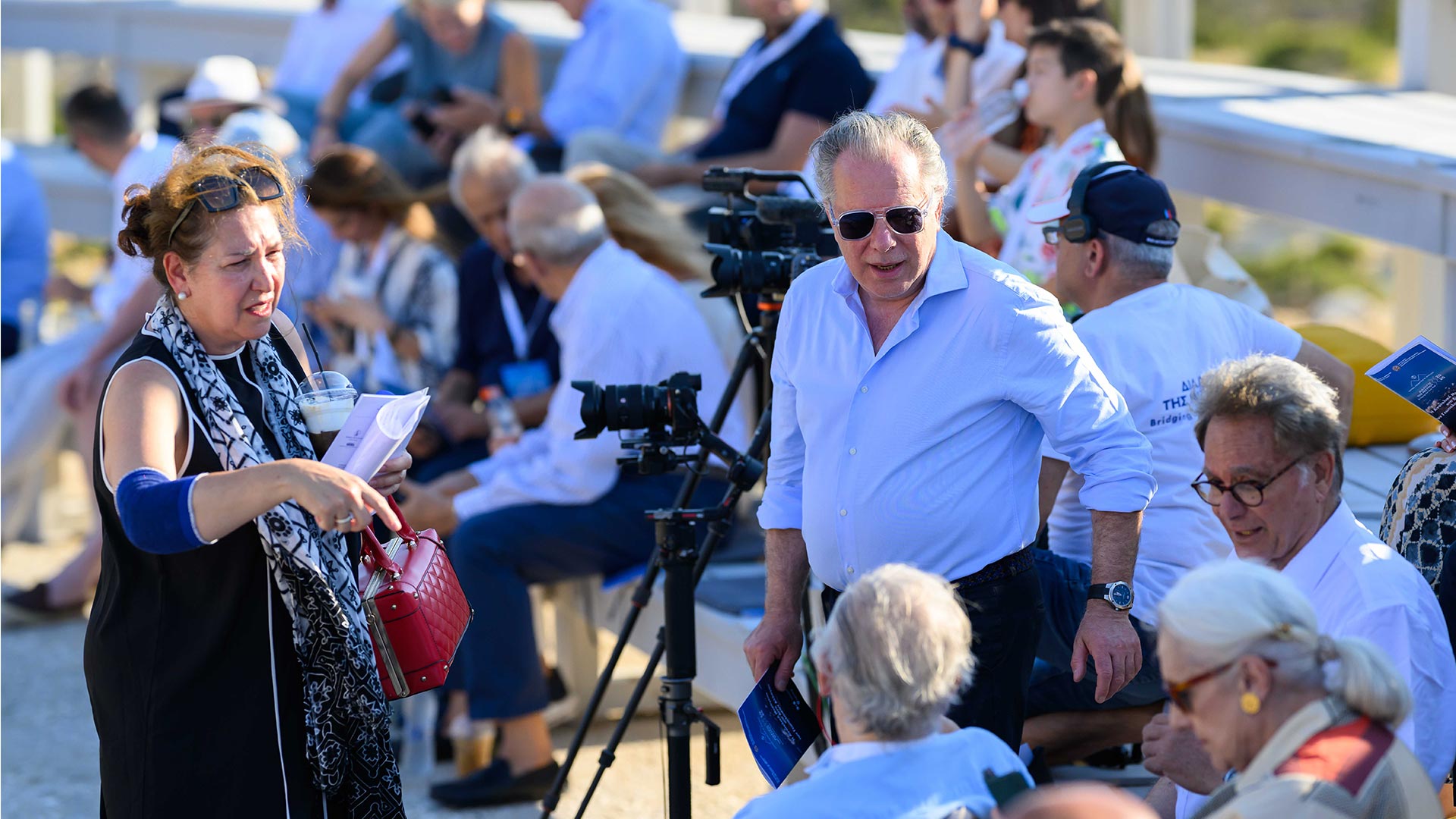
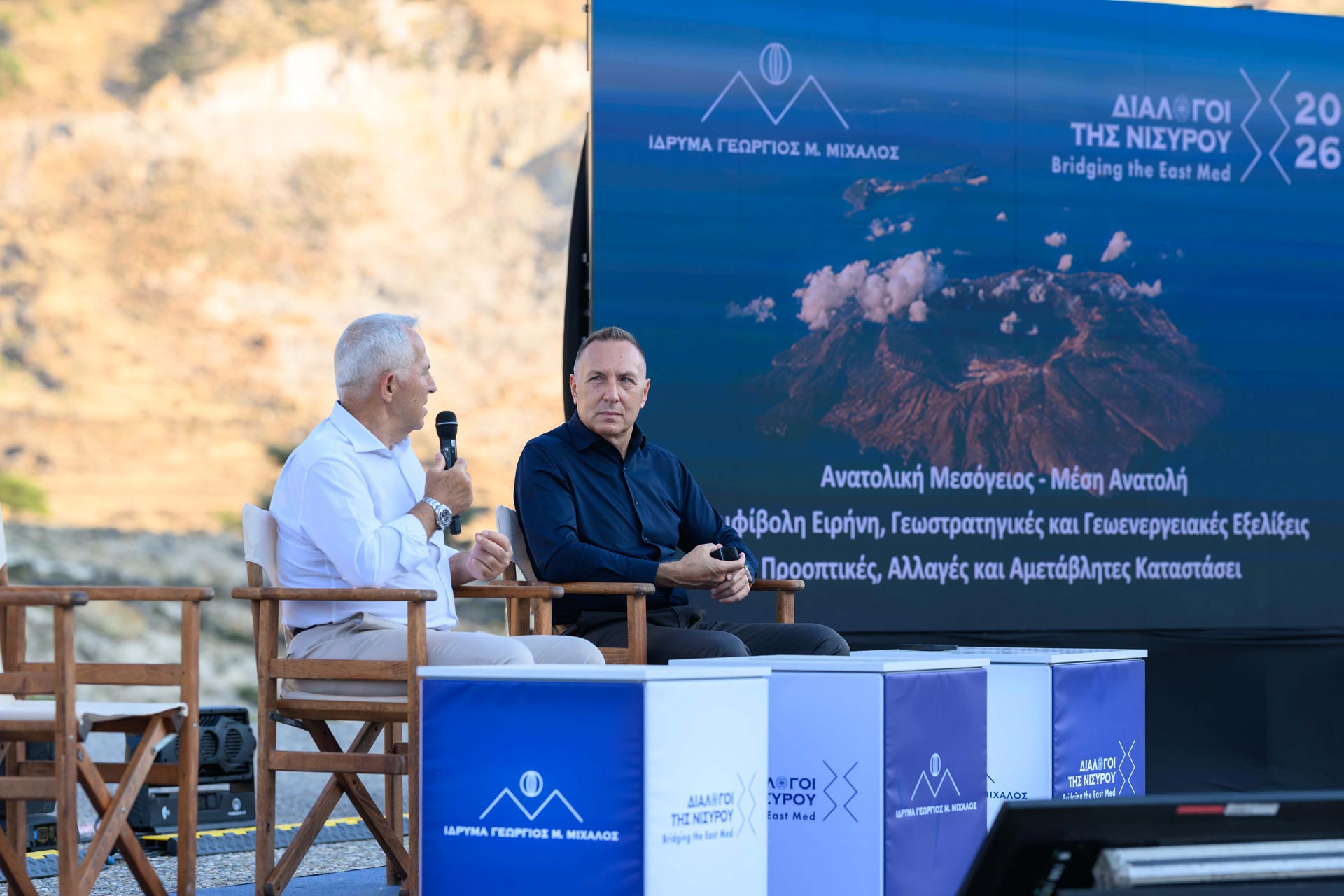
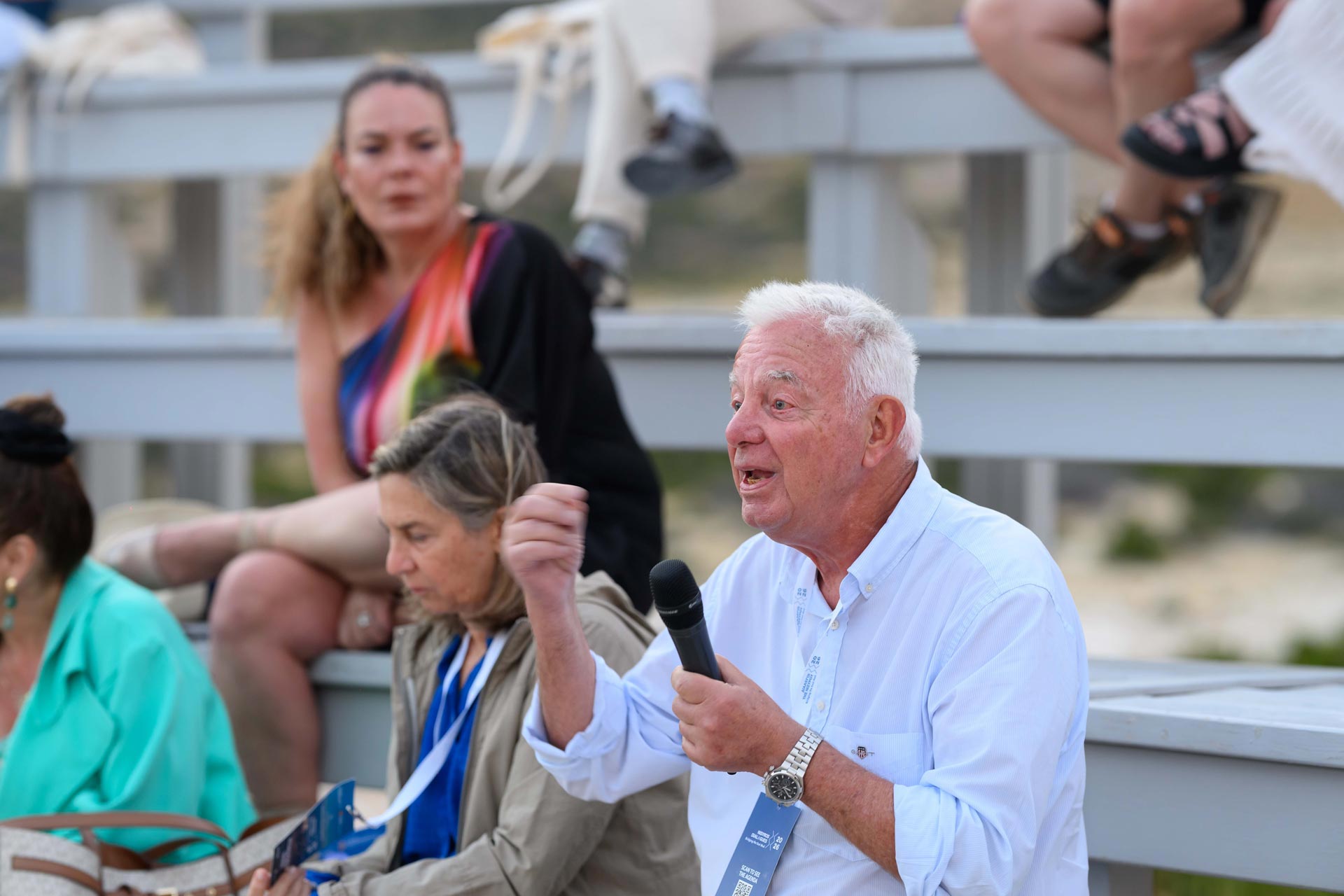
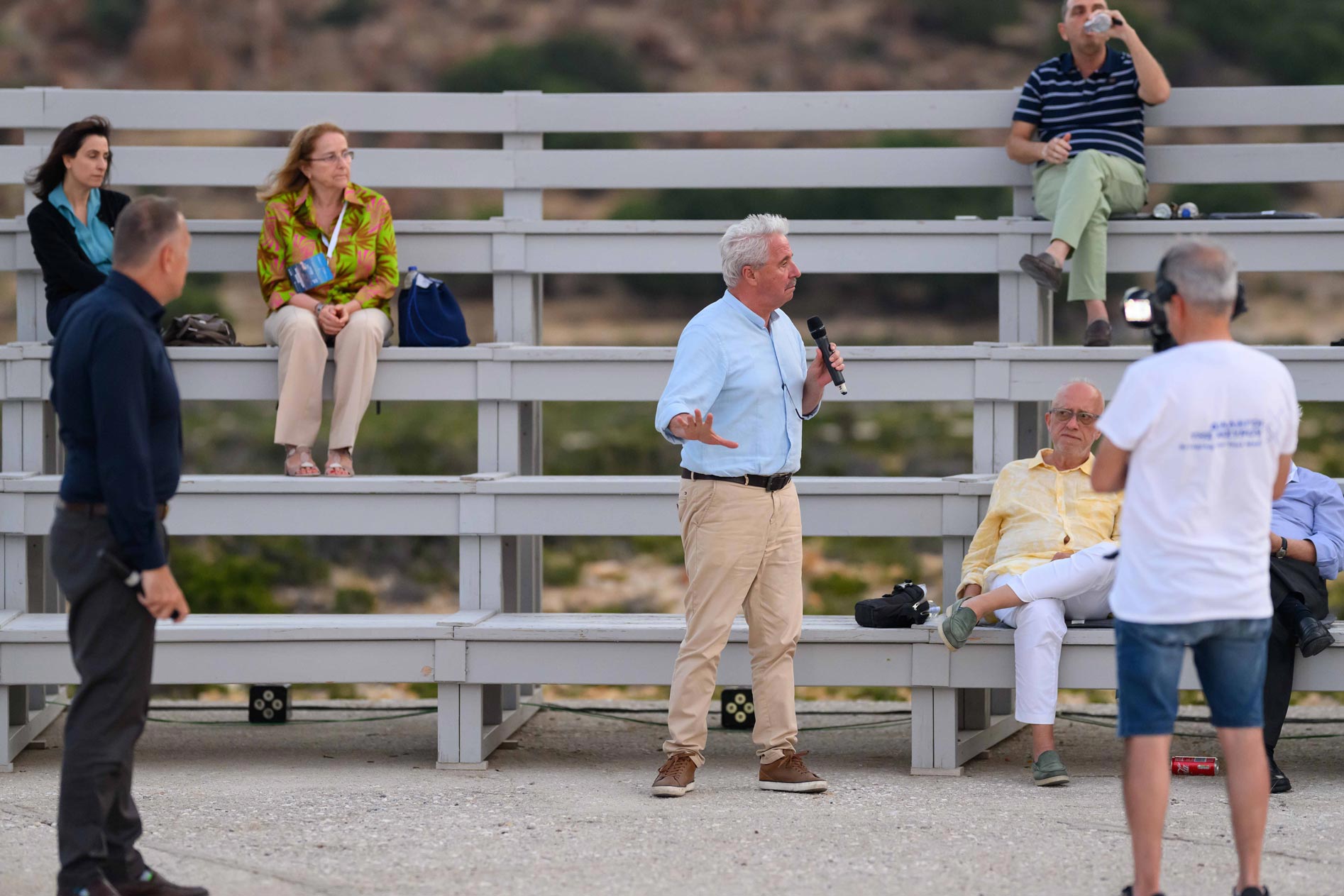
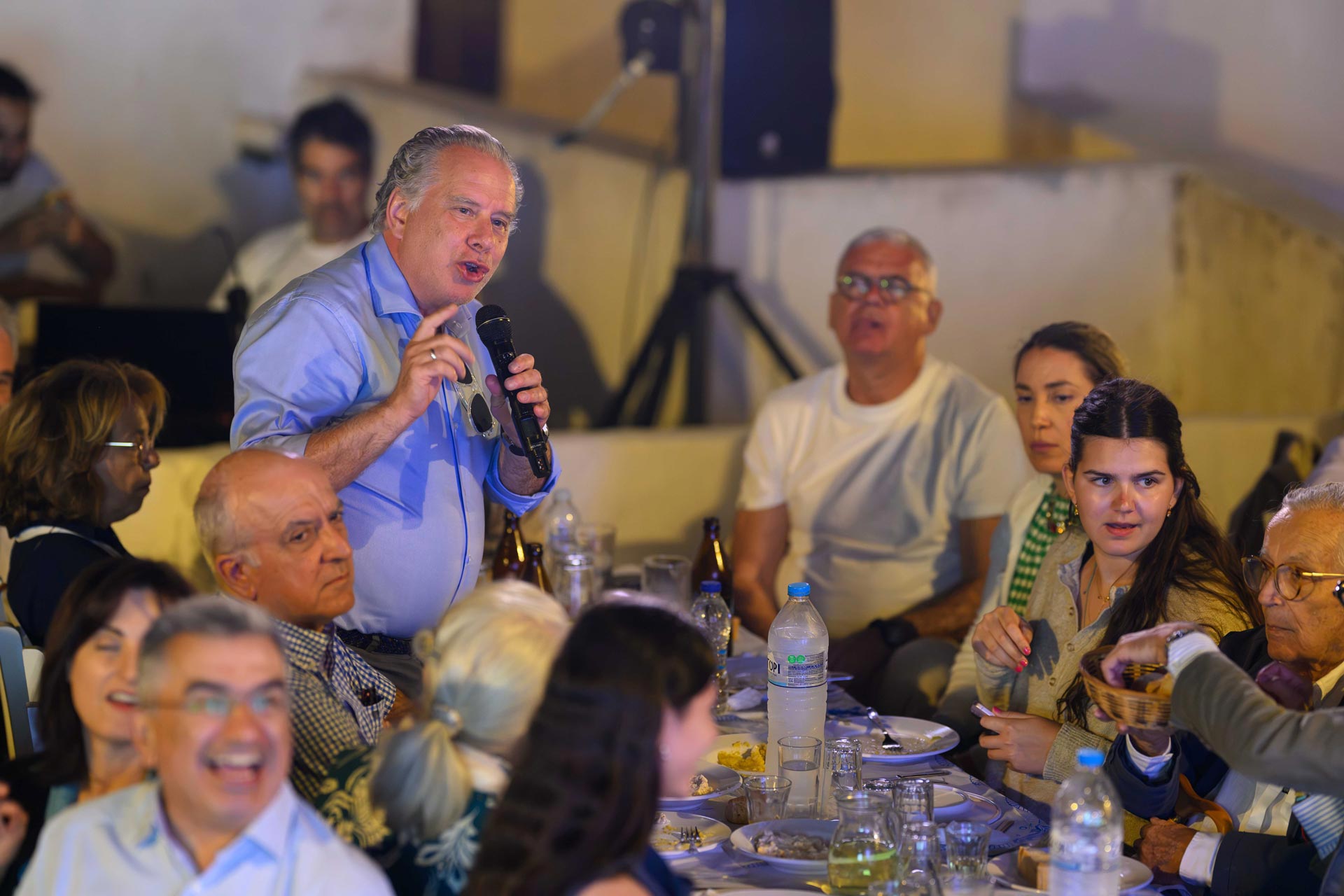
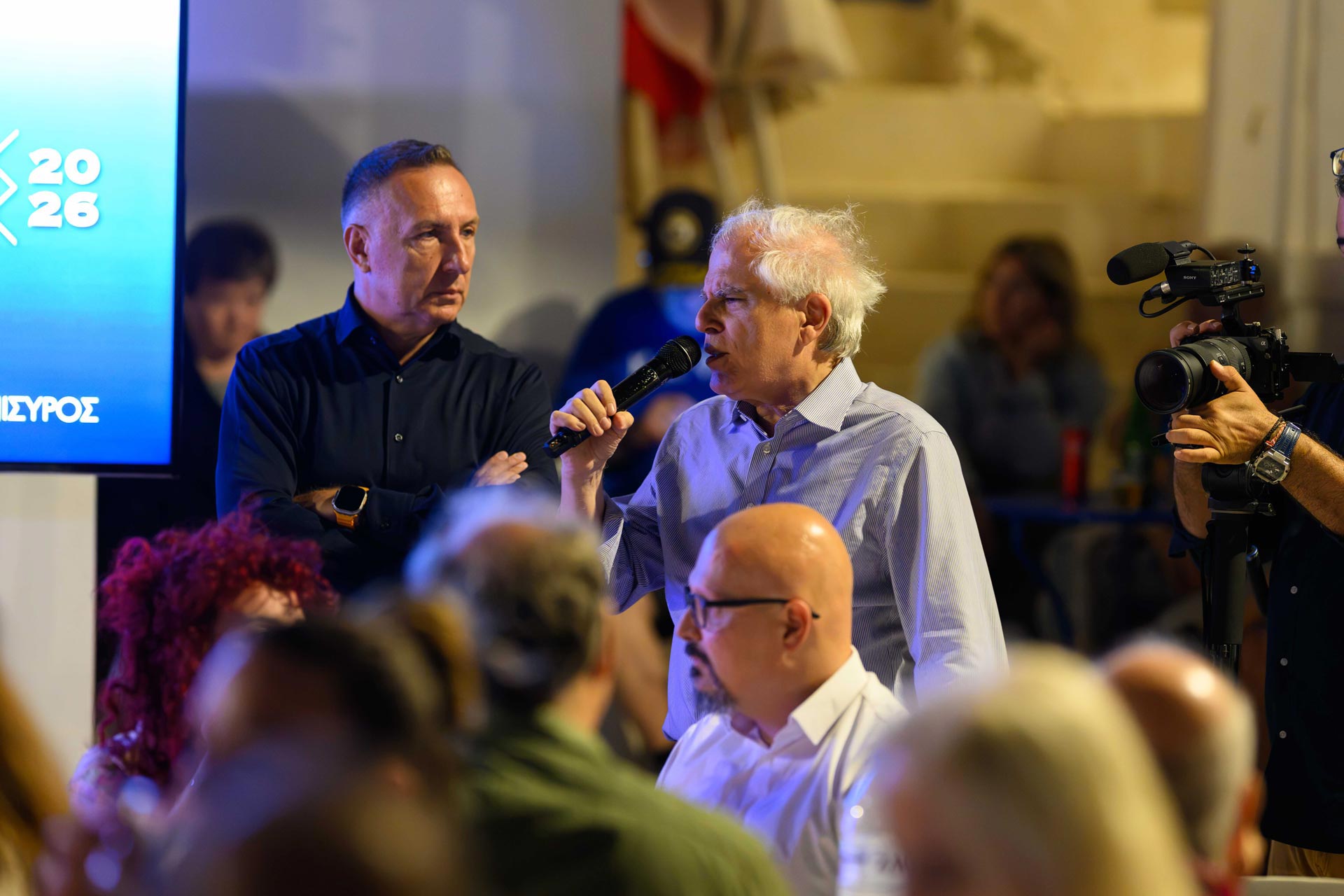
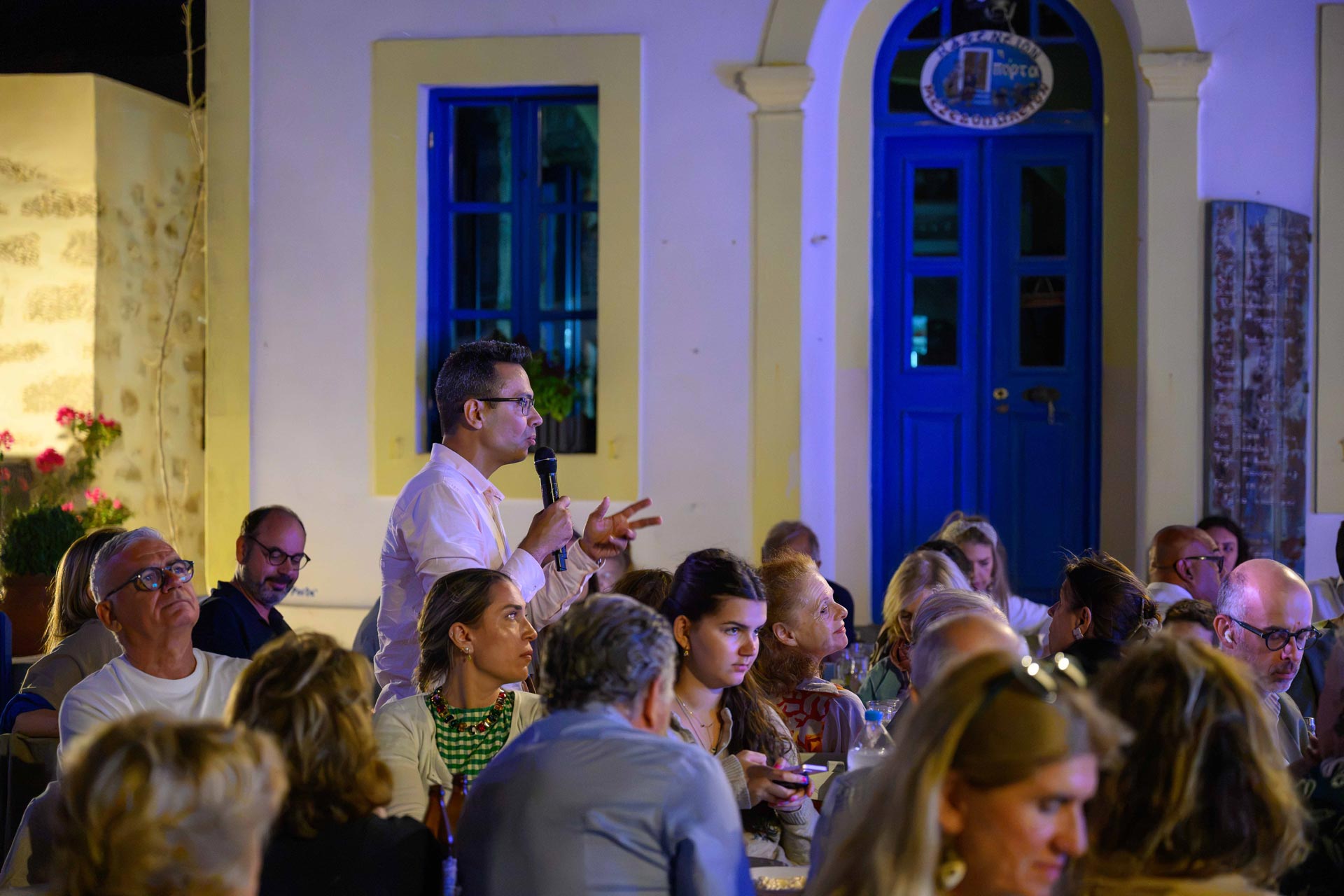
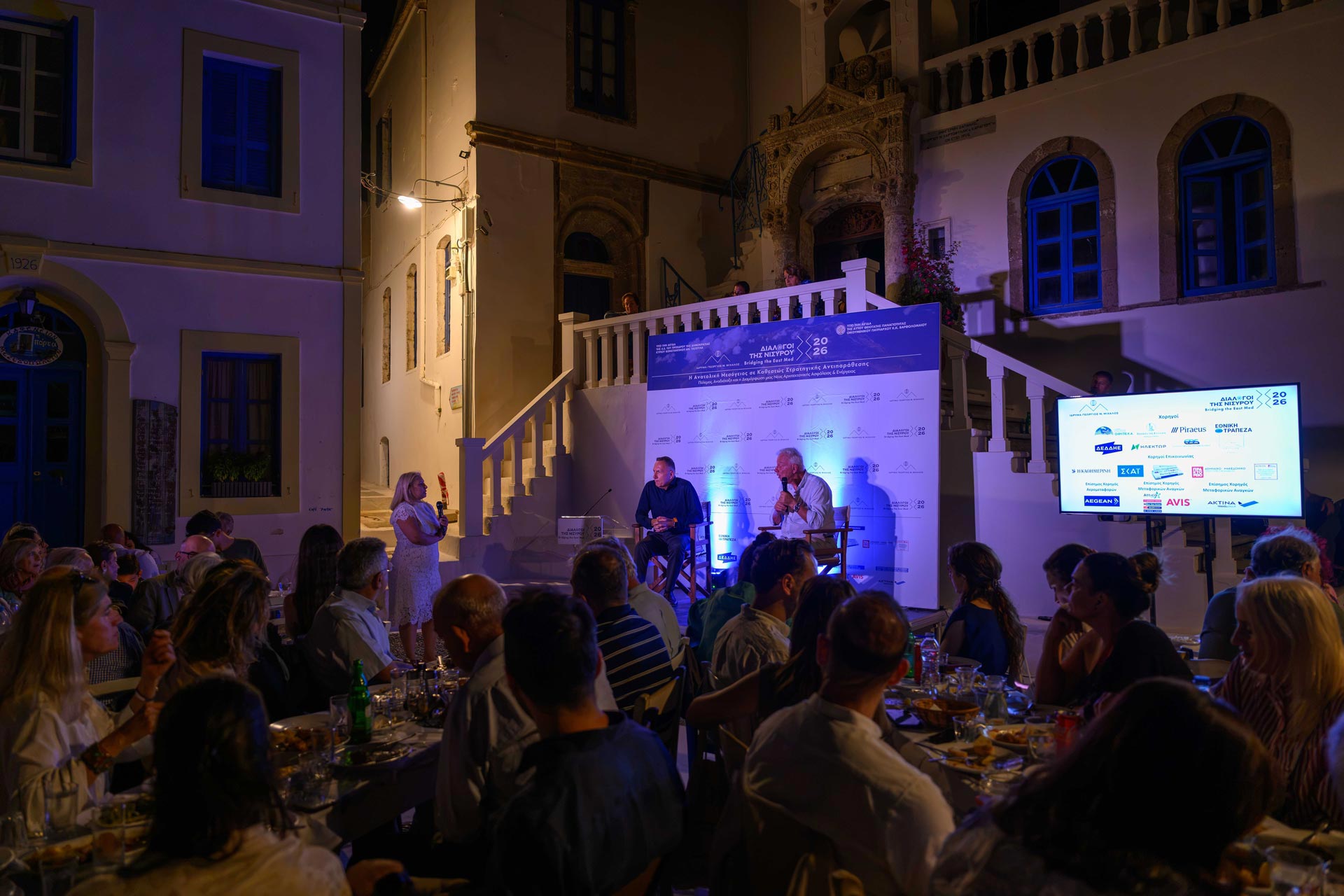
Energy was discussed in a particularly dynamic Dialogue between Kostas Mathioudakis and Fanis Papathanasiou, with interventions from the audience and other speakers. The role of hydrocarbons, renewables, geothermal and nuclear energy, together with delays in grid infrastructure and storage, condensed the key energy strategies and opportunities for Greece into a single session. Giannis Maniatis warned that Europe has indeed moved away from Russian gas, but has become dependent on American LNG instead, and estimated that the need for hydrocarbons will remain strong for the next thirty years — which is why Greece must draw on its own resources while accelerating the green transition.

✅ Culture as Power

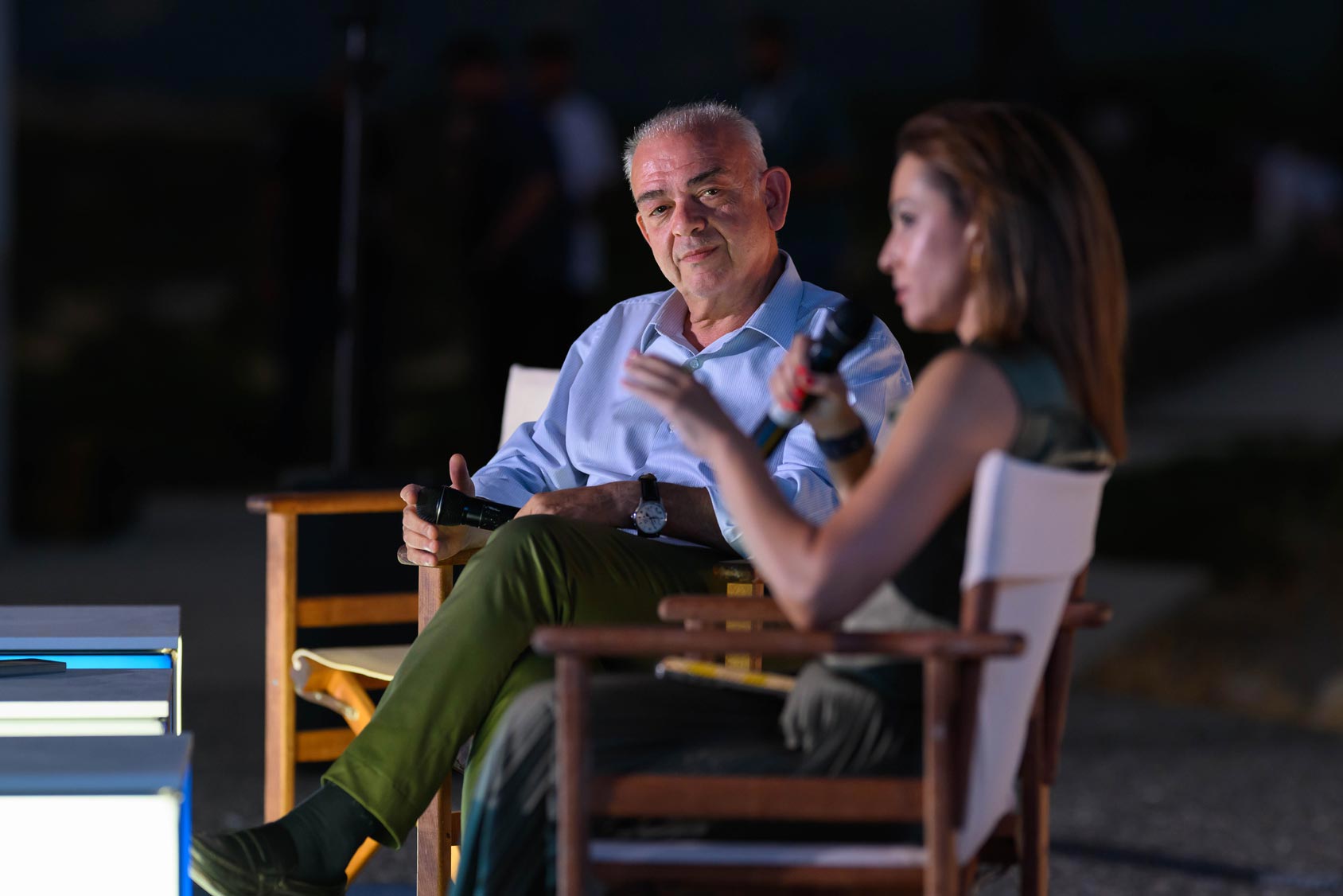
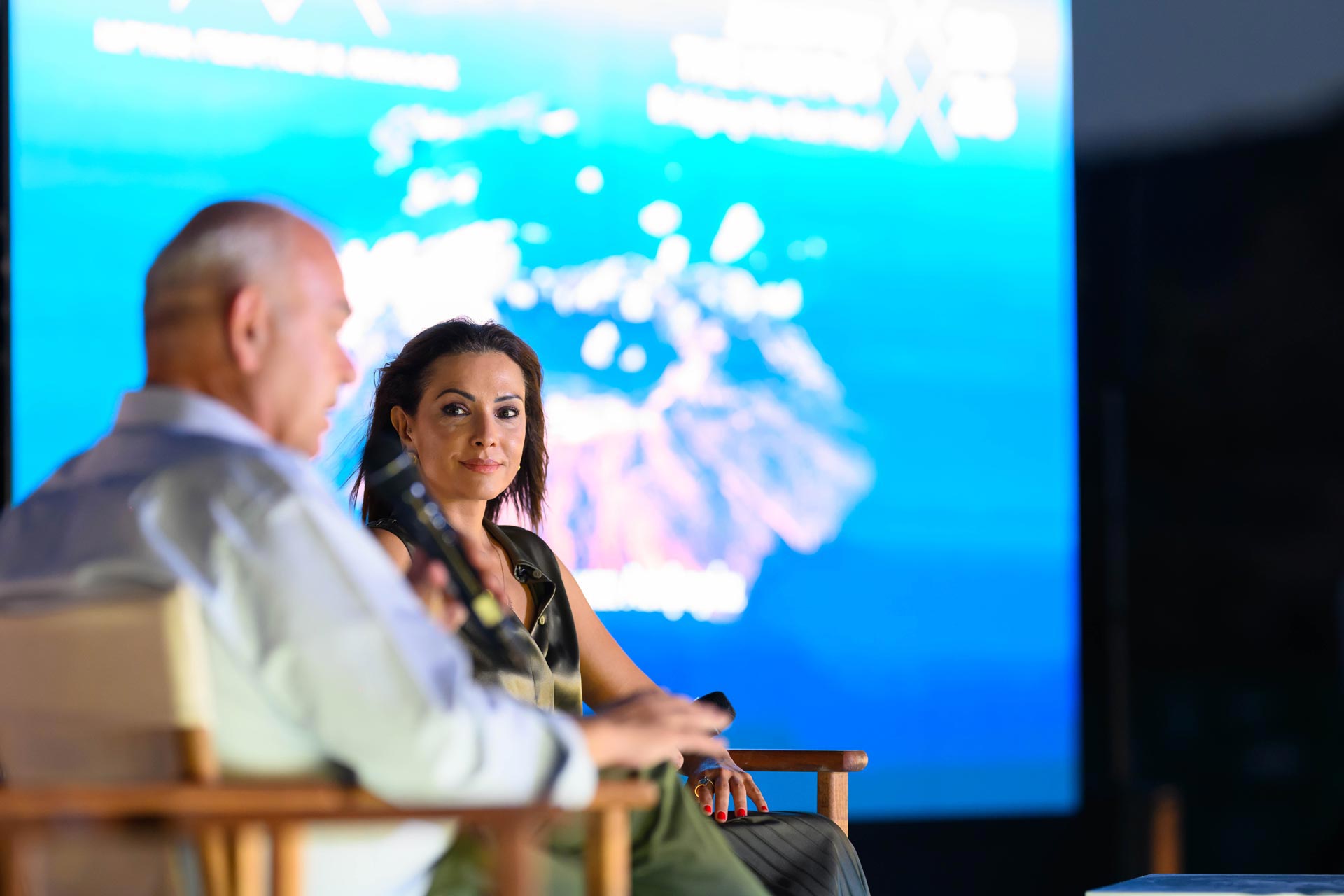
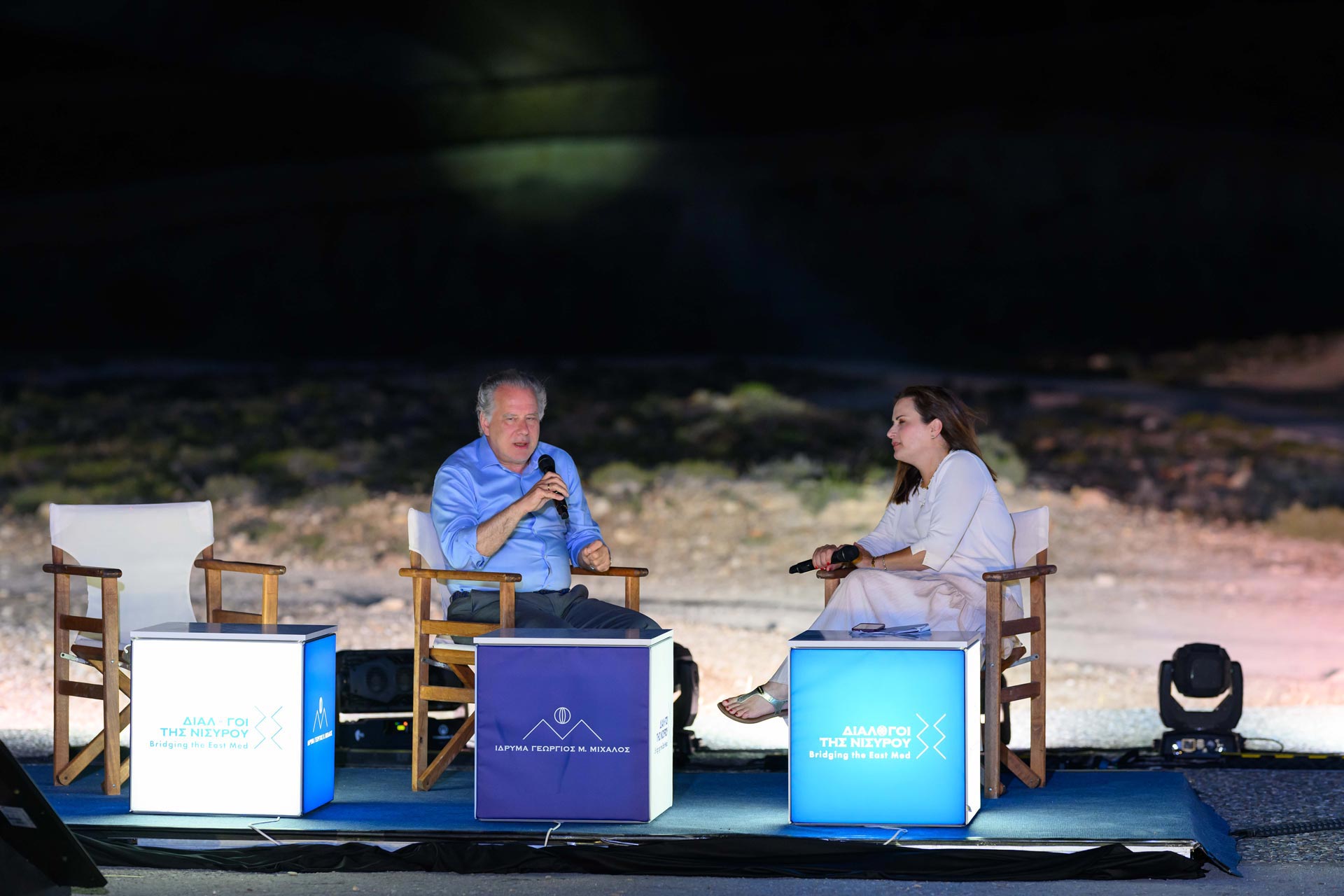
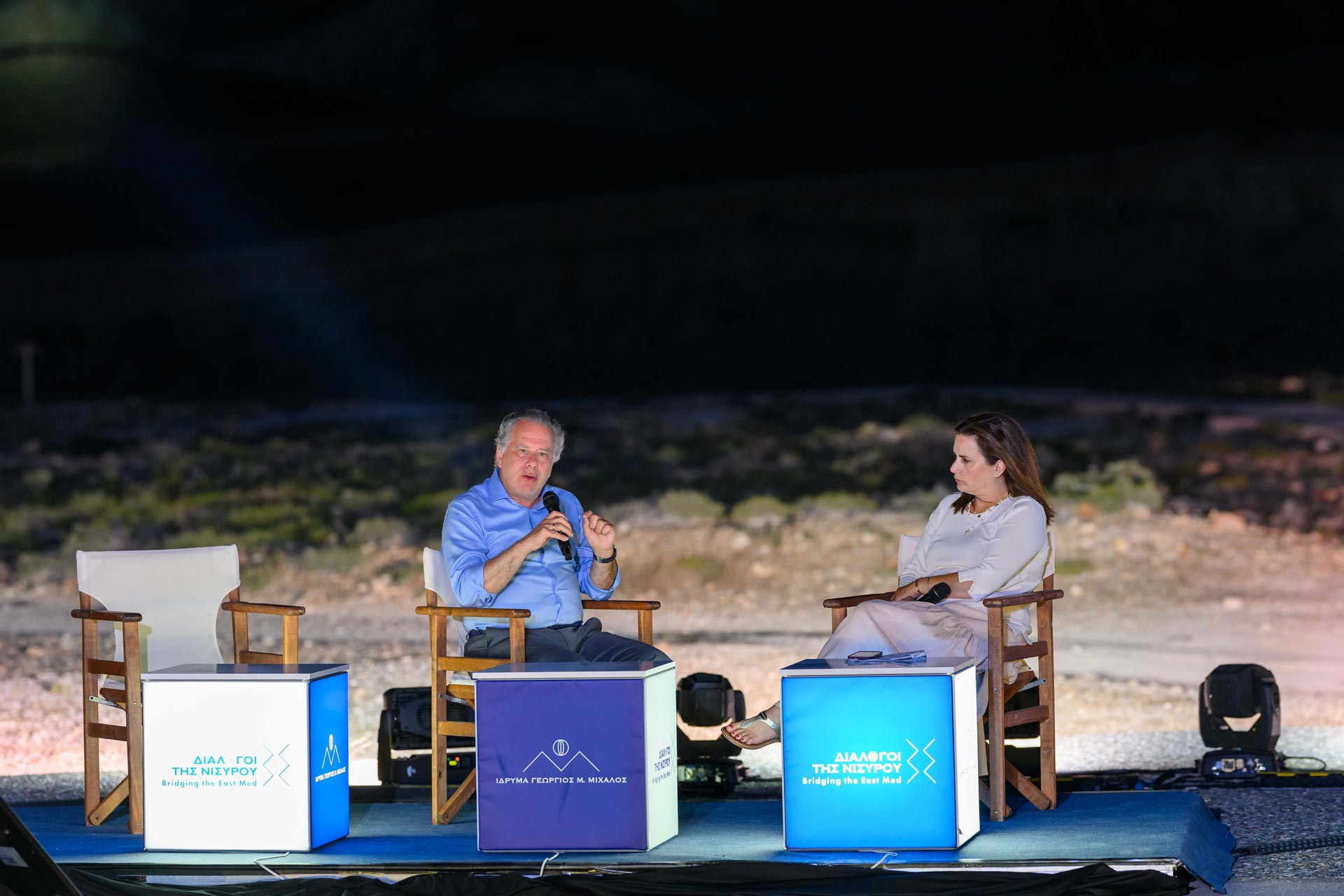
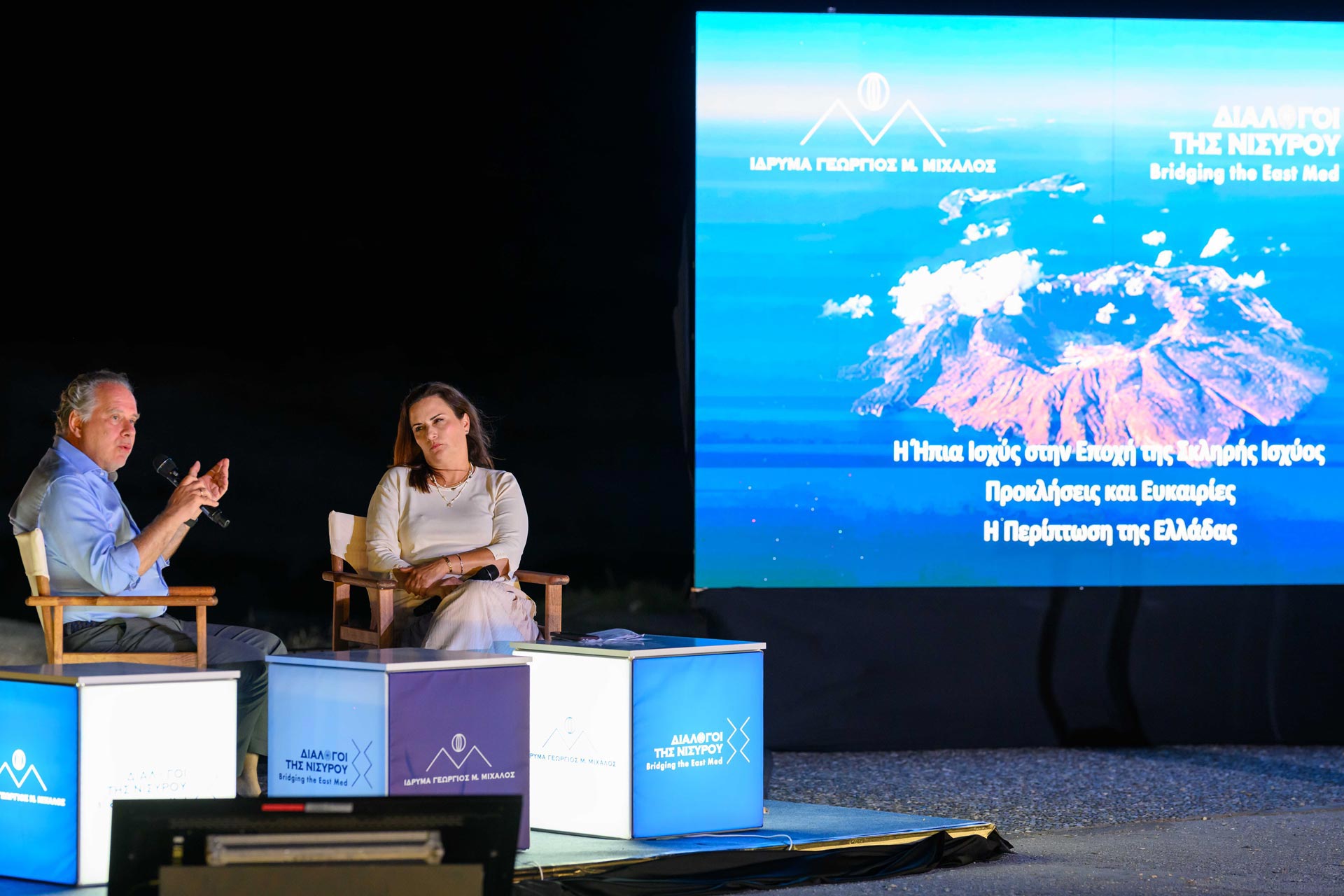
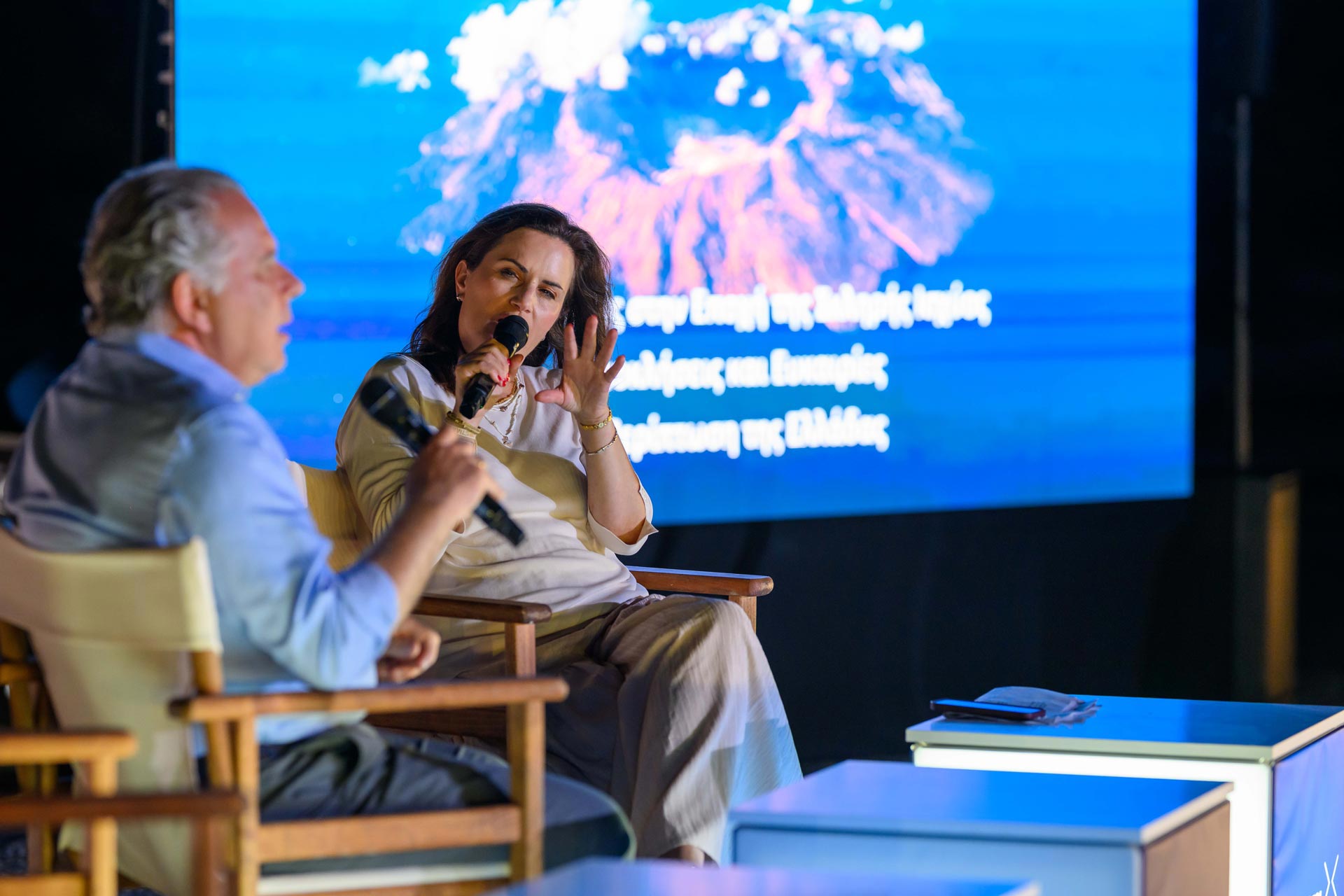
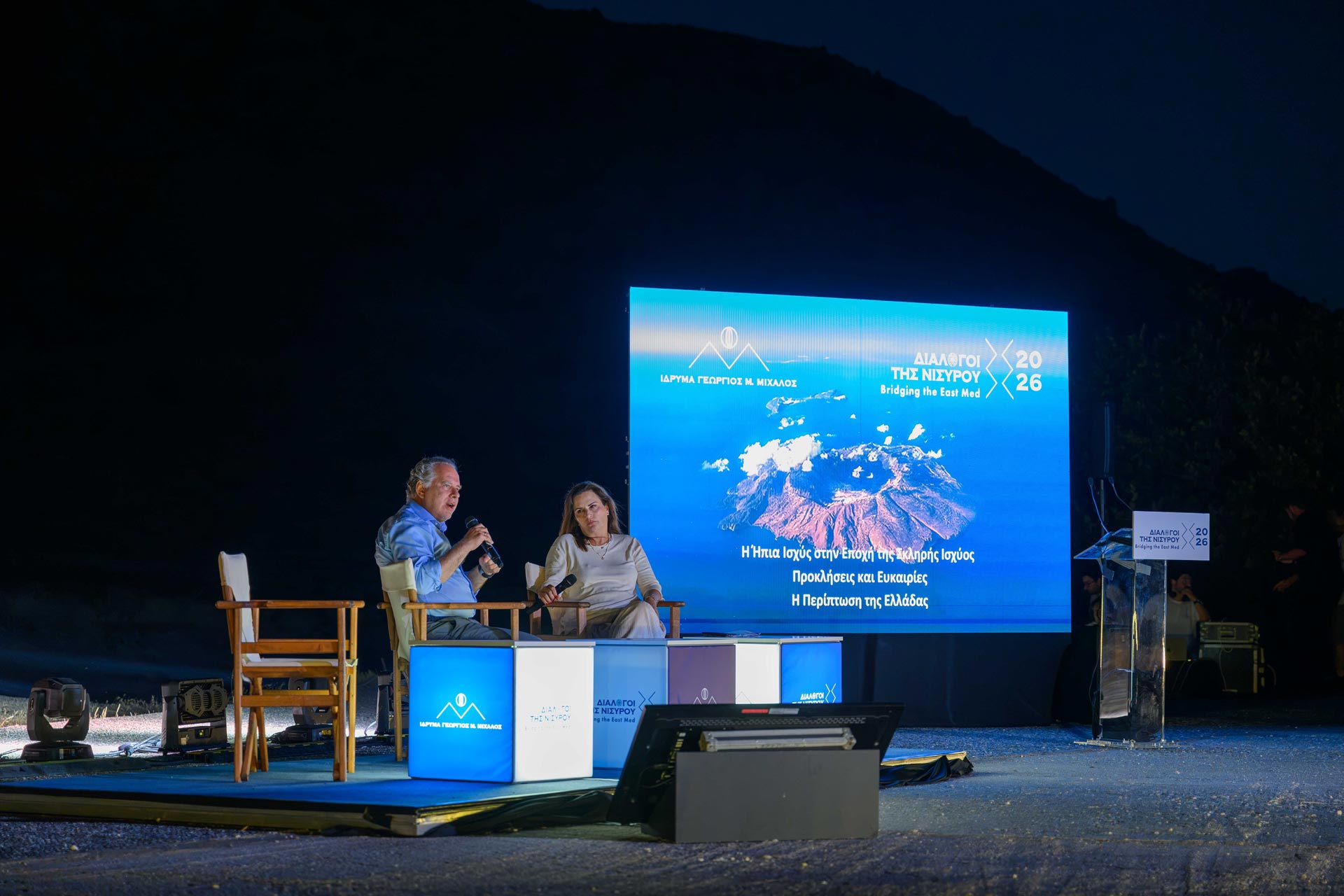
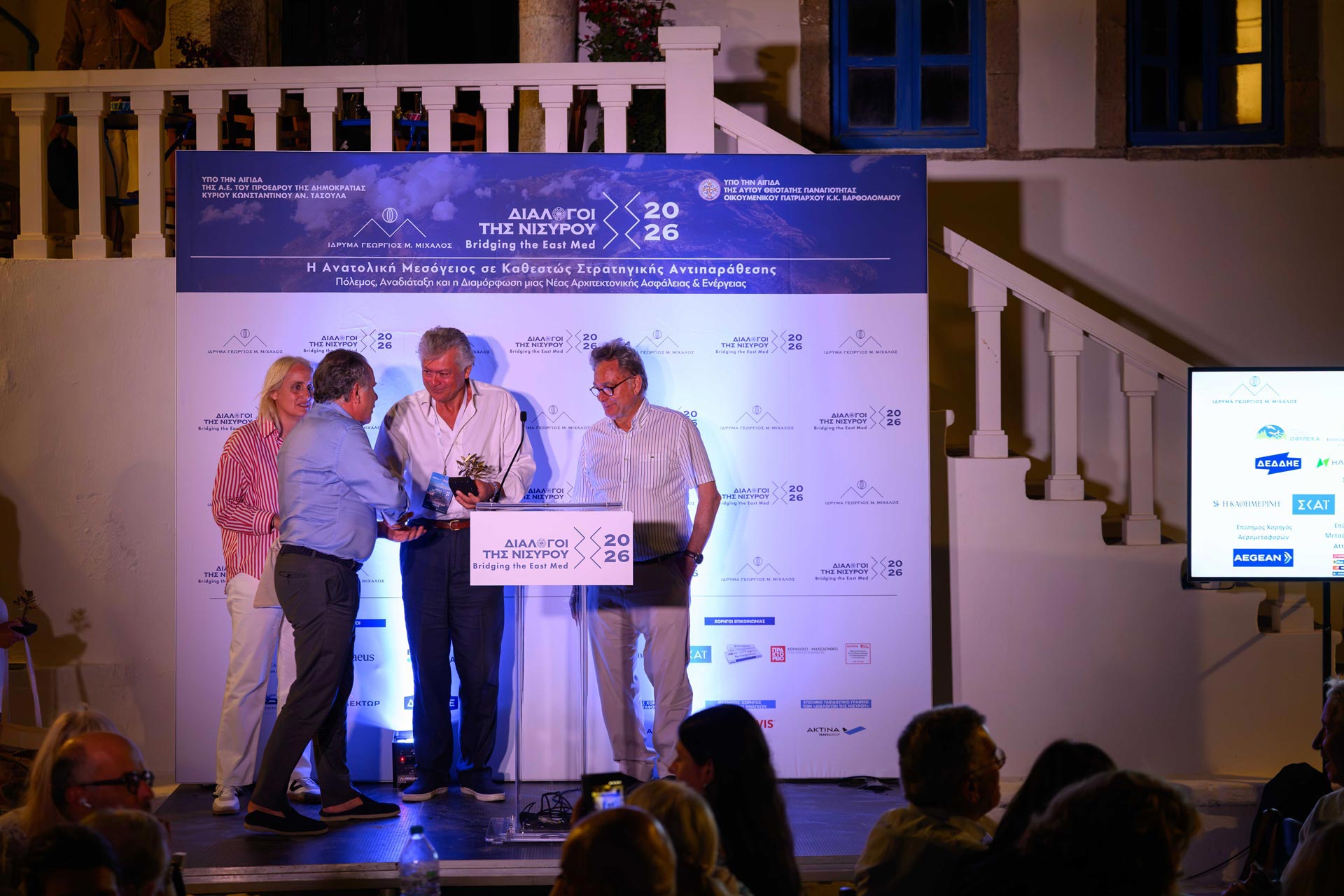
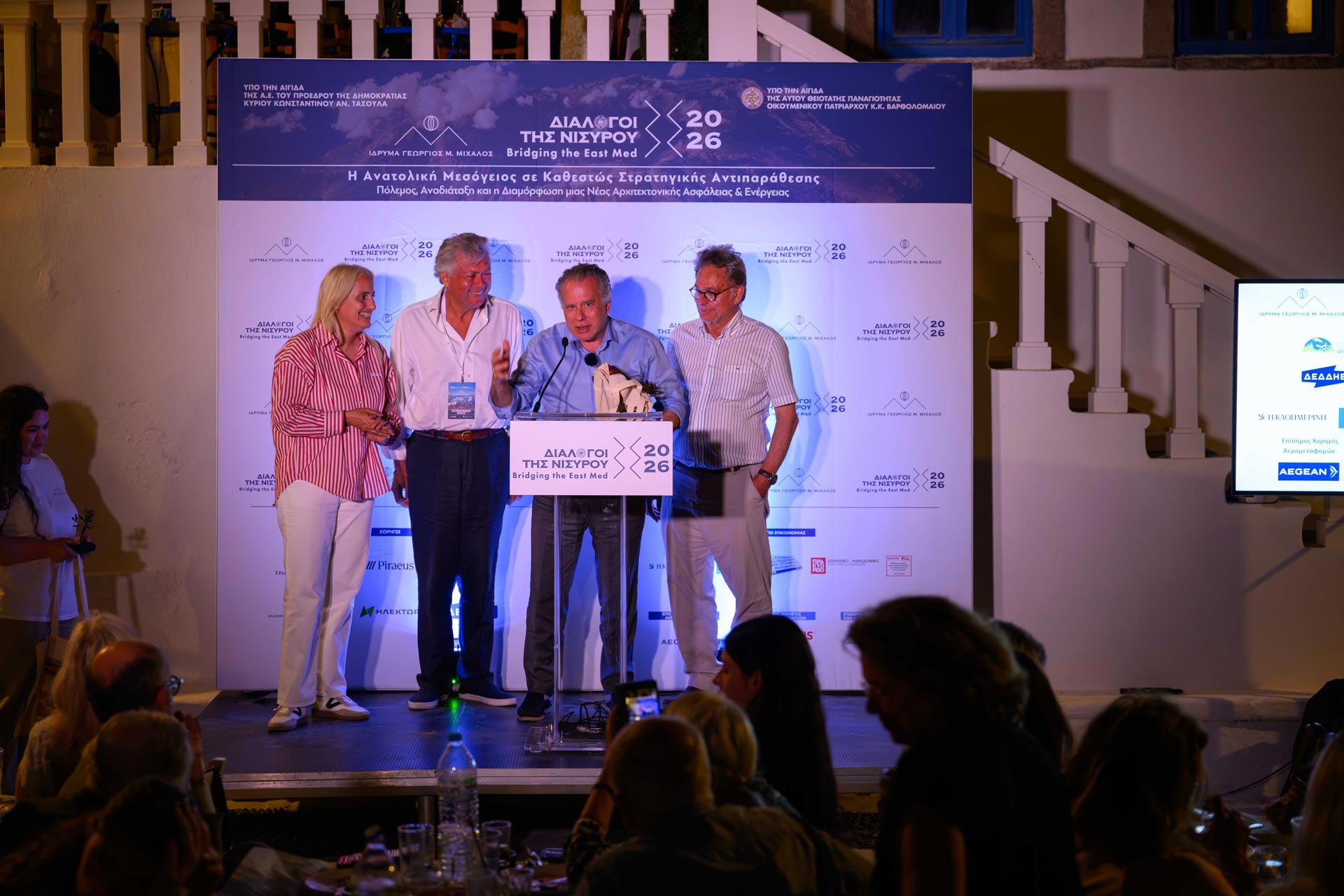
In another, distinctive Dialogue, Greece's Permanent Representative to UNESCO, Georgios Koumoutsakos, together with journalist Alexia Tasouli, approached Greece's geopolitical standing from a different angle: culture. Mr. Koumoutsakos argued that no discussion of geopolitics and power projection can leave culture out of the picture, stressing the need for a national strategy that goes beyond hard power, through a deterrent capability built on the country's cultural power. As he put it, Greece is a cultural superpower — through its language, history, and contribution to global thought — and, provided it invests in this domain, can project power on a global scale, alongside the hard power that remains confined to the local level.

✅ Sustainable Development of Frontier Islands — UNESCO Global Geopark
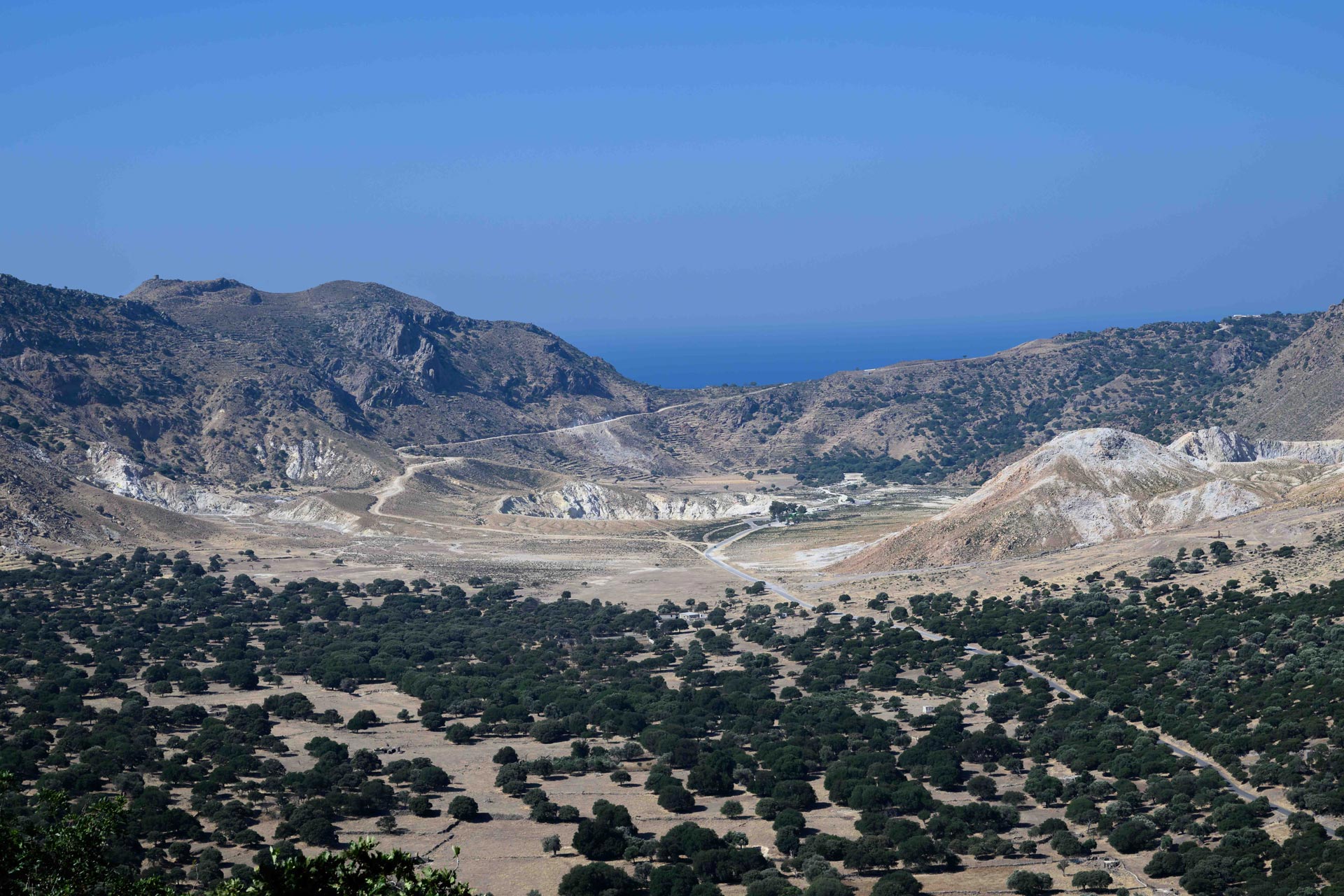
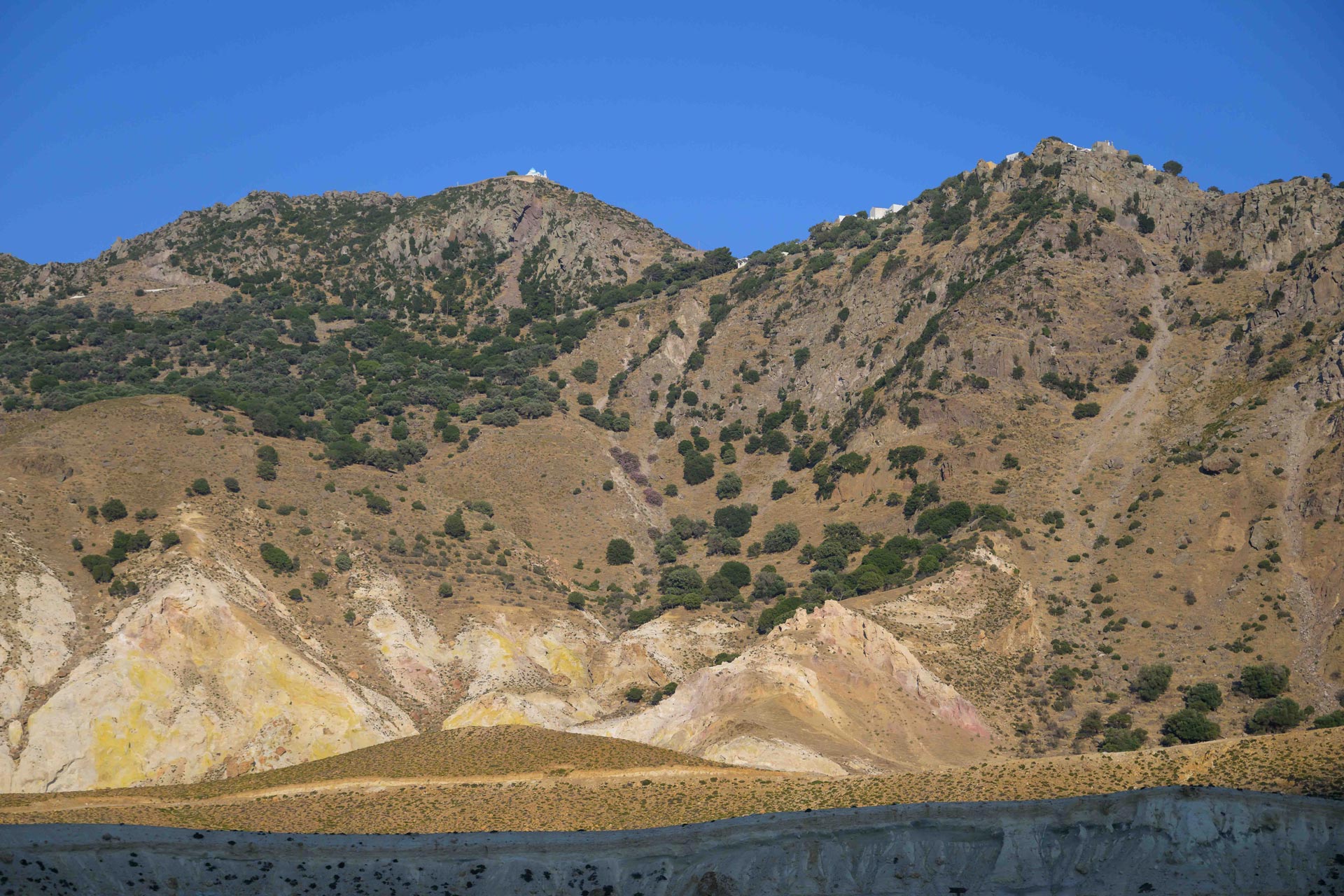
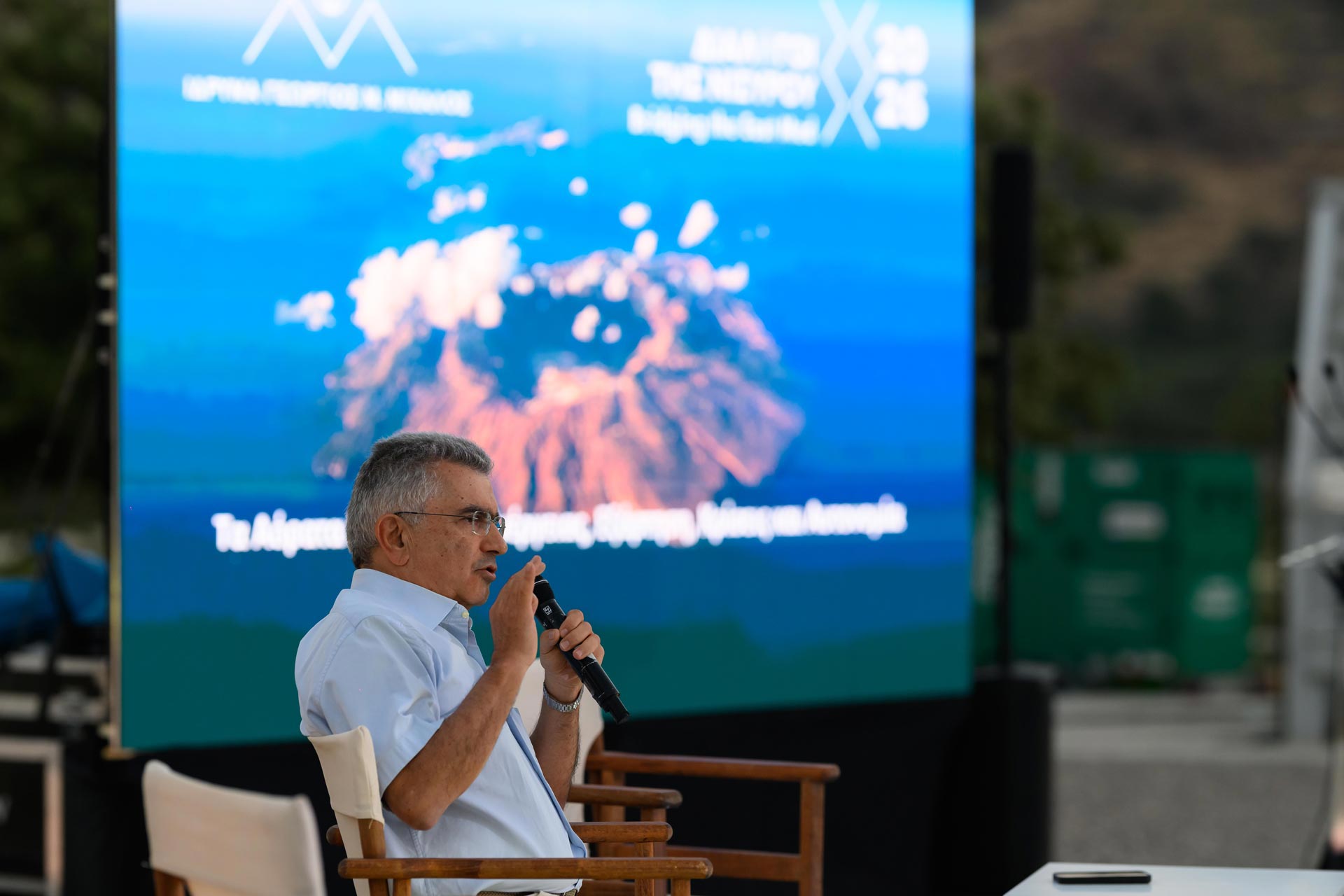
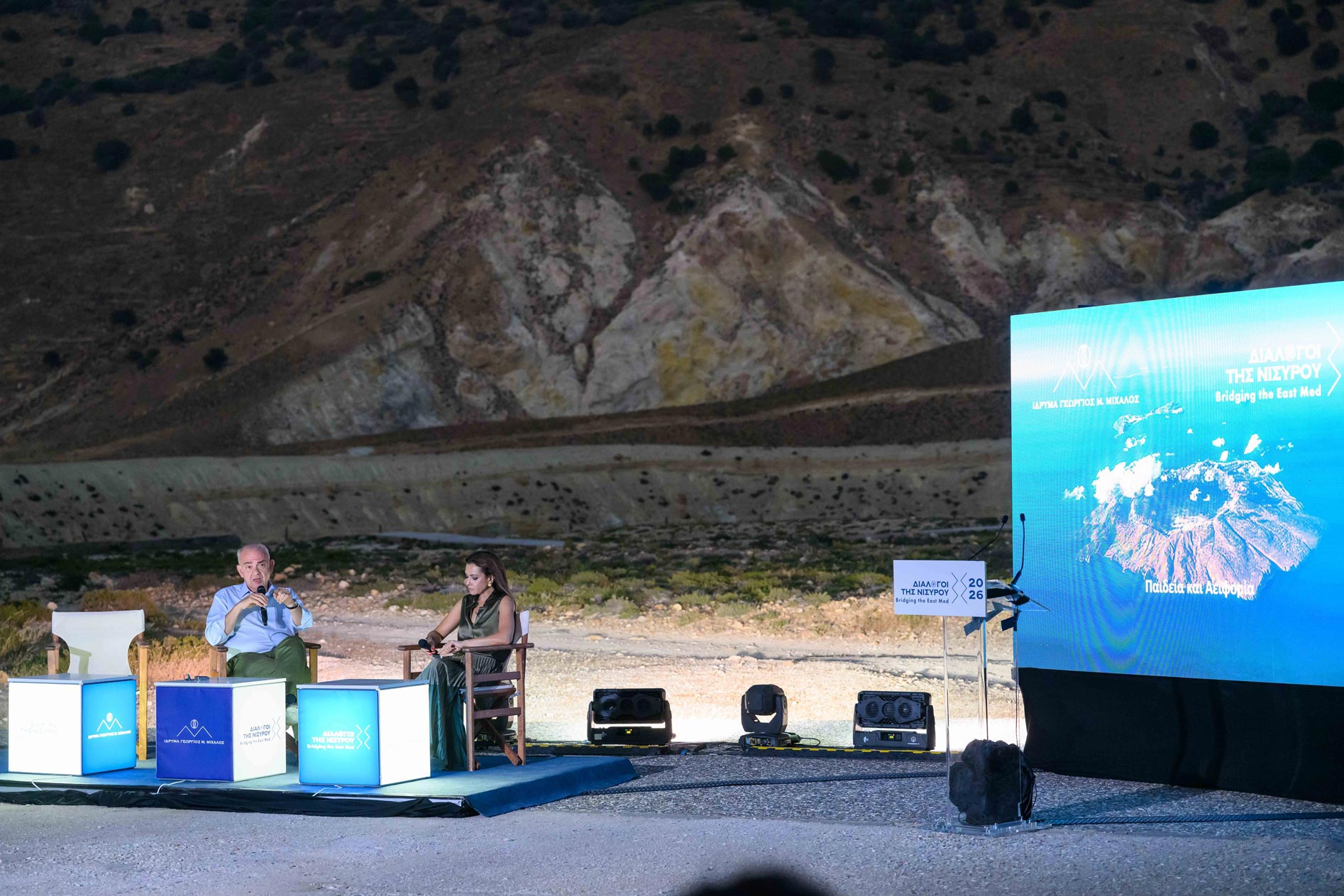
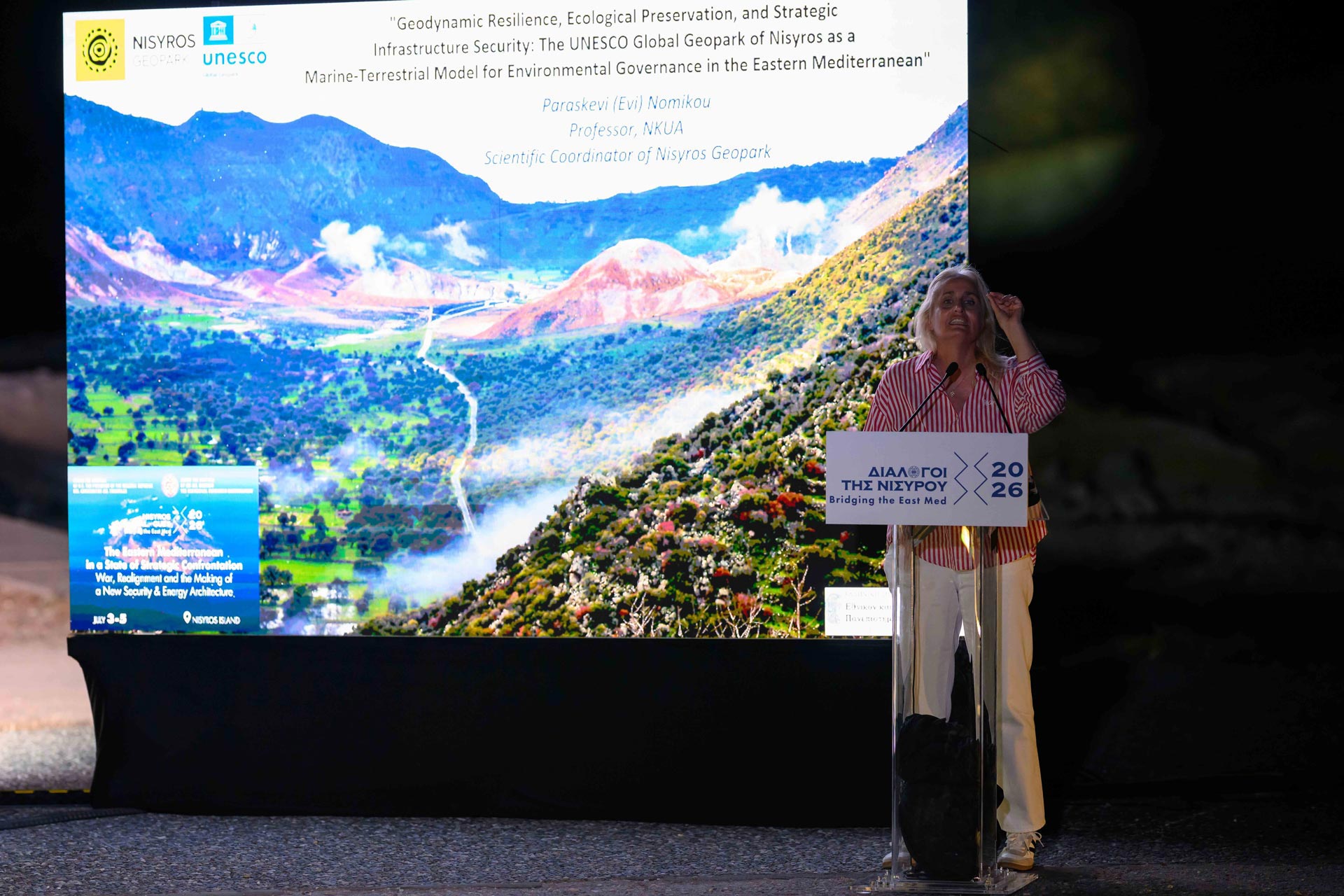
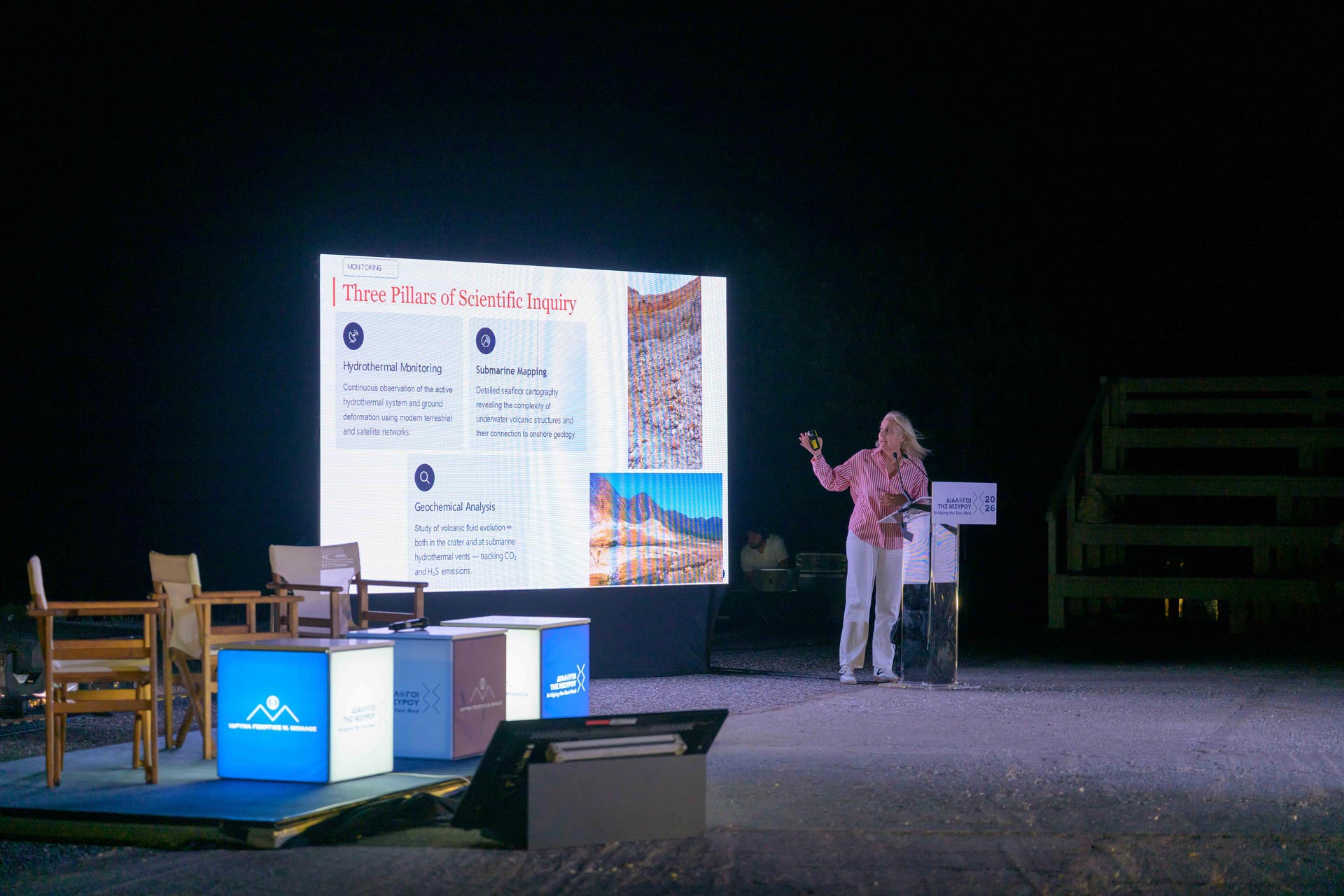
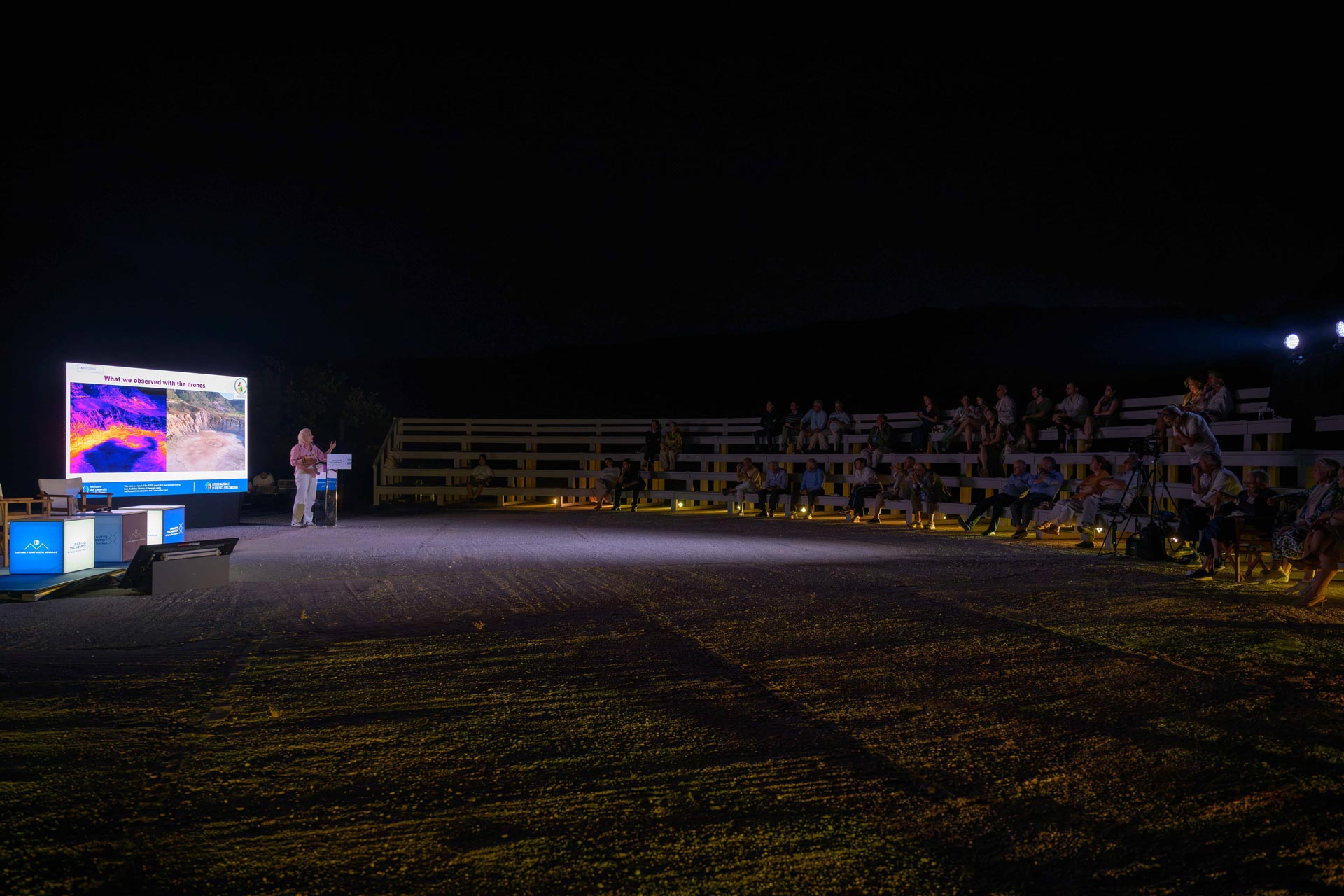
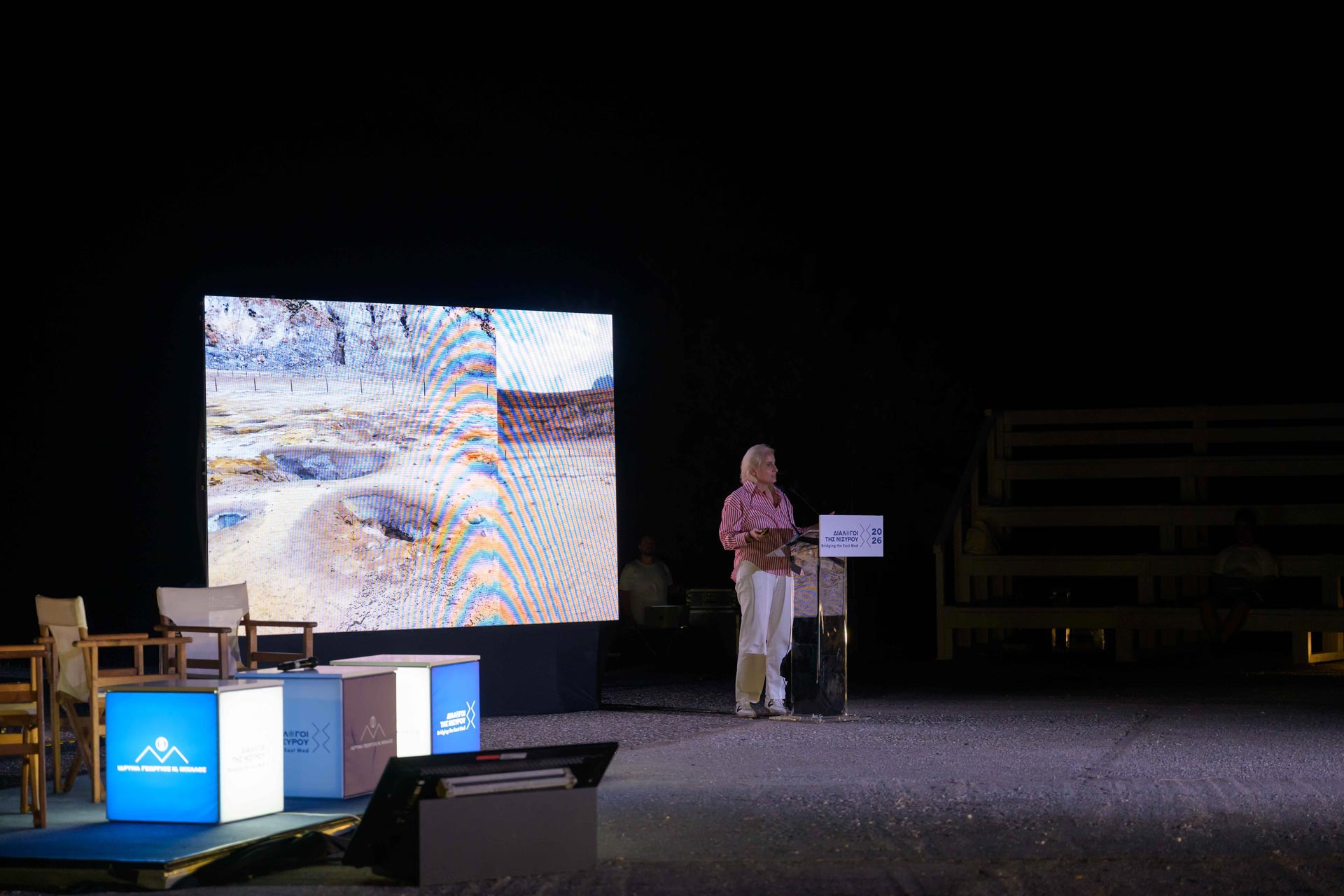
Professor Evi Nomikou, scientific director of the Nisyros Geopark, delivered a striking presentation on the uniqueness of Nisyros as a volcano, as well as the strategic significance of the island's recent inclusion, along with its neighbouring islets, in UNESCO's Global Geoparks. As she showed, the distinction carries not only scientific and cultural value — affirming Greece's distinctive role in preserving the planet's natural heritage — but also a geopolitical dimension, tied to the exercise of sovereign rights in this critical corner of the Aegean.

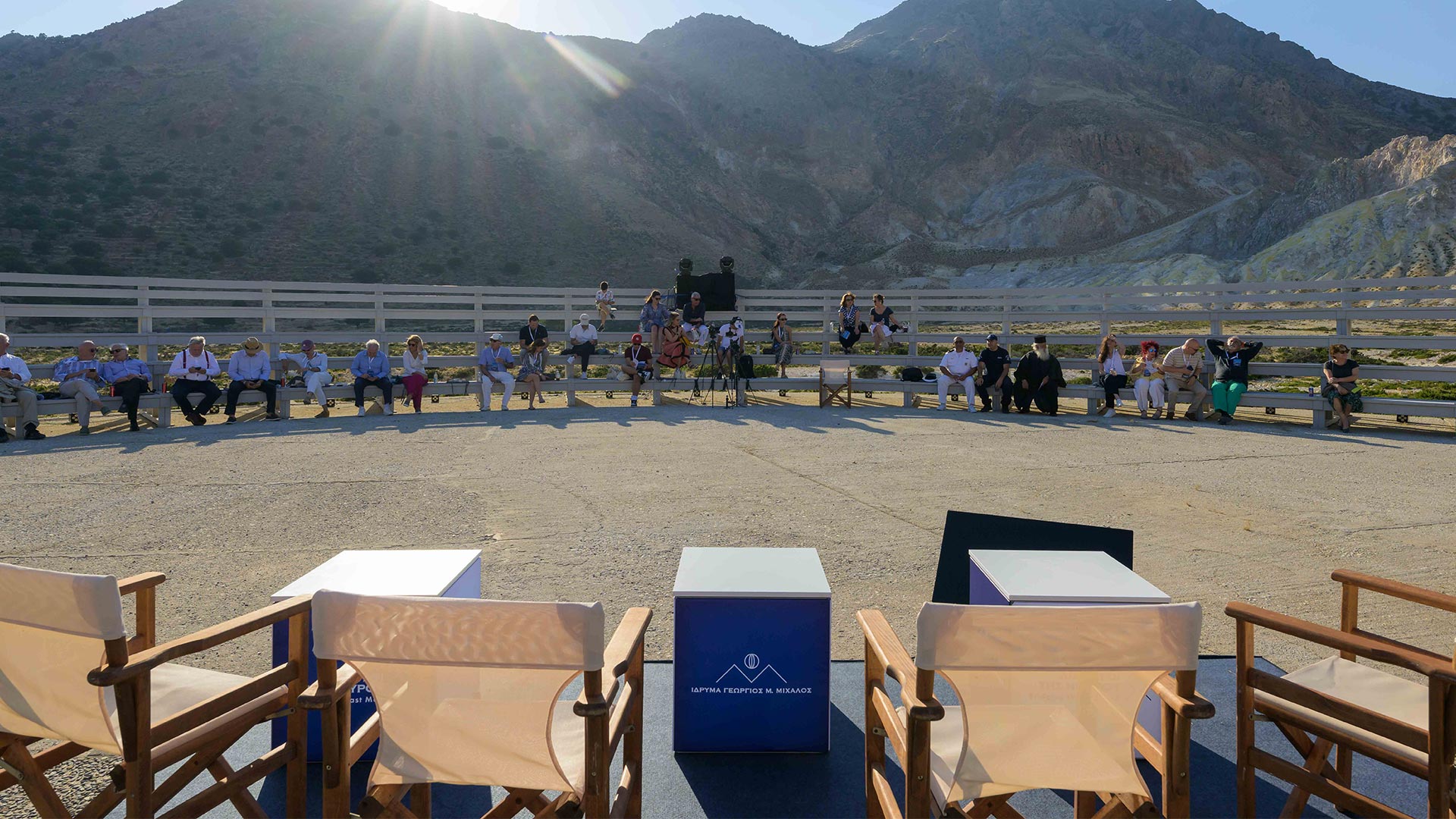
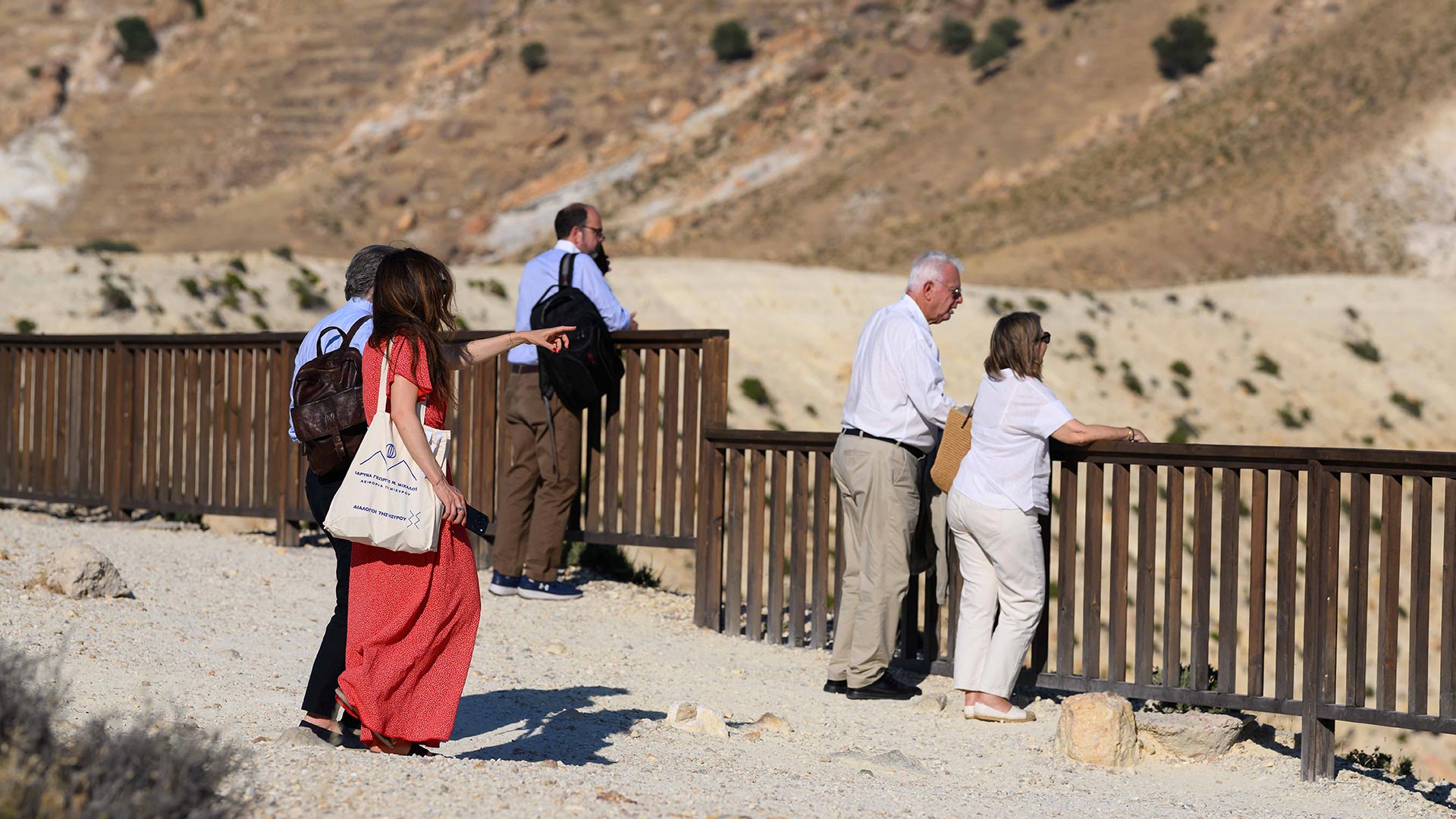
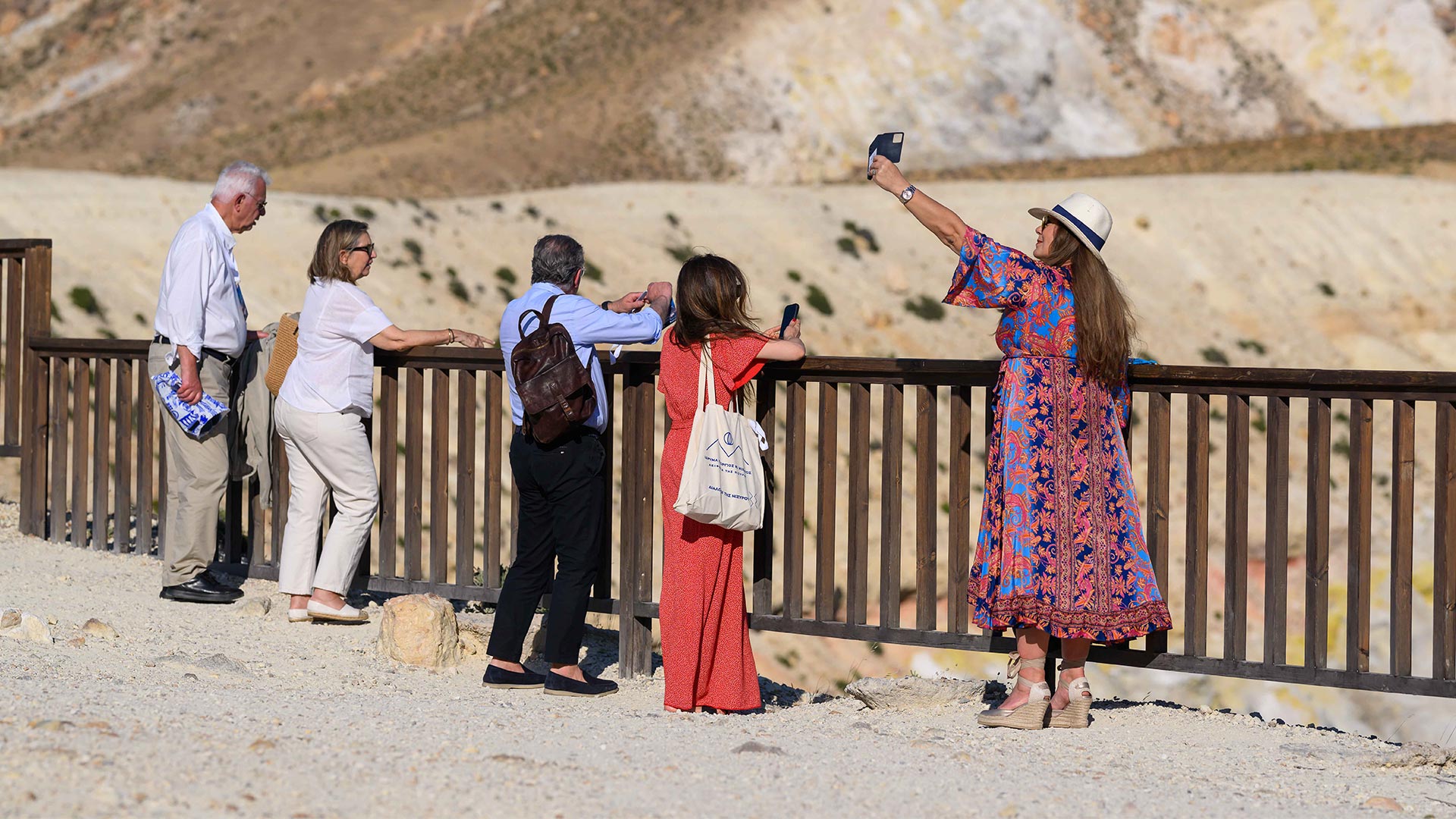
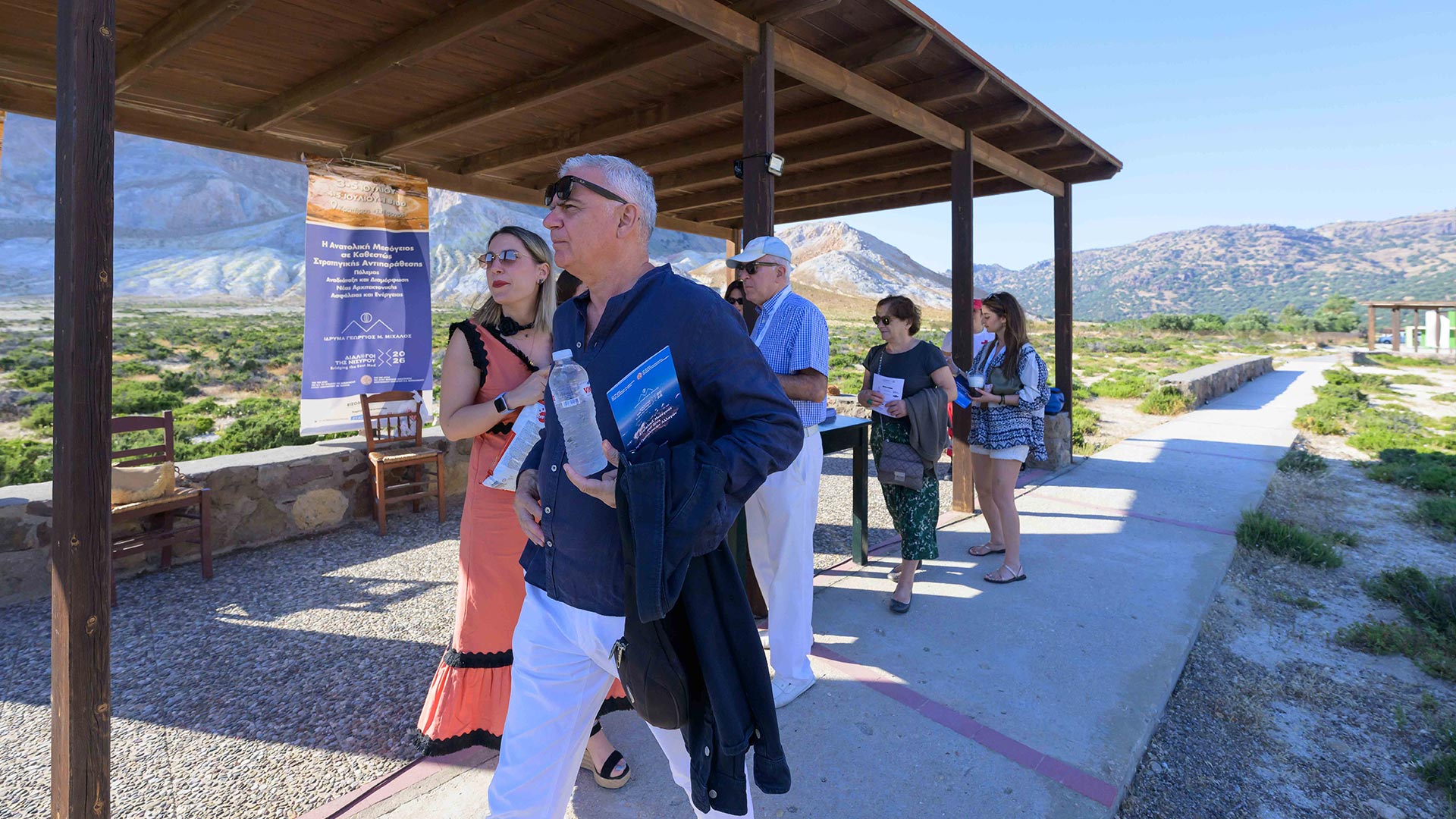
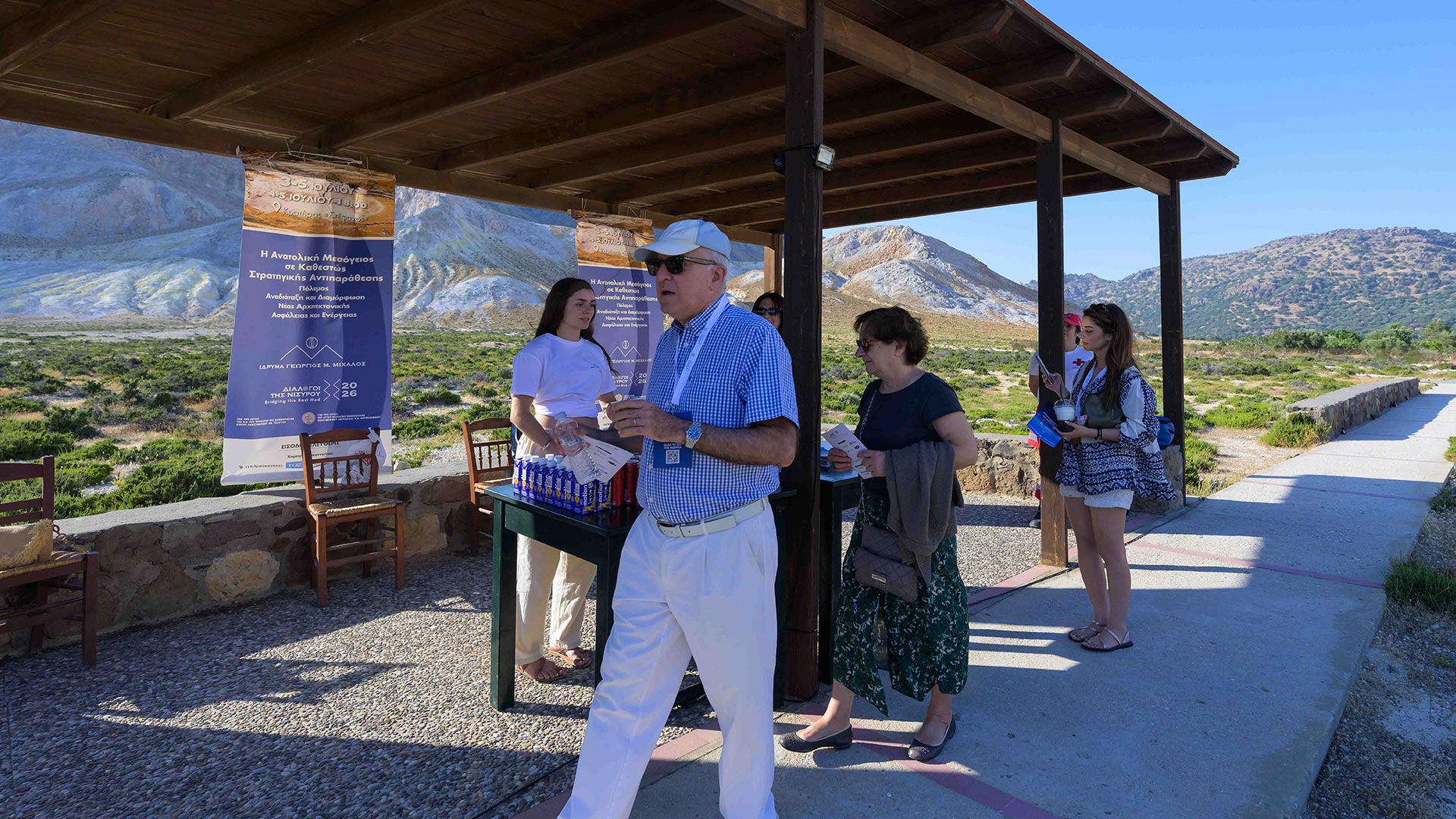
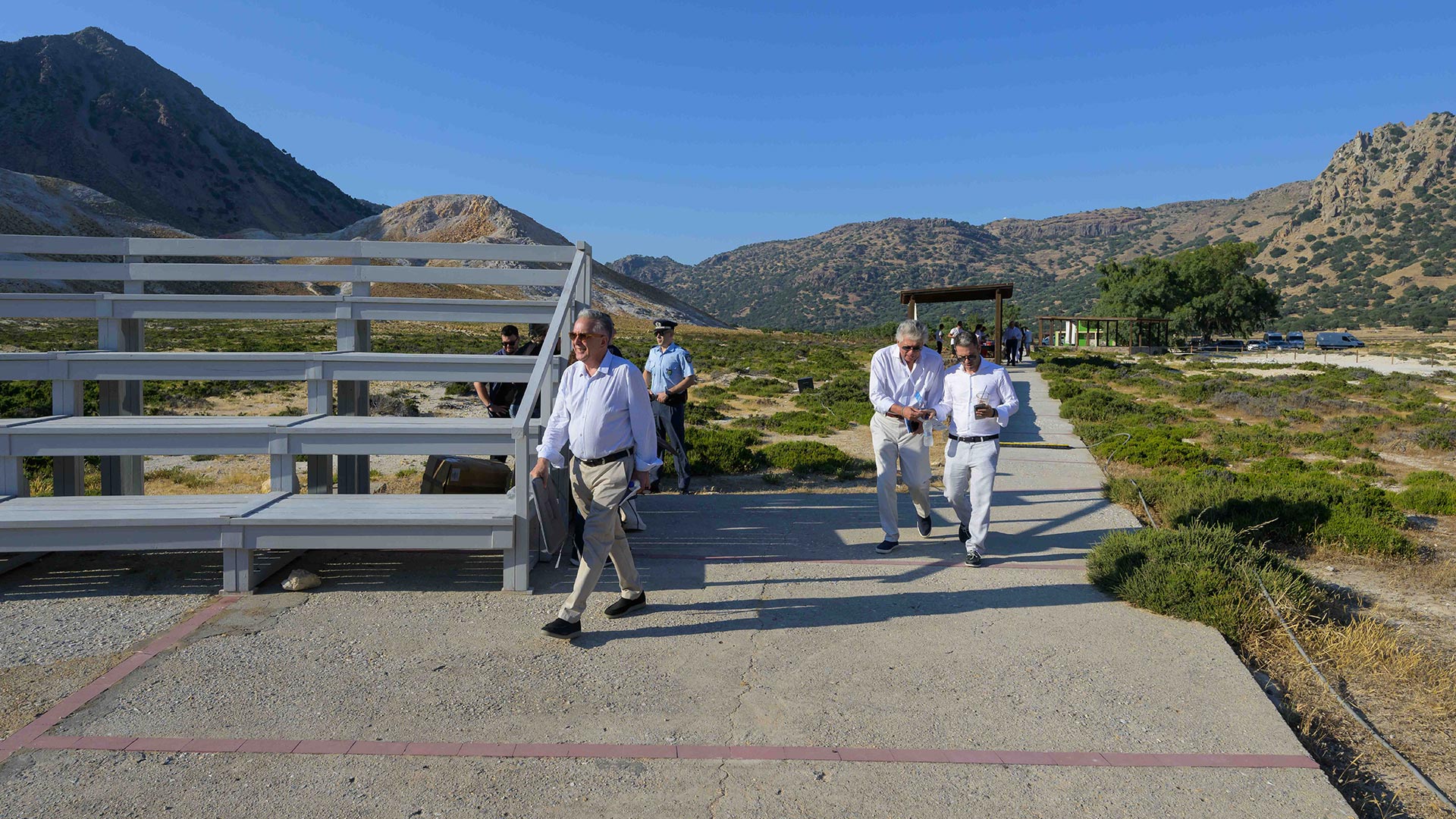
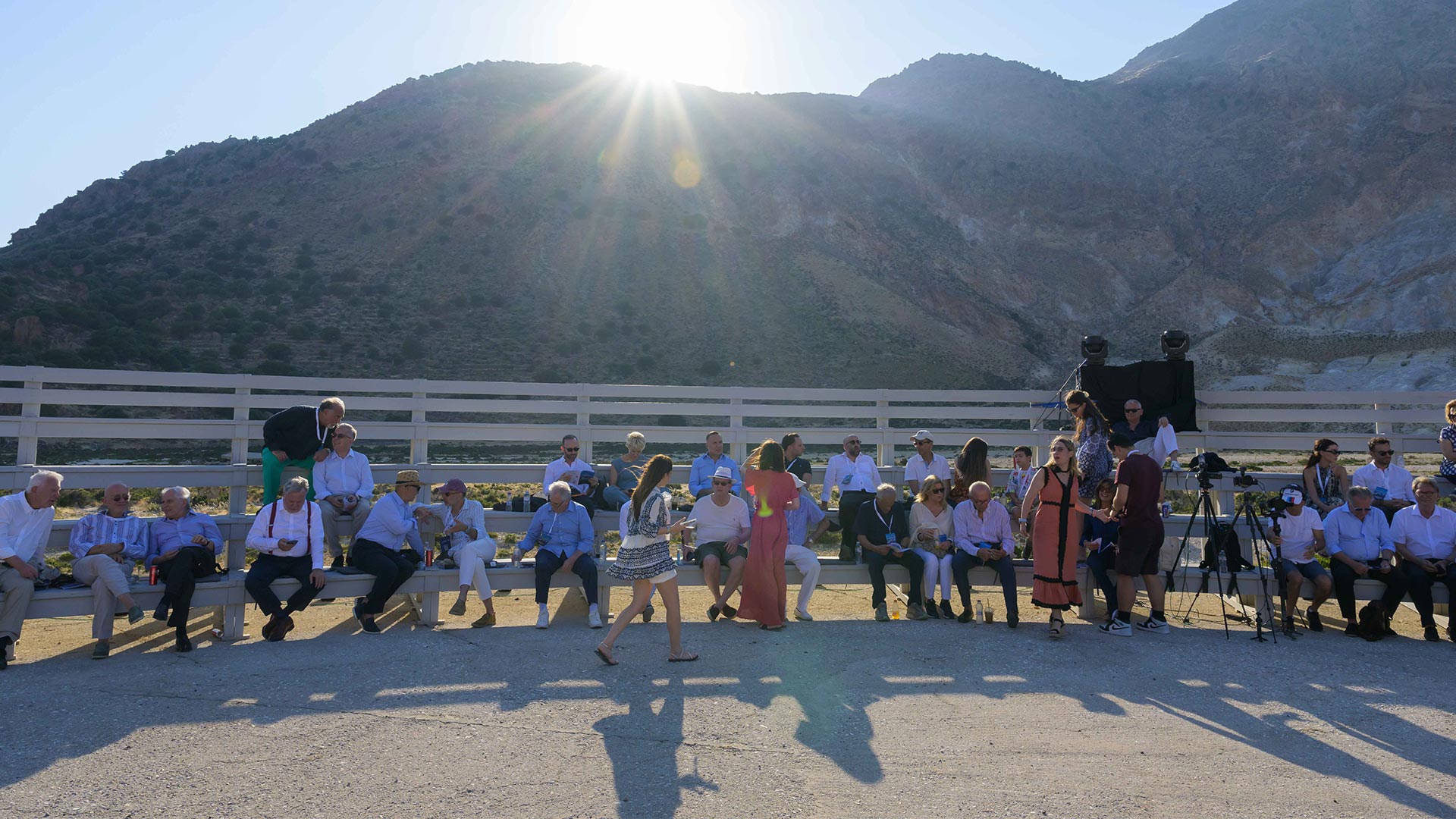
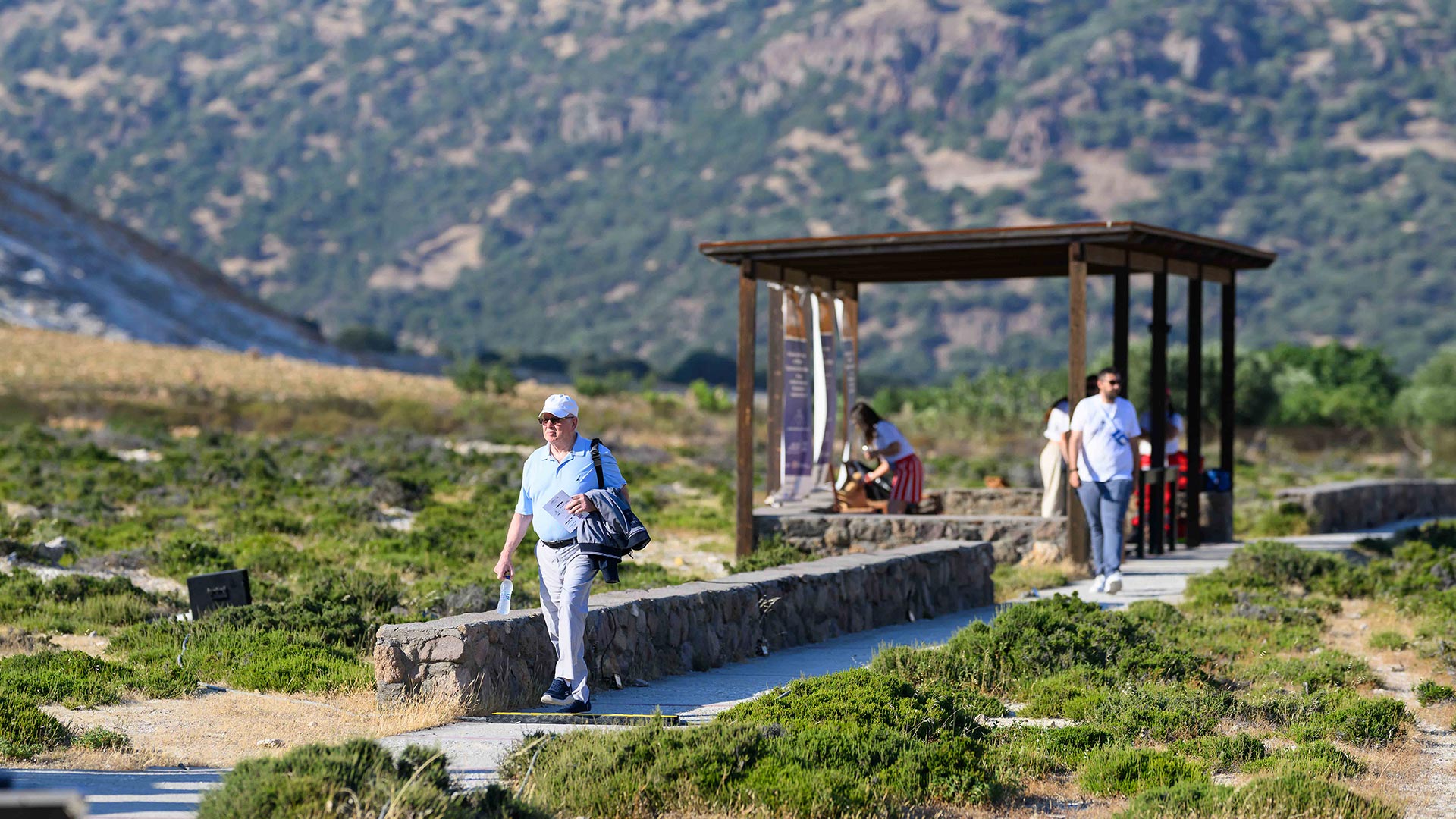
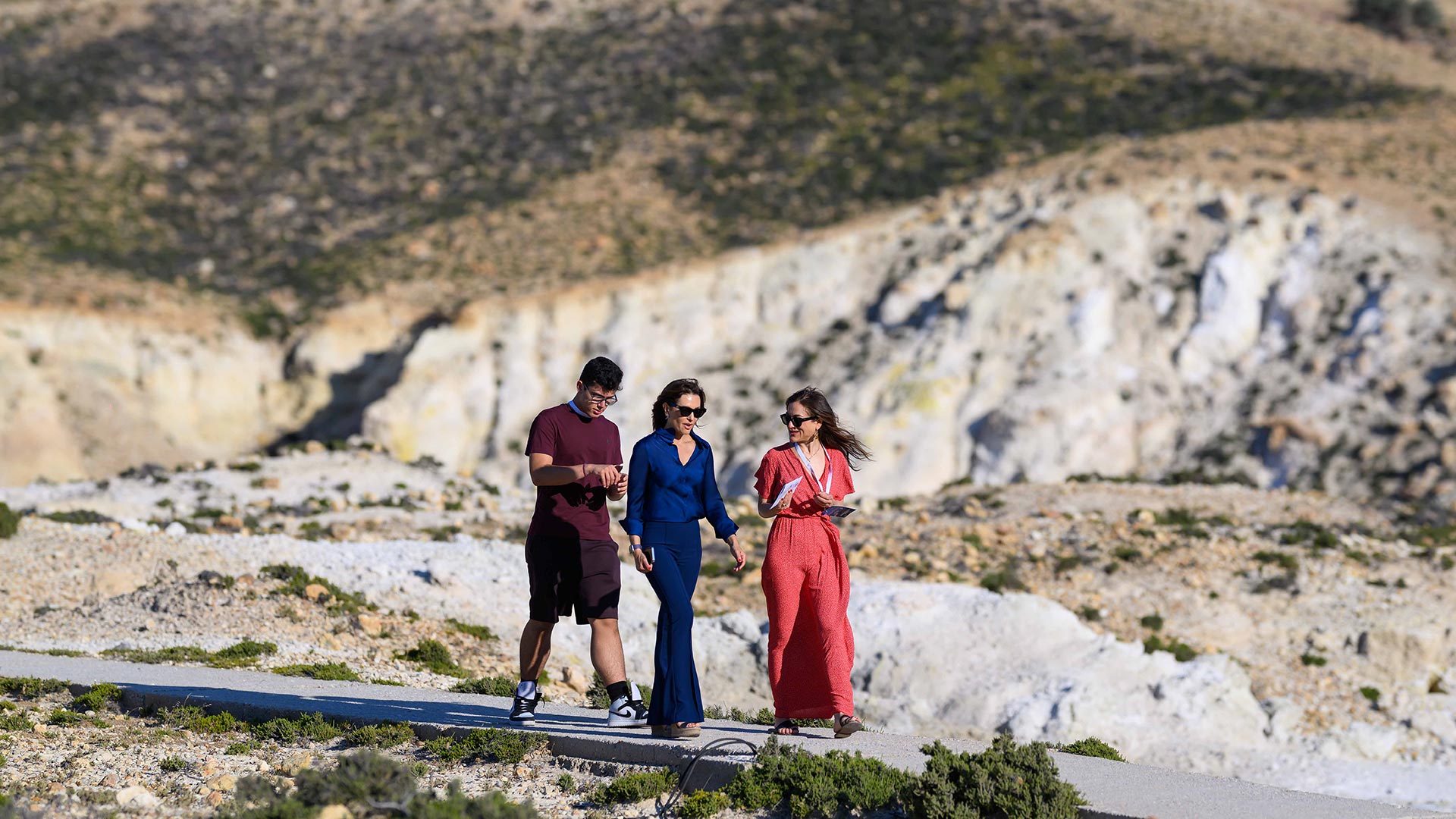
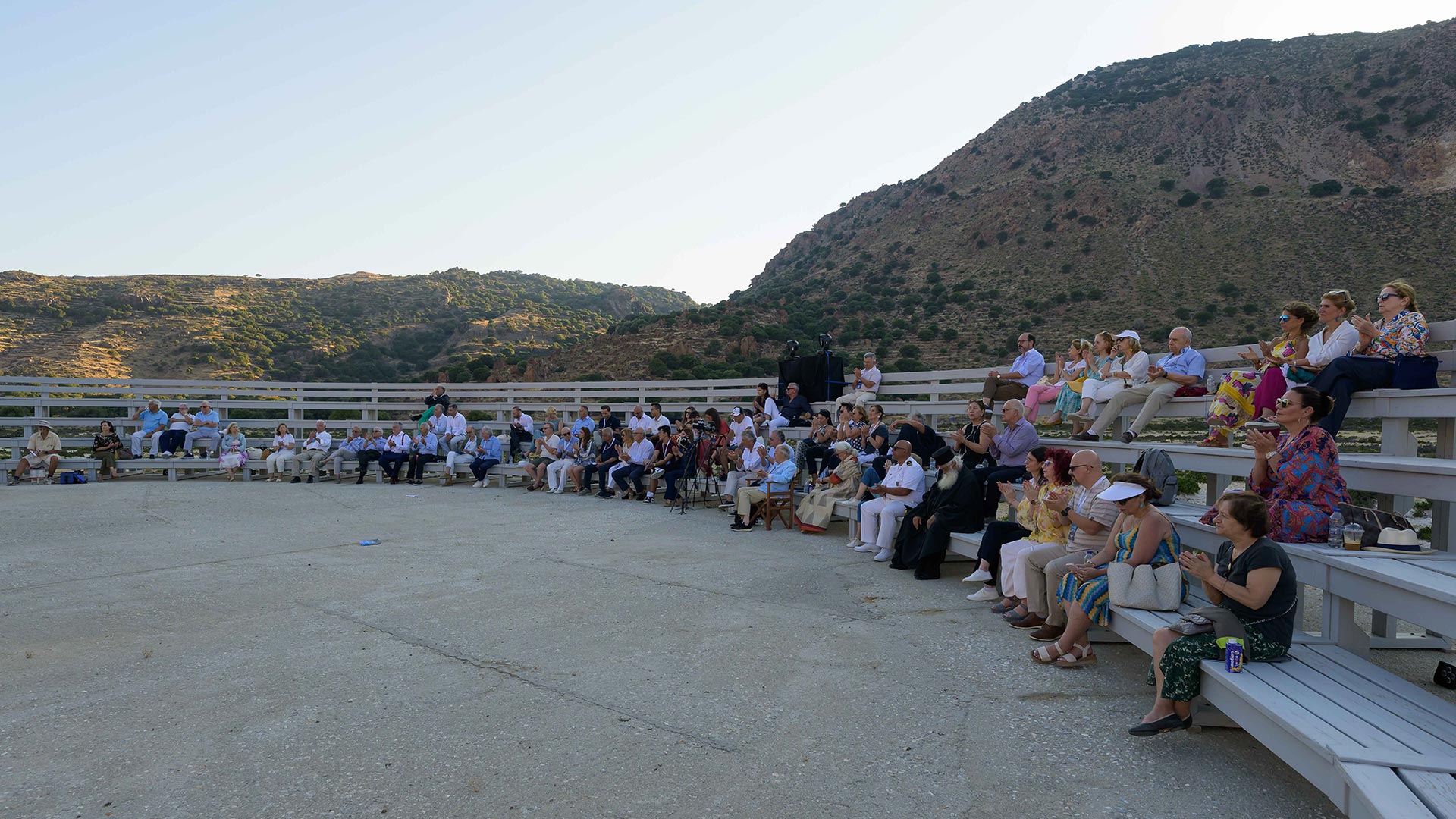
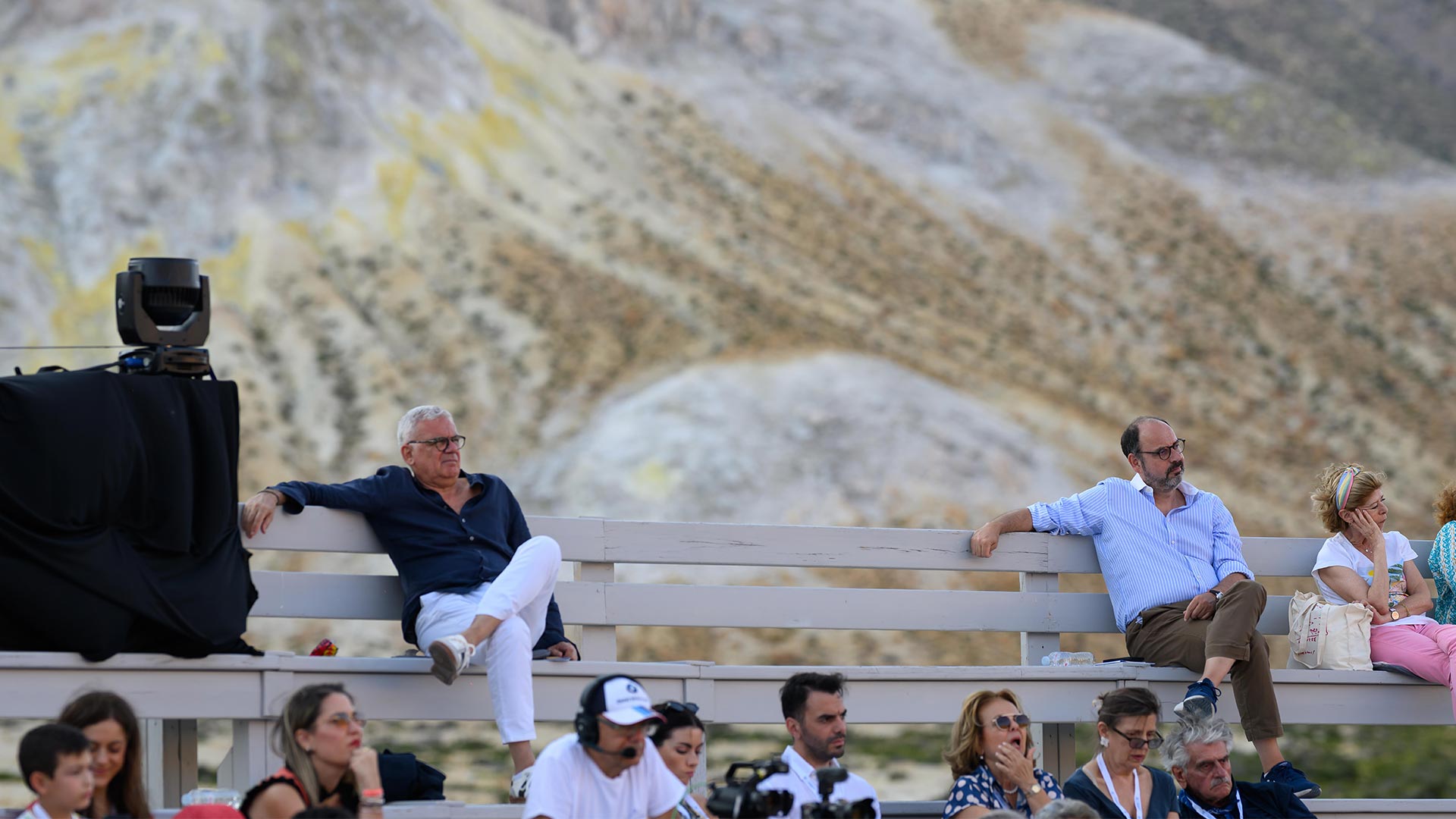
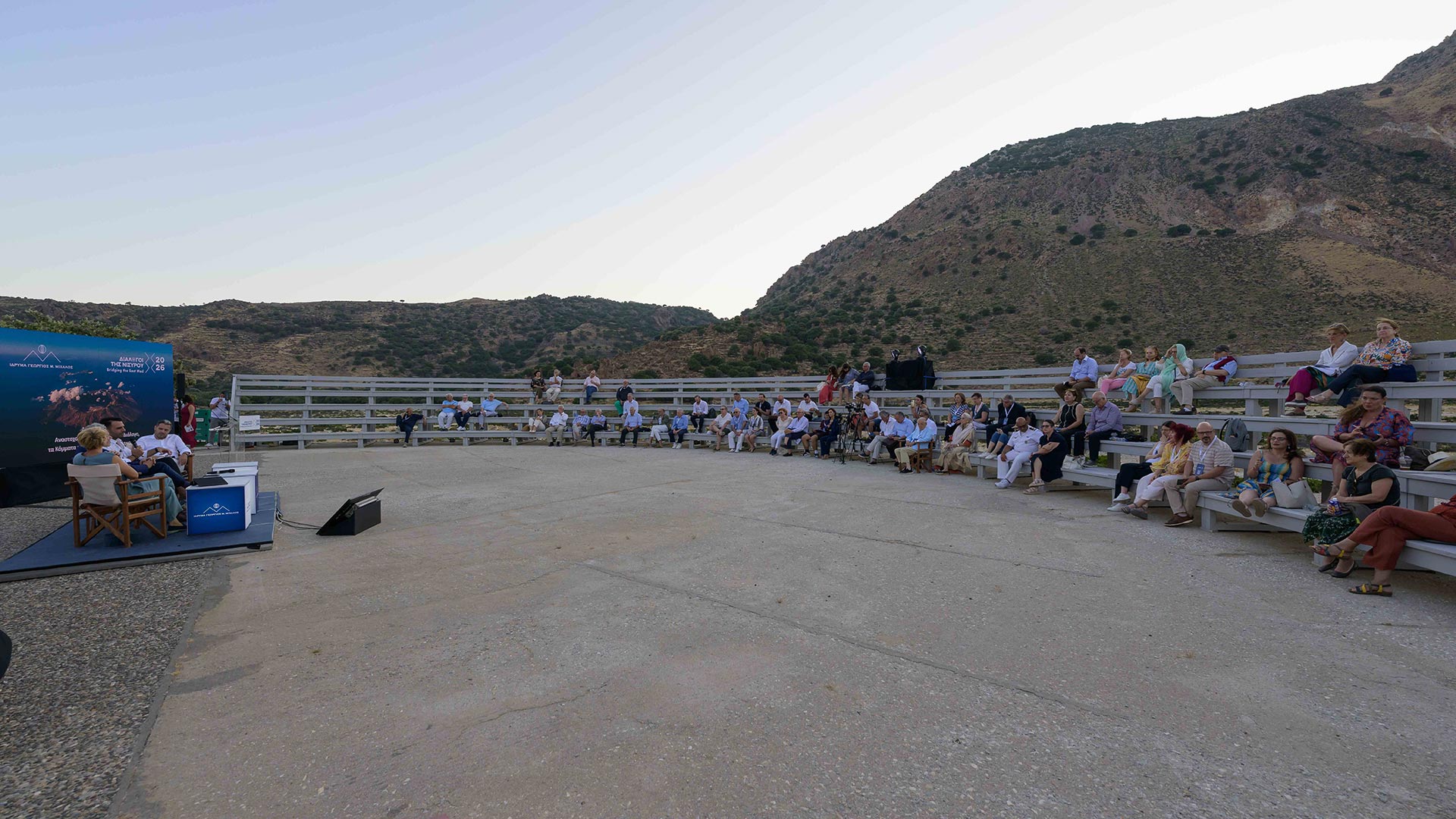
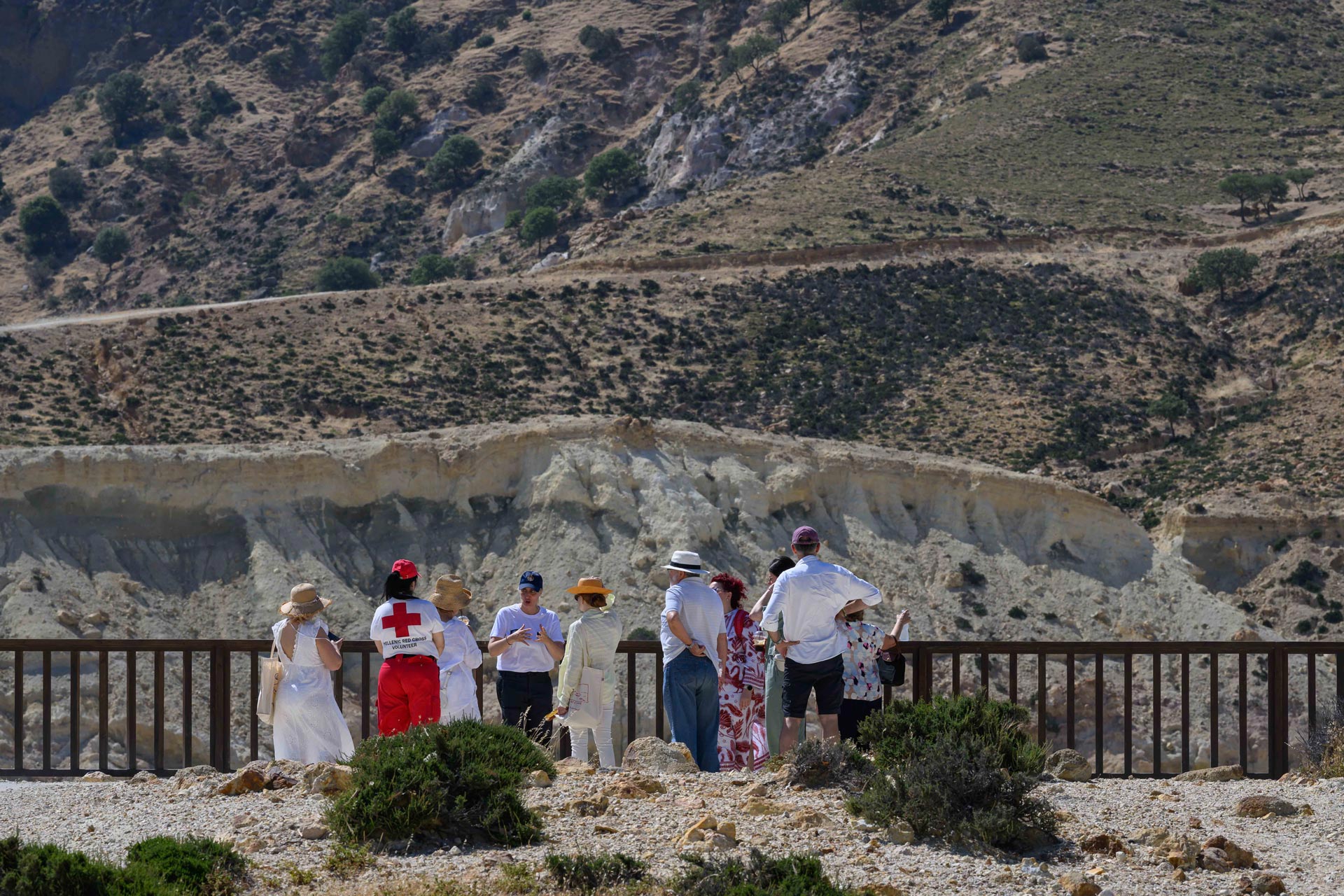
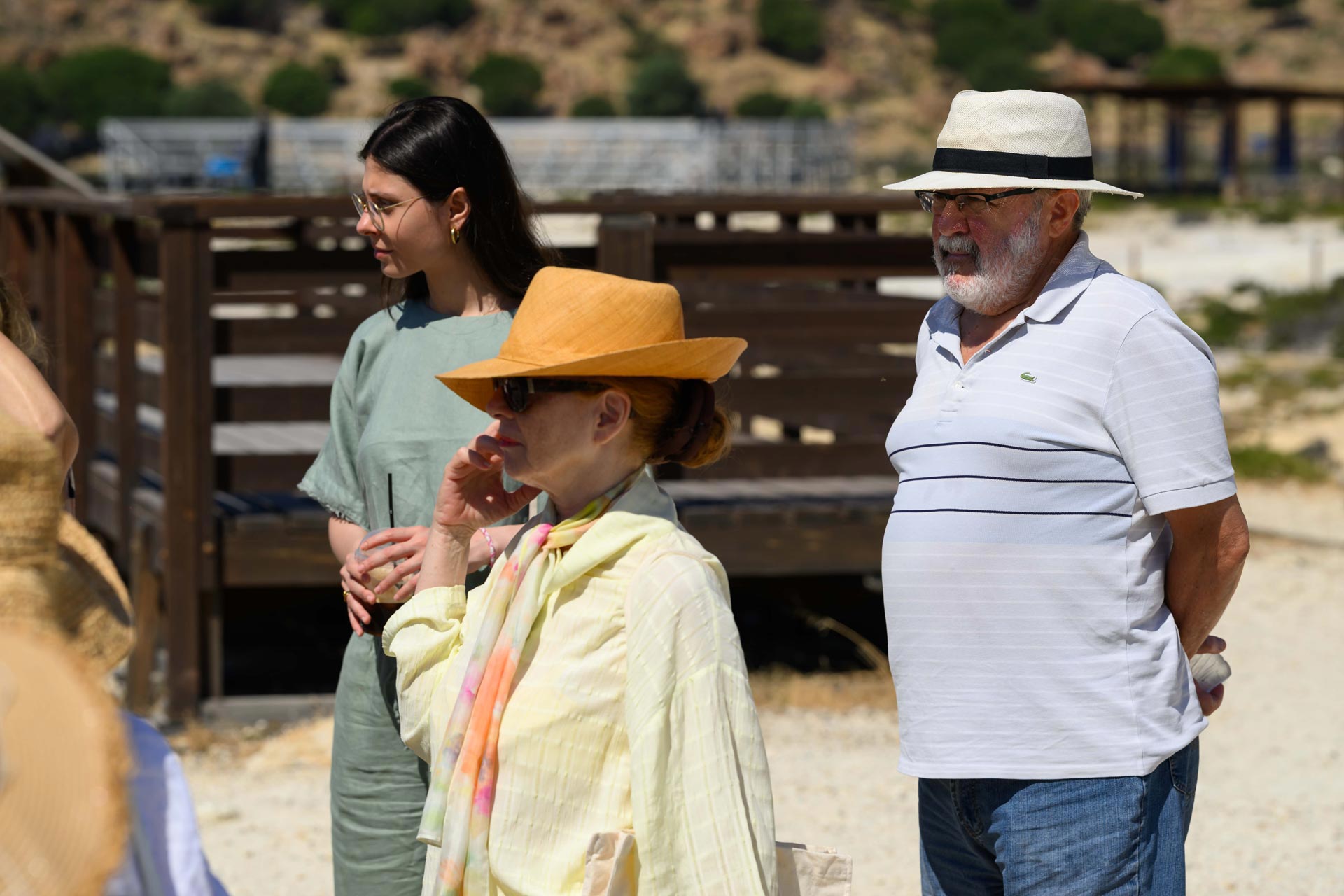
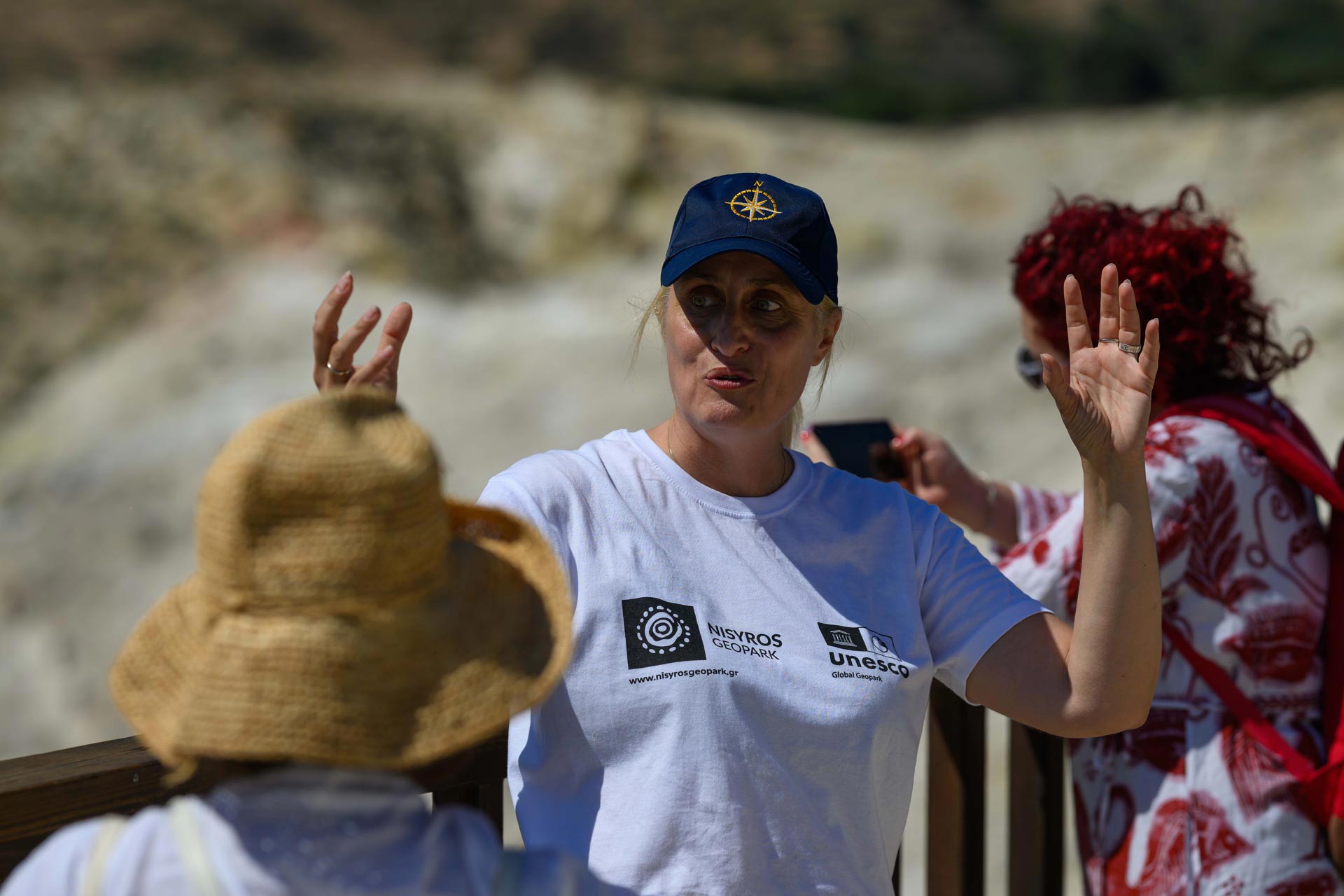
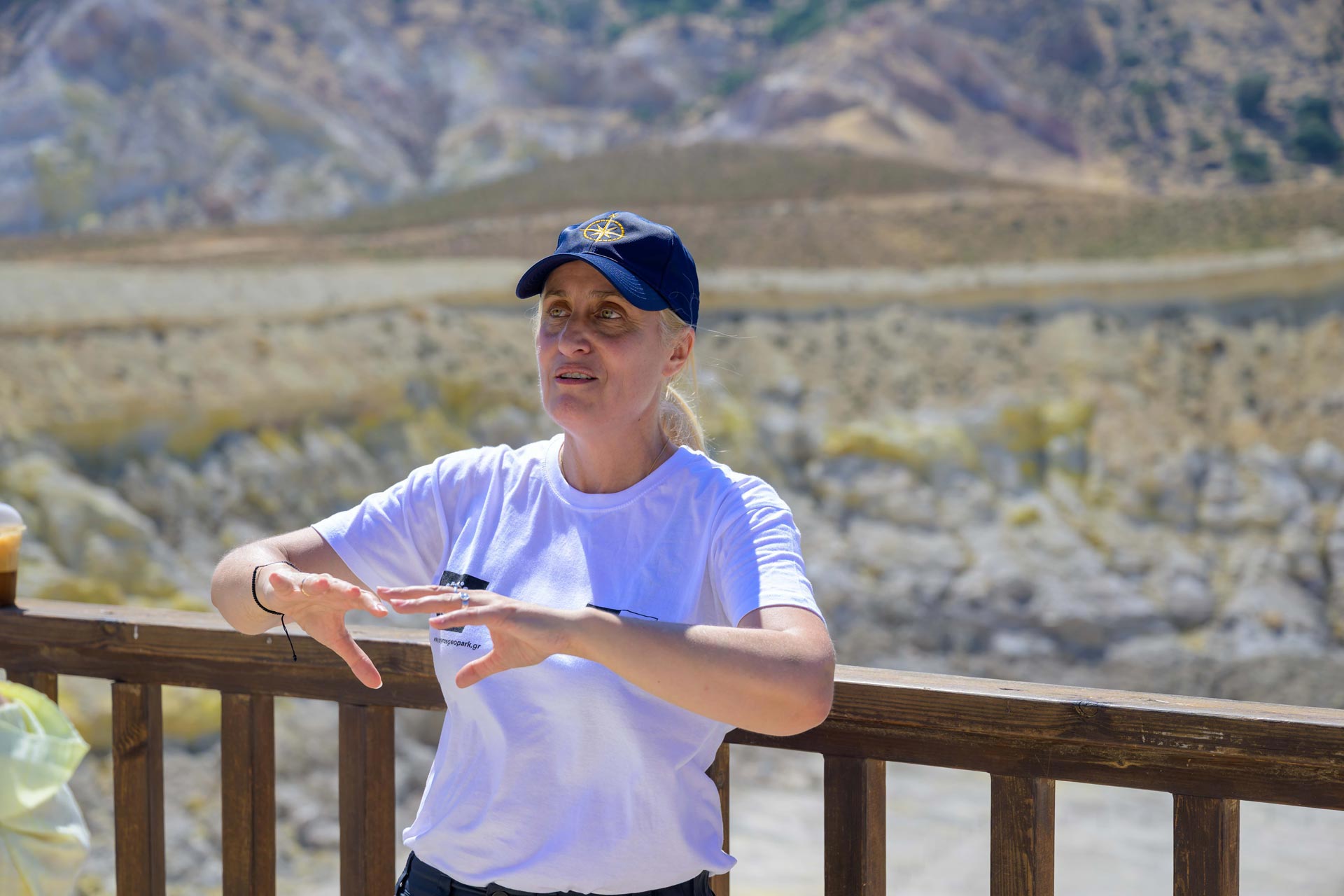
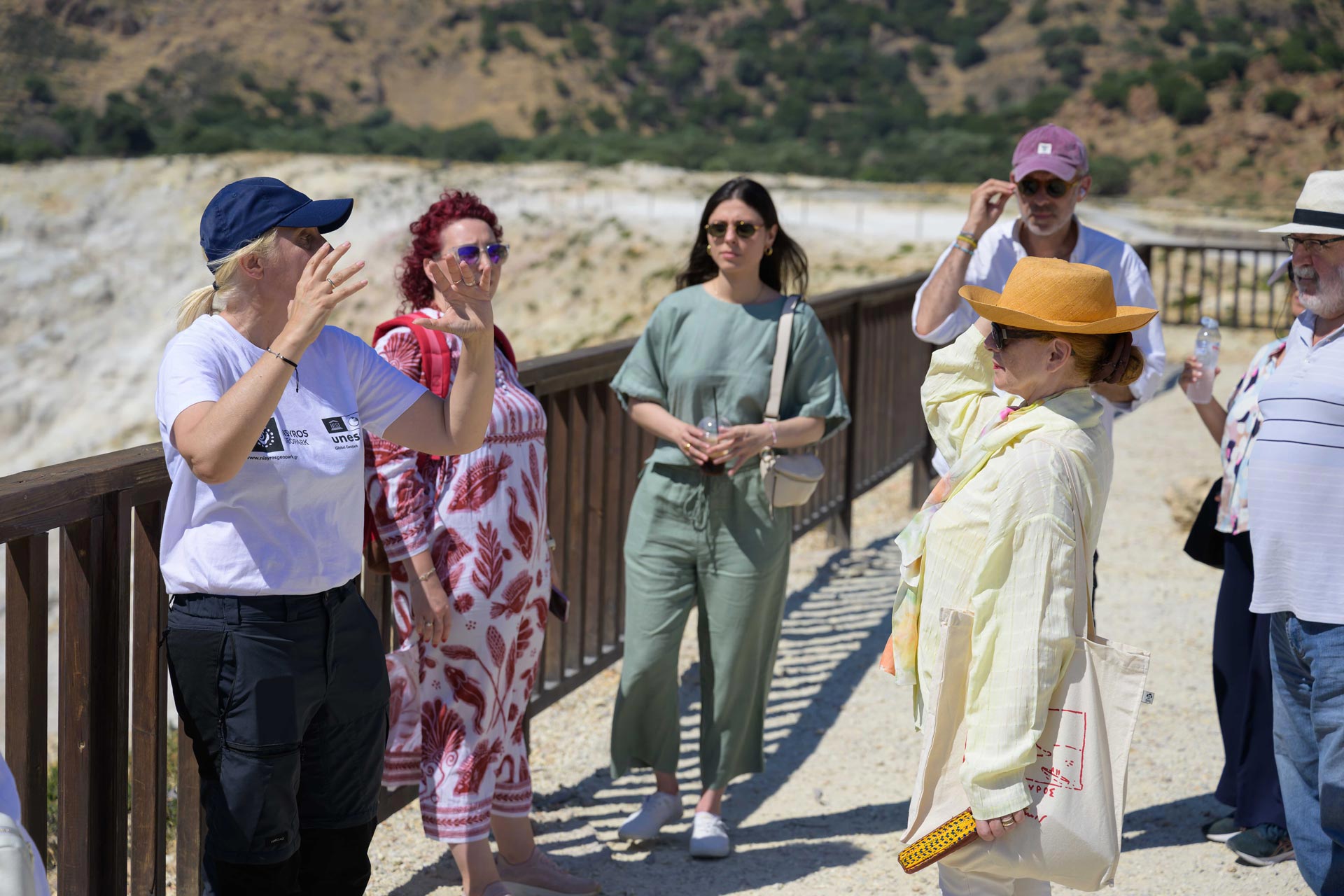
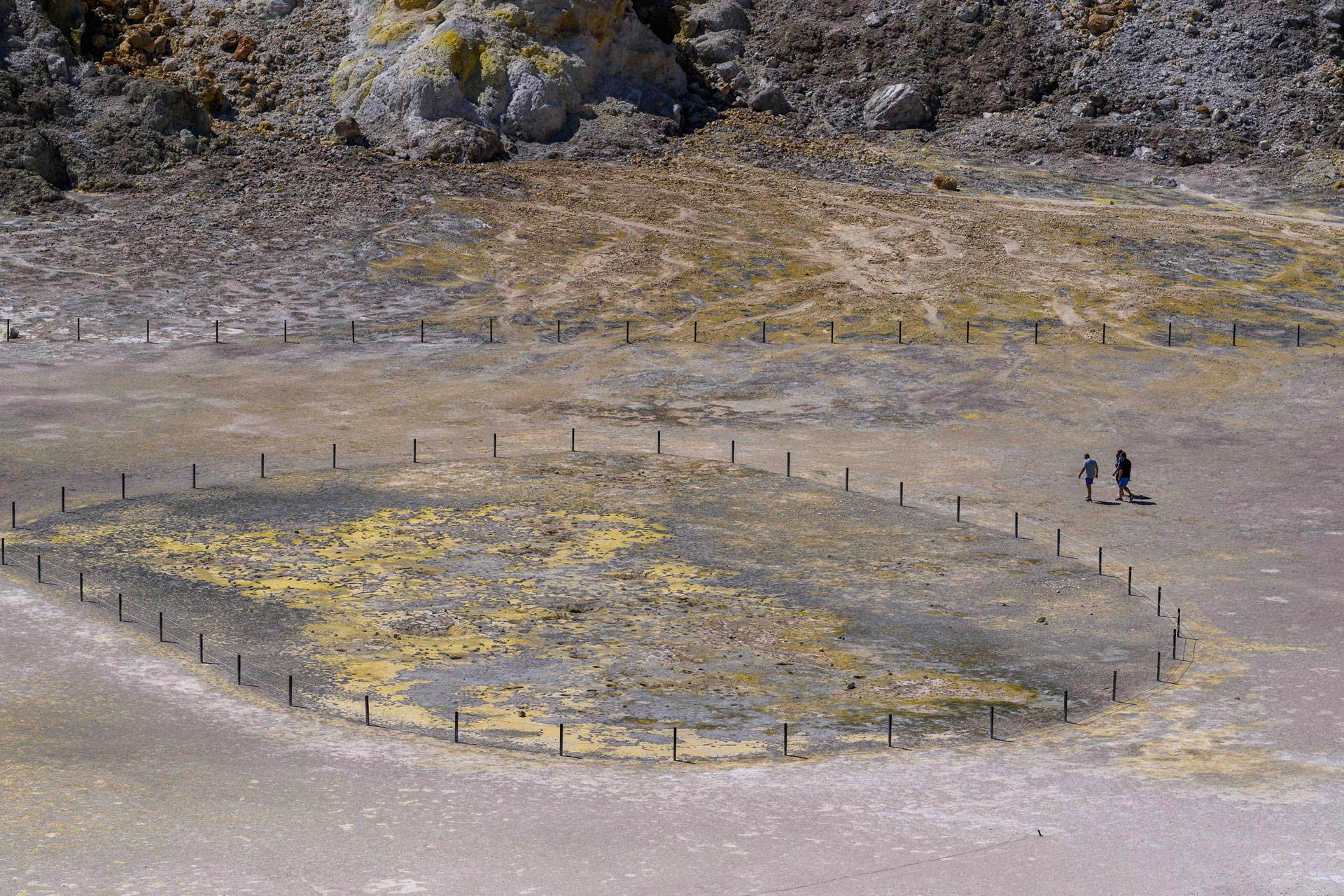
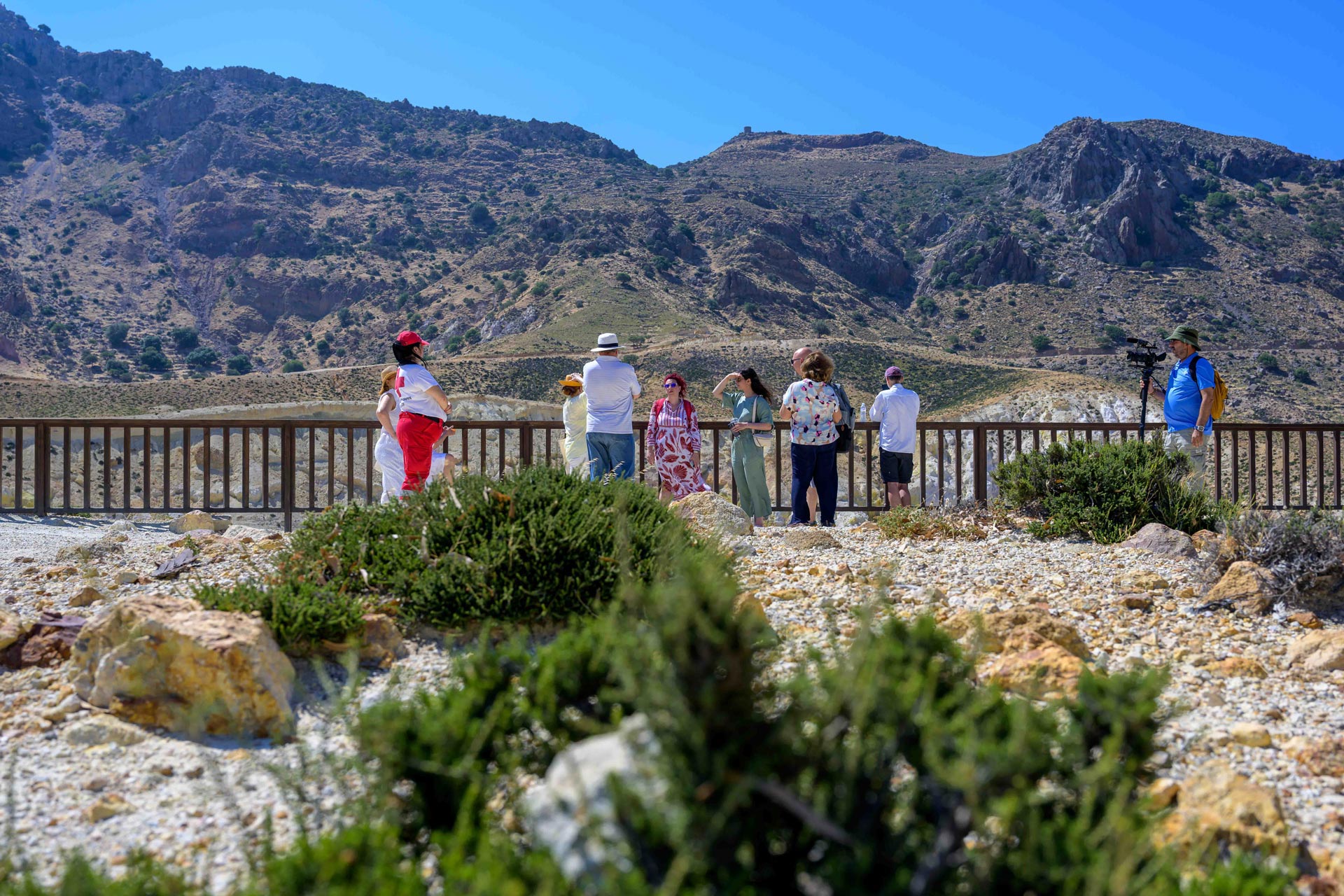
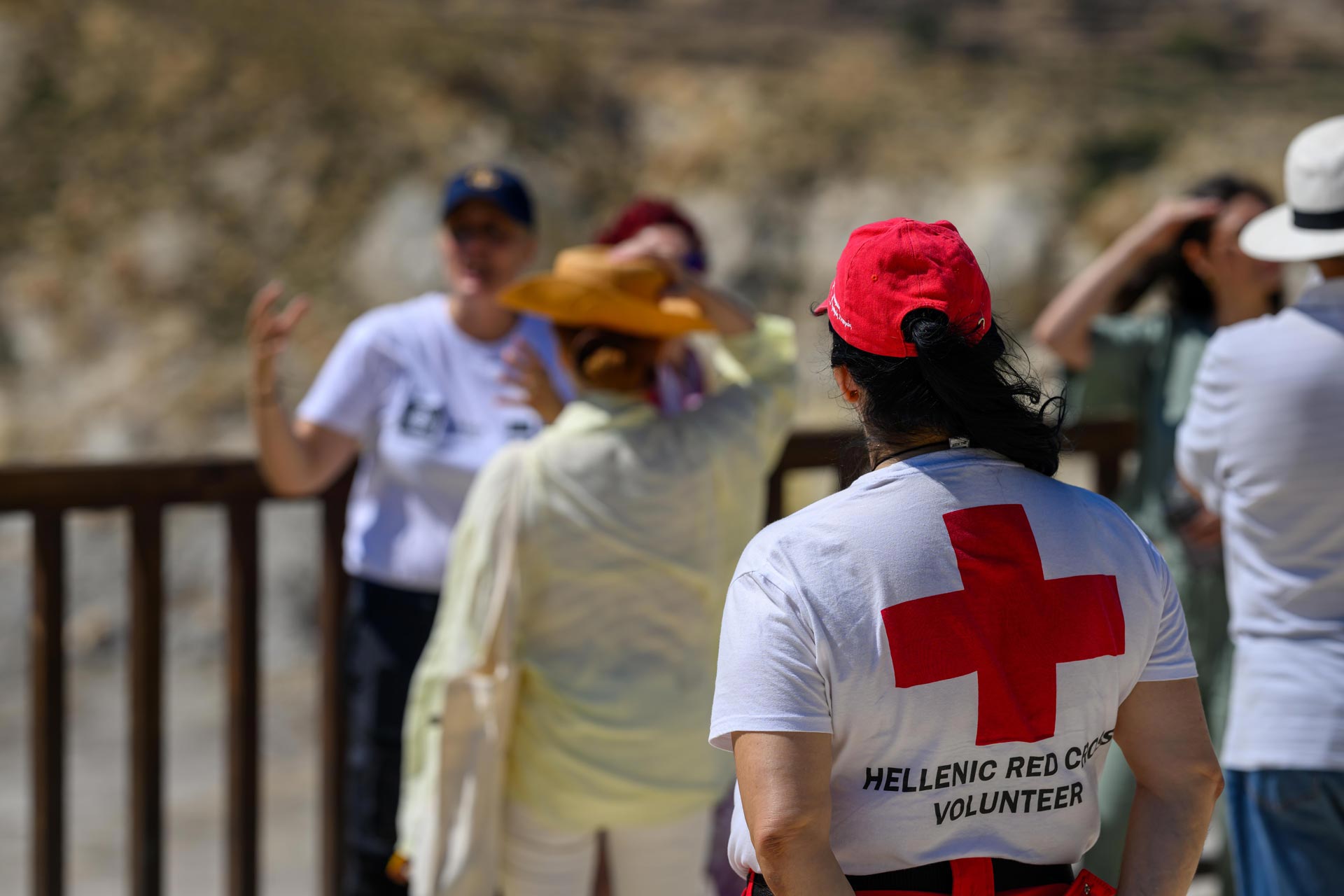
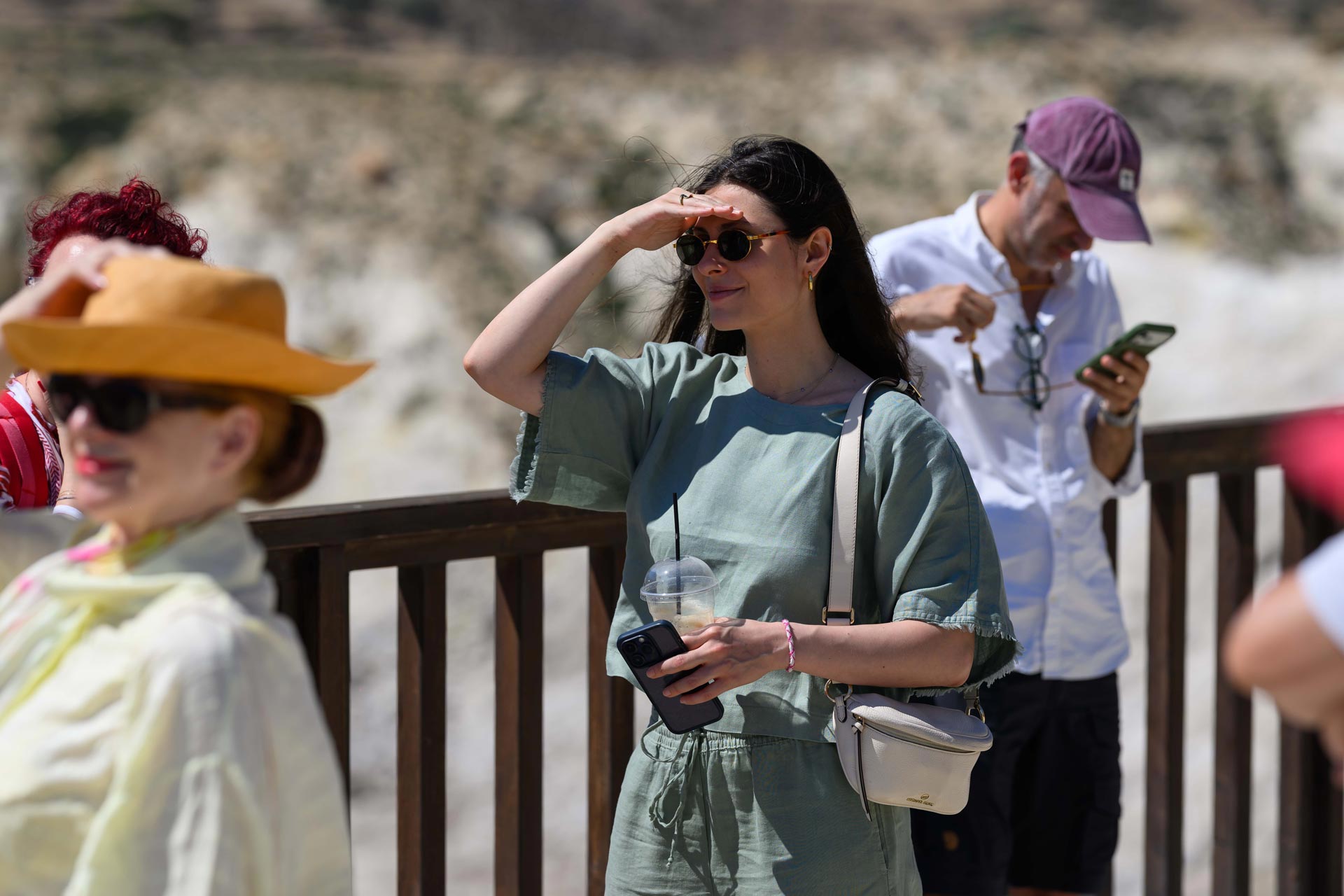
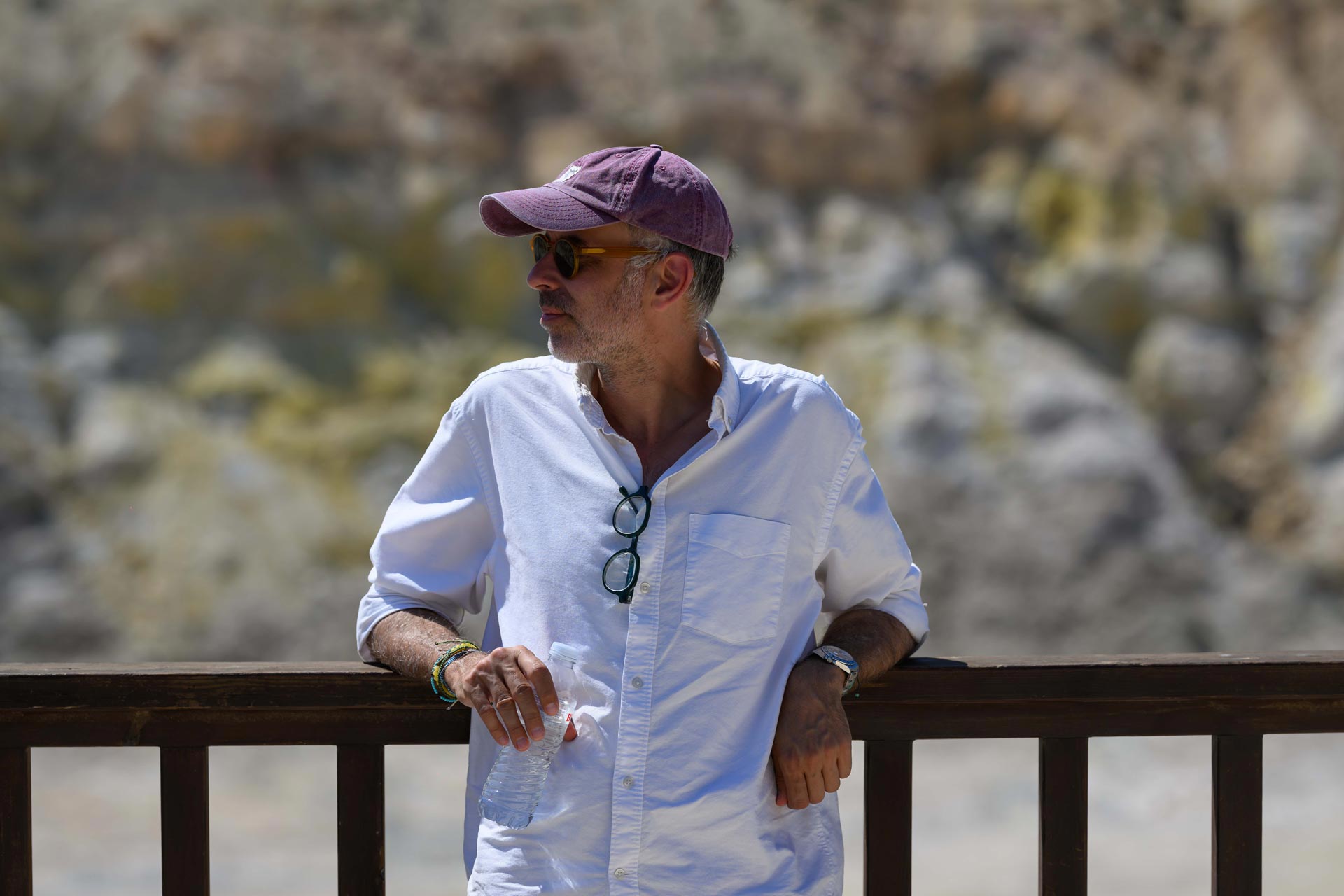
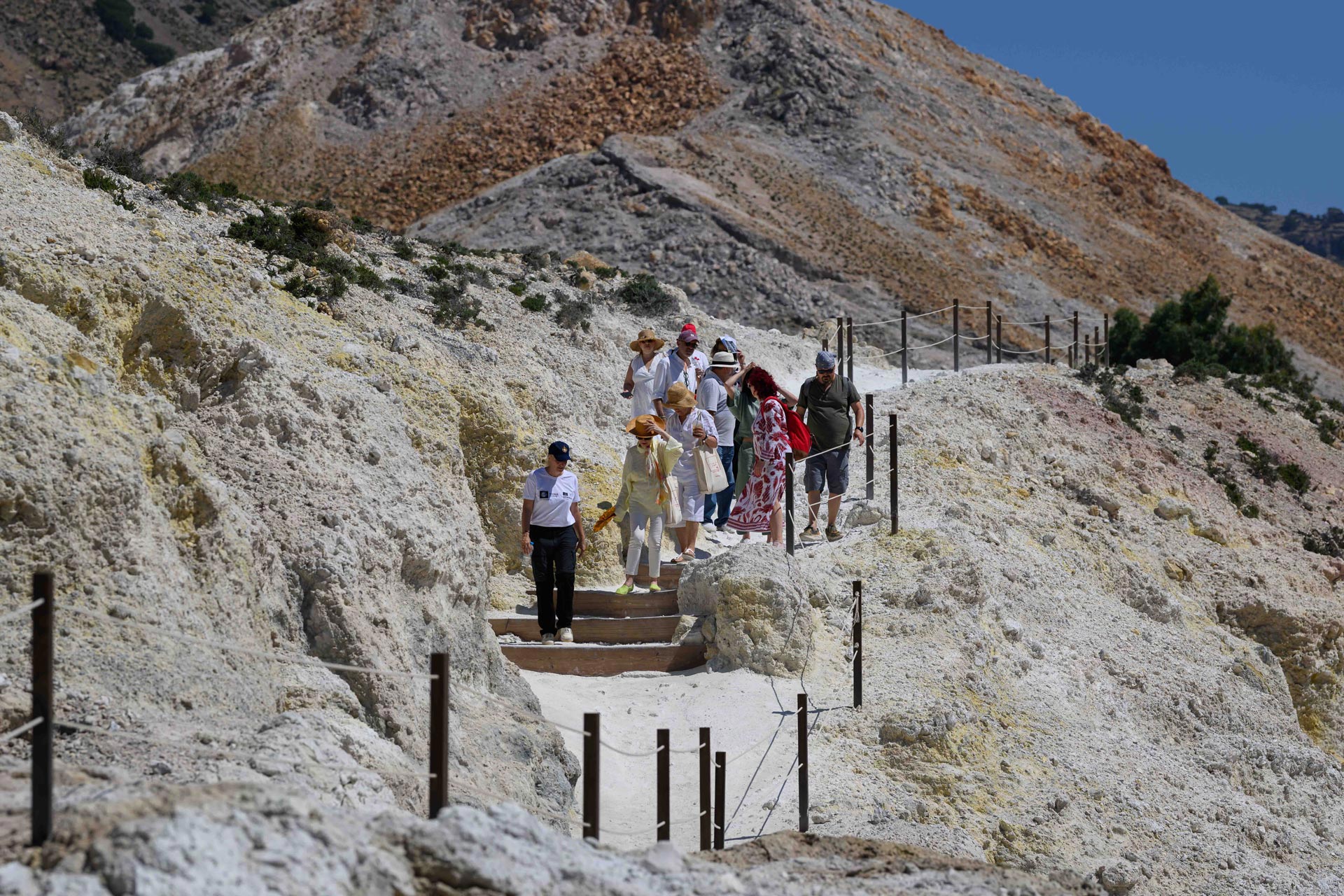
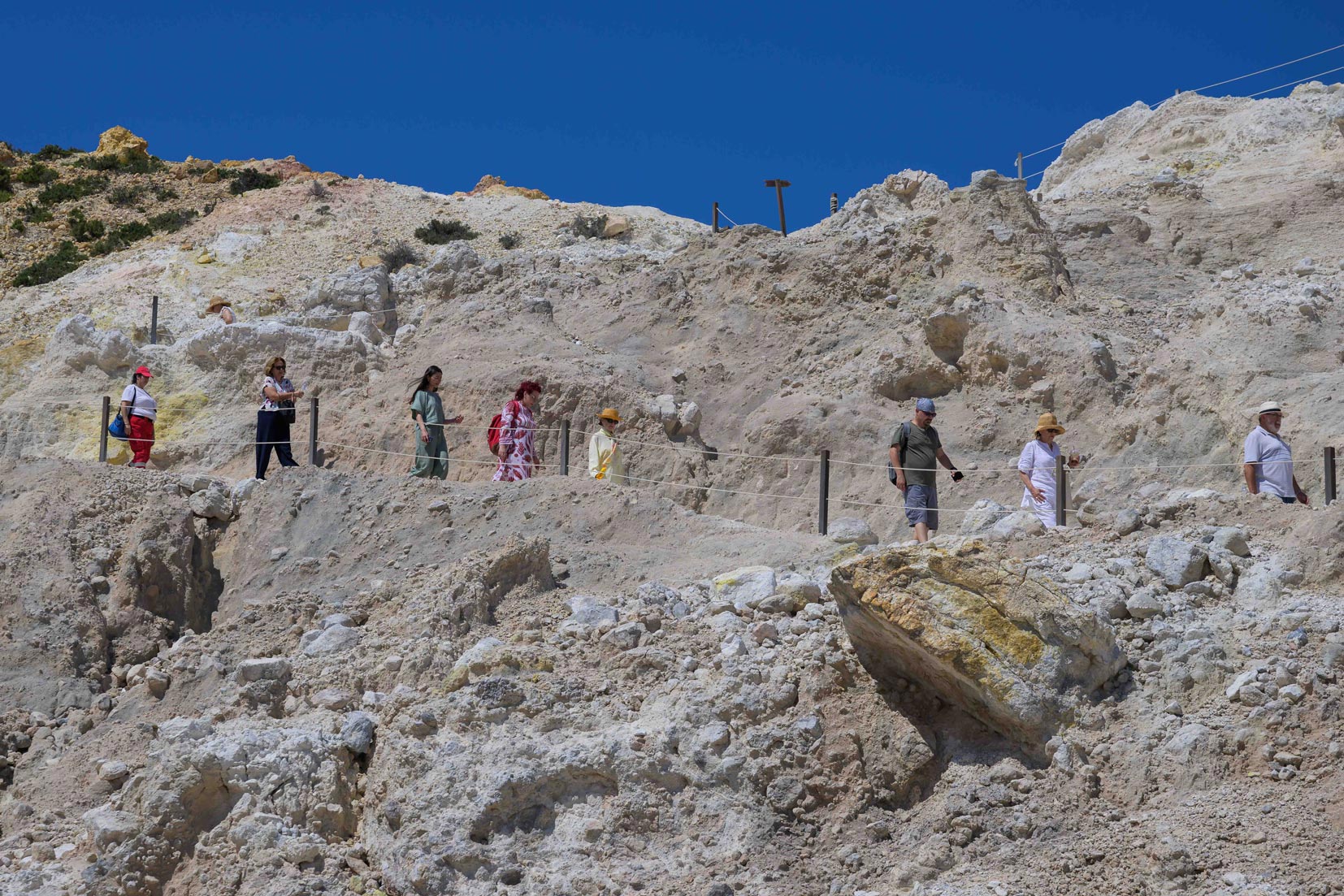
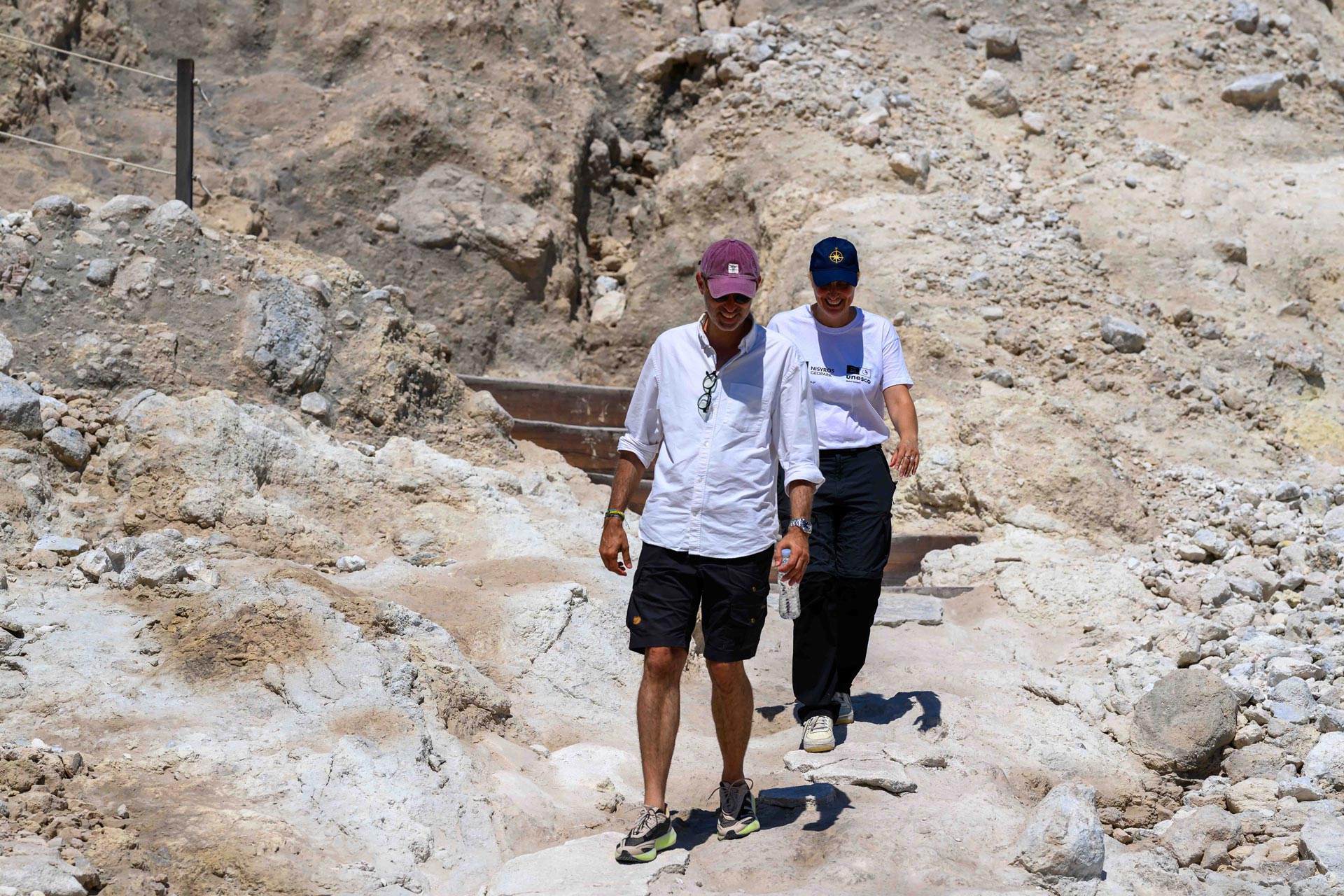
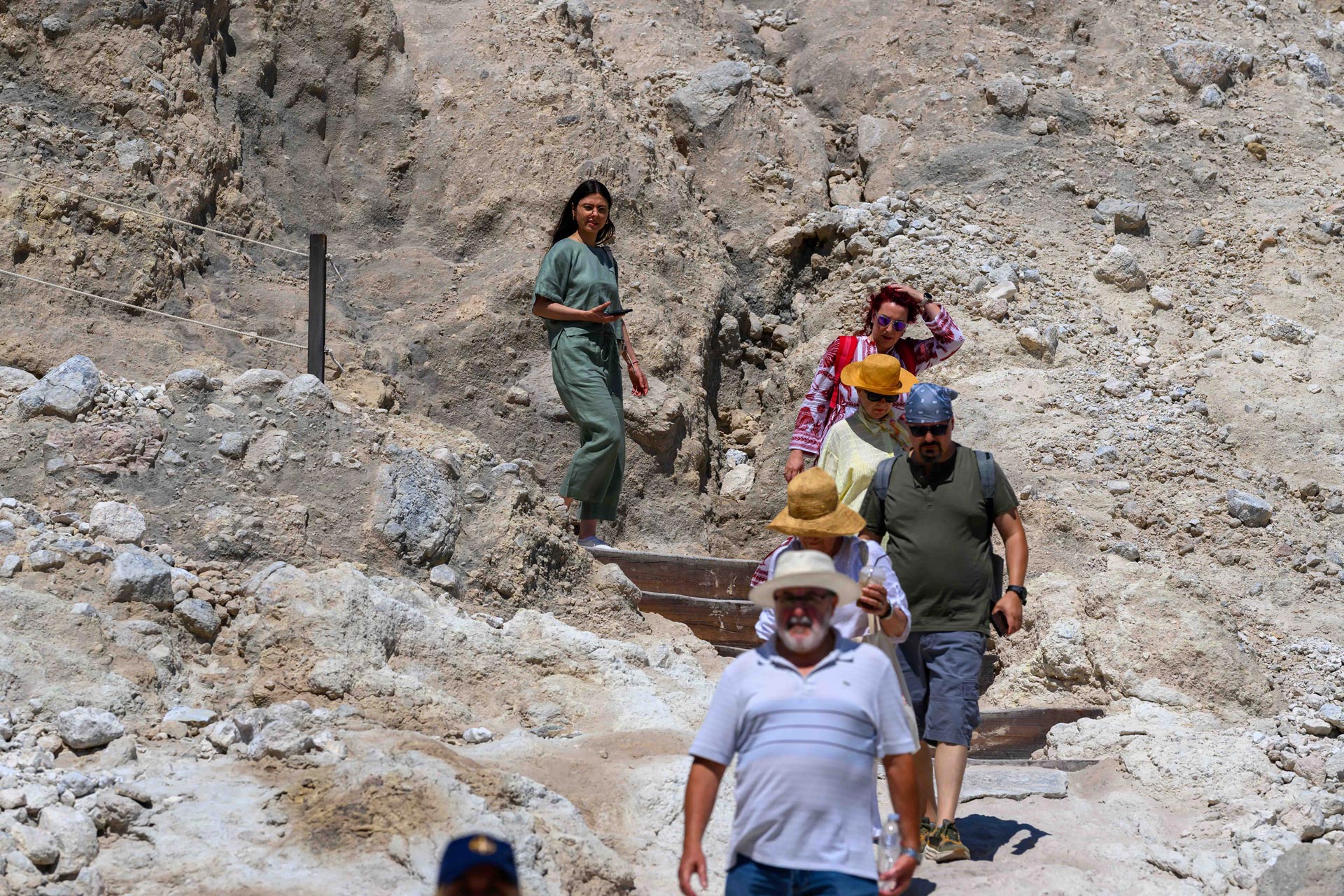
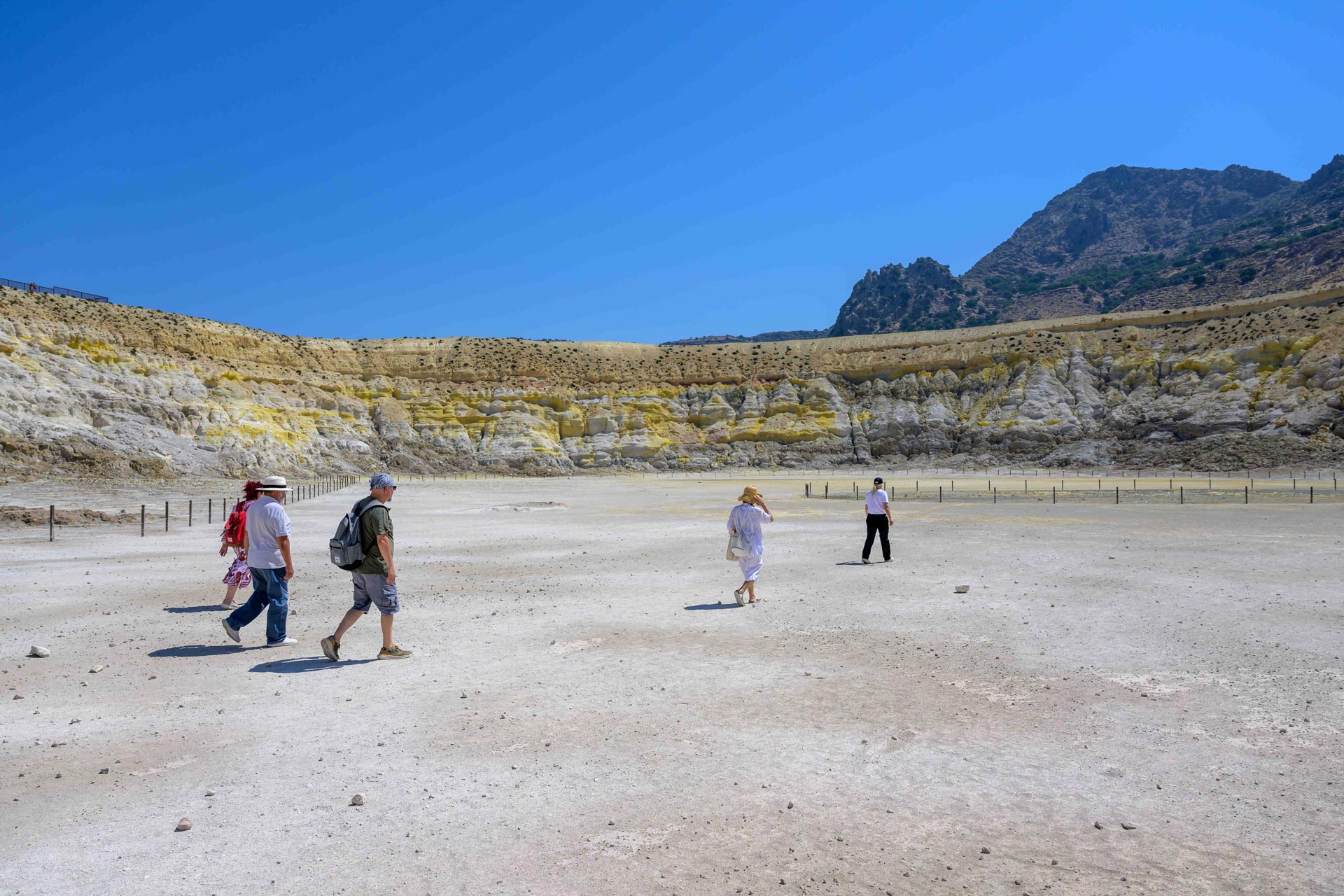
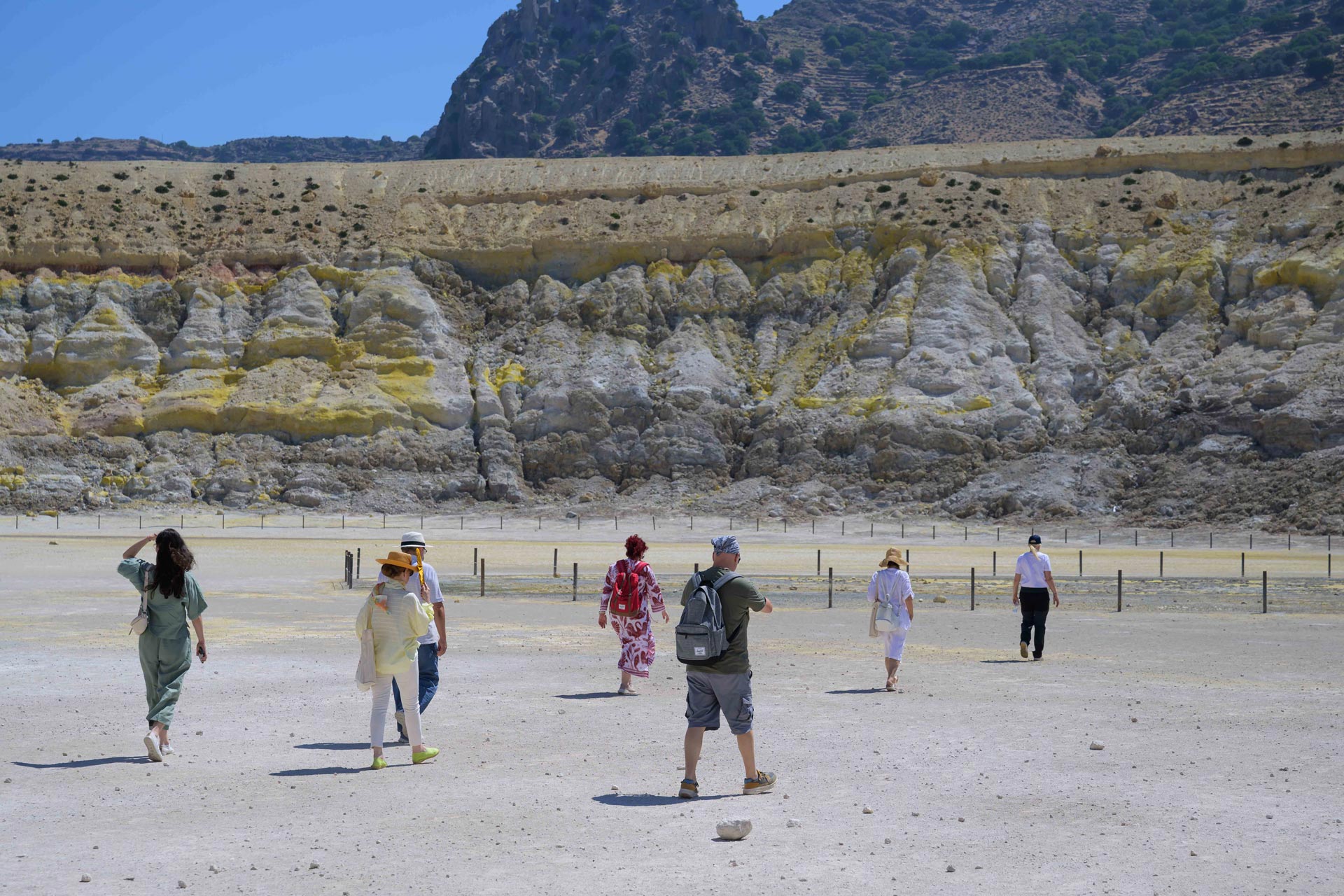
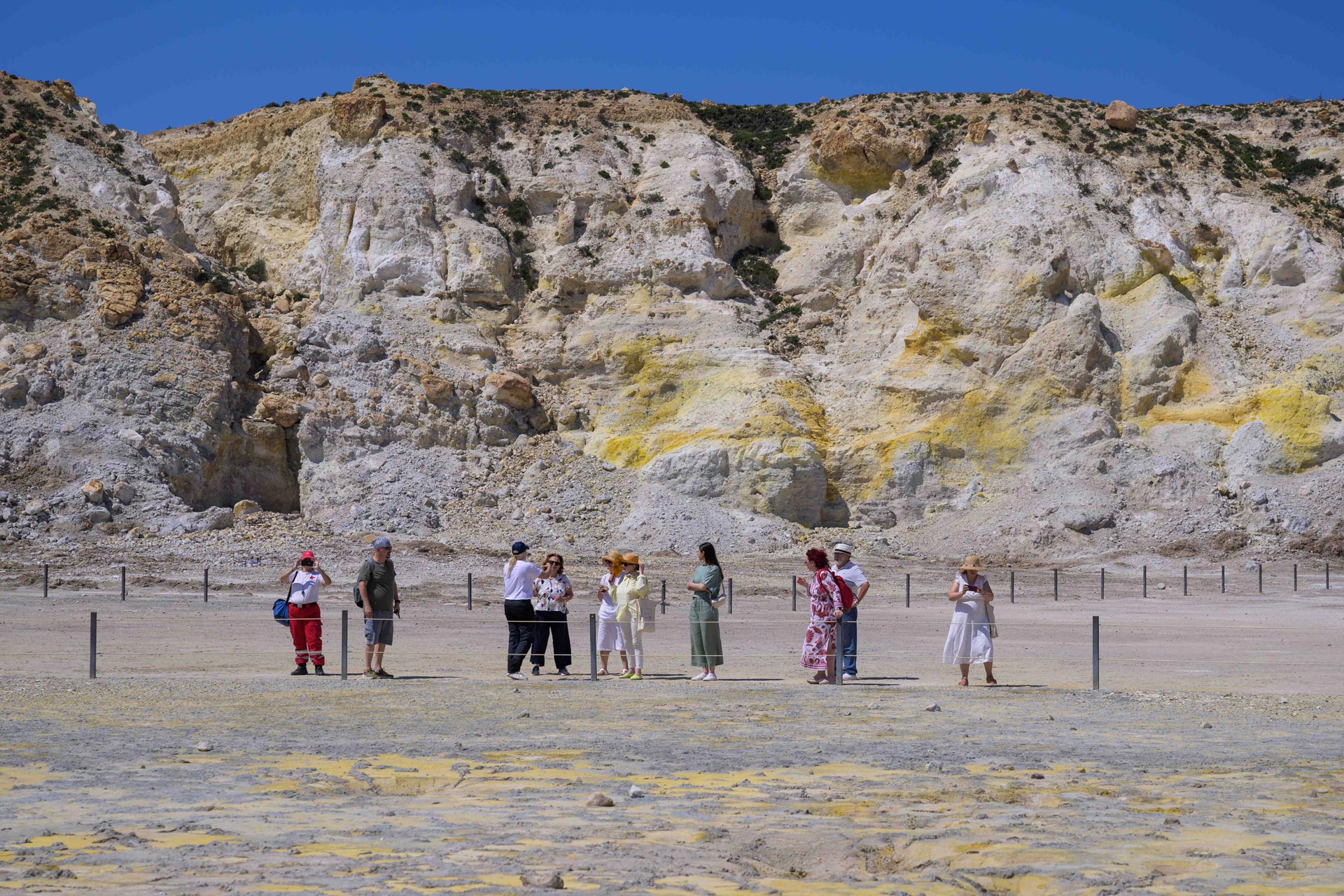
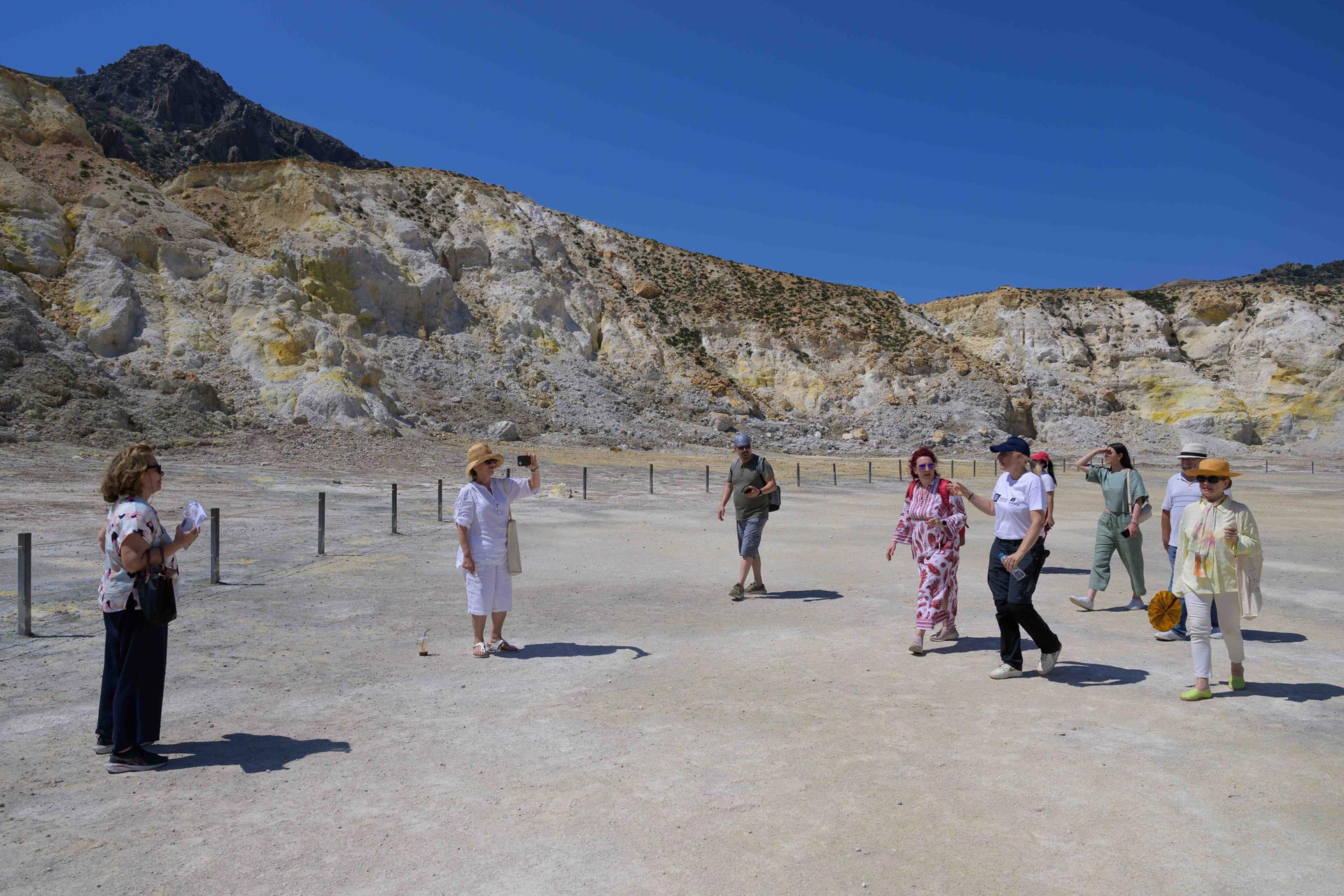
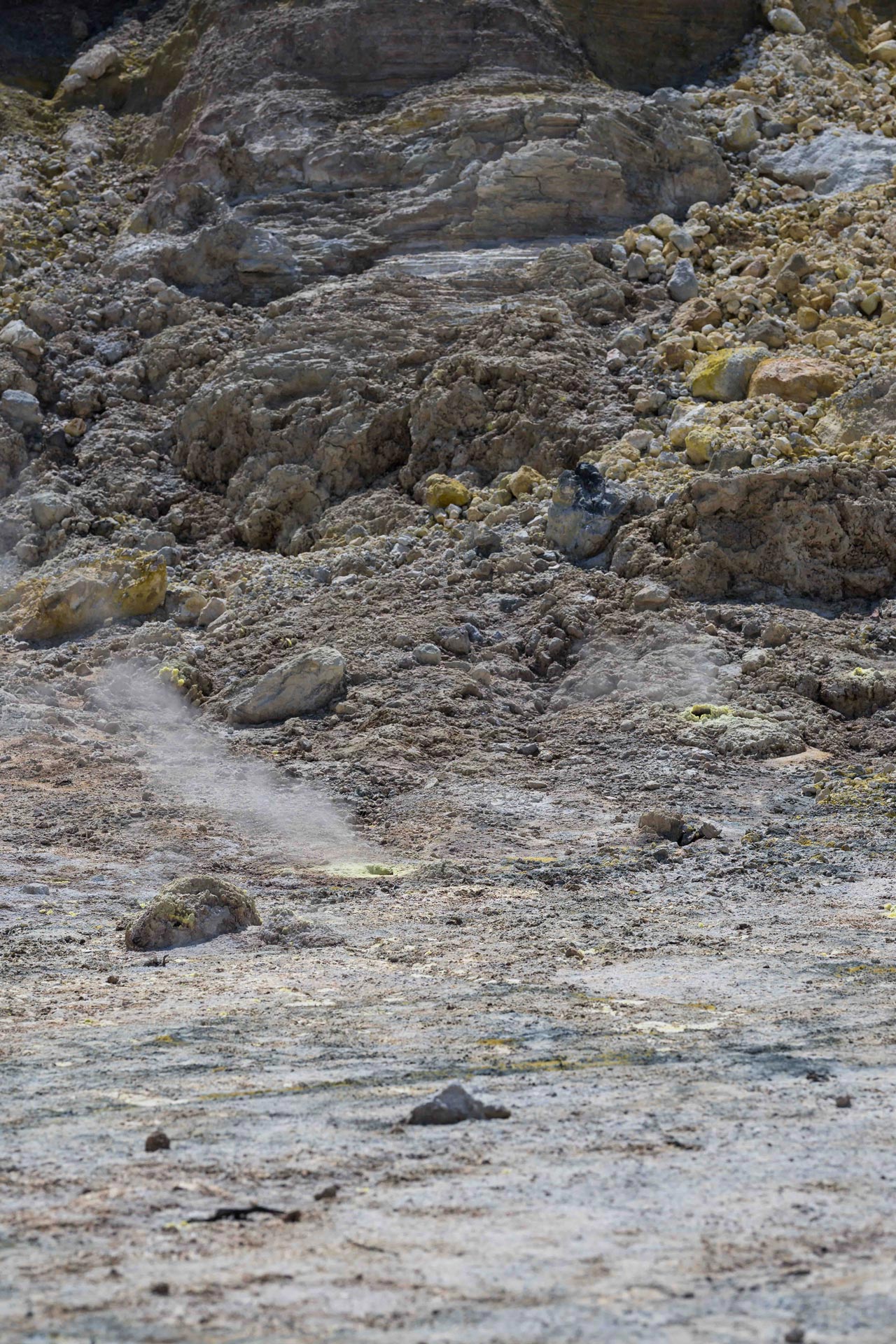
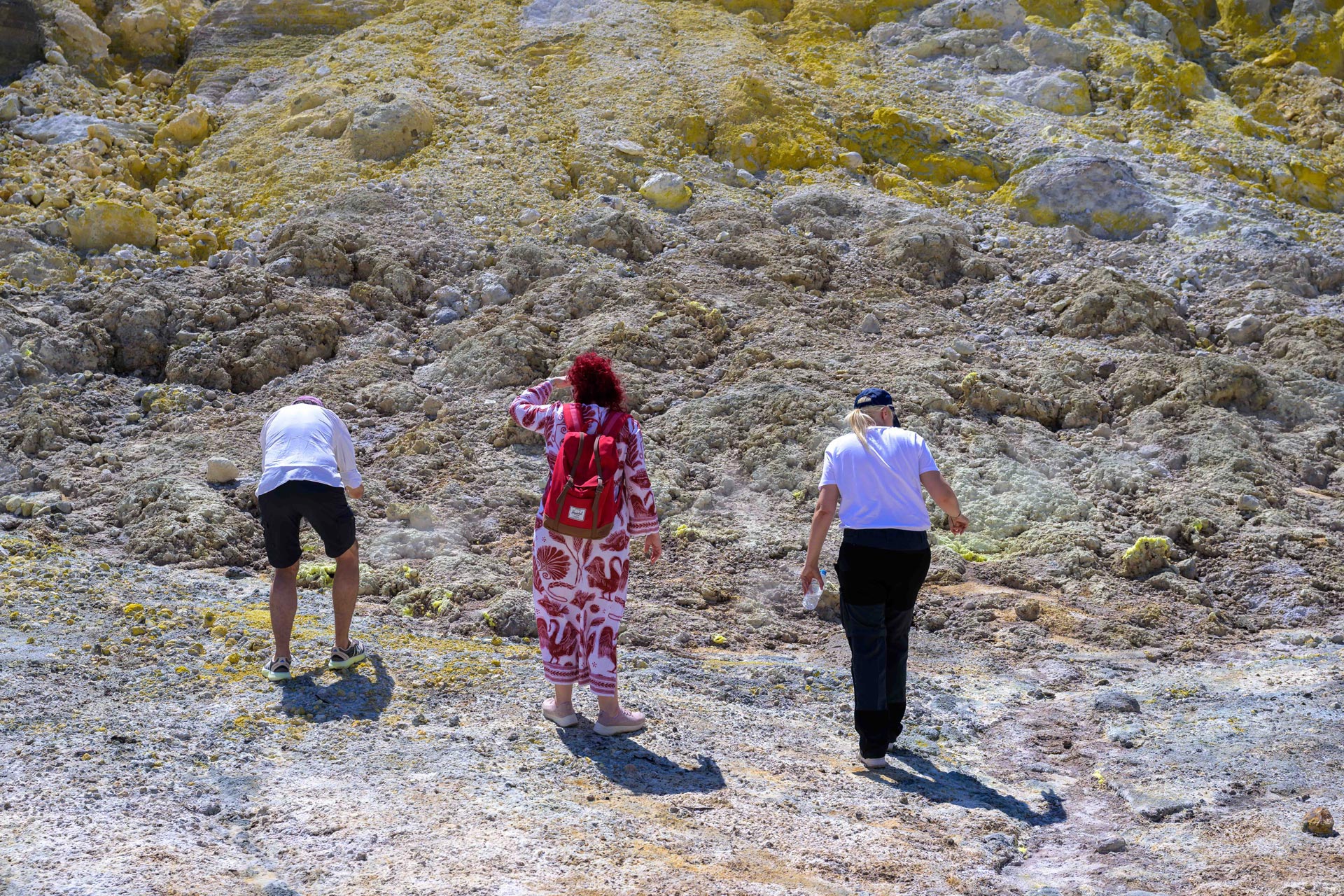
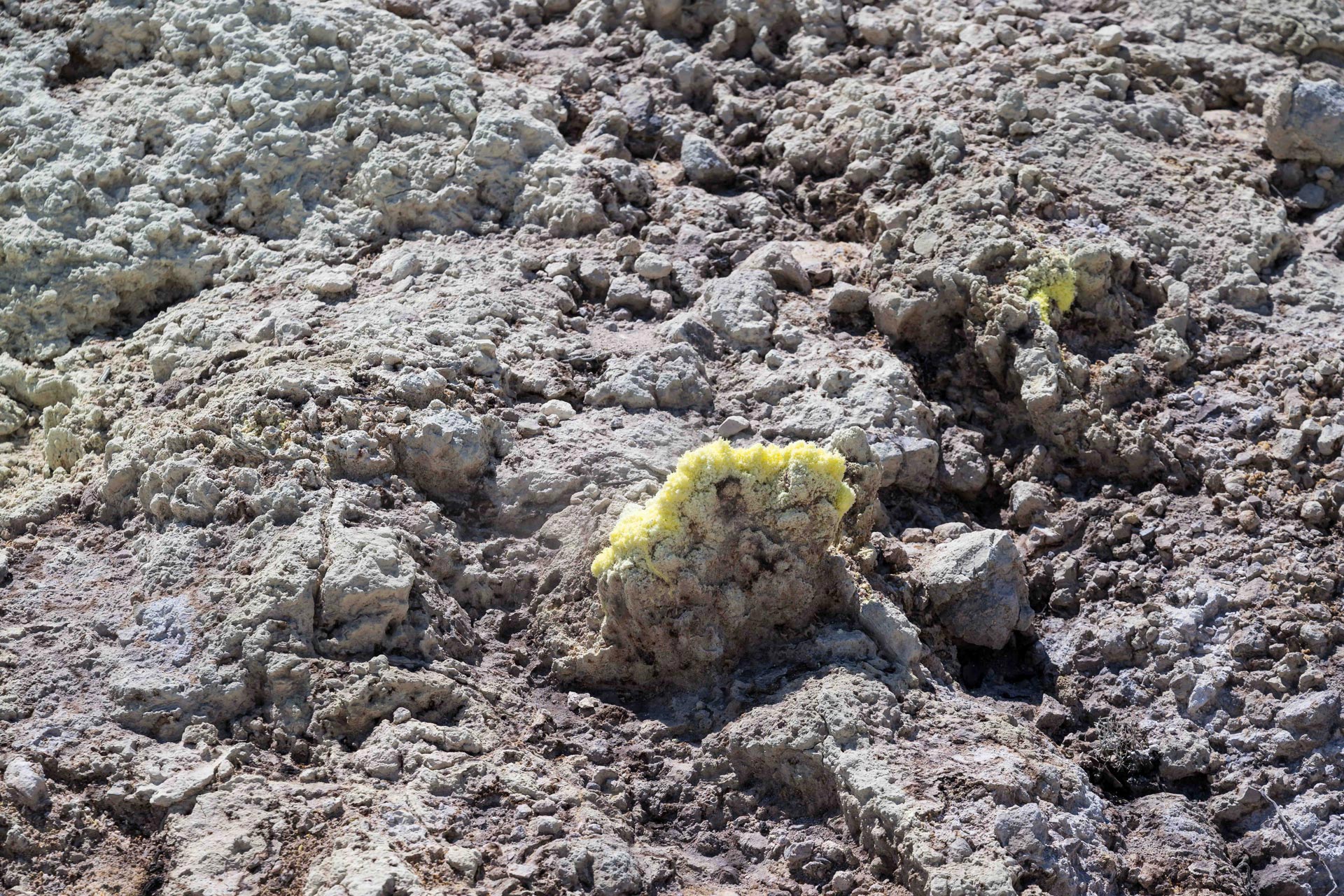
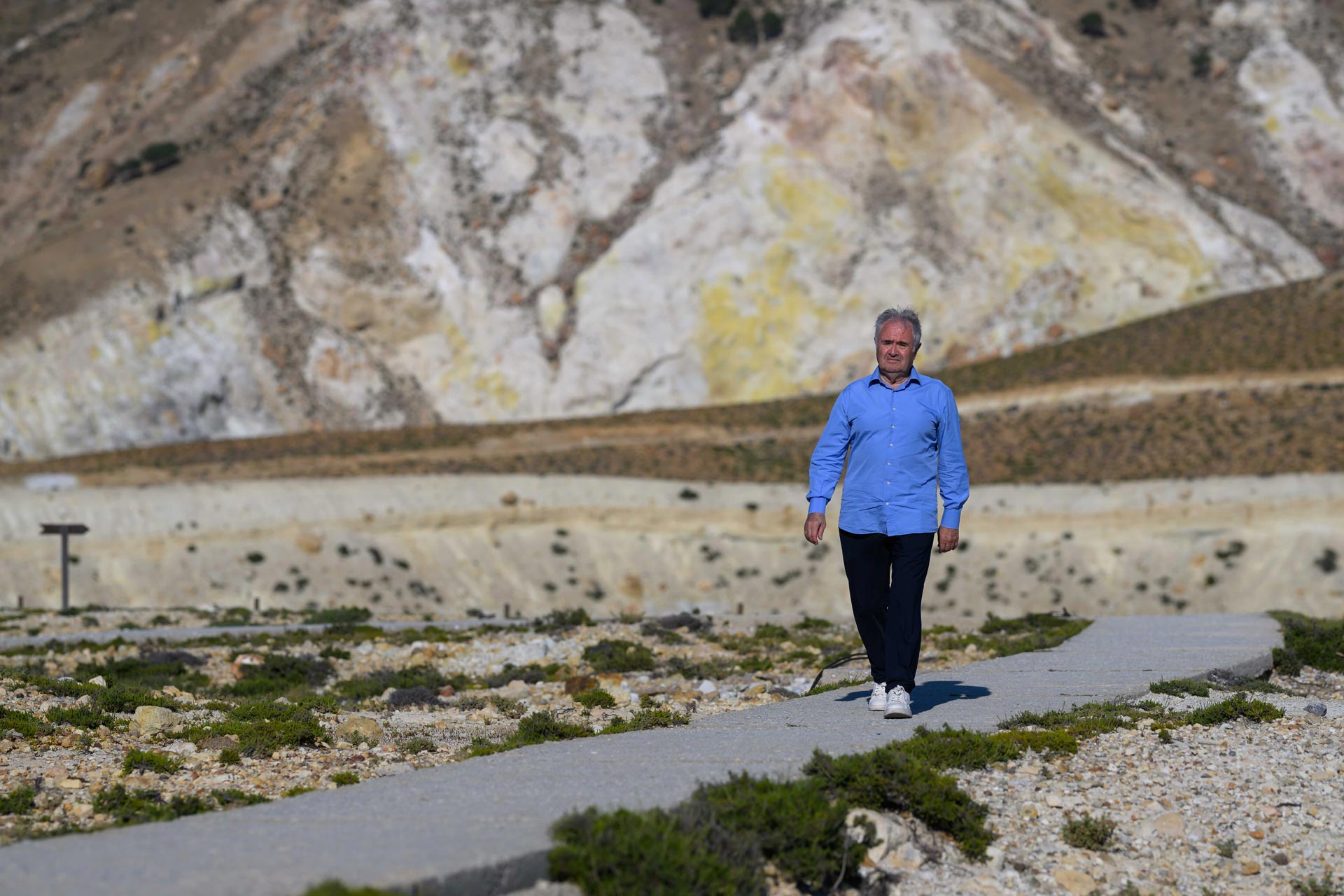
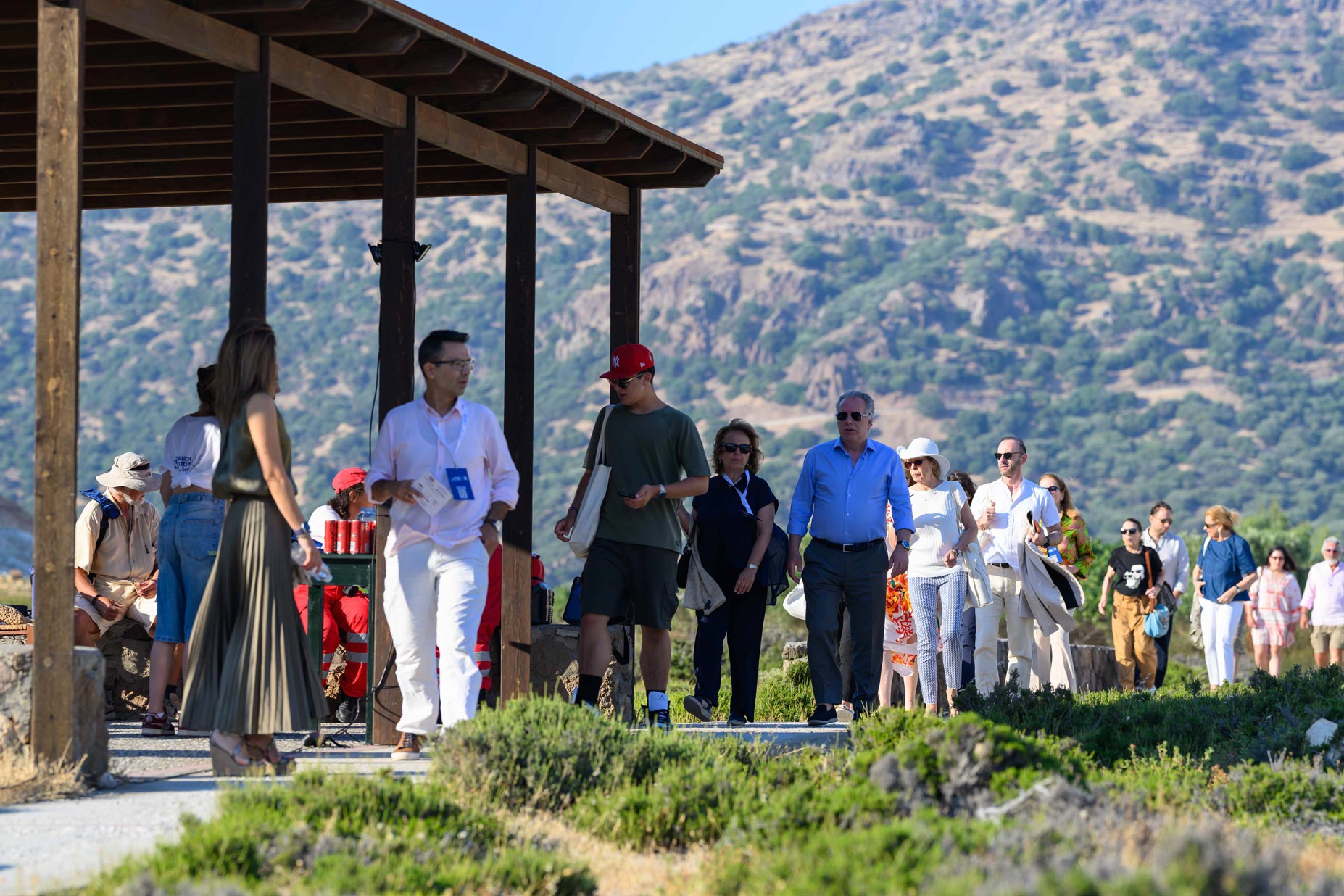
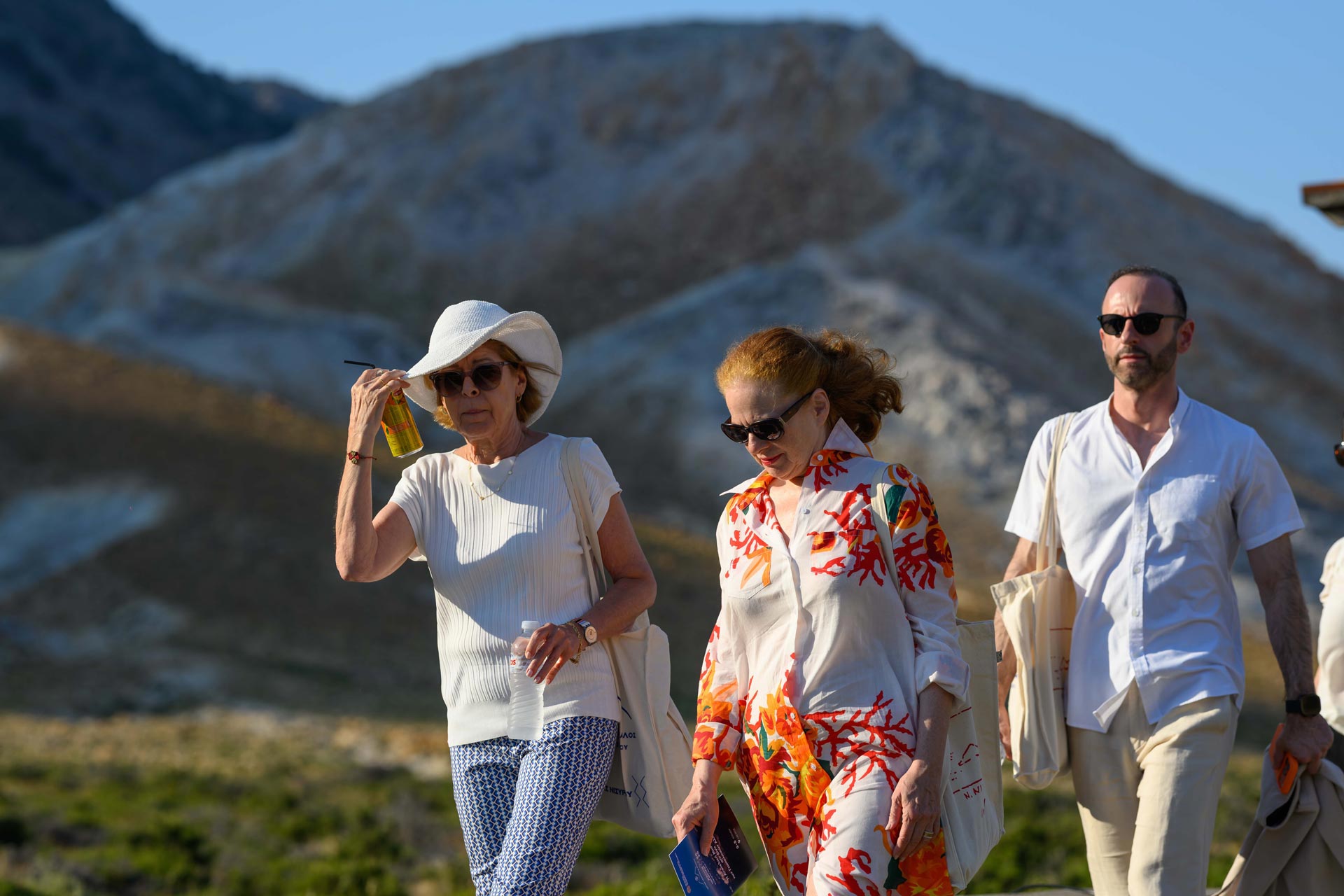
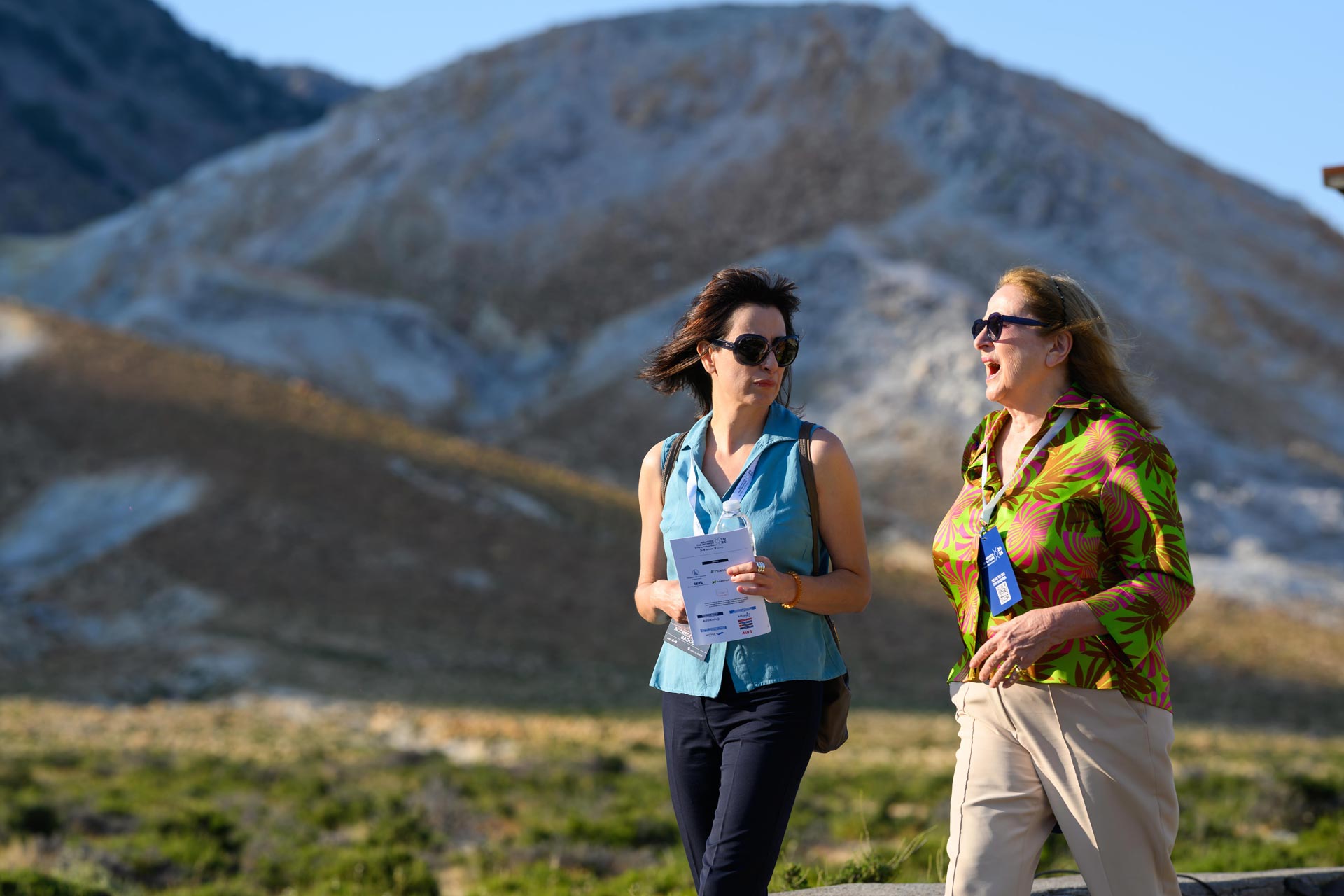
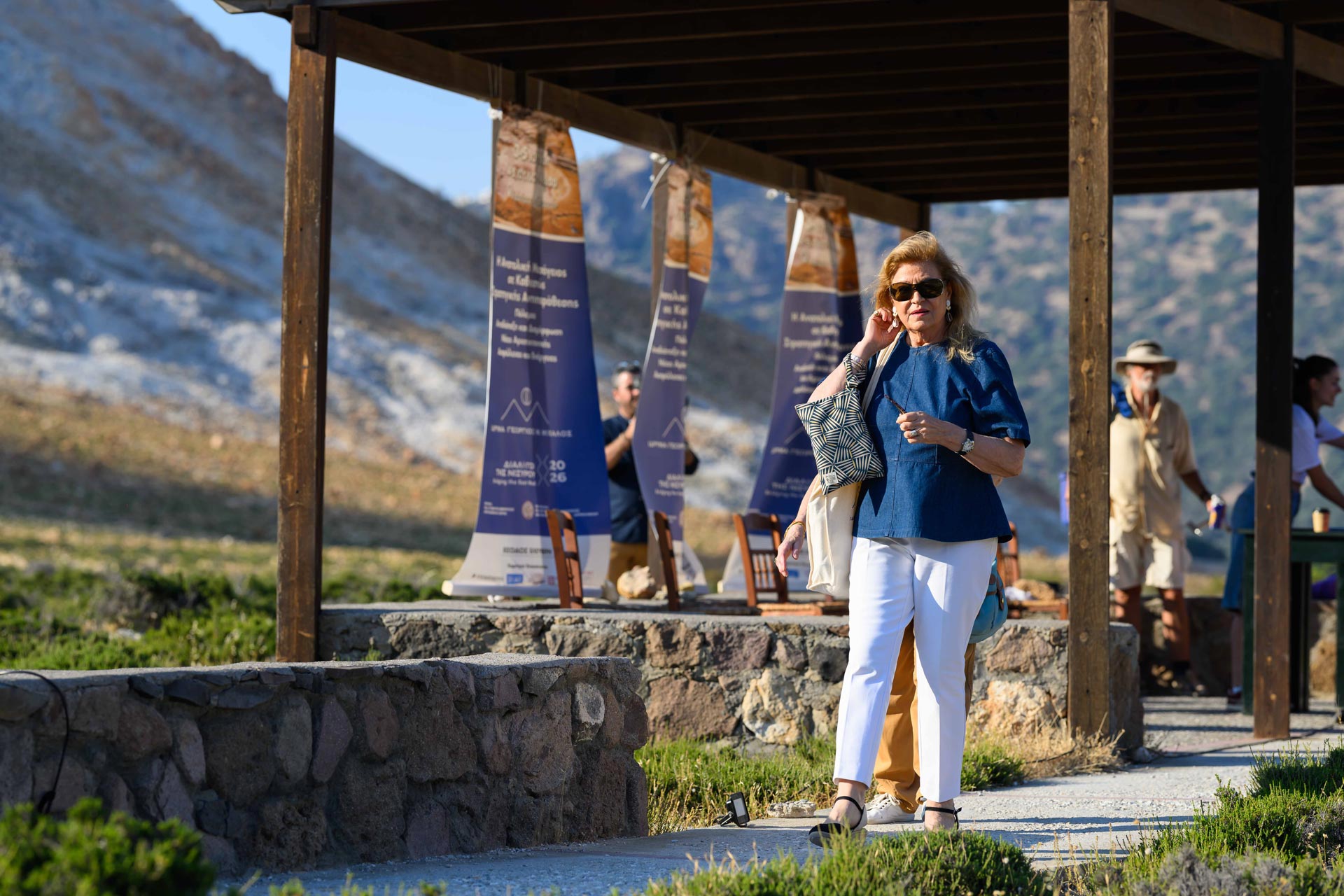
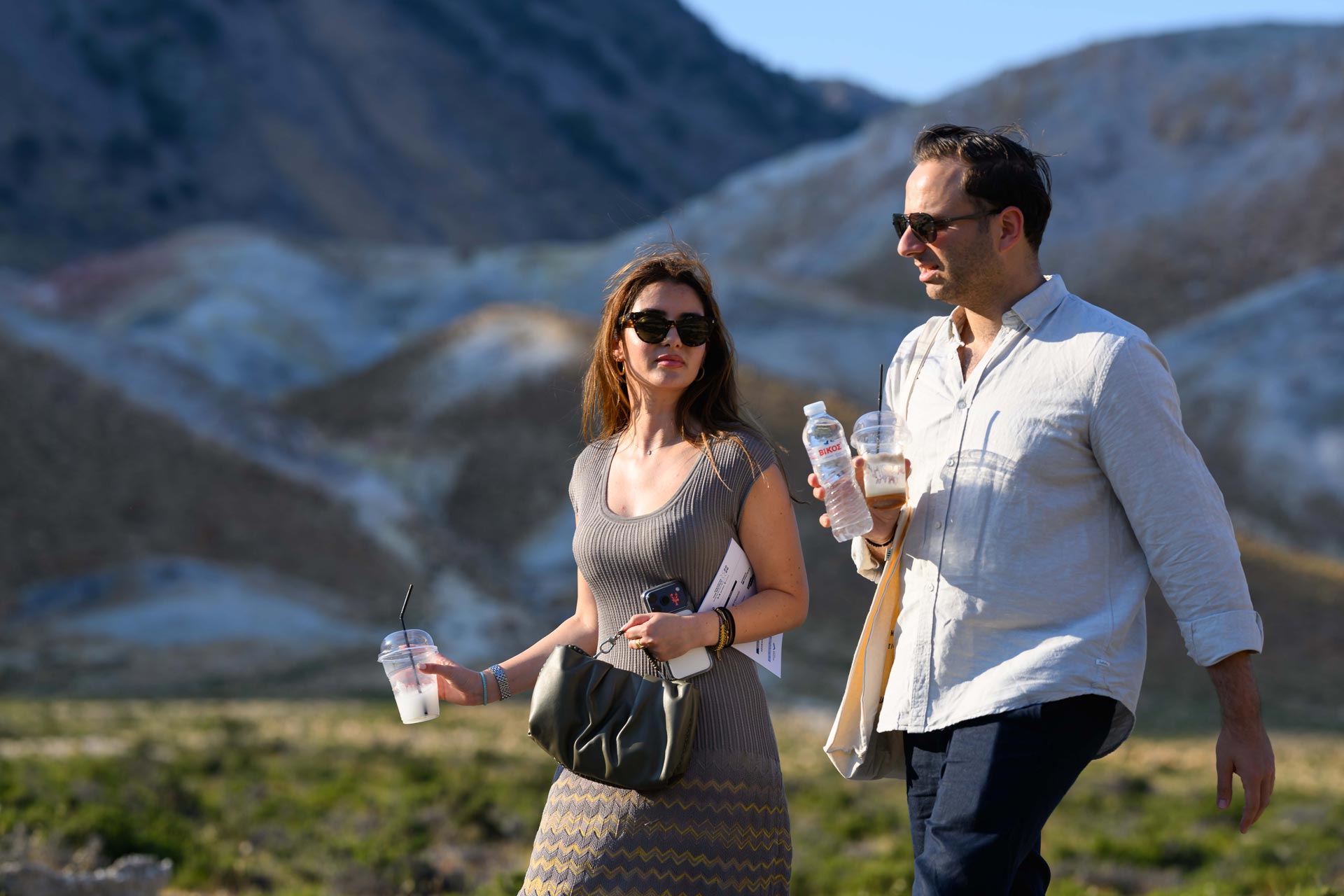
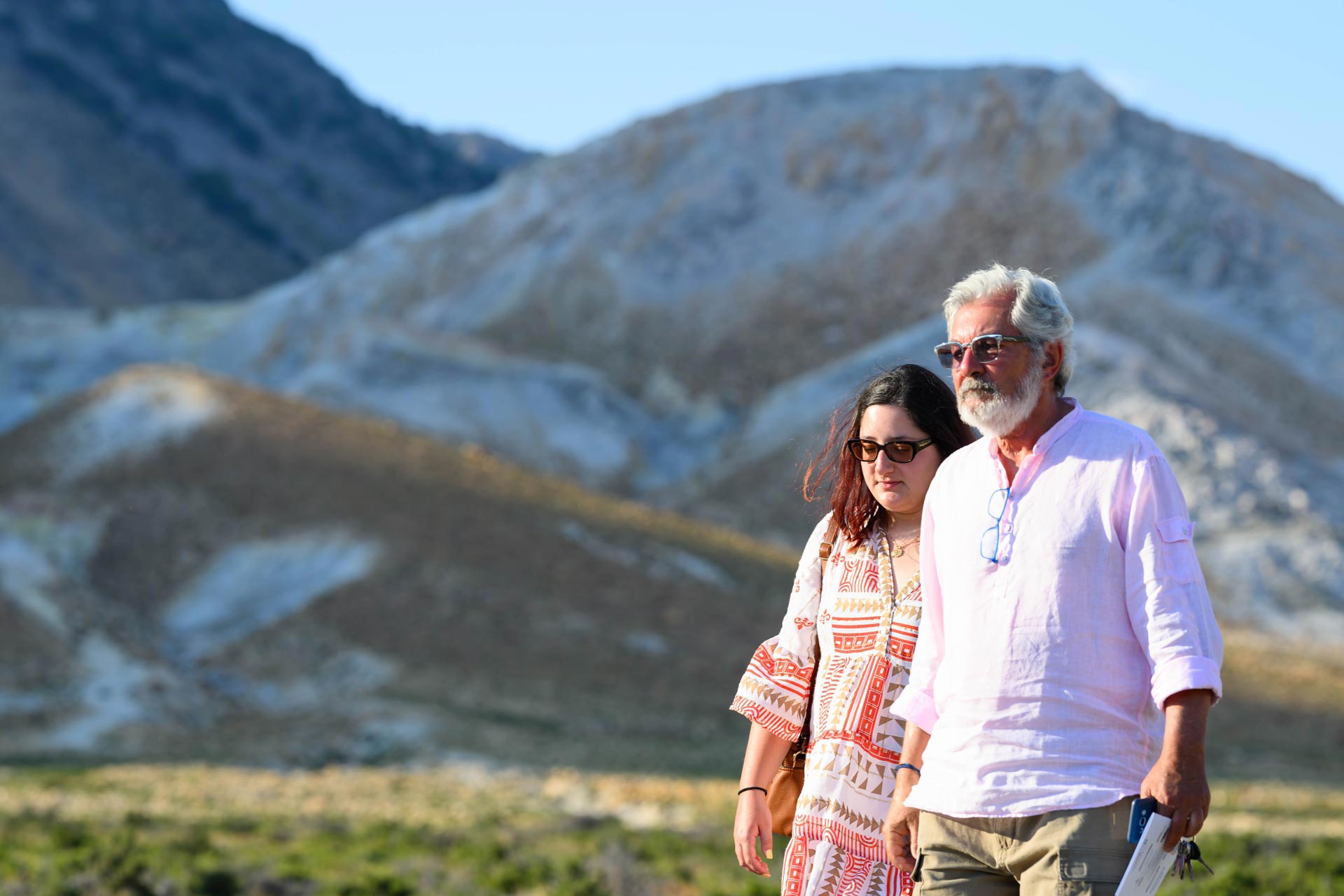
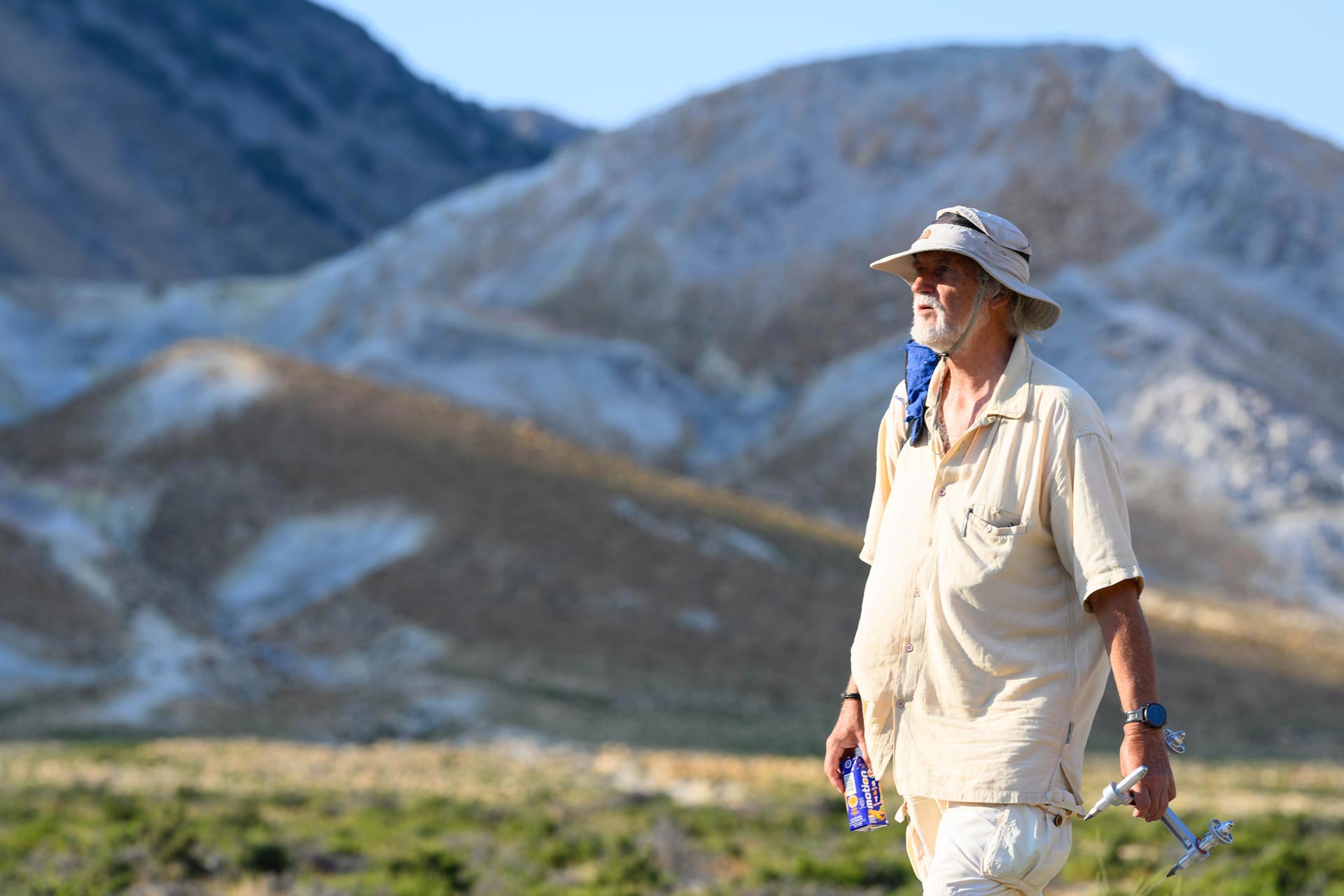
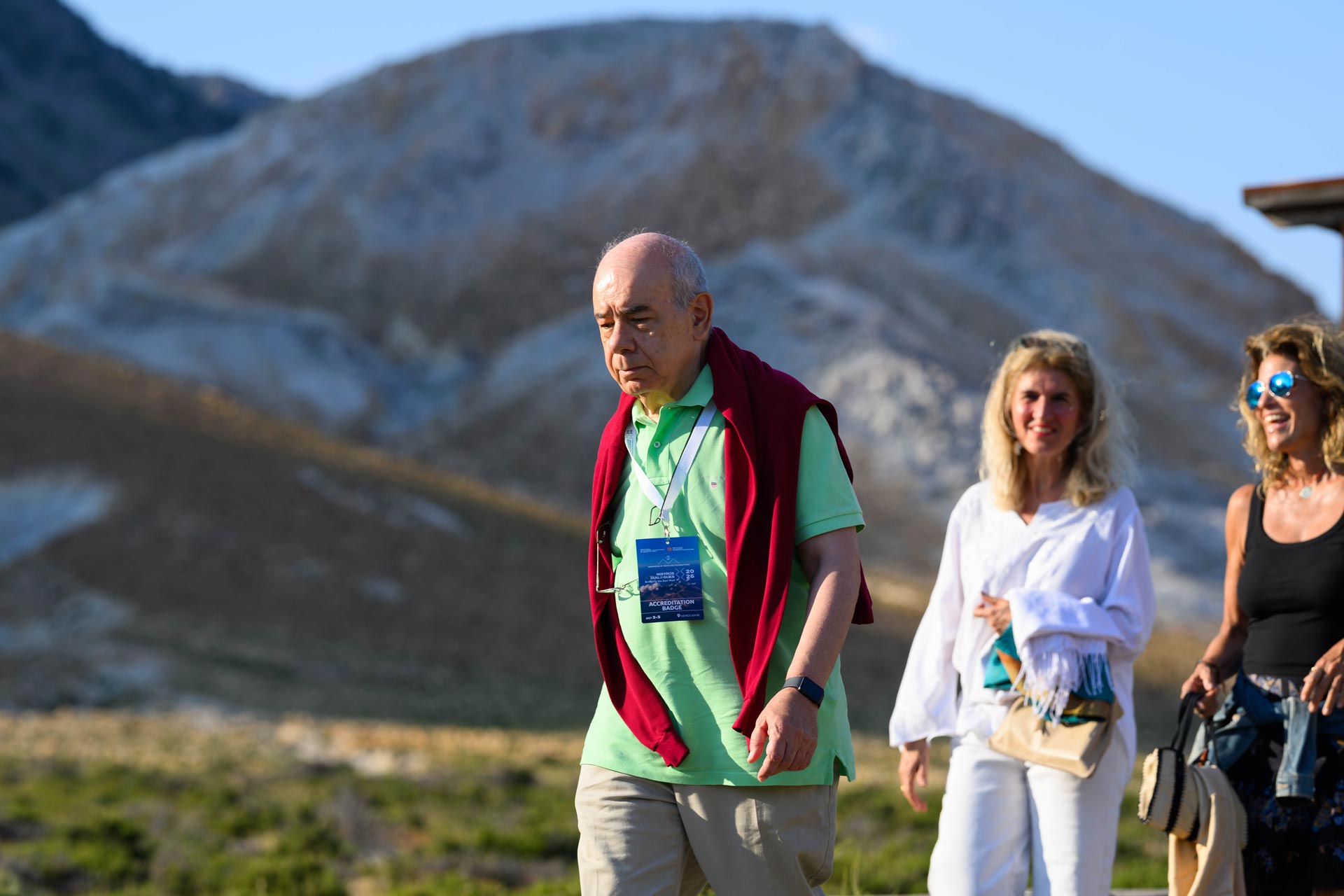
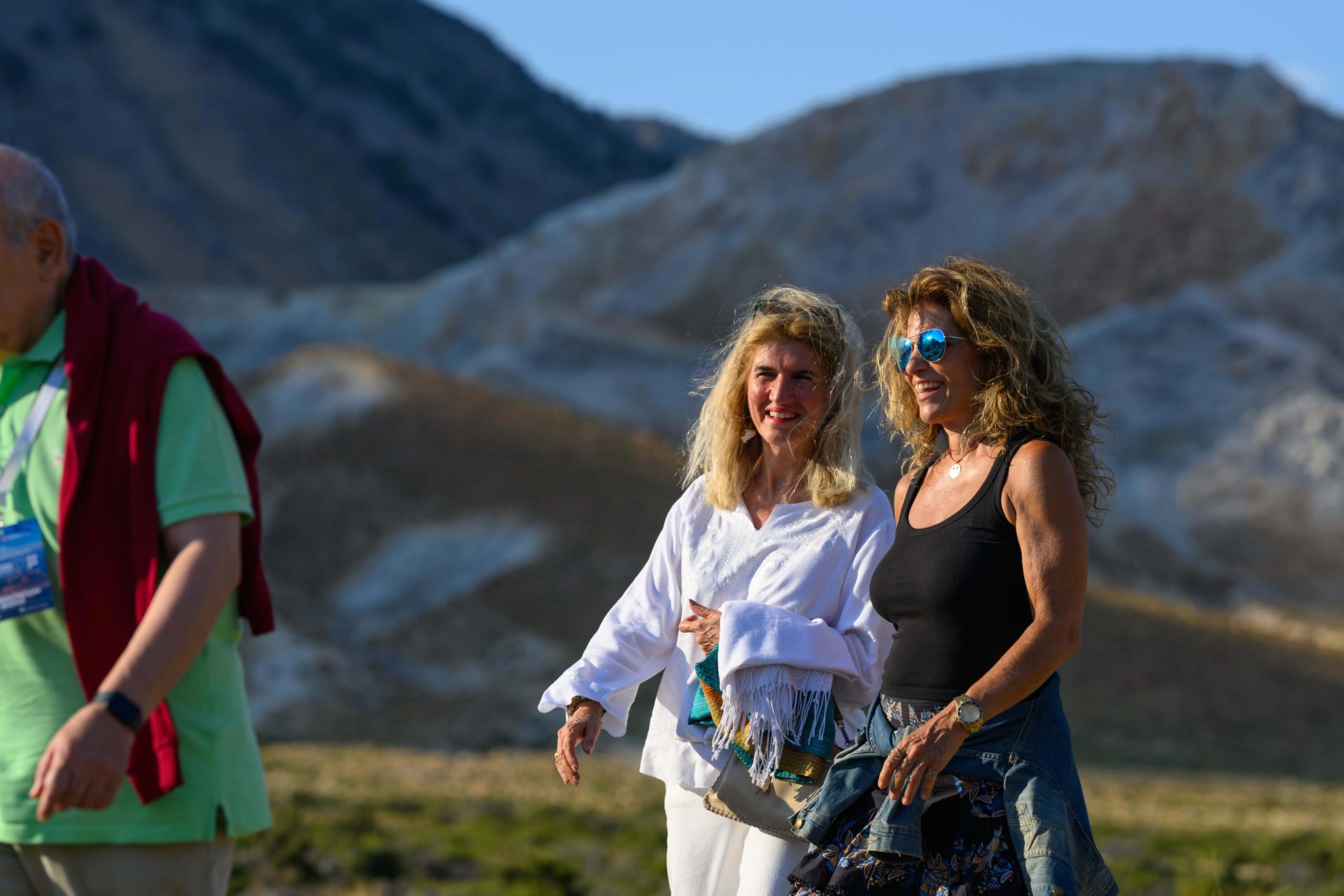
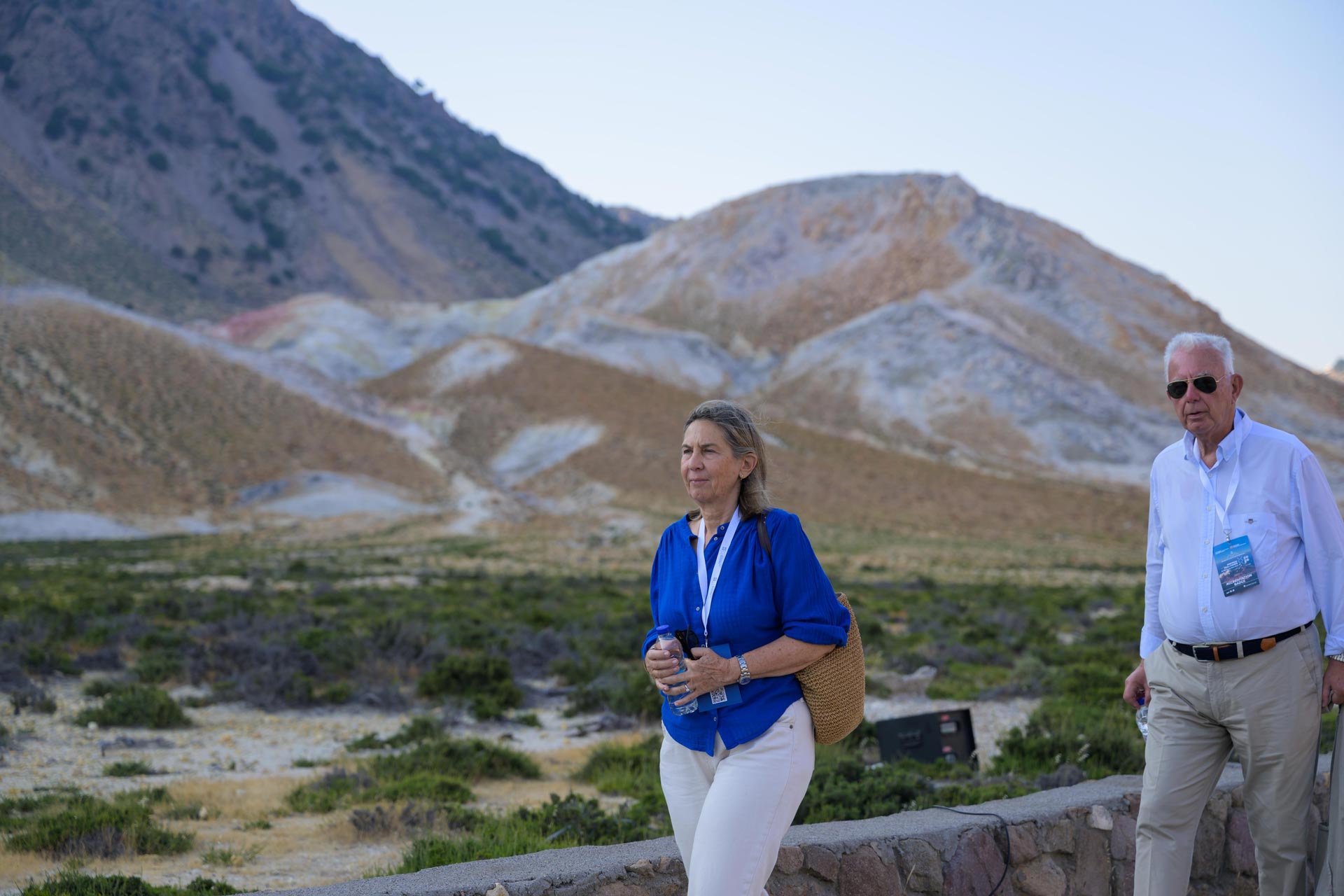
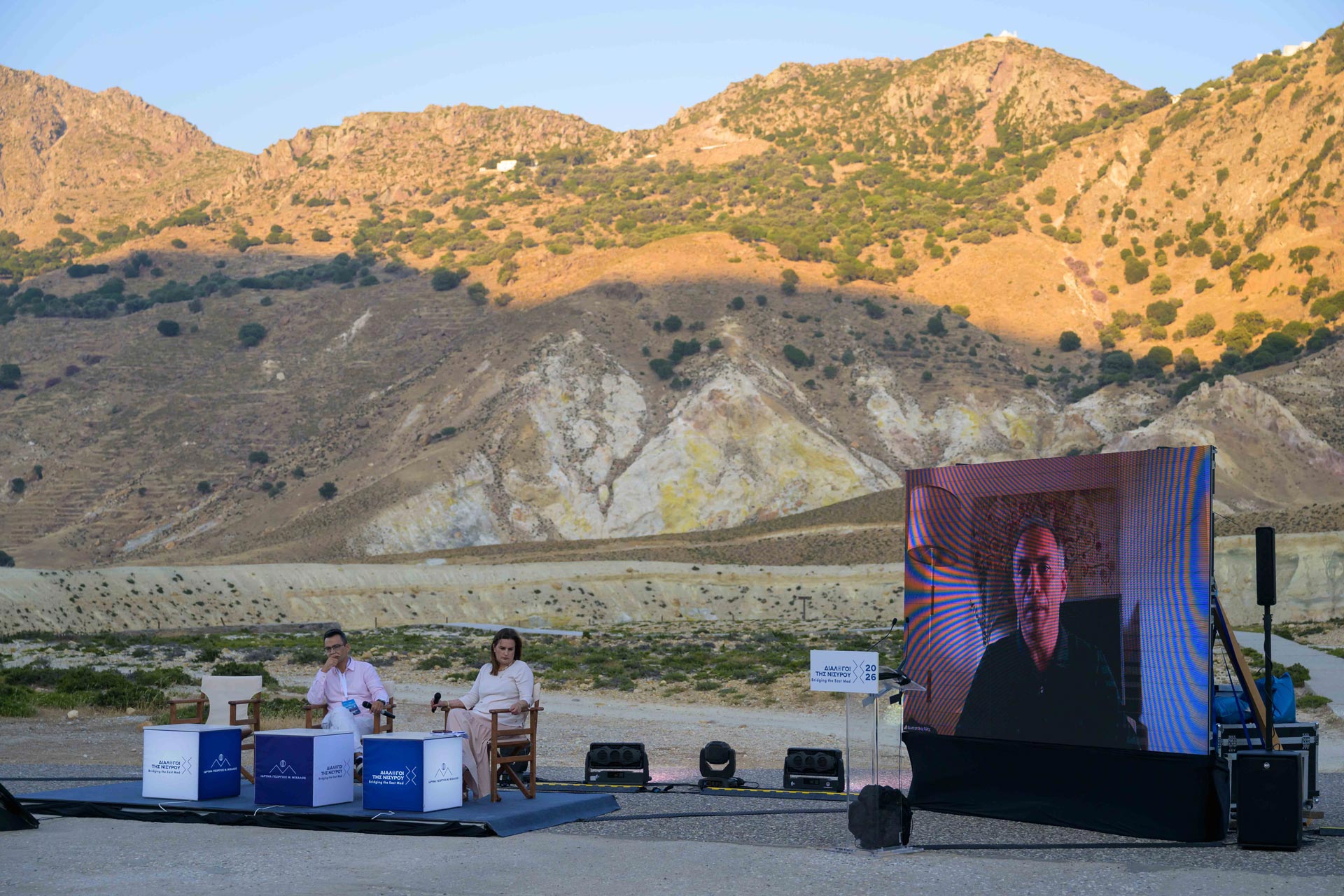
That same morning, guests of the Dialogues had the chance to experience first-hand what Professor Nomikou had described, through the "Geological Tour of the Stefanos Crater." The tour let participants see the crater up close and understand what makes the Nisyros volcano unique in the world — a feature that draws scientists from across the globe — while, through the release of the volcano's gases, they had the rare experience of "hearing the breath of the planet".
✅ Closing Central Dialogue


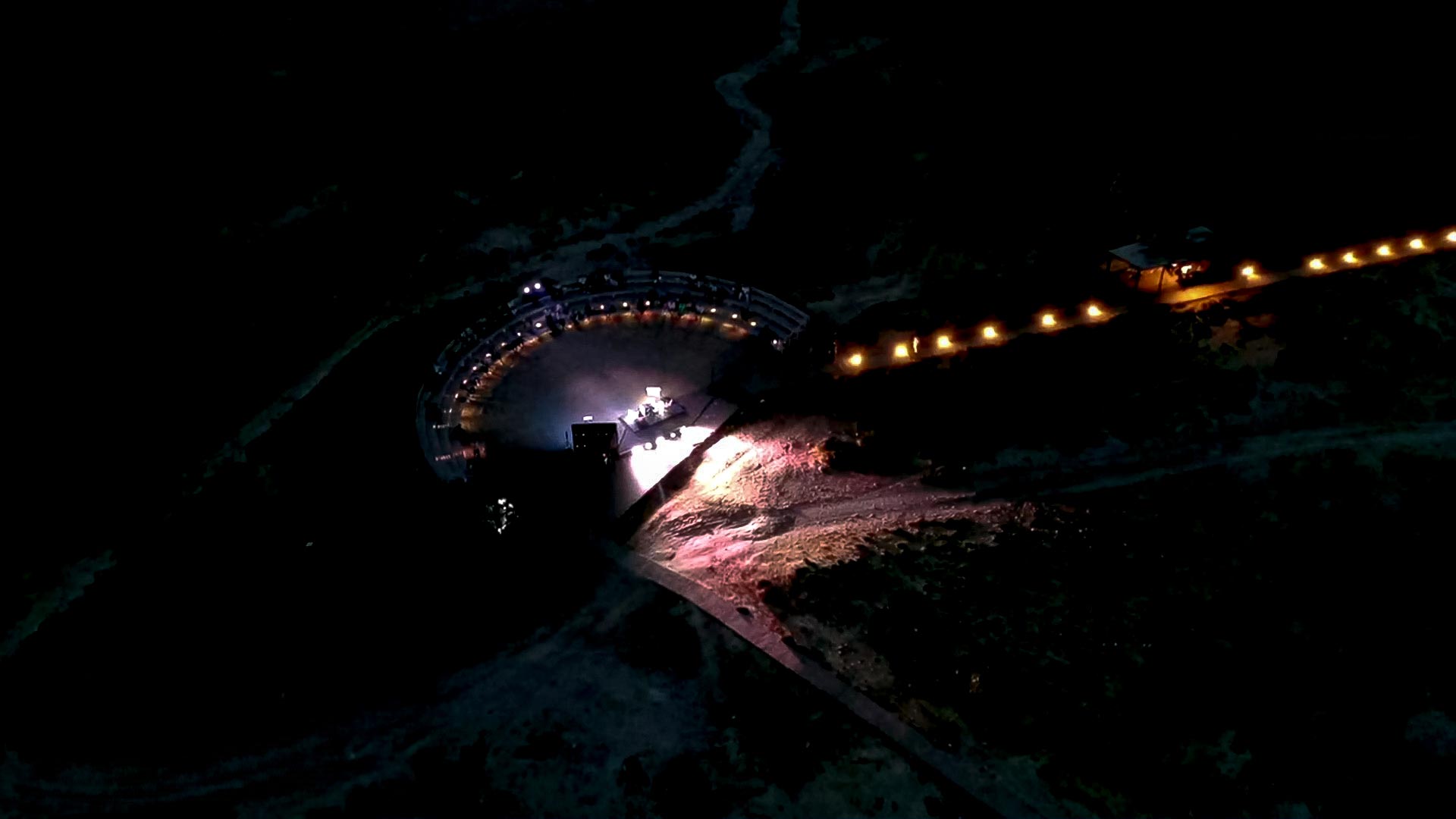
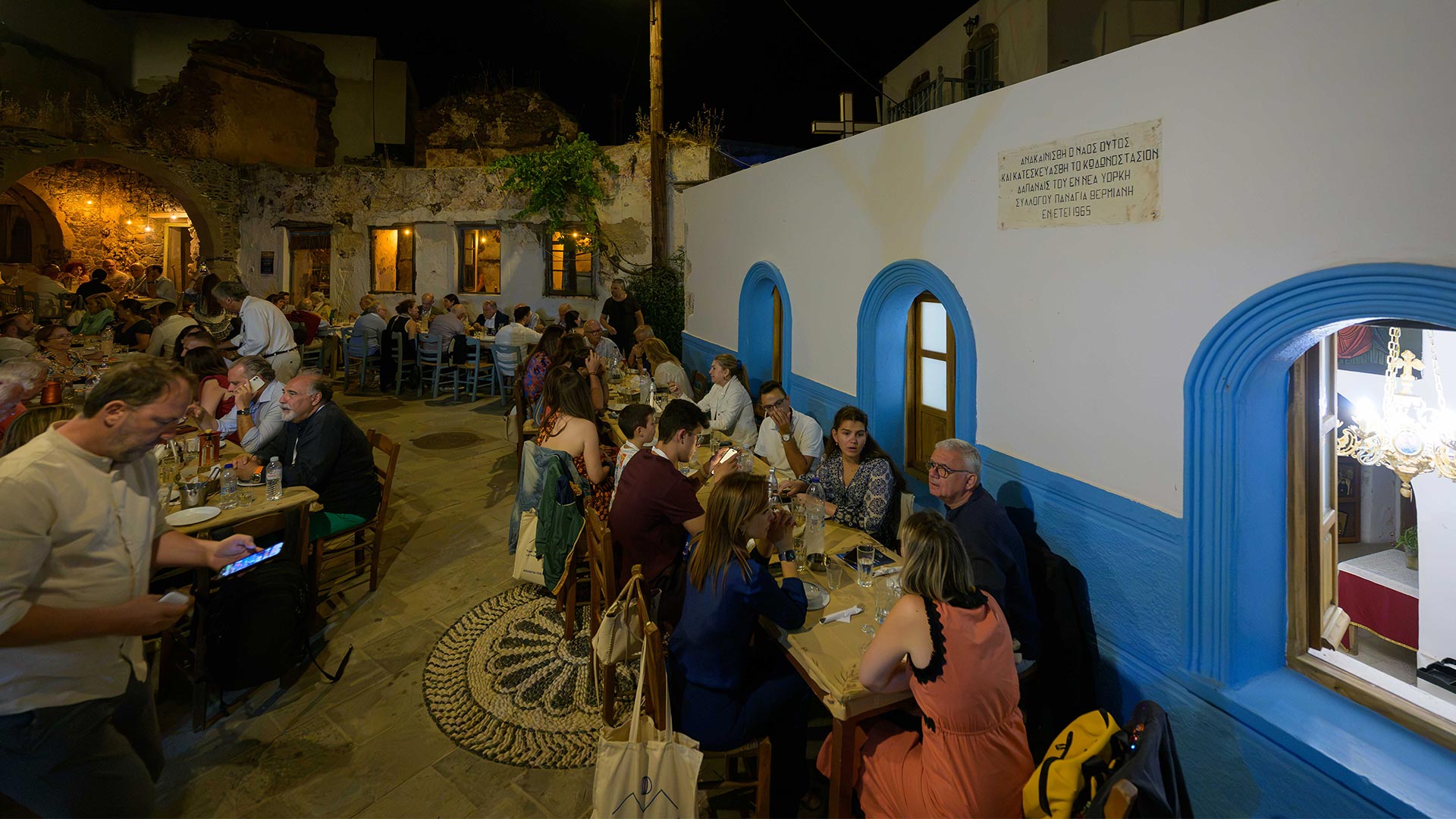
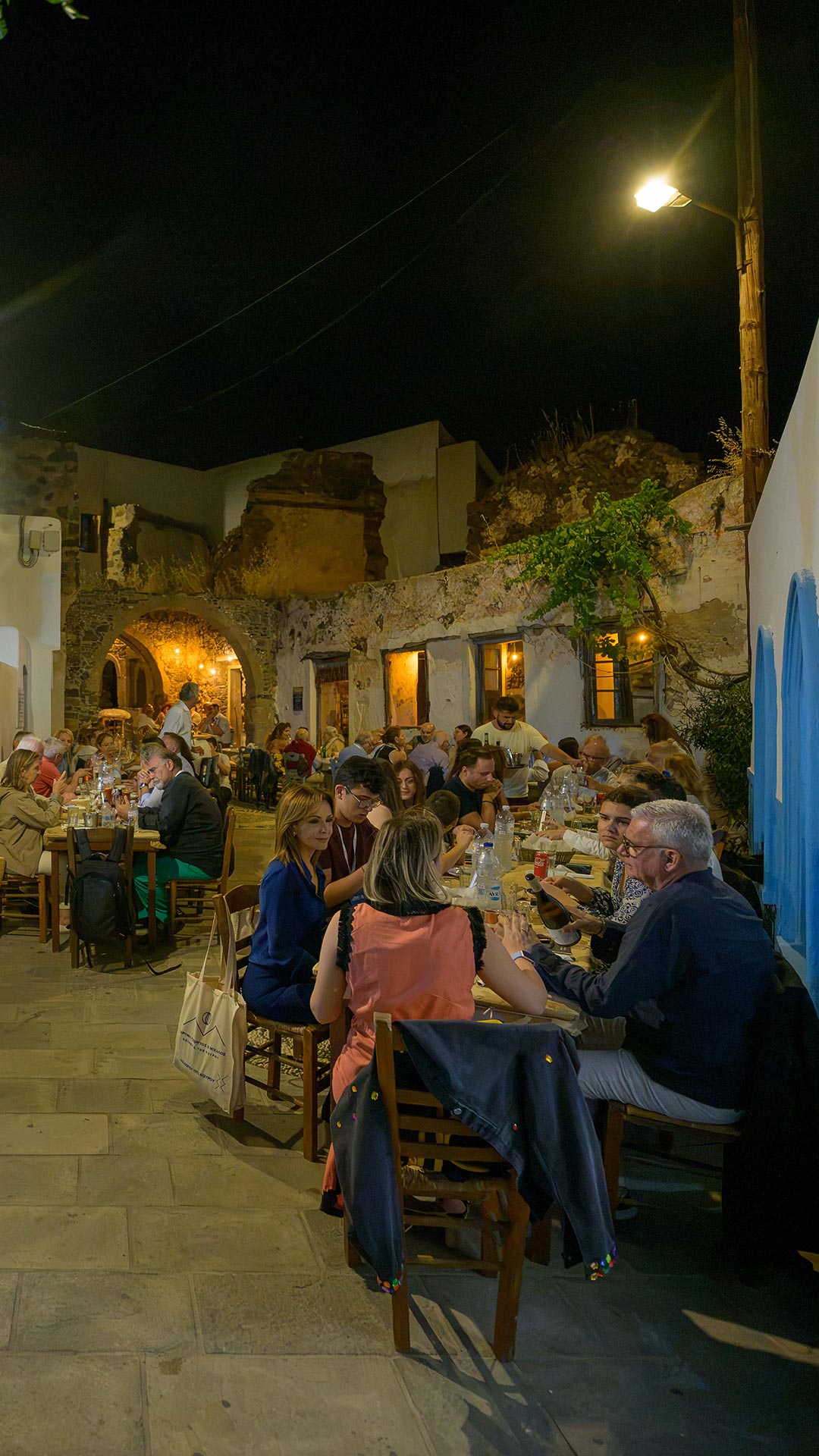
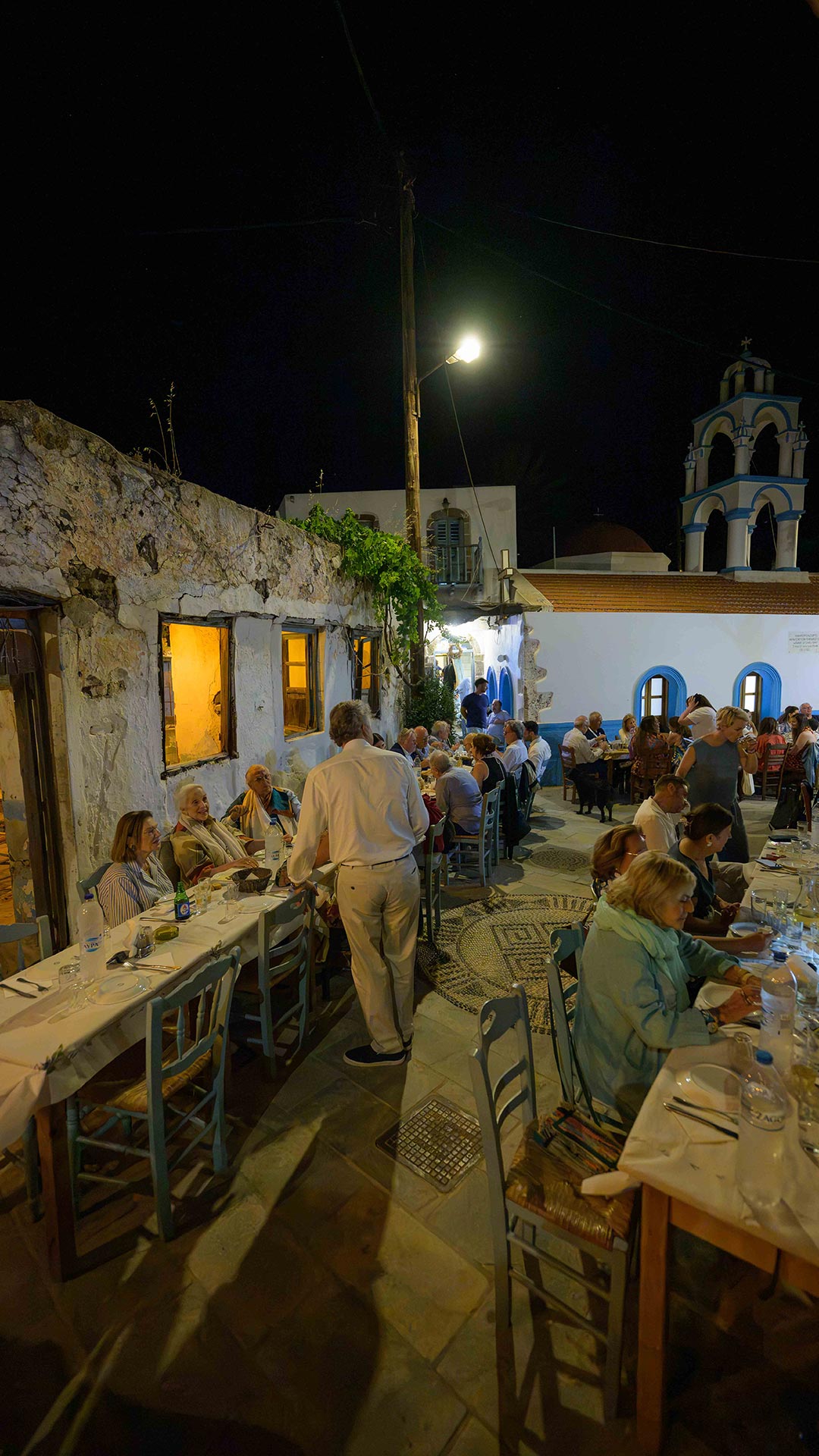
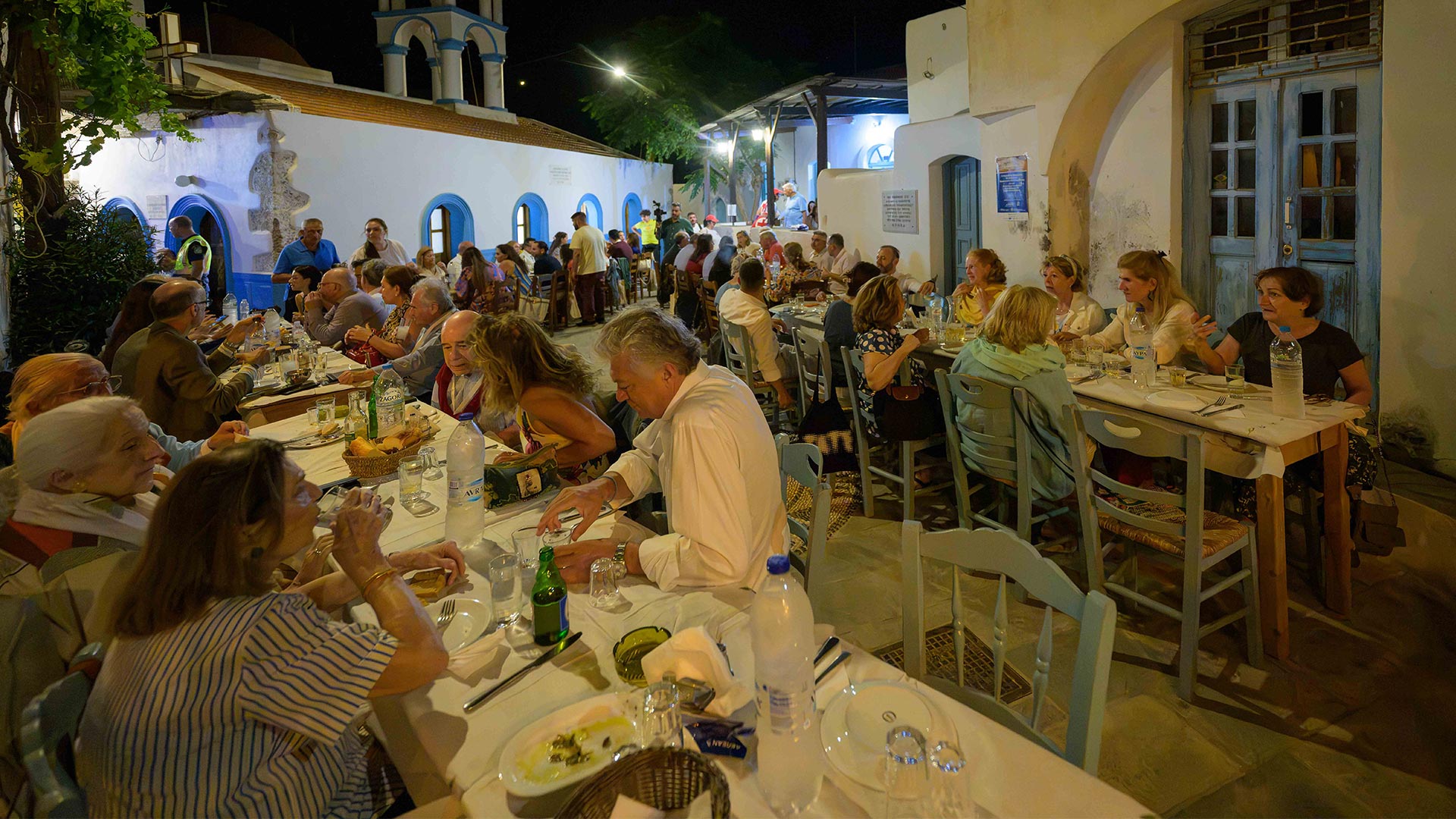
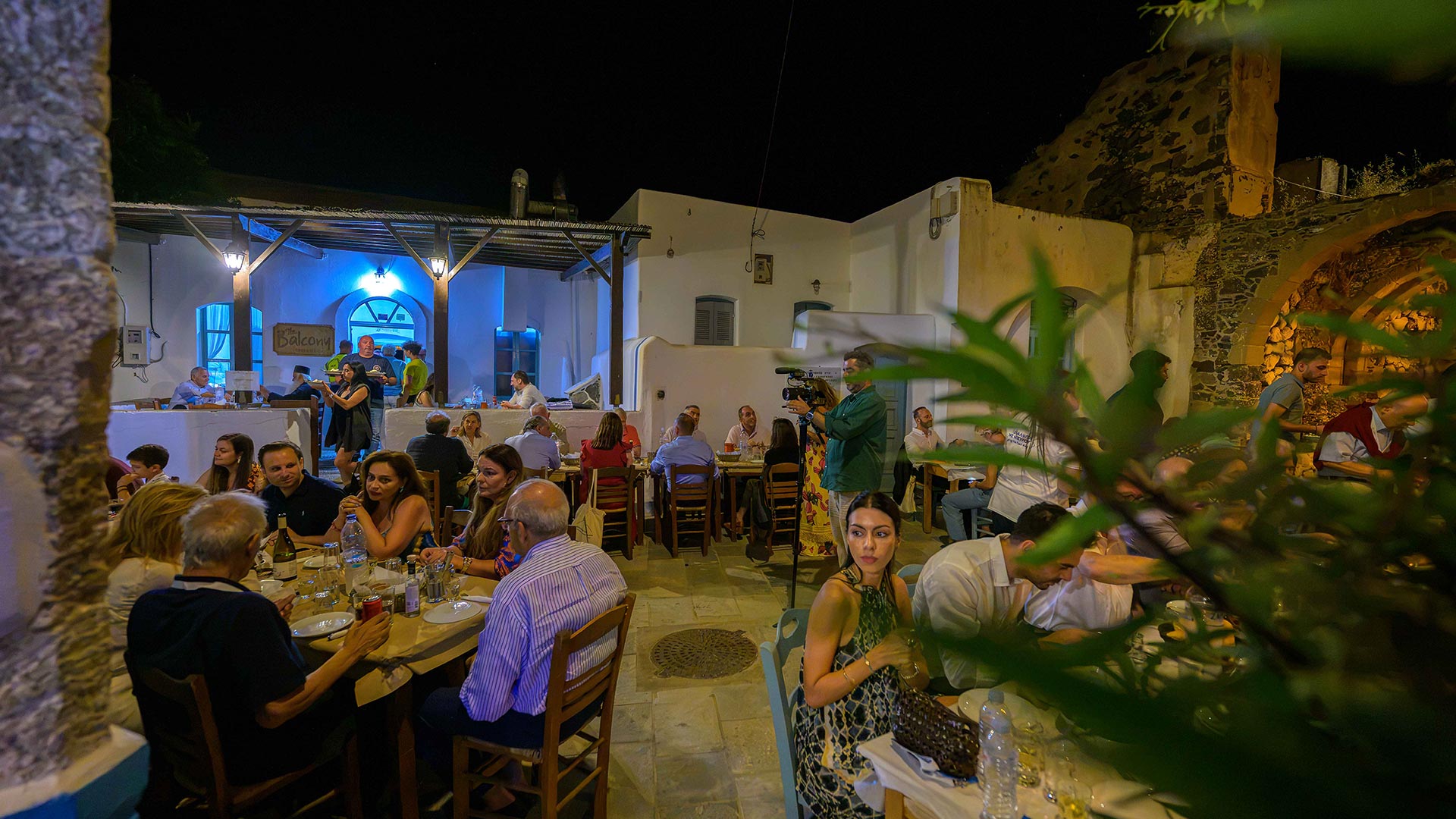
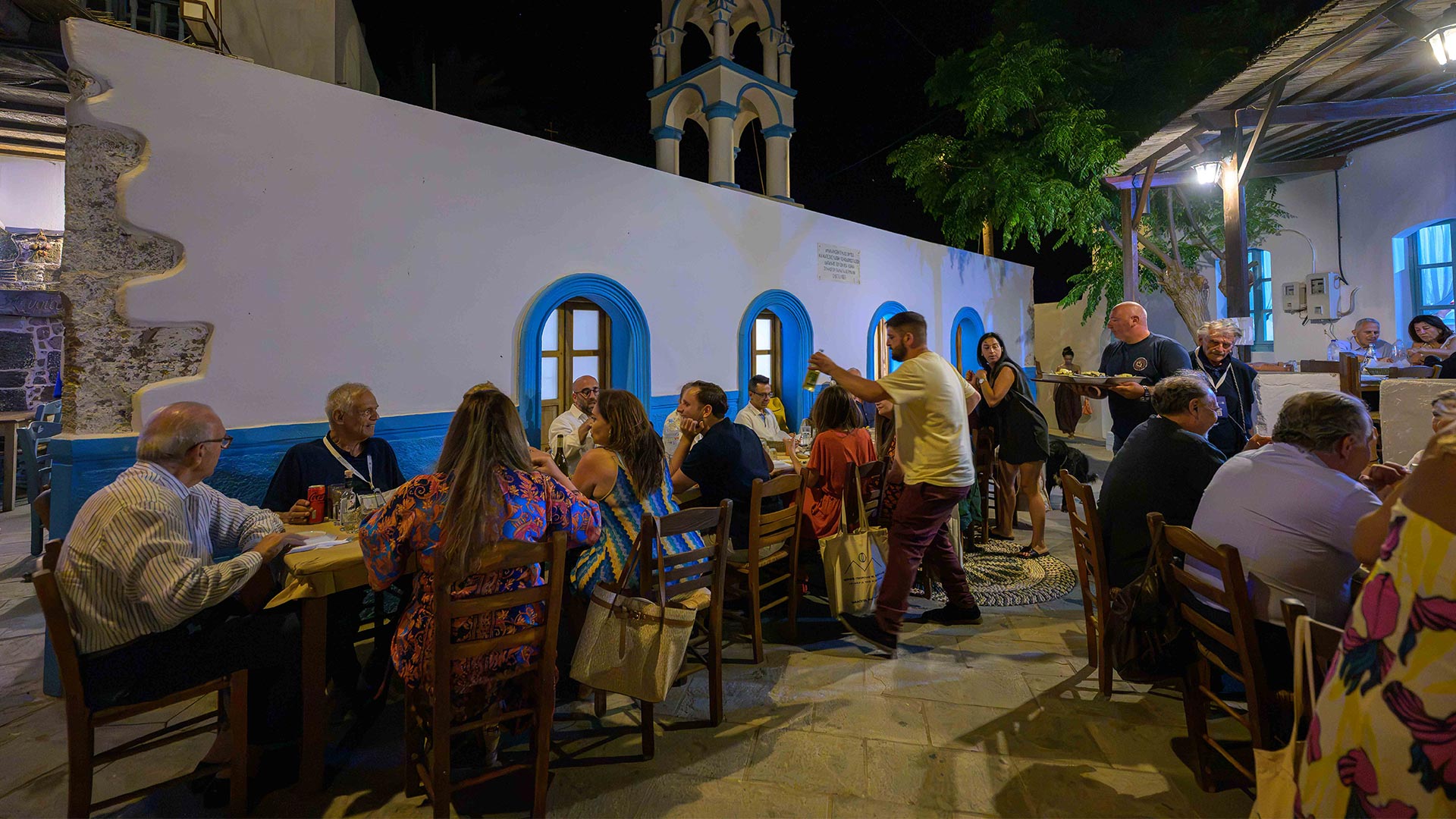
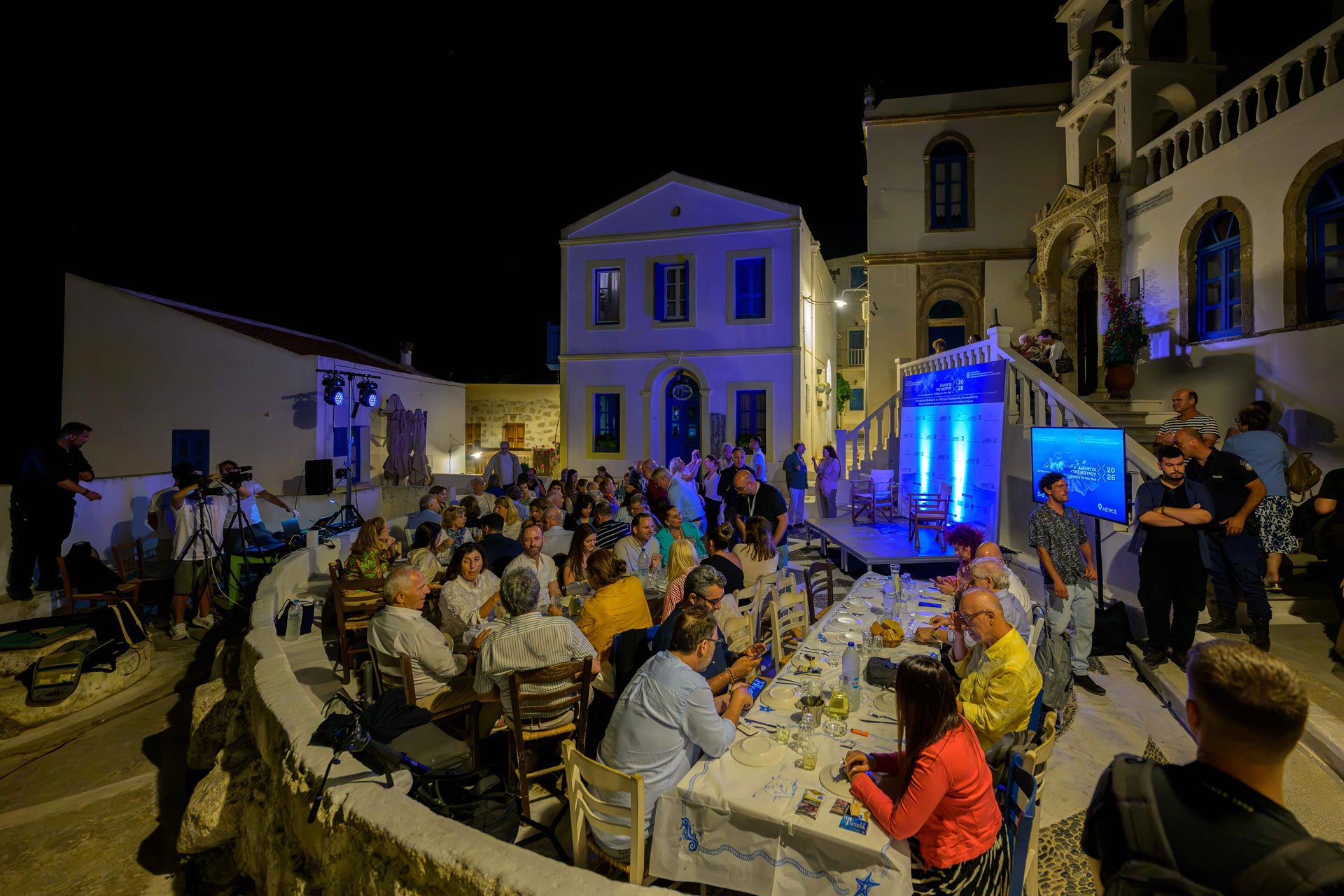
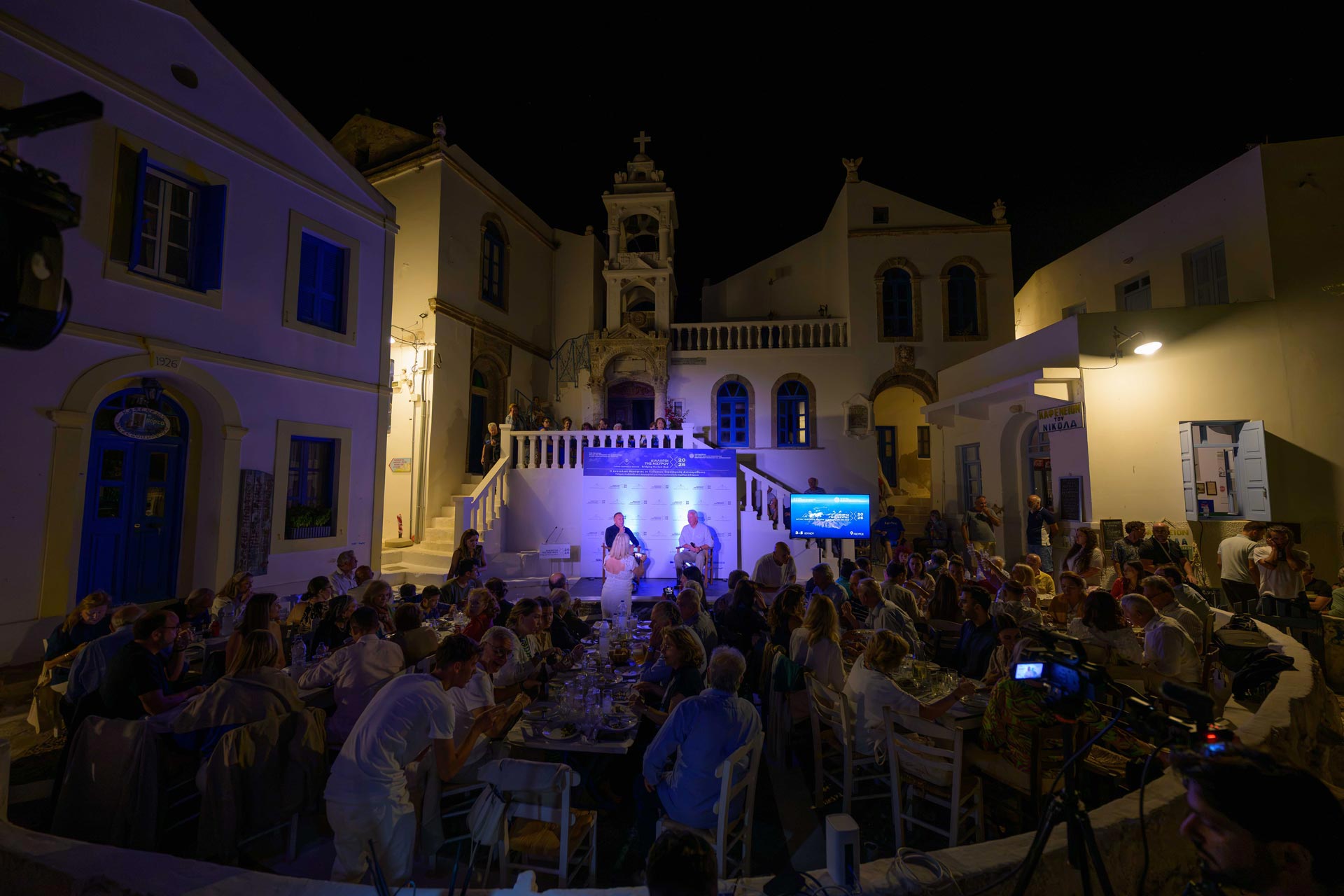
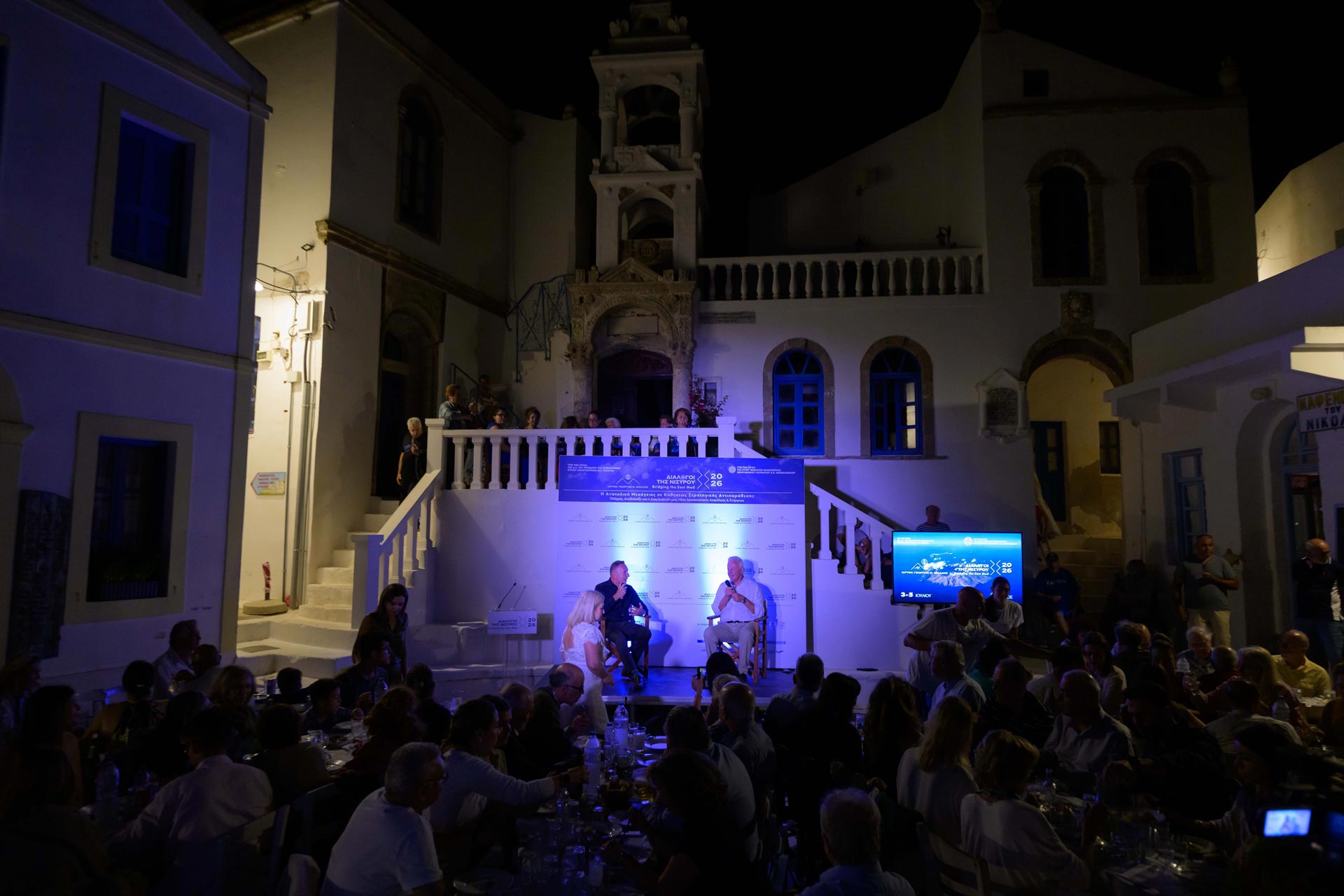
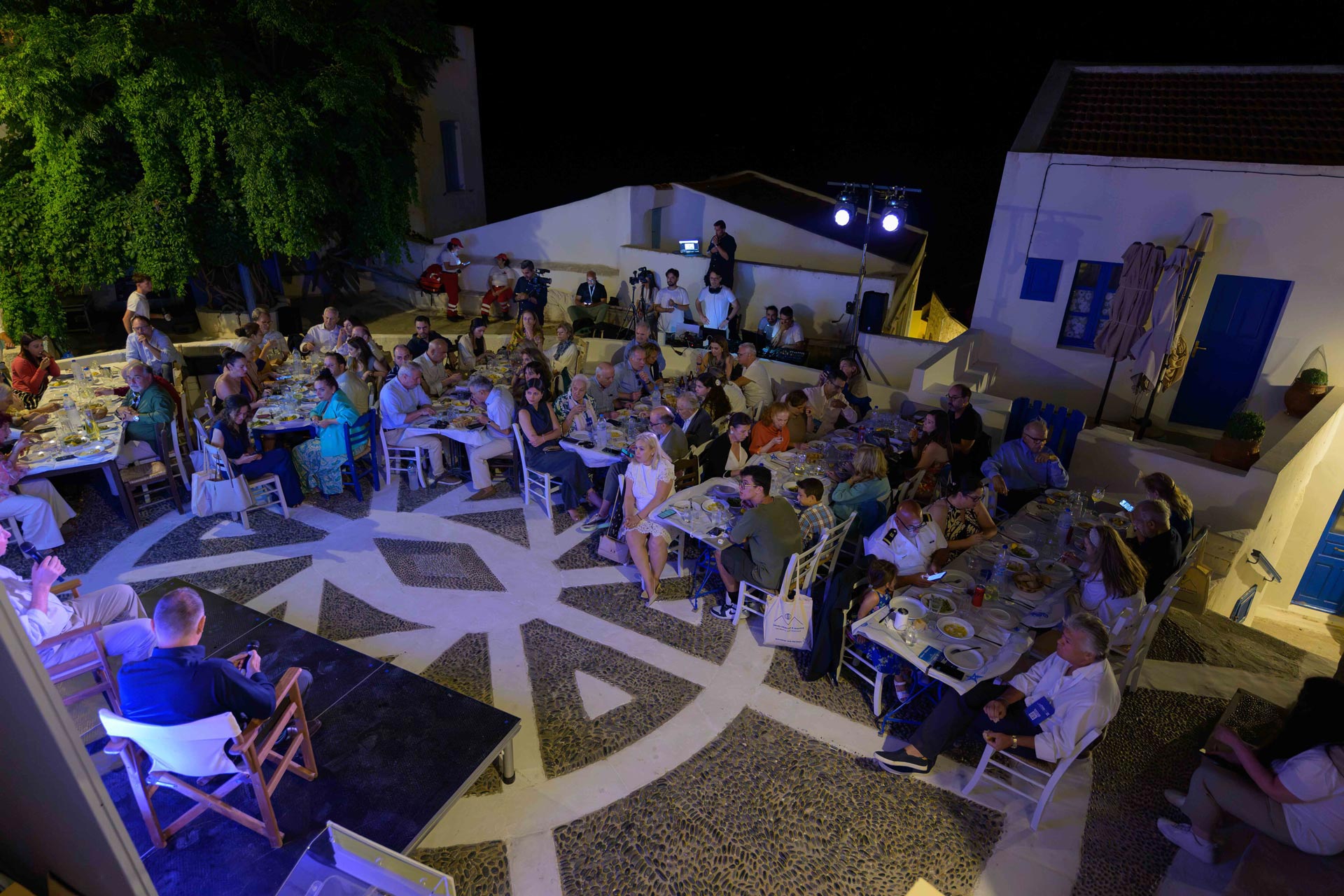
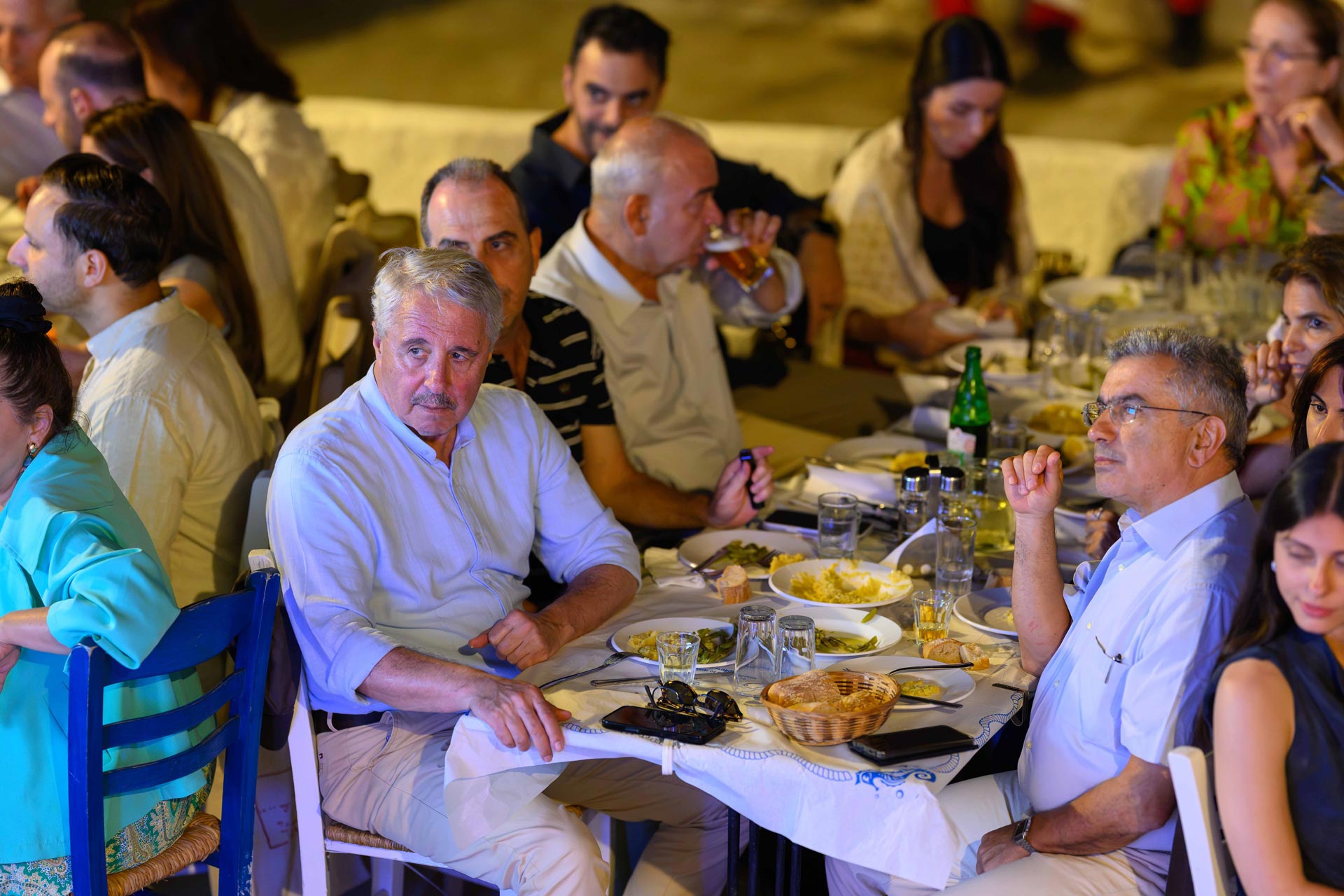
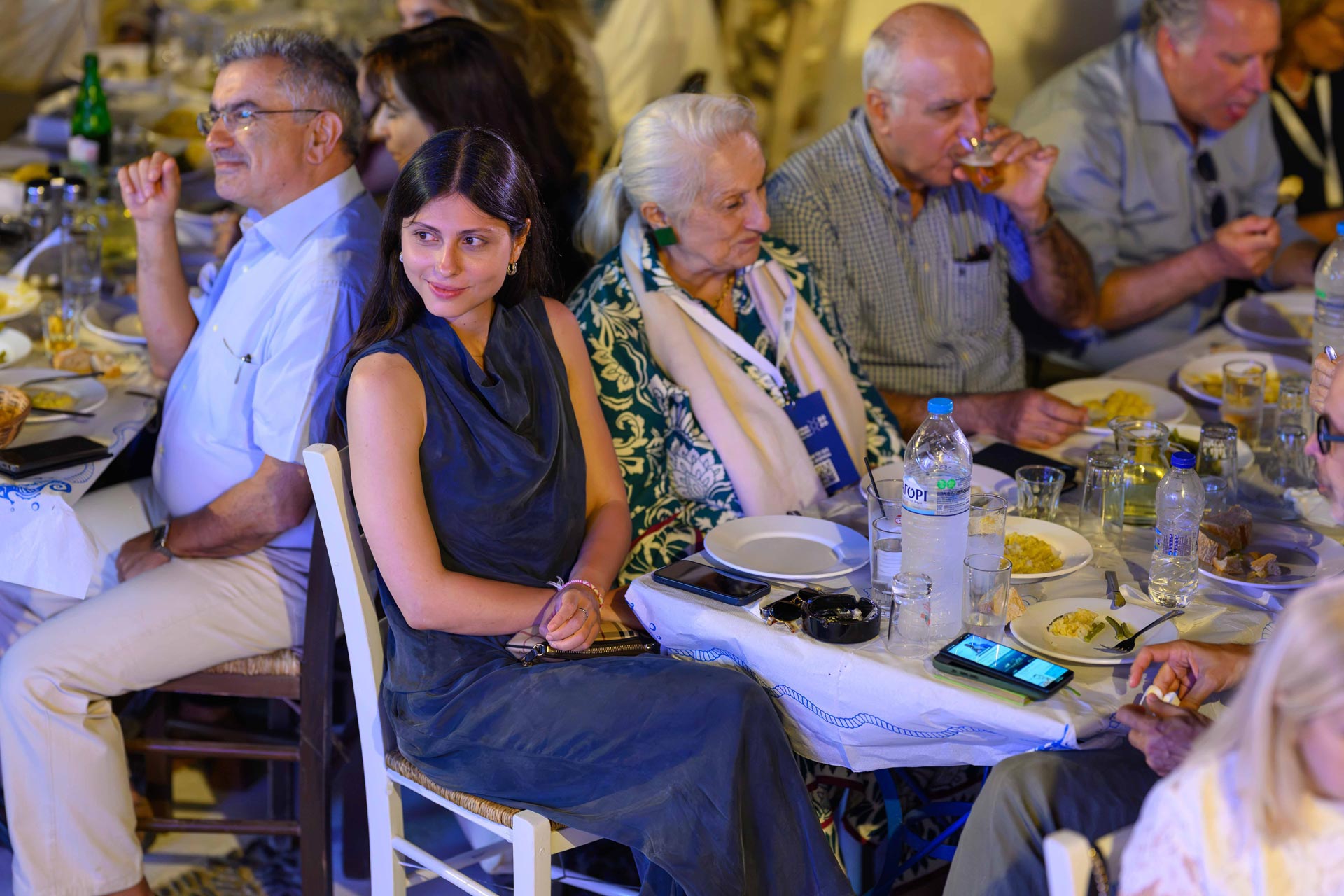
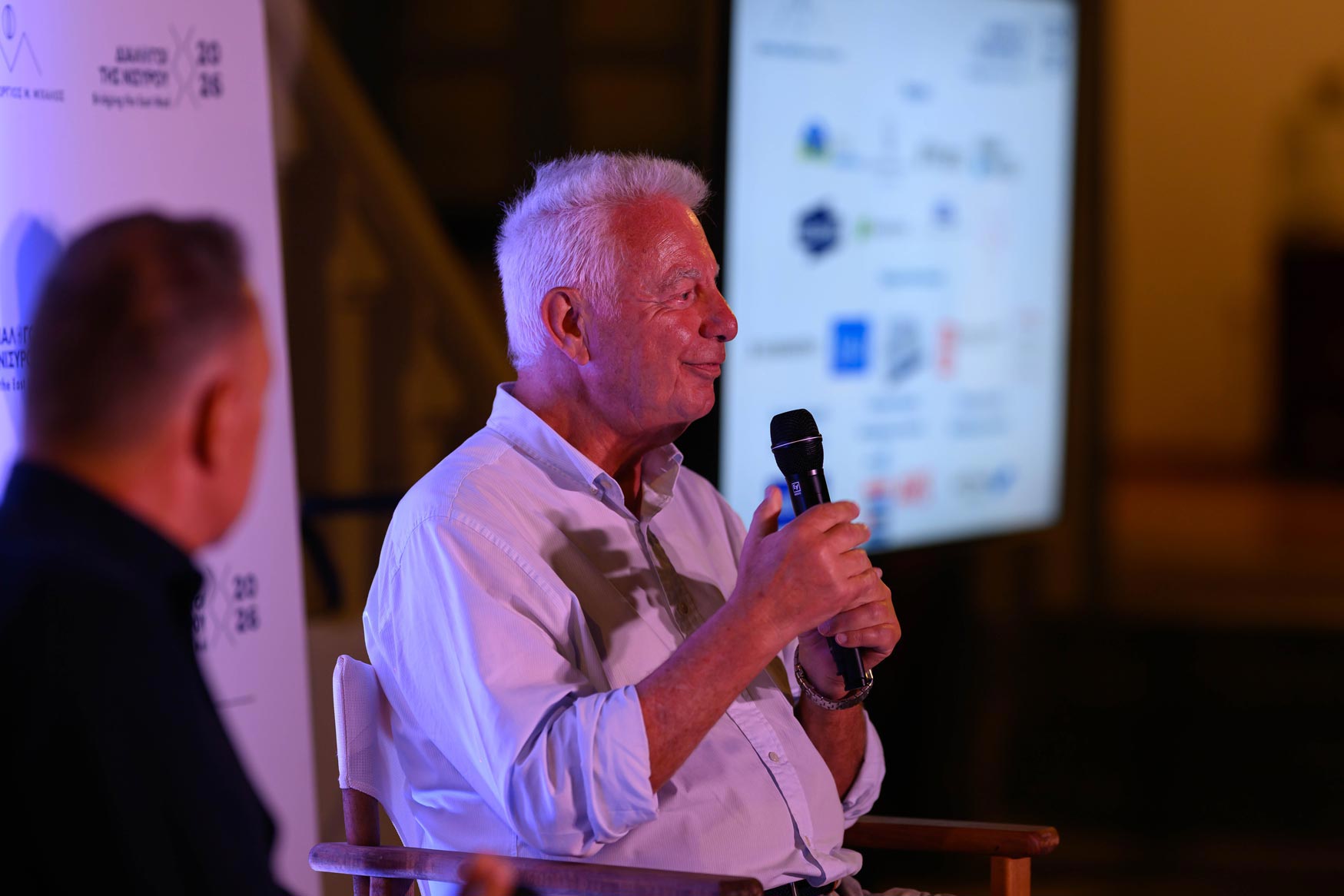
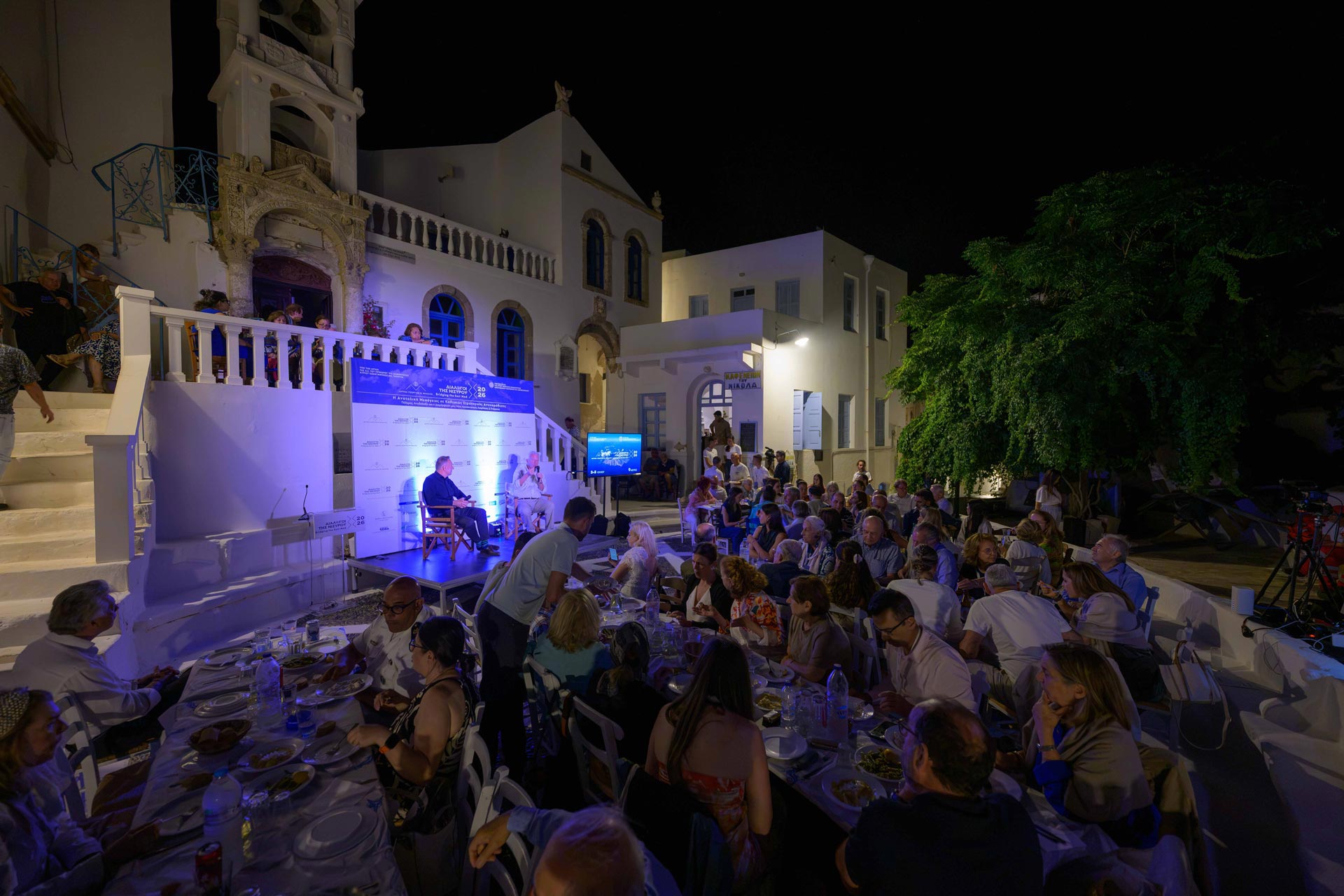
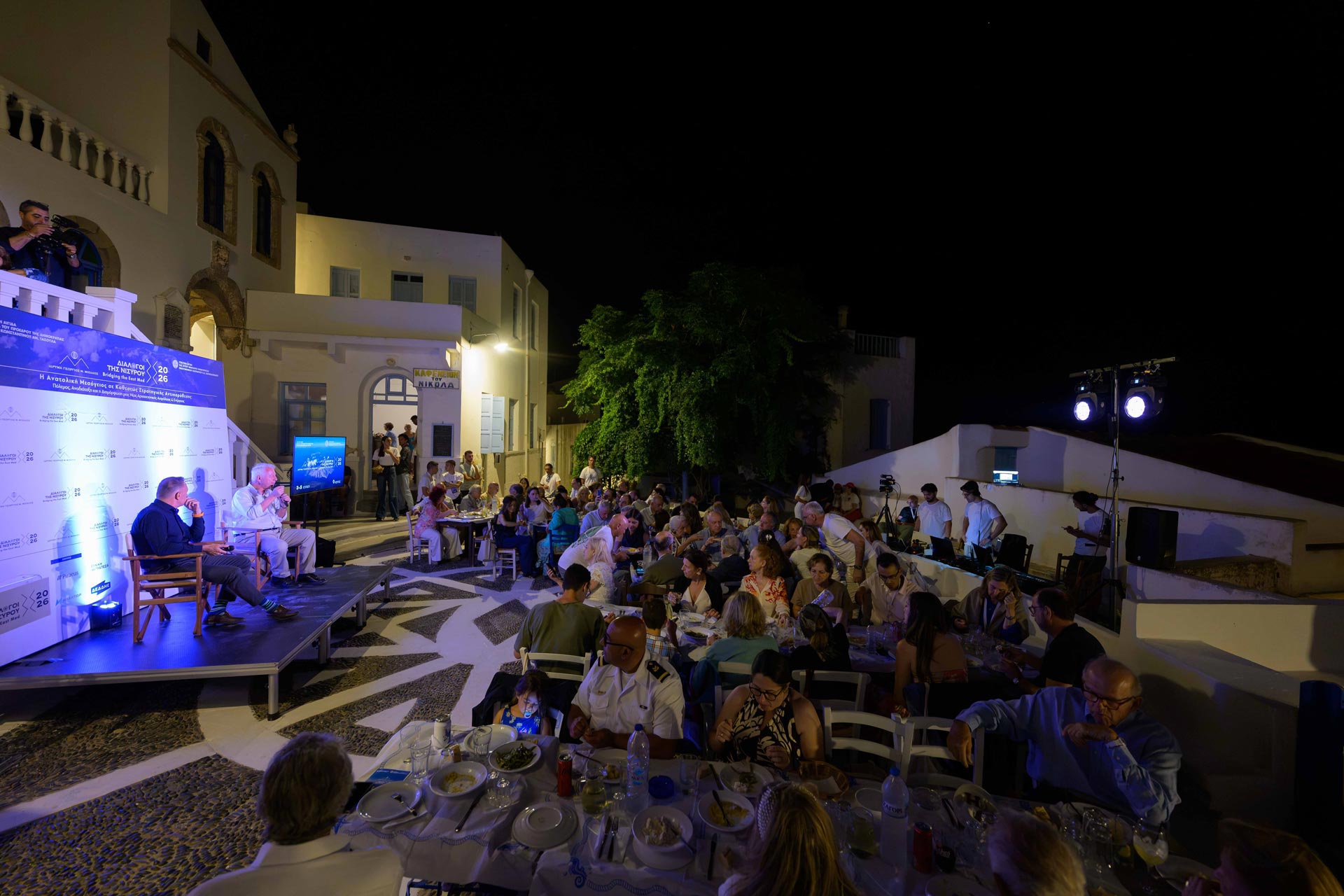
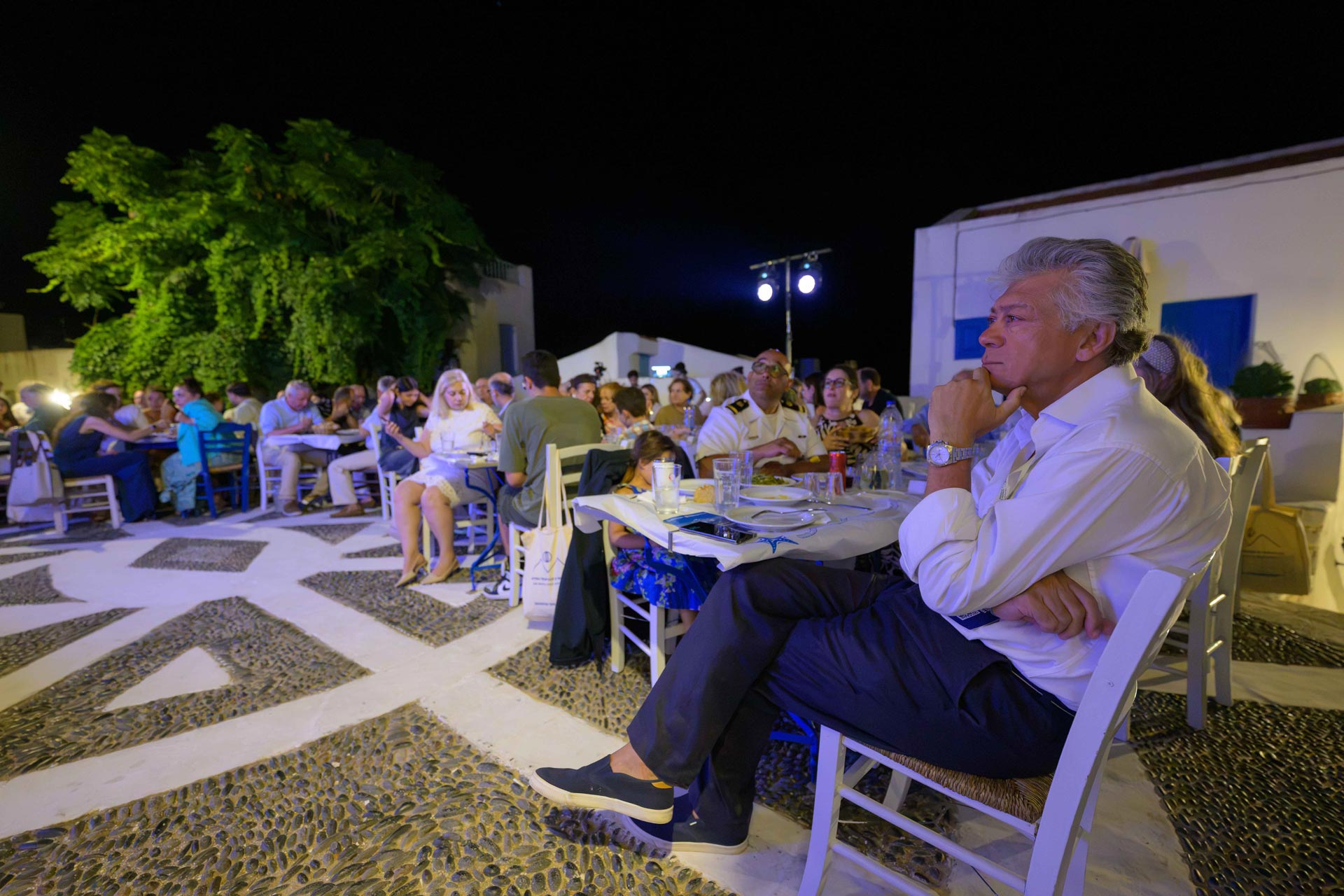
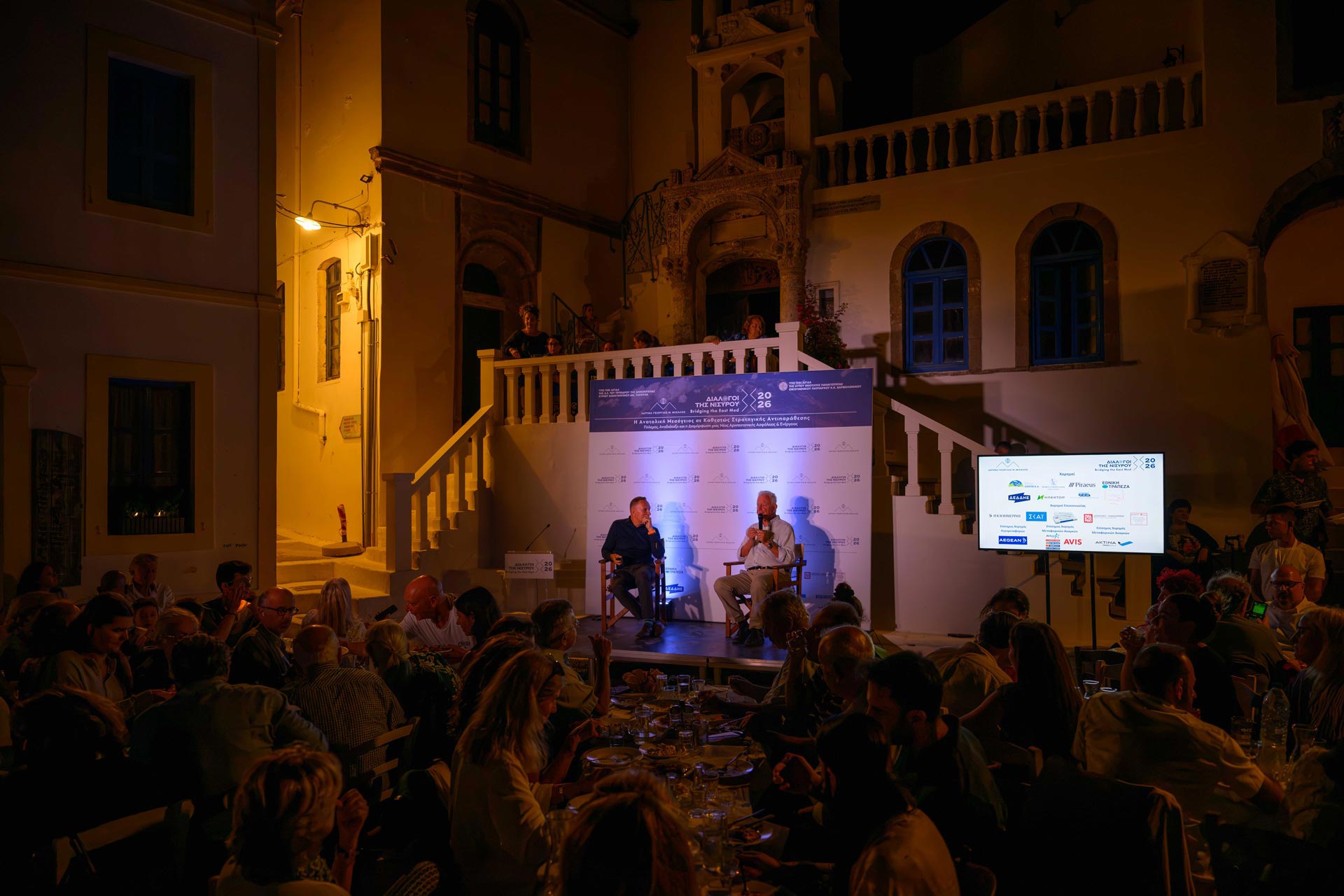
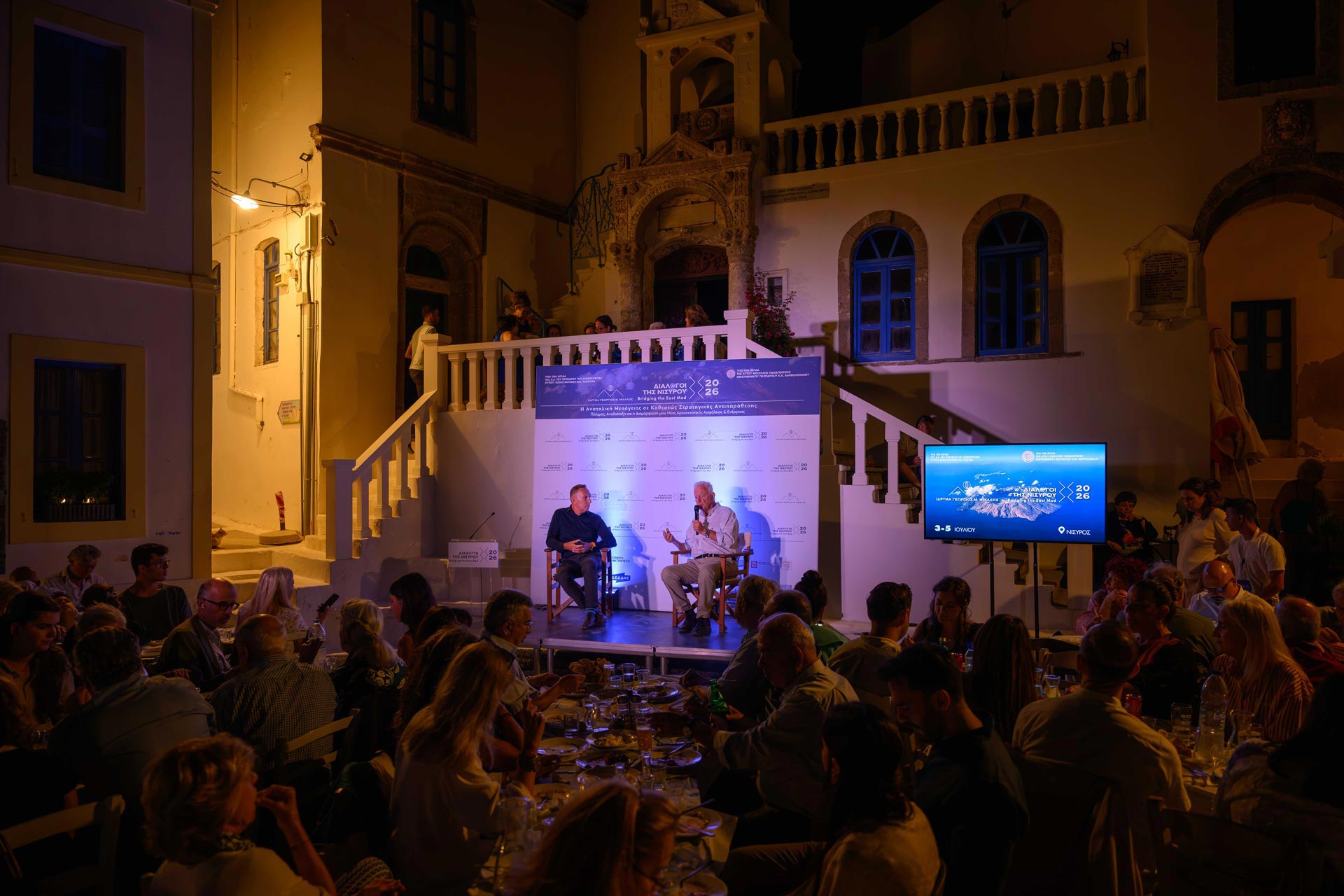
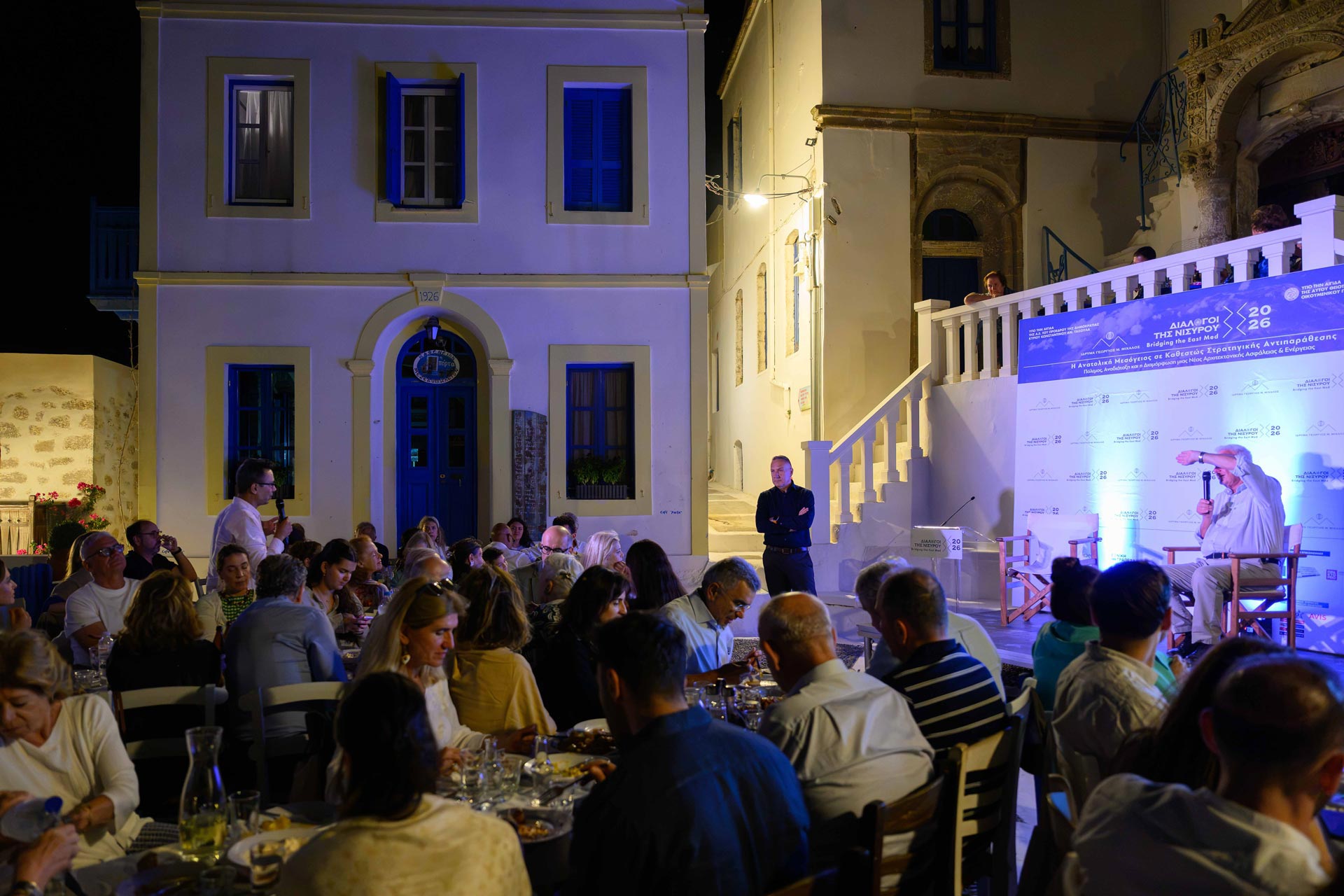
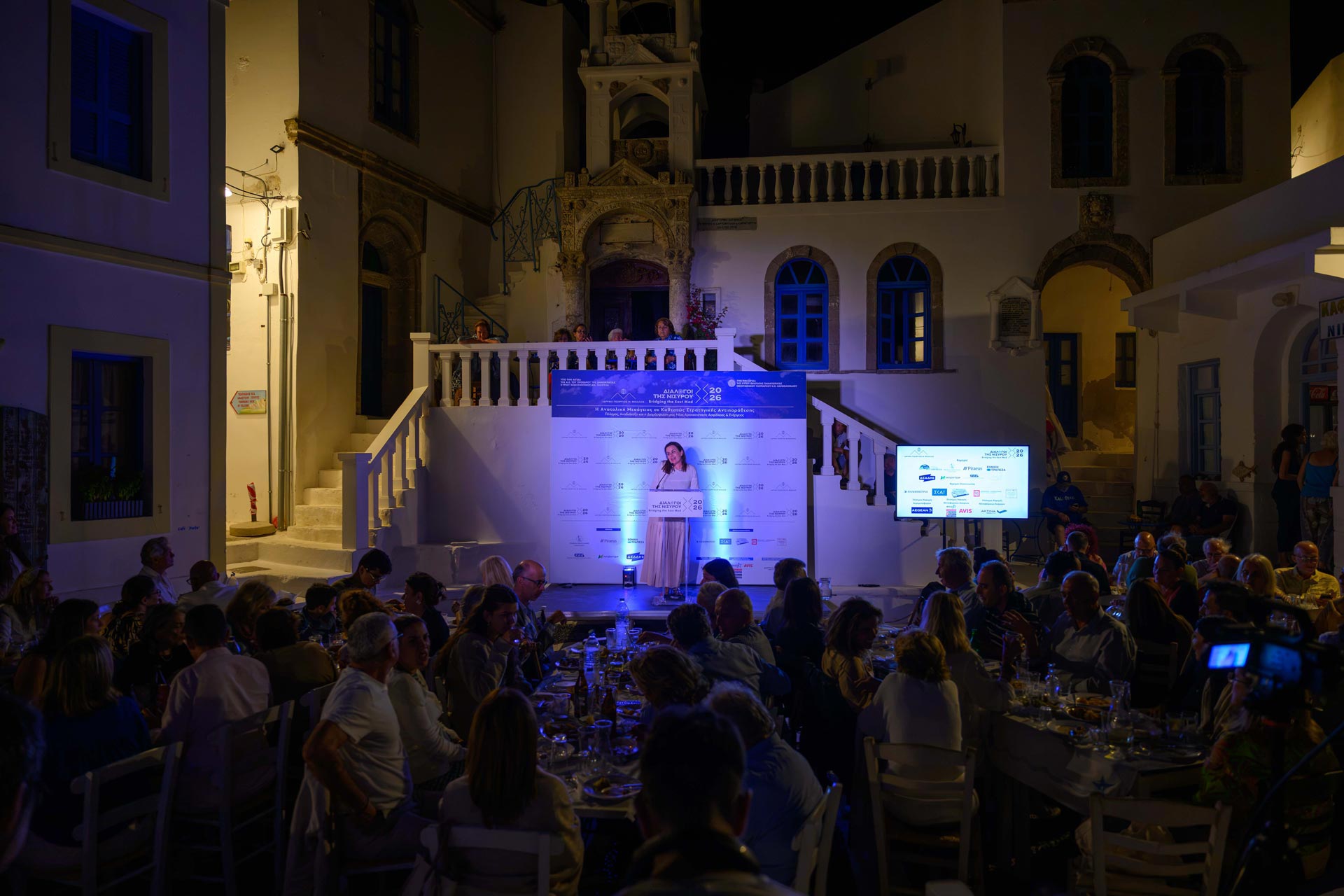
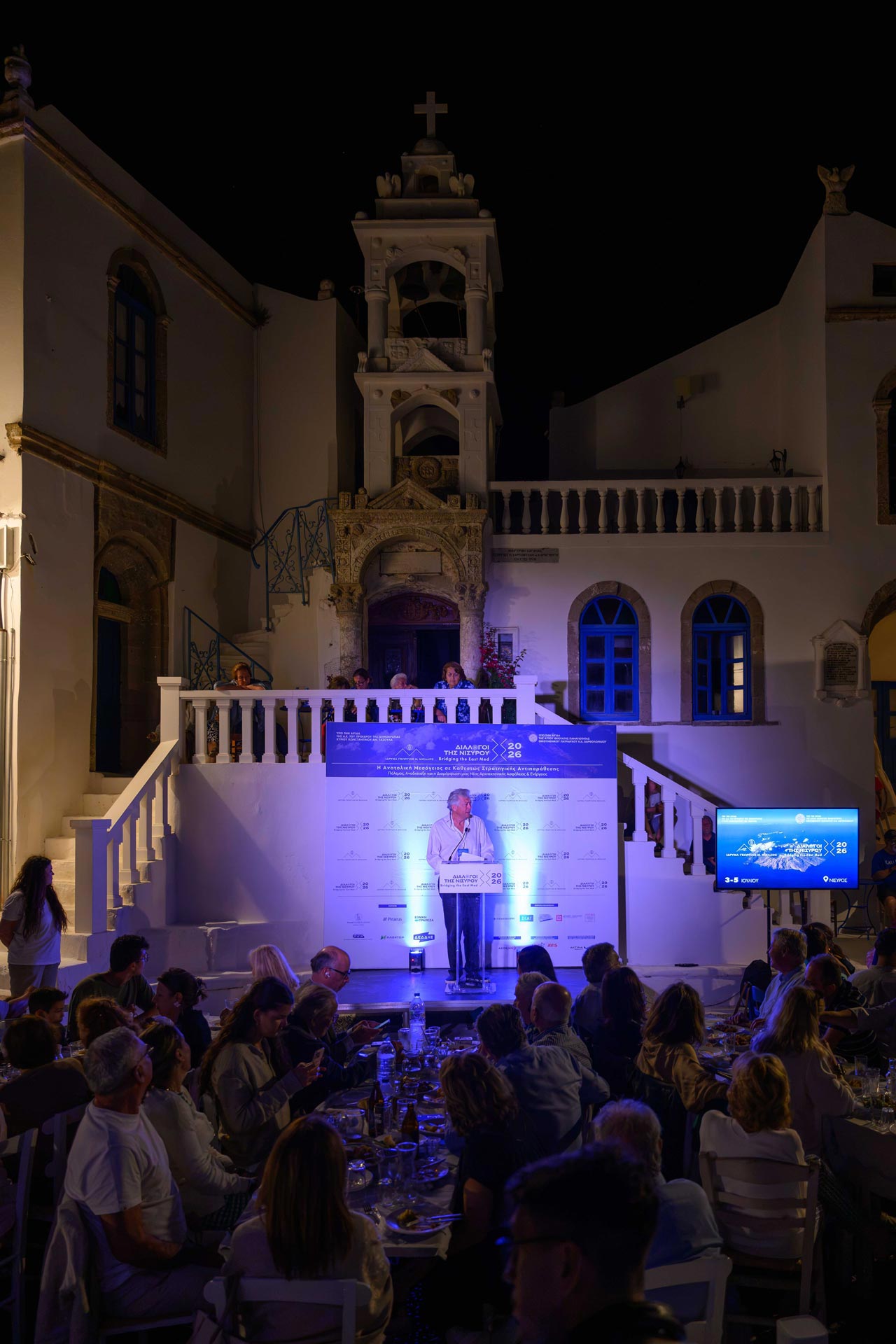
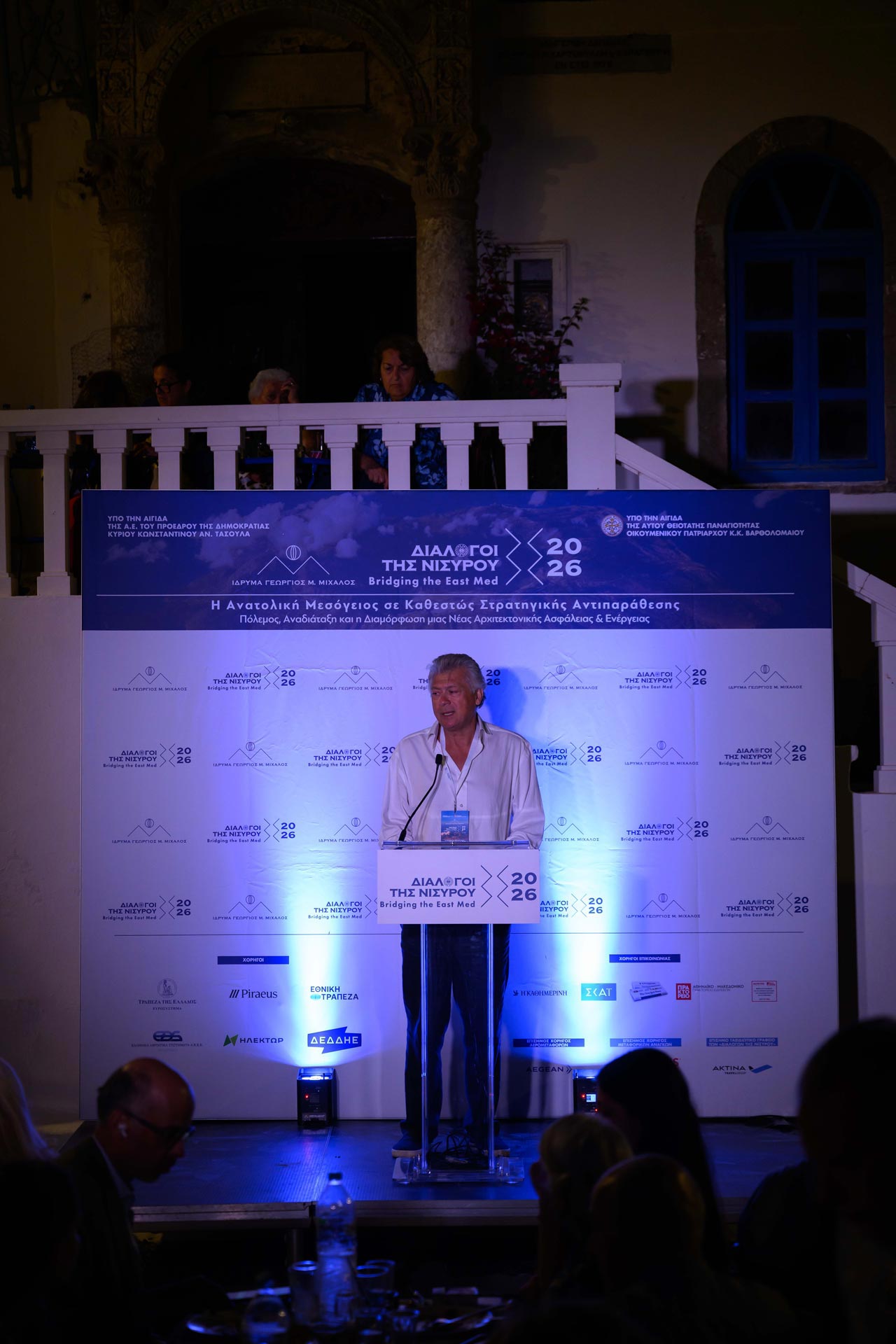
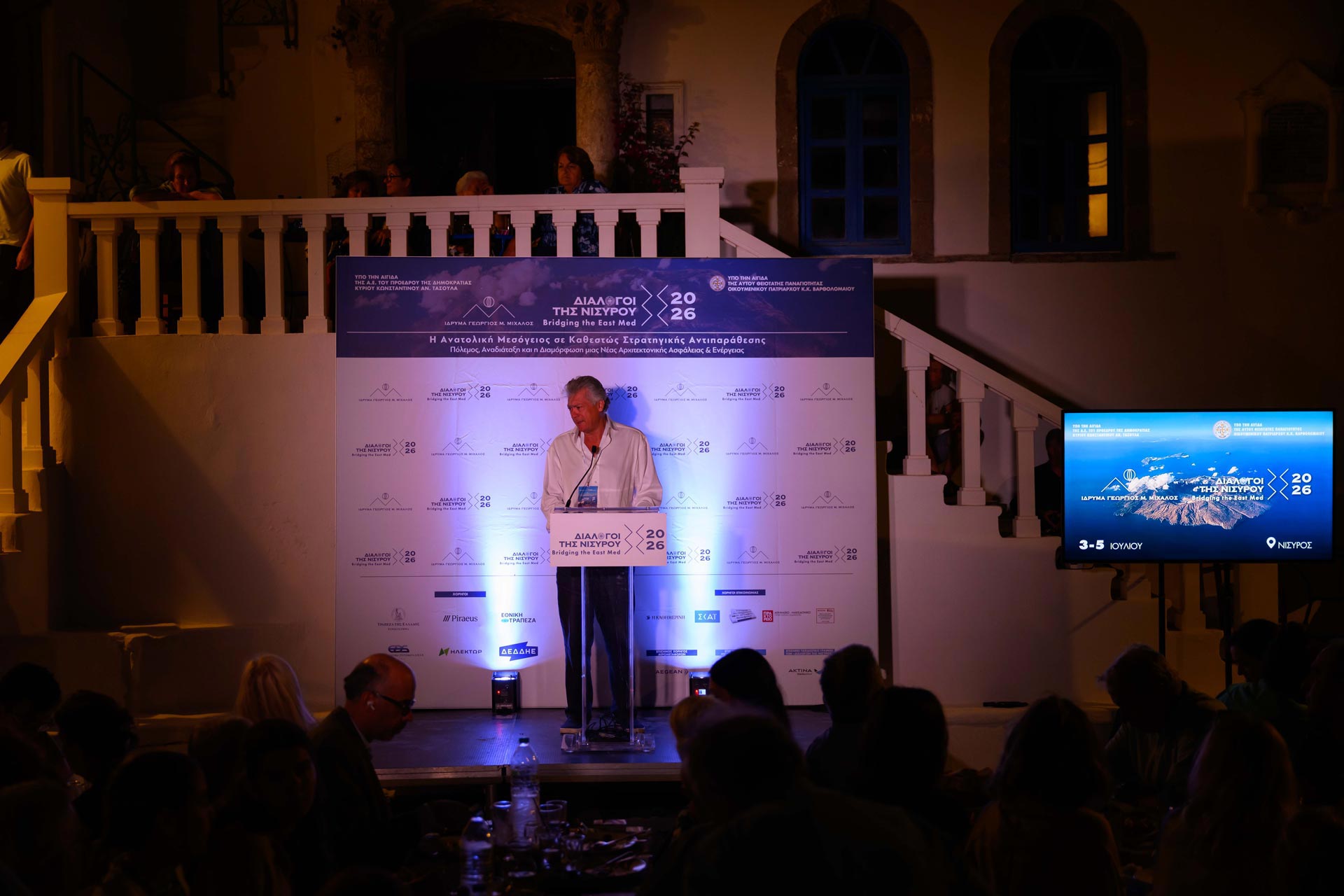
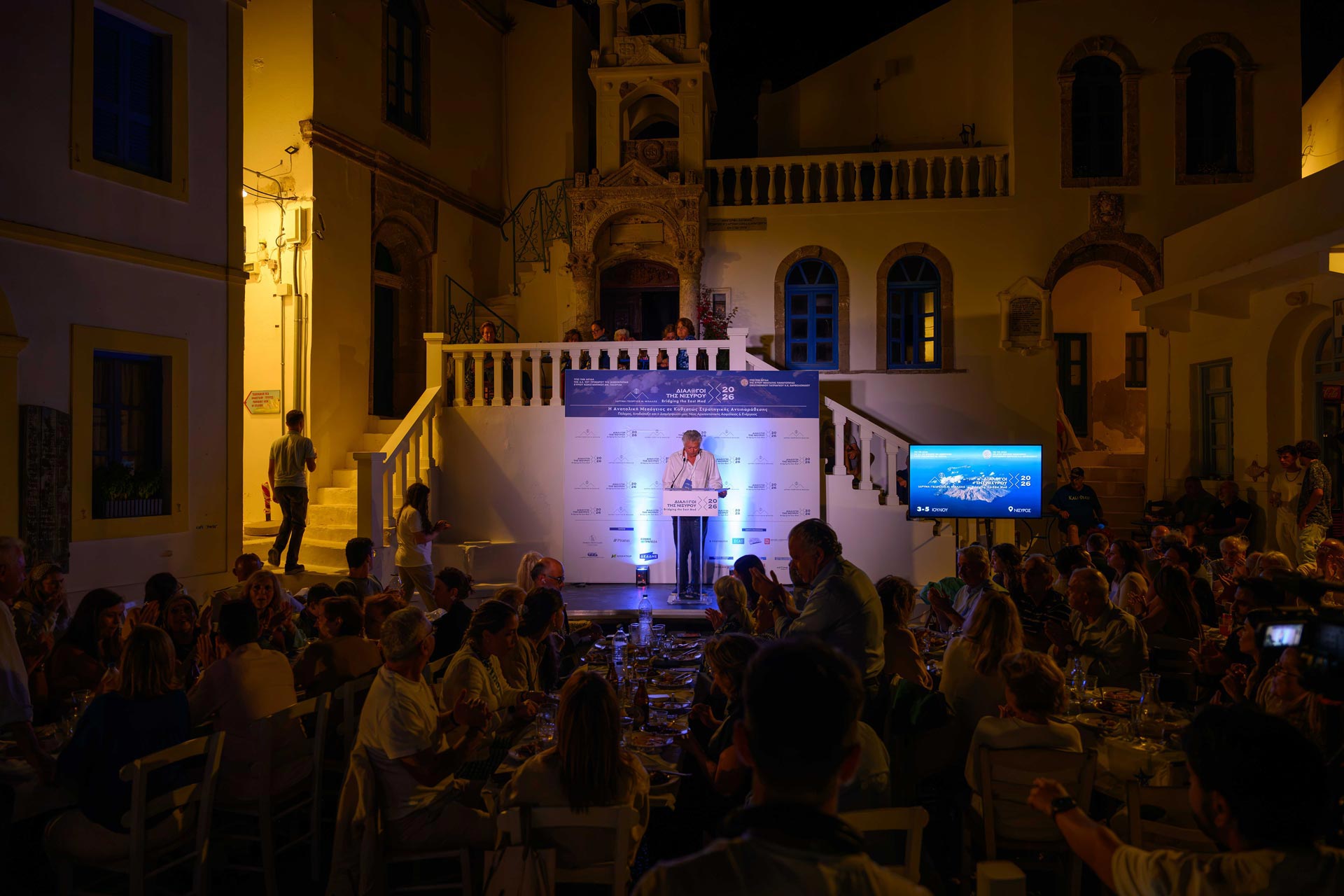
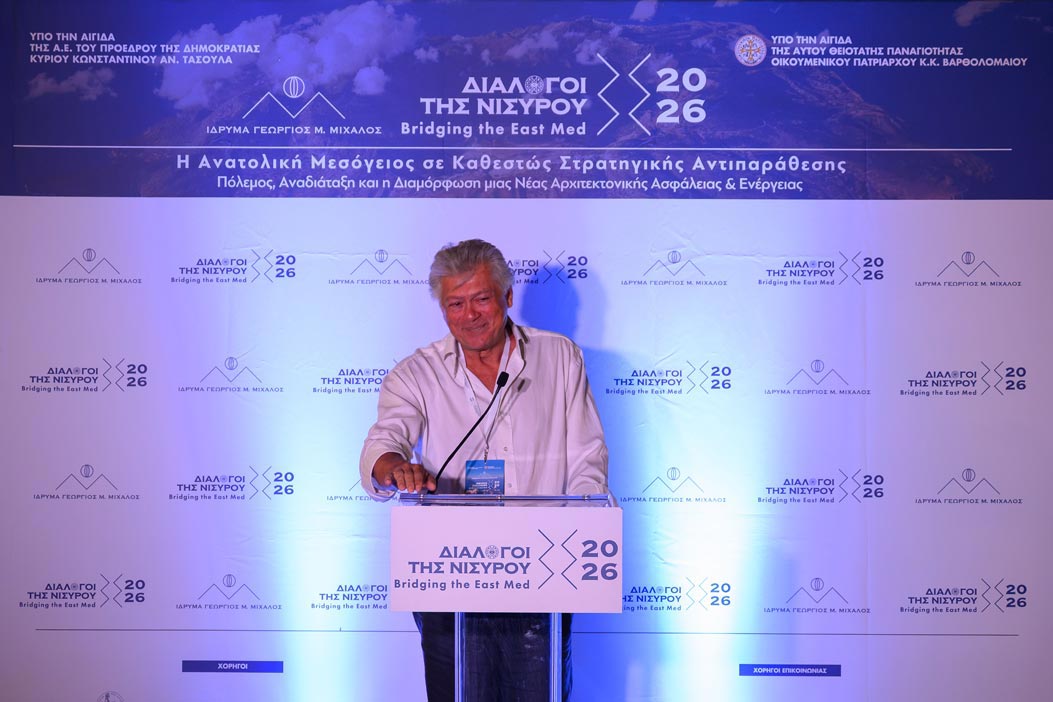
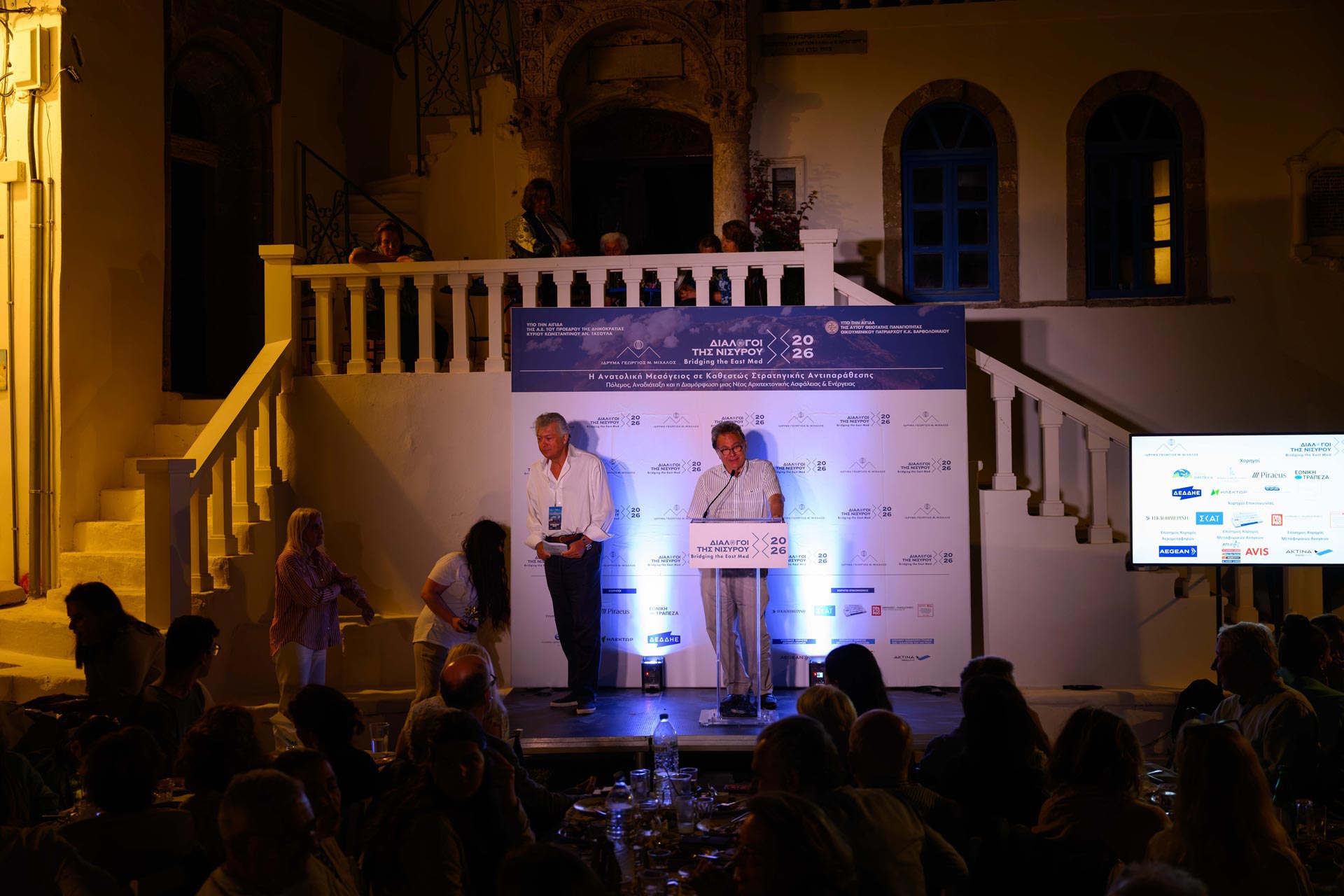
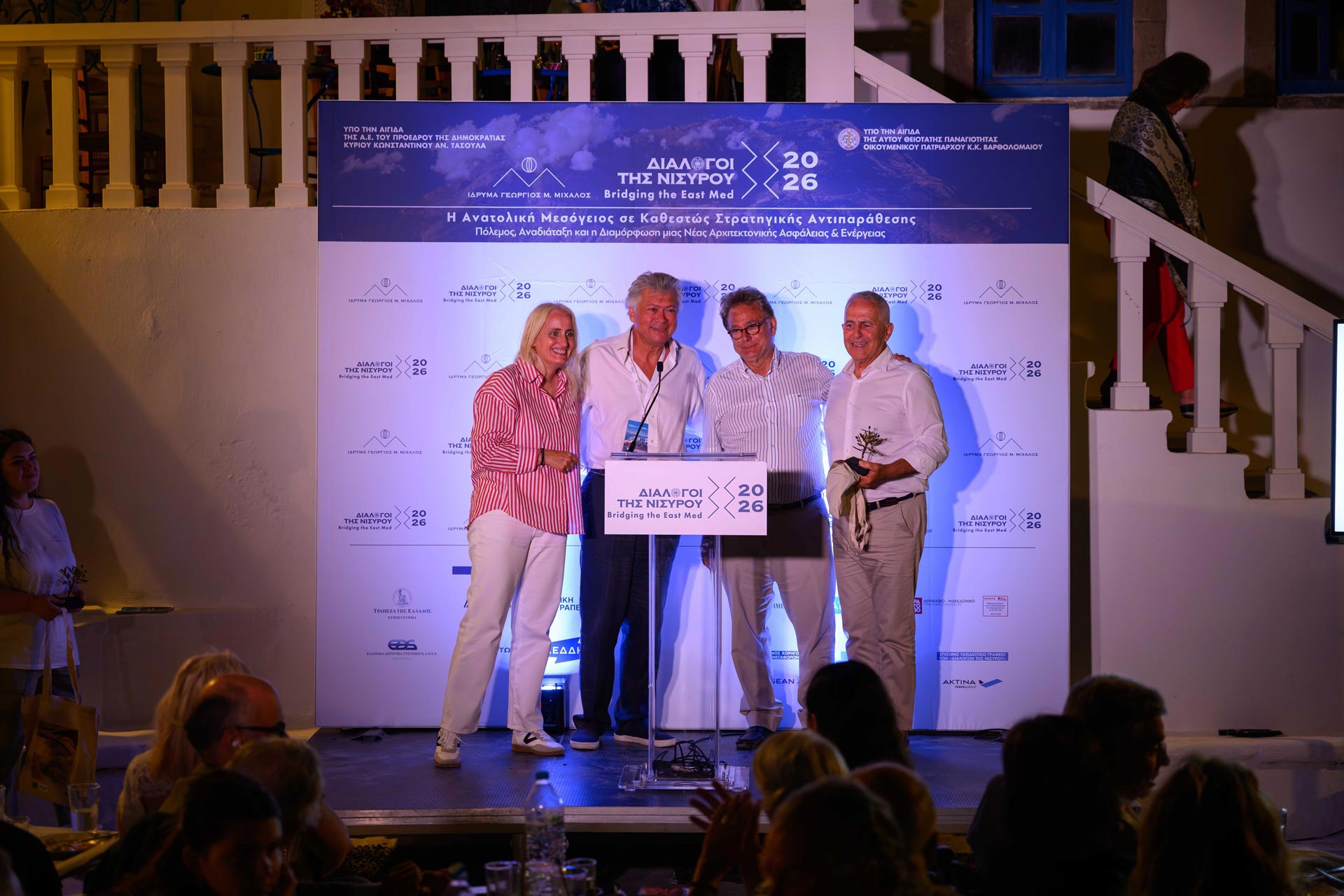
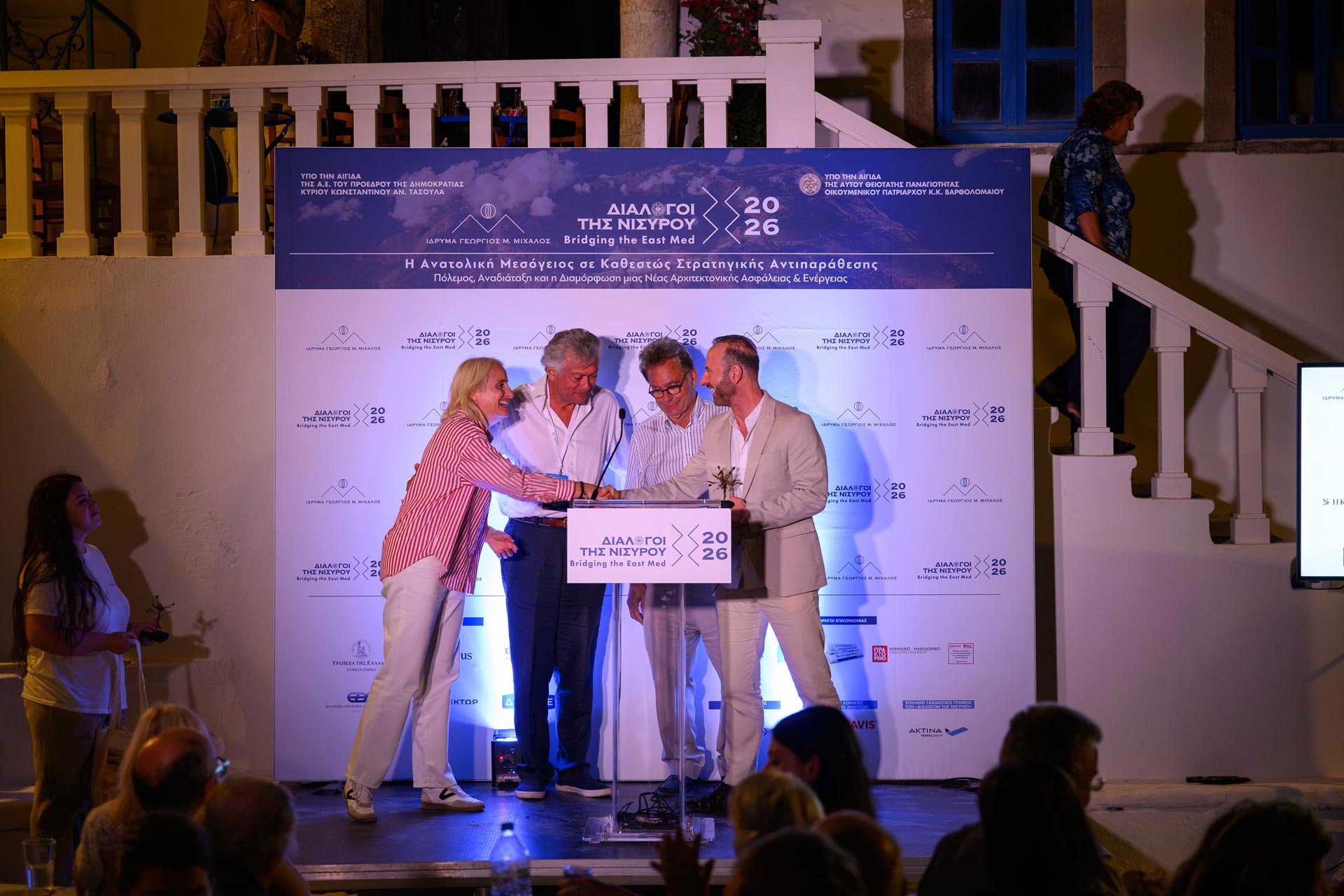
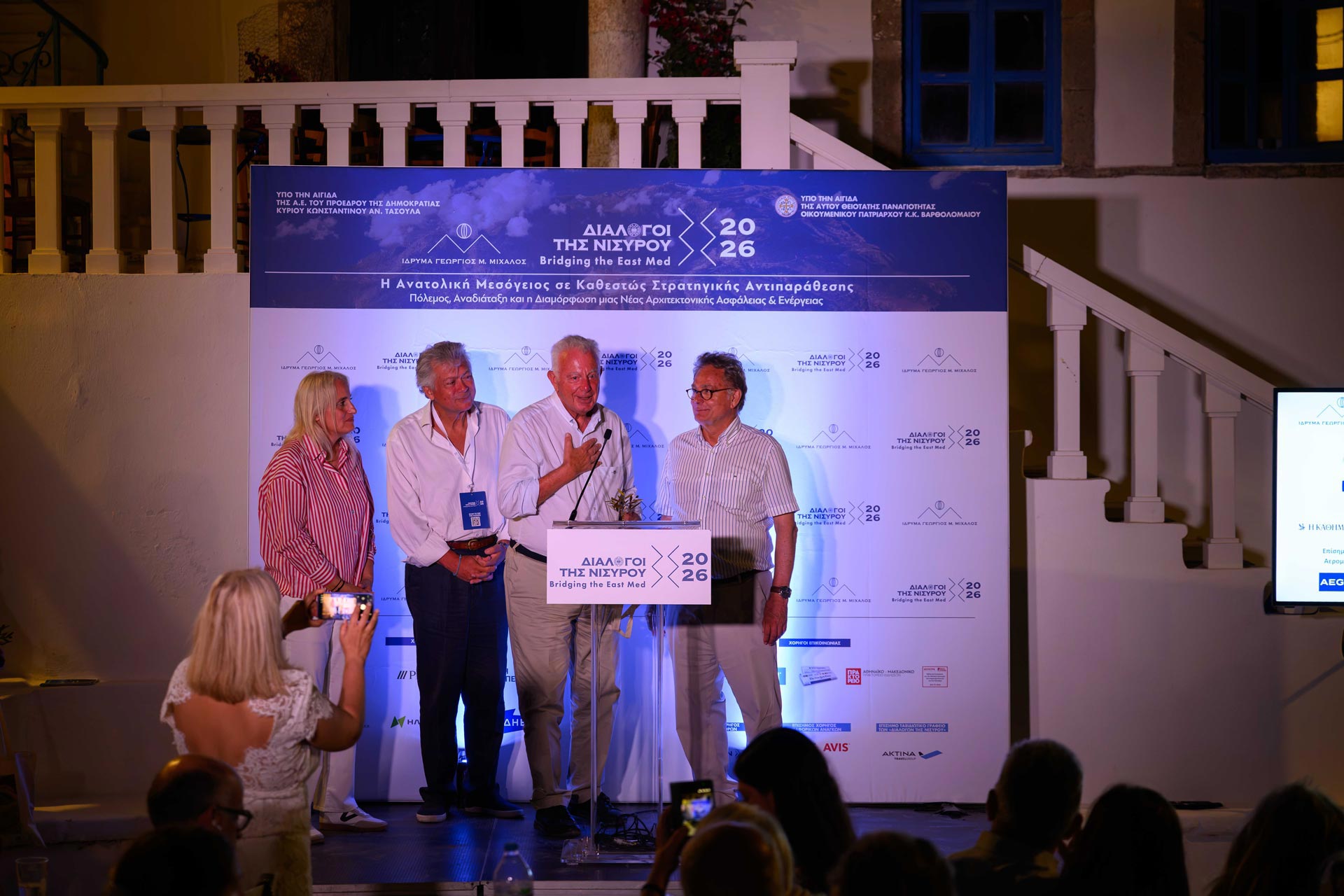
The Dialogues were closed at the official dinner on the evening of 4 July, held in Nikeia square at the top of the caldera, by Panagiotis Pikrammenos, President emeritus of the Council of State and former Prime Minister. Mr. Pikrammenos spoke broadly — touching on Greek-Turkish relations, democracy, and technological development — but focused in particular on demographics: a Greece of 5.5 million people in 30–40 years would carry no geopolitical weight against a country of 110–120 million. He closed by stressing the need, given such a complex set of threats, for cooperation among all of Greece's political forces, mutual understanding, and flexibility in decision-making.
It's worth noting that the issue dominating this year's «Dialogues» was the "Blue Homeland" bill, which produced multiple readings of Turkish strategy and came up across many of the Dialogues. In summary, the readings that emerged were:

- Former Prime Minister and President emeritus of the Council of State Panagiotis Pikrammenos stressed that, should the legislation pass, Turkish forces would invoke compliance with domestic law to justify any action in the Aegean. He also warned that the Turkish legislation may be designed to push Greece toward international arbitration — something the Greek side does not rank as a priority.
- Ambassador (ret.) Dimitris Paraskevopoulos noted that the laws and implementing protocols bring the issue to the fore despite the initial postponement.
- Greece's Permanent Representative to UNESCO, Georgios Koumoutsakos, observed that once it becomes law, Turkey won't be able to backtrack — giving it the legislative basis to serve Erdoğan's plans, and estimated it would be used as leverage for harder claims.
- Professor Sotiris Sermpos noted that Turkey traditionally claims more than it has already secured, and the fact that an issue appears settled doesn't mean it will stop there.
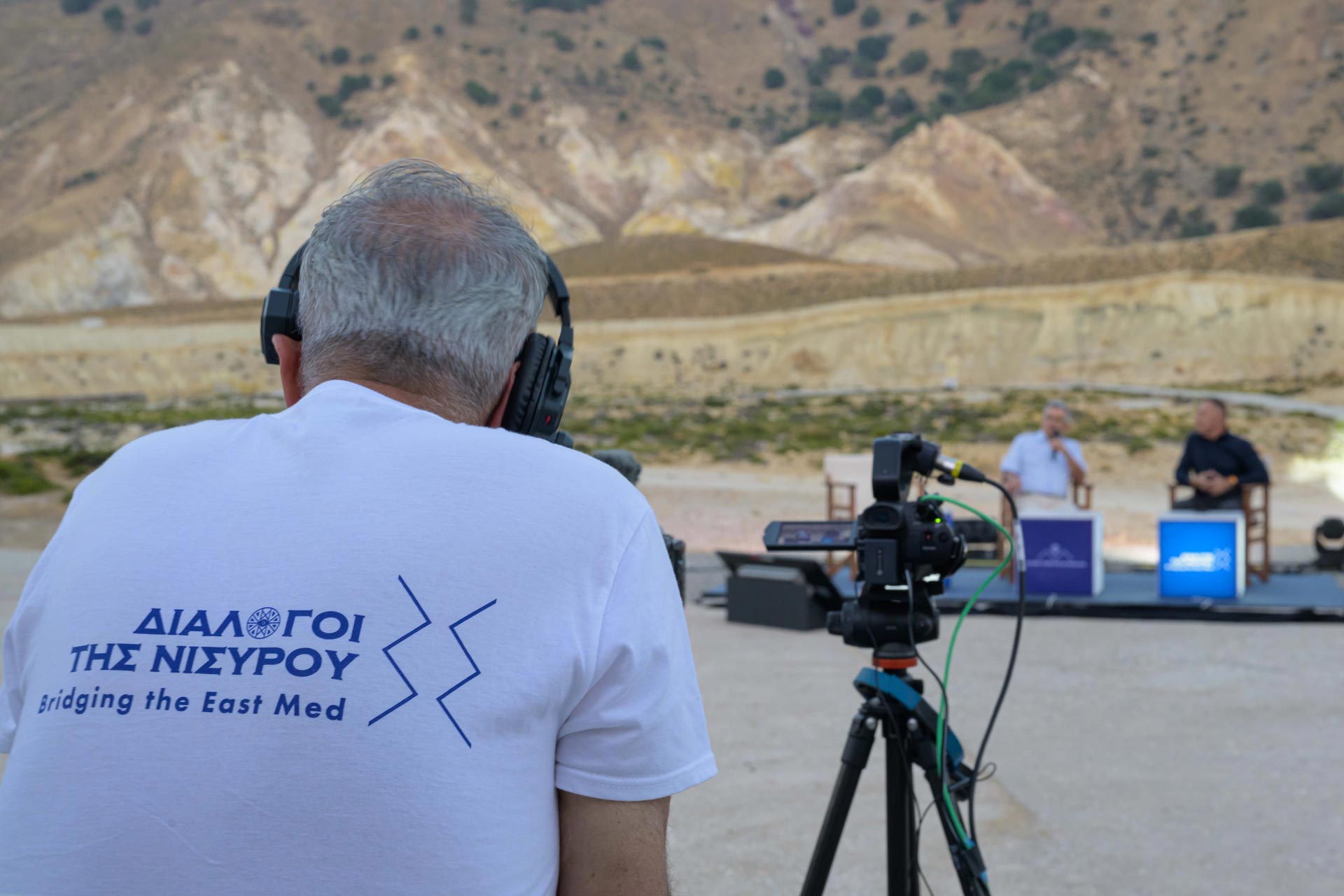
👉 Watch the Dialogues on our YouTube channel:
https://www.youtube.com/@NisyrosDialogues/streams
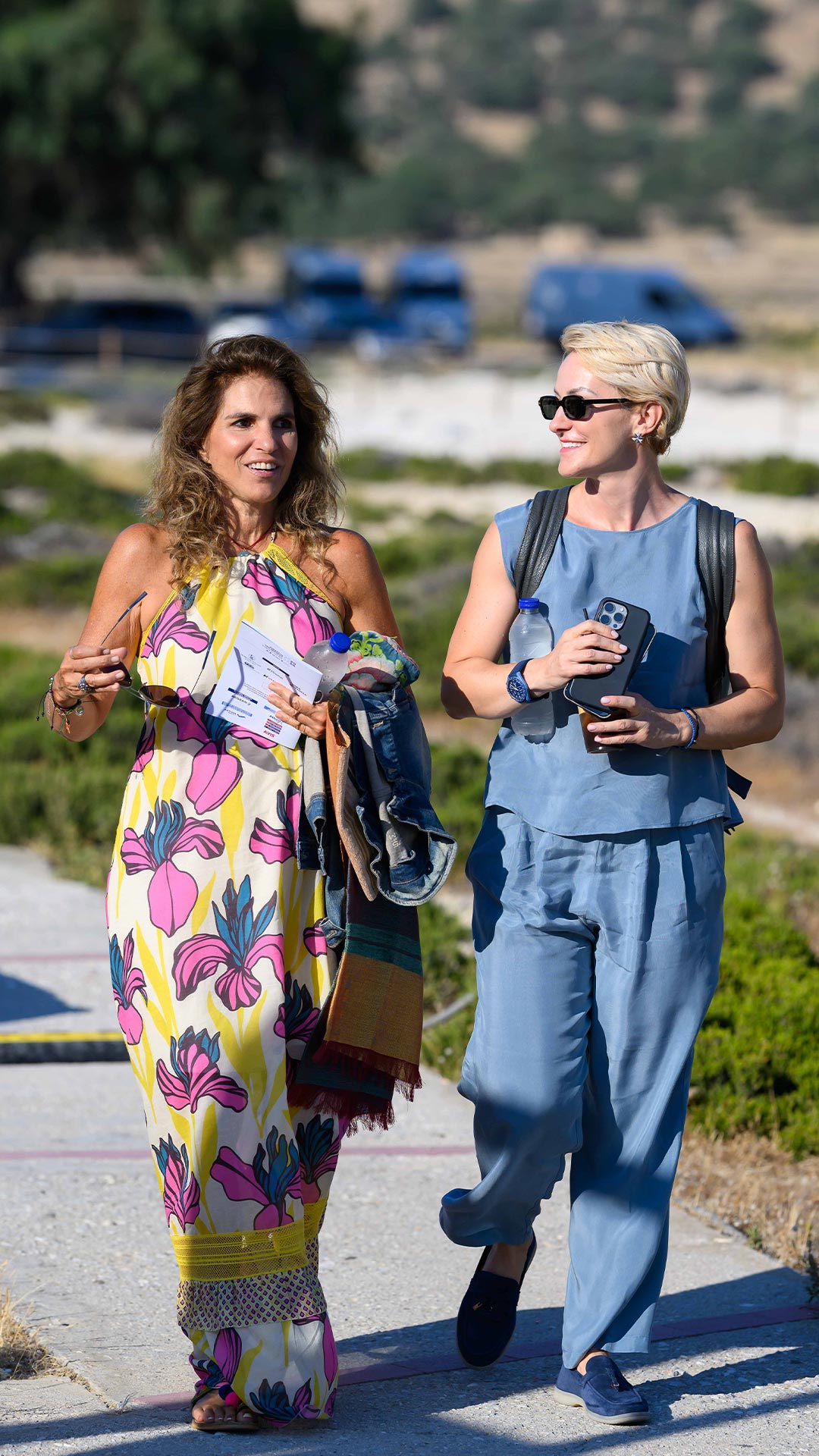
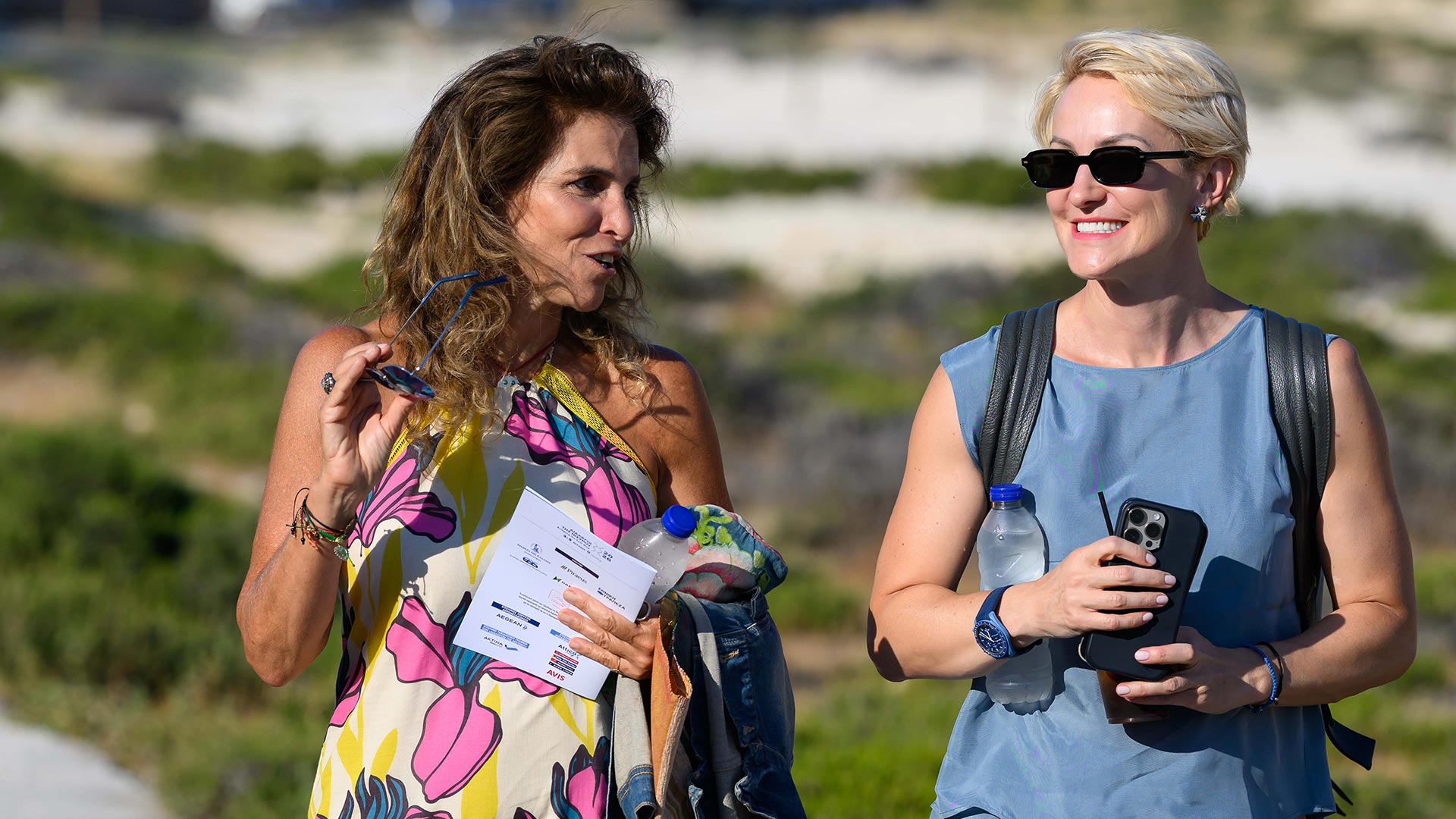
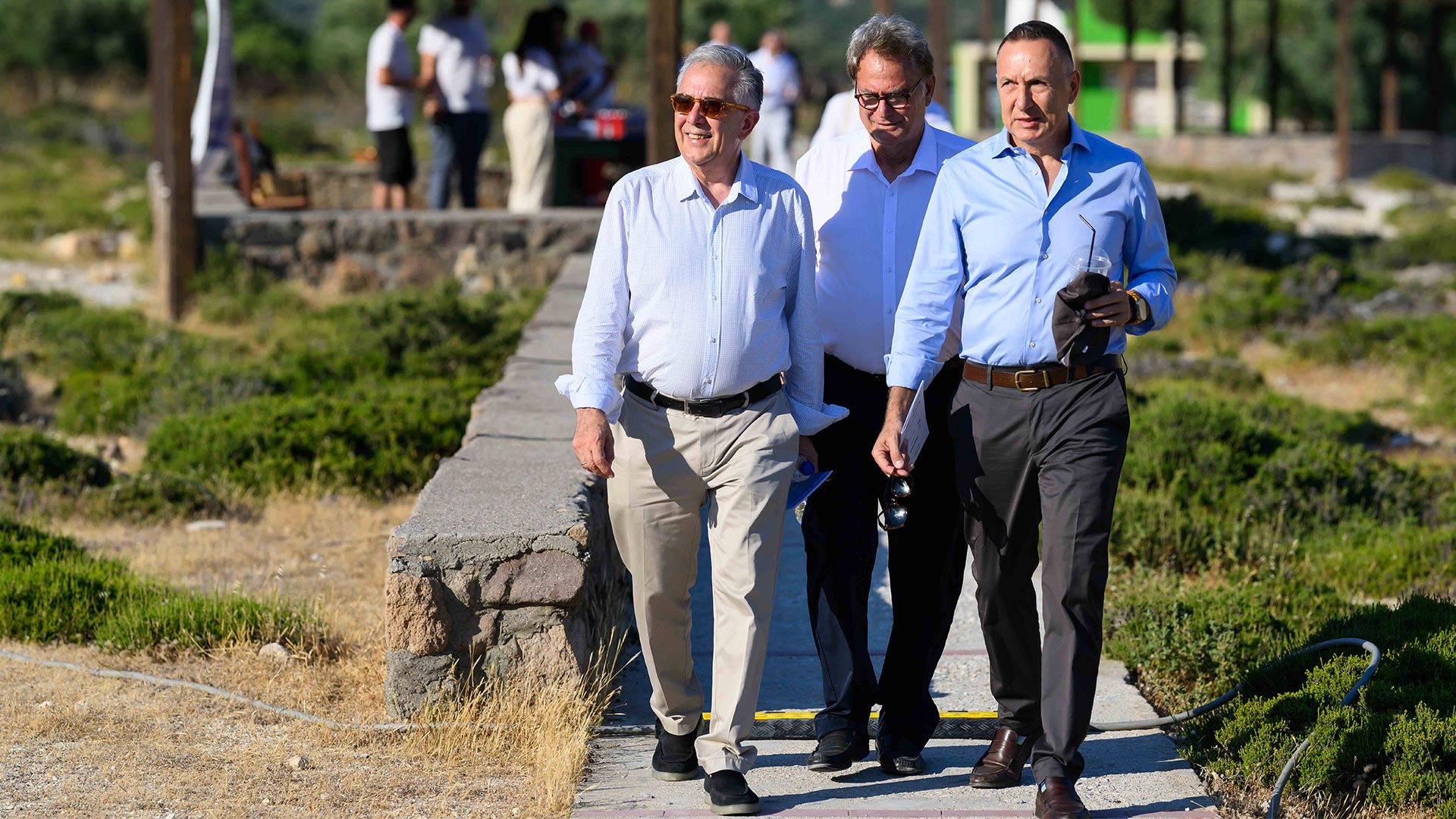
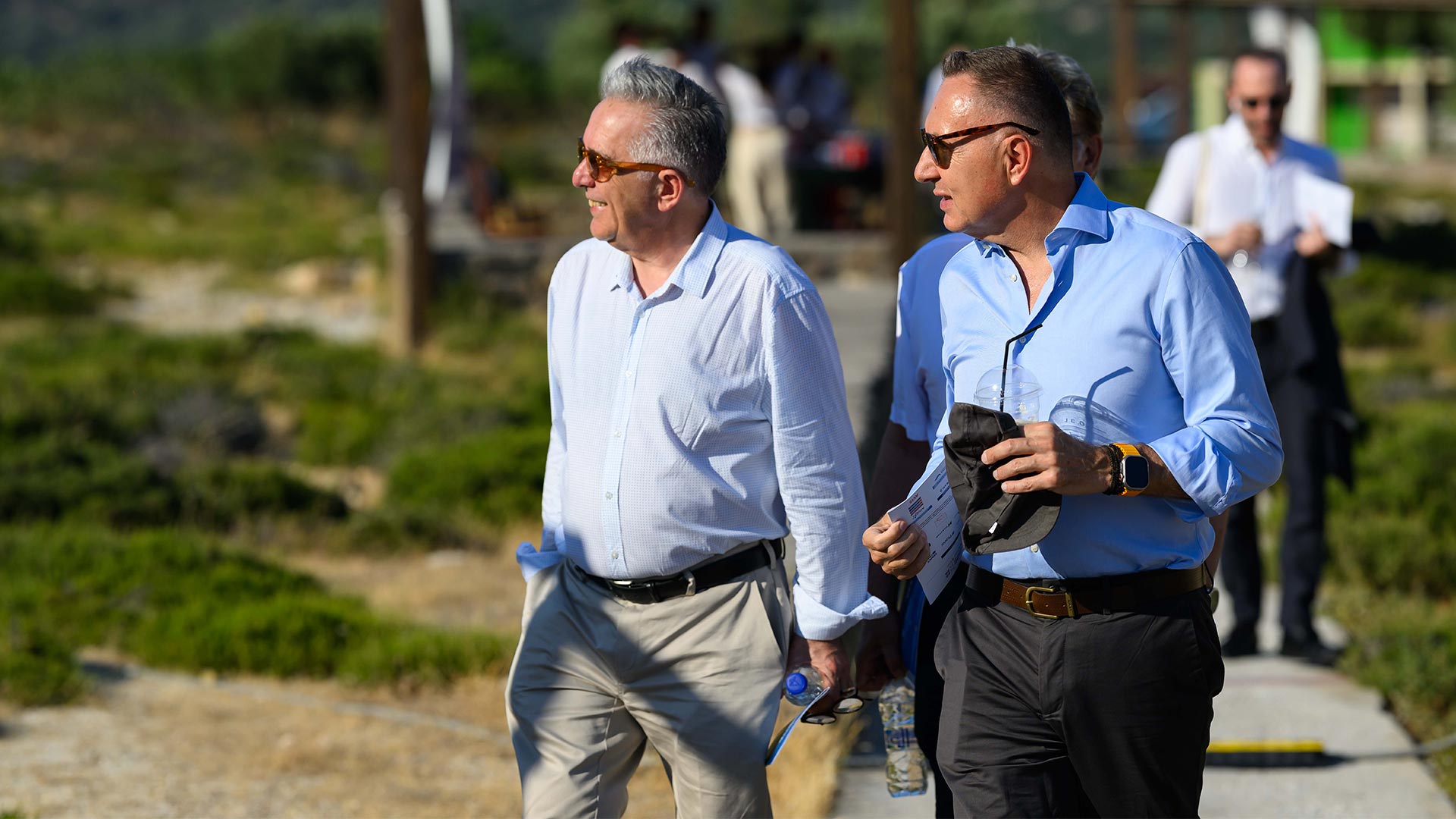
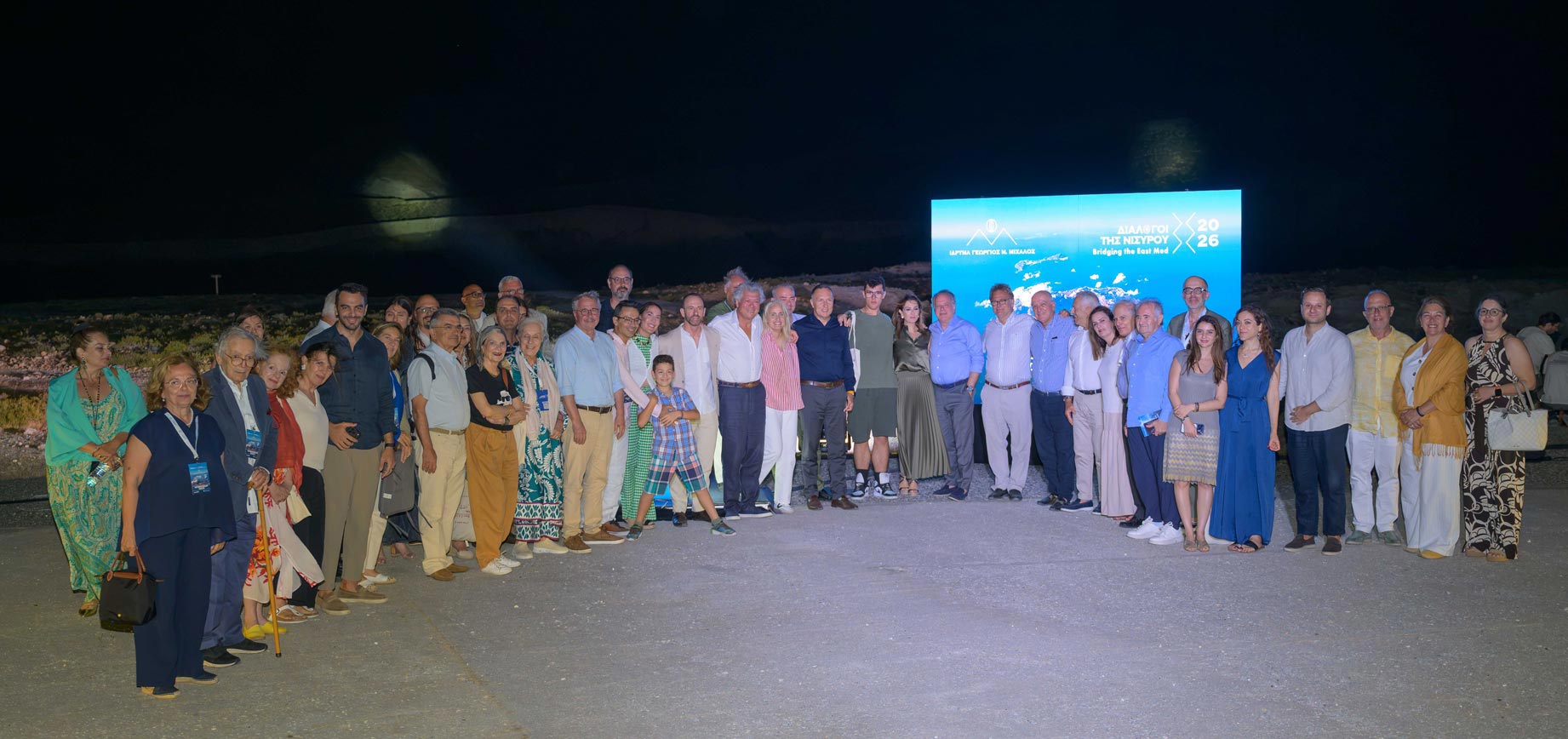
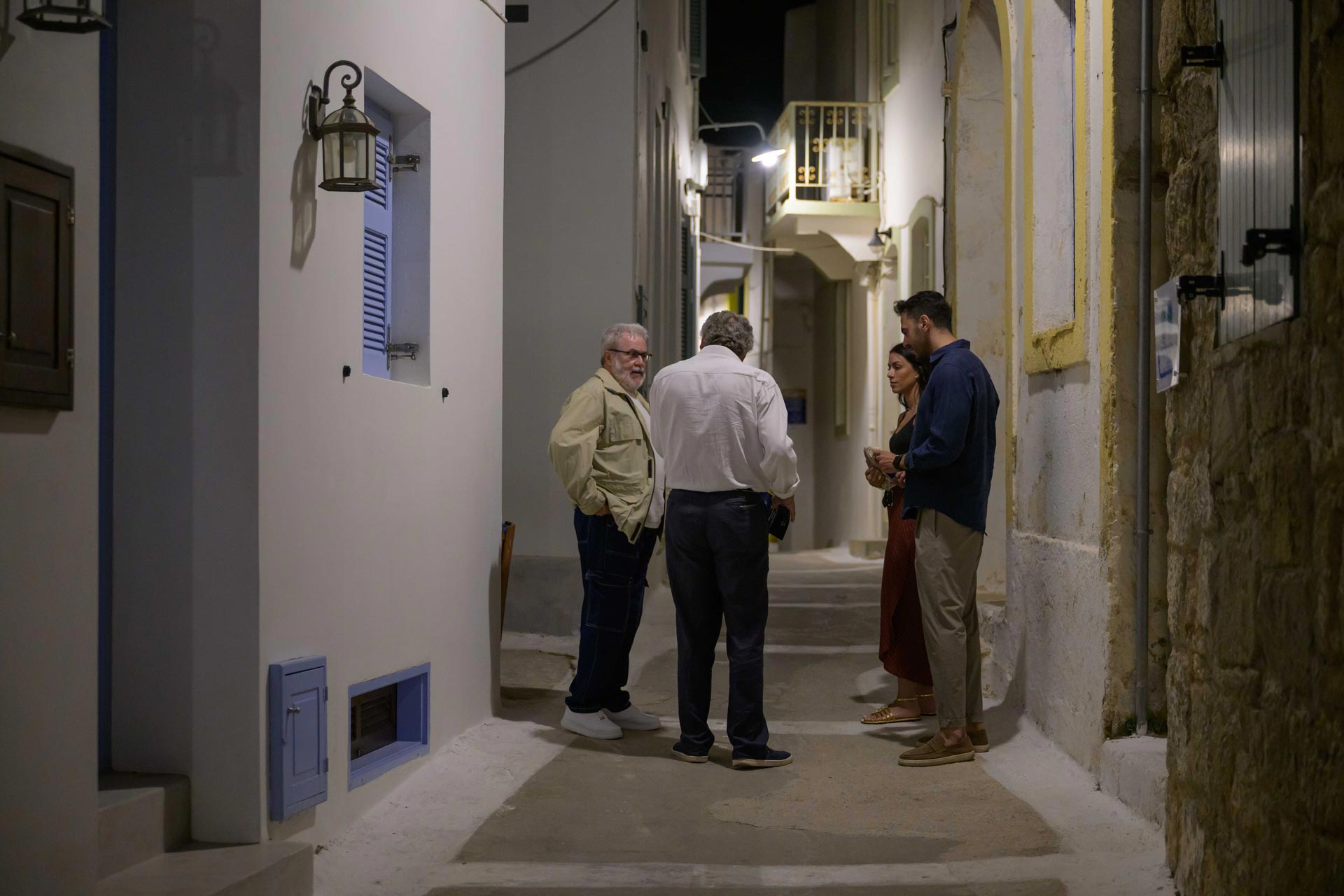
Photos